Best Cedar Sealants for Outdoor Furniture: based on specs
For cedar outdoor furniture, use a UV-blocking exterior oil if you want the grain to stay natural, a semitransparent exterior stain if you want lower maintenance, and spar varnish only for sheltered pieces that can be recoated often. Skip the wrong finish and cedar can gray fast, crack, or peel, turning routine upkeep into stripping and refinishing. This guide compares the best cedar sealers by furniture type, sun exposure, appearance, touchability, maintenance burden, and failure risk.
Quick comparison
| Product | Badge | Best for | Price | ||
|---|---|---|---|---|---|
 |
Minwax Helmsman Indoor/Outdoor Spar Urethane, Gallon,Minwax | Our pick | Semi-gloss urethane, indoor/outdoor protection, 1 gallon | $63.64
Price as of 10 Oct 2026
|
View |
 |
Minwax Fast Drying Polyurethane Protective Wood Finish,Minwax | Budget pick | Fast-drying oil-based poly, clear gloss, 1 gallon | $48.98
Price as of 10 Oct 2026
|
View |
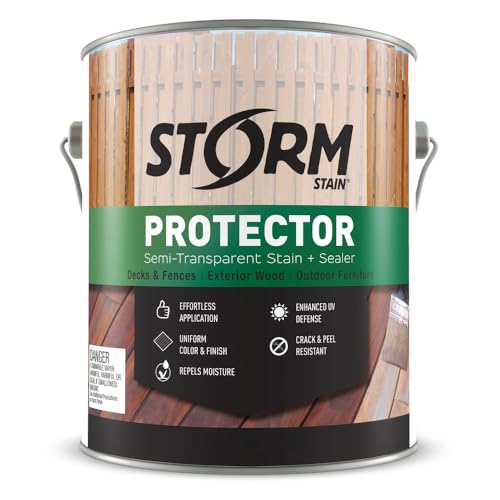 |
Storm System Protector – Cedartone, 1 Gallon, ProtectsStorm System | Also great | Cedartone stain/sealer, water & UV protection, 1 gallon | $32.99
Price as of 10 Oct 2026
|
View |
 |
Ready Seal Exterior Wood Stain & Sealer, Burnt Hickory, 1Ready Seal | Upgrade pick | Burnt hickory stain, no laps/runs, 1 gallon | $39.50
Price as of 10 Oct 2026
|
View |
Use the comparison table to match finish type to the way cedar furniture is actually used: full sun, covered porch, bare-hand contact, or low-maintenance color retention. The right answer changes with exposure, not with the price tag.
How we chose
The picks below are based on cedar compatibility, UV and water protection, maintenance burden, and how forgiving each finish is during application. For outdoor furniture, the finish also has to fit touchability, since seats, arms, and tabletops get more abrasion than siding or fence boards.
We also separated clear, tinted, penetrating, and film-forming options because cedar behaves differently than denser woods. Western red cedar weathers to gray naturally, moves with moisture, and can open its grain or check when the finish cannot flex with it.
Finally, we weighed application tolerance. A product that needs exact weather windows or a narrow recoat interval may be fine for a bench under a roof, but not for a patio set in full sun.
Penetrating sealer: best for natural-looking cedar
A penetrating exterior wood sealer is the best fit when you want cedar to keep a natural look and you are willing to maintain it more often. It soaks into the wood instead of building a thick shell, which helps it breathe and move with moisture, but it gives less UV defense than a tinted finish.
For chairs and benches, this is usually the most comfortable choice because it leaves the surface less plasticky. That matters on cedar, since the wood can move with humidity and direct sun; a thinner finish is less likely to crack as the wood expands and contracts.
Why it suits chairs and benches
Penetrating sealer works well on surfaces you want to feel like wood, not coated plastic. It is a strong match for dining chairs, porch benches, and side tables that live under partial cover, especially if the goal is to let the cedar grain remain visible without a strong color shift.
Clear versions can let cedar gray naturally. That is useful if you like the silvered patina and do not mind that the piece will need more regular cleaning if you want it to stay looking fresh rather than weathered.
Where it falls short
The tradeoff is maintenance. A clear penetrating sealer usually offers less UV protection than a tinted finish, so it can leave cedar more exposed to fading and graying. It also tends to need more frequent recoating because it does not form a thick wear layer.
On horizontal tabletops, penetrating sealer can also wear faster where plates, cups, and elbows scrape the surface. For those spots, you usually want either a more abrasion-resistant topcoat or a finish plan built around faster recoats.
Water-based polyurethane wood sealer: best for frequent touch contact
A water-based polyurethane wood sealer is the better choice when the furniture gets a lot of hand contact and you want an easier odor profile than many oil-based products. Seal-Once NANO+POLY is a water-based polyurethane wood sealer, it is sold in 1 quart, 1 gallon, and 5 gallon sizes, and the page says it is ideal for outdoor furniture.
This kind of finish is useful on tabletops, armrests, and tray surfaces because it is built for abrasion resistance and a more durable surface film. The tradeoff is that a film-forming finish is less forgiving on moving cedar than a thinner penetrating sealer, so coat timing and surface prep matter more.
Durability on tabletops and arms
For furniture that gets repeated skin contact, a water-based polyurethane-style finish can resist scuffs better than a simple oil. That matters on a cedar chair arm or a serving table, where rubbing and moisture from glasses can wear through weak coatings quickly.
Seal-Once NANO+POLY is listed in Clear, Natural, Black, Bronze Cedar, Brown, Light Brown, Cedar, Coastal Gray, Mahogany, and Redwood. Those color options make it easier to keep a cedar-toned look or move toward a darker tone if you want more UV help and color retention.
Application and finish feel
The product page says to apply two thin coats. The first coat can be applied with a synthetic brush or sprayer, the recommended spray tip is 15-17, and the second coat should go on within 5-15 minutes while the first is still damp. It should not be applied below 45°F or above 95°F, and not if rain is expected within 12-24 hours.
That quick recoat window is useful, but it also means you need to stay organized. Film-like finishes can fail early if they skin over unevenly or are applied too heavily, and cedar’s moisture movement can make thick buildup more likely to crack, chip, or trap moisture under the surface.
The listed price for a 1 quart Clear is $36.98, the listed price for a 1 gallon Clear is $65.98, and the listed price for a 5 gallon Clear is $309.98.
Tinted cedar-colored finish: best for sun exposure
A tinted cedar-colored finish is the better option when the furniture sits in strong sun and you want longer-lasting color retention. Compared with a clear sealer, a tint gives the finish more UV protection, which helps slow graying and fading on Western red cedar.
The main downside is visual commitment. Once you choose a cedar-toned or darker stain, you are also choosing a maintenance path that aims to keep that tone steady, which usually means recoating before the color washes out.
Color-matching options
Tinted finishes can range from cedar-like tones to browns, reds, grays, and black. Seal-Once NANO+POLY lists Cedar, Bronze Cedar, Brown, Light Brown, Mahogany, Redwood, Coastal Gray, Black, Clear, and Natural, so you can stay close to the species color or intentionally change it.
That flexibility helps when a cedar set needs to match existing patio pieces. It also helps when you want to mute cedar’s orange cast without hiding the grain completely.
Tradeoff between UV help and recoat work
Tint improves UV resistance, but it does not remove upkeep. If the surface gets full sun every day, the color layer still needs attention before the wood fades or the coating starts to thin unevenly.
For furniture that sits on an open deck, that tradeoff is usually worth it. For a covered porch with only morning sun, a clearer product may be enough and easier to keep visually consistent.
do you need to seal cedar for outdoor use?
You do not have to seal every cedar piece, but you usually should if you want the wood to keep its color, resist water intrusion, and stay more stable outdoors. Bare Western red cedar can survive outside, yet it will weather to gray, move with moisture, and develop checking sooner if it is left unprotected.
Sealing matters most when the furniture has flat surfaces, exposed end grain, or direct weather exposure. If the piece sits under a roof and you like the gray patina, bare cedar can be acceptable, but you are accepting cosmetic change and more moisture cycling.
When sealing matters most
Sealing is most important for tabletops, seat slats, armrests, and any place that sees repeated wetting. Those surfaces hold water longer than vertical legs or posts, and pooled water increases swelling, grain opening, and early failure.
It also matters where cedar is exposed to strong sun and wind. Sun drives finish breakdown, while wind dries the surface fast enough to increase checking if the wood is not protected.
When bare cedar may be acceptable
Bare cedar can be acceptable if you want the natural gray patina and the piece is decorative rather than high-contact. A bench under a deep porch roof or a planter-side stool may not need a finish if you are comfortable with weathering and occasional cleaning.
That choice is less attractive for dining furniture or any seat that gets used every week. Once gray starts and moisture movement keeps working the grain, a later finish choice becomes harder because surface prep gets more demanding.
Which one should you buy?
Pick the finish by furniture type, exposure, and how much maintenance you can tolerate. For a sheltered bench or accent table, a penetrating clear sealer is the easiest path to a natural look. For chairs and tabletops that get touched often, a water-based polyurethane wood sealer is more practical. For full-sun furniture, a tinted cedar-colored finish usually makes more sense than clear sealer.
Say your cedar dining set sits on an open patio in afternoon sun and gets used three times a week. A clear sealer may look right on day one, but it will usually ask for more frequent recoats. A tinted finish gives more color stability, which is often the better trade.
Suppose your porch bench stays under a roof and you want the wood to gray evenly. A clear penetrating sealer can fit that job because it keeps the look natural and does not add much visible color, but you still need to watch the end grain and the exposed top edges.
By furniture type
For chairs, use a finish that stays comfortable to touch and does not build too heavily. For tabletops, choose something more abrasion-resistant. For benches, balance touch feel and maintenance, since the seat and top rails usually get the most wear.
For accent pieces with lower contact, clear penetrating sealer can be enough. For dining sets, a more durable water-based or tinted option is usually easier to live with.
By sun exposure
Full sun pushes you toward tinted finishes because cedar color fades and grays faster there. Partial shade gives you more freedom to choose between clear and tinted. Deep shade or a roofed porch lets you prioritize look and touch feel over UV strength.
If rain and dew hit the furniture often, water resistance matters as much as color. In that case, look at both the finish type and the maintenance interval, not only the sheen.
By maintenance tolerance
If you want the least frequent upkeep, choose a finish that resists UV and water longer, even if that changes the appearance. If you do not mind recoating and prefer the most natural cedar look, clear penetrating sealers are the easier visual match.
A film-forming finish can also be the wrong choice if you do not want a peeling repair later. Once a surface film fails on cedar, stripping and refinishing can take far longer than refreshing a thinner coating.
By appearance goal
If you want cedar to stay close to its fresh wood color, a clear or lightly tinted product is the right lane. If you want to slow gray-out, choose a tinted cedar-colored finish. If you want the wood to age naturally, skip color-heavy coatings and accept that the surface will drift toward silver-gray.
Cedar sealant decision matrix and application checklist
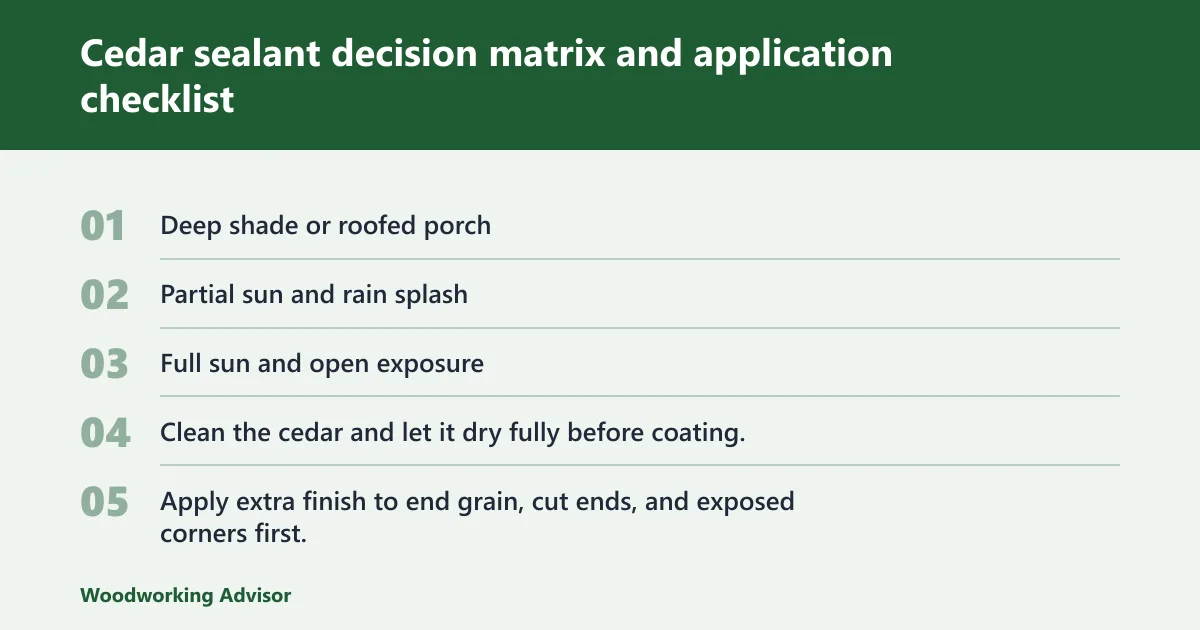
The matrix below turns the choice into a practical match. It separates clear sealer, penetrating sealer, water-based polyurethane wood sealer, and tinted cedar-colored finish by use case, maintenance burden, appearance, and failure risk.
| Finish type | Best use case | Appearance | Maintenance burden | Failure risk on cedar |
|---|---|---|---|---|
| Clear penetrating sealer | Covered porch chairs, benches, accent pieces | Least visible color change; lets cedar gray naturally | Higher; plan for more frequent recoats | Moderate; gray-out and wear-through if exposed to sun and standing water |
| Water-based polyurethane wood sealer | Tabletops, arms, high-touch furniture | Clear to lightly tinted; more surface build | Moderate; depends on wear and weather | Moderate to higher if applied too thick or if moisture movement is ignored |
| Tinted cedar-colored finish | Full-sun patio sets and visible dining furniture | Maintains cedar tone or shifts it on purpose | Moderate; recoats needed to keep color stable | Lower gray-out risk, but peeling or blotching can happen if the film is overbuilt |
| Film-forming exterior varnish or spar varnish | Sheltered pieces only, where frequent recoating is realistic | Glossy, more obvious coating | High; needs close inspection and timely upkeep | Higher on fully exposed cedar because peeling can be difficult to repair |
Sample recoat schedule by exposure
Use the finish label first, then adjust by exposure. A sheltered porch set usually needs less frequent attention than an open patio set in direct sun.
- Deep shade or roofed porch: inspect each spring and late summer; recoat when the surface looks dry, dull, or uneven.
- Partial sun and rain splash: inspect every 6 months; plan touch-ups before visible fading spreads across the panel.
- Full sun and open exposure: inspect every 3 to 4 months; recoat sooner if the color lightens, water stops beading, or end grain turns rough.
End-grain and coat-order checklist
End grain is the highest-absorption area, so treat it as a separate step. It can pull in much more finish than face grain, which makes it the first place to dry out, swell, and fail.
- Clean the cedar and let it dry fully before coating.
- Apply extra finish to end grain, cut ends, and exposed corners first.
- Use a synthetic brush for control or a pump-up garden sprayer for broad surfaces.
- Back-brush after spraying so the finish does not pool in joints or grain lines.
- Stay inside the temperature window on the label; for Seal-Once NANO+POLY, that is 45°F to 95°F.
- Avoid coating if rain is expected within 12-24 hours.
- Keep coats thin; the same product says to apply two thin coats and to place the second coat within 5-15 minutes while the first is still damp.
Coverage and quantity planning
Coverage varies by grain openness, furniture shape, and how much end grain is exposed, so exact yardage figures are product-specific. A common rule of thumb is to buy a little more than the bare square footage suggests, since chairs, arms, slats, and turned parts use more finish than flat boards.
For a typical cedar chair set, a quart may be enough for a small touch-up or a single compact piece, but a full dining set usually pushes you into gallon territory. Open-grained cedar and first coats tend to consume more product than later coats.
what is the best sealant for cedar wood
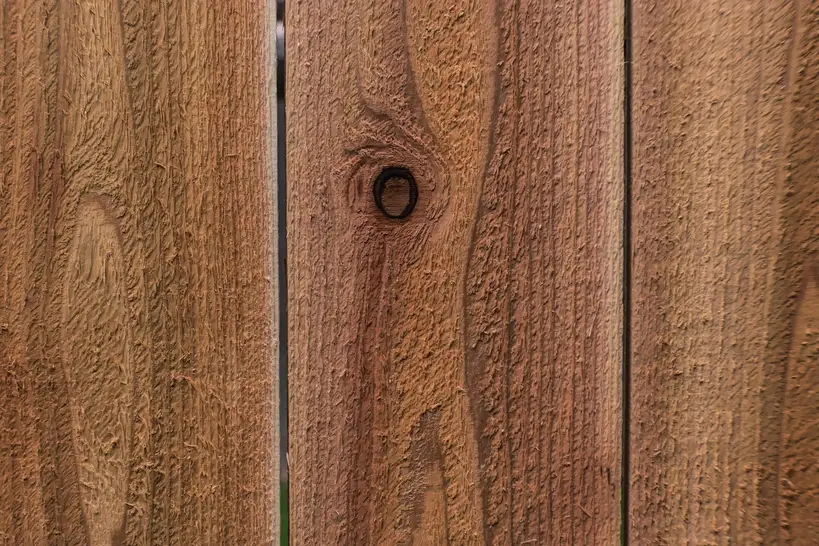
The best sealant for cedar wood depends on whether you want the wood to stay natural, hold color, or take regular handling. For a natural look, a clear penetrating sealer is usually the closest fit. For more UV resistance, a tinted exterior wood sealer is better. For heavy touch contact, a water-based polyurethane wood sealer is the stronger option.
Cedar-specific behavior matters here. Western red cedar weathers to gray, moves with moisture, and can check if the finish is too rigid or applied too thickly. That makes flexibility, breathability, and coat control more important than a generic “waterproof” claim.
how to seal outdoor cedar furniture
To seal outdoor cedar furniture, treat the piece as a set of different surfaces, not one flat panel. Seats, tabletops, armrests, and end grain all need different attention because they absorb and wear at different rates. Use the finish you picked for the exposure level, then give the high-wear surfaces the first and second coat priority.
A common first-timer mistake is coating only the visible face of a cedar bench and skipping the underside and cut ends. That creates uneven moisture movement, which can lead to cupping, checking, and early dull patches where water enters from the uncoated edges.
Frequently asked questions
what to seal outdoor cedar with
Seal outdoor cedar with a product that matches the exposure and the look you want. Clear penetrating sealers are best when you want natural grain and a gray patina. Tinted exterior wood sealers are better when you want slower fading and less maintenance. For frequent touch contact, a water-based polyurethane wood sealer is the more durable choice.
what is the best sealer for outdoor furniture
The best sealer for outdoor furniture depends on exposure and touch level. Cedar furniture in full sun usually does better with a tinted finish. Pieces under cover can use a clear sealer. High-touch pieces such as dining tables and armrests benefit from a more abrasion-resistant water-based polyurethane wood sealer, provided you follow the coat window closely.
does outdoor cedar need to be sealed
Outdoor cedar does not strictly need to be sealed, but sealing is the practical choice for most furniture. Without it, cedar grays faster and is more exposed to moisture cycling, which can open grain and increase checking. If appearance and easier upkeep matter, a properly matched exterior wood sealer is worth using.
Sponsored / affiliate links. As an Amazon Associate I earn from qualifying purchases. I may earn additional commission from eligible campaigns.