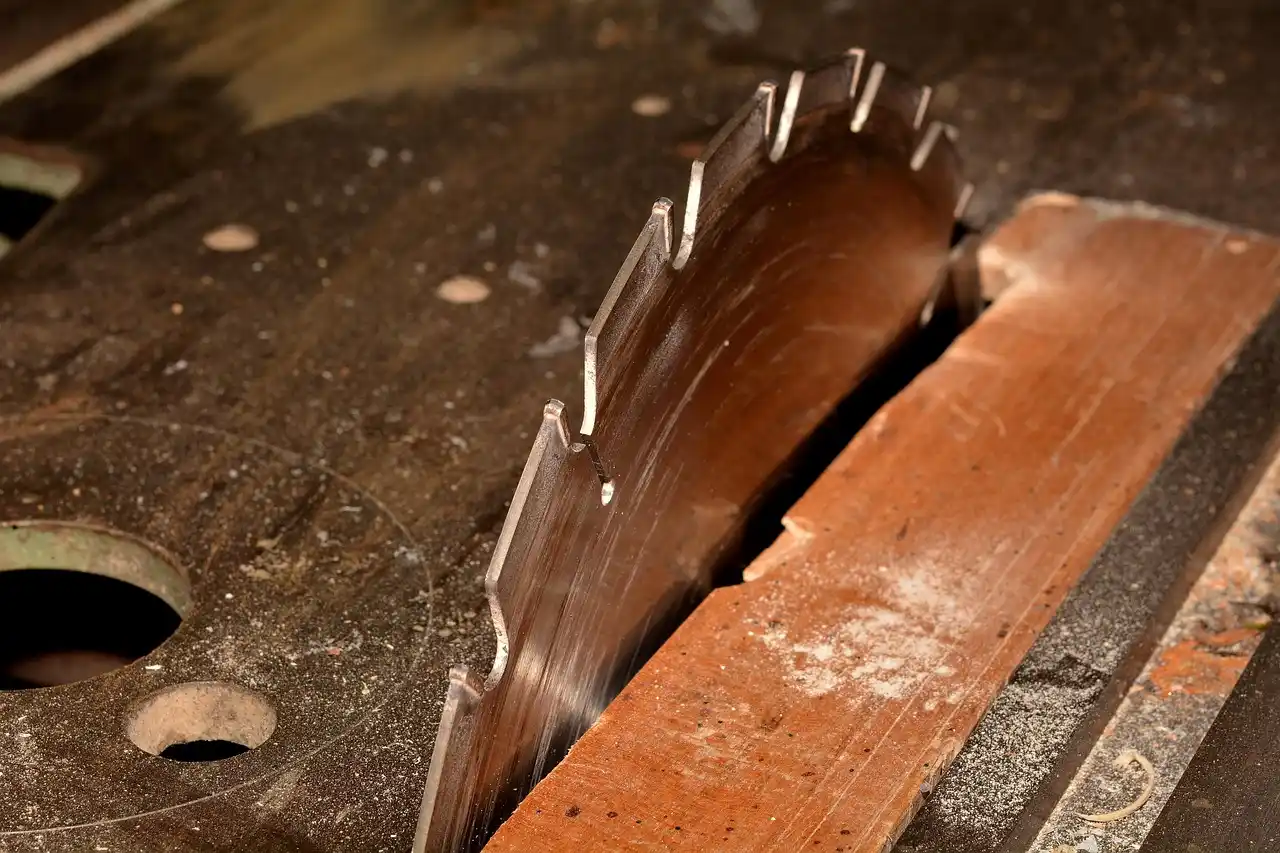
Track Saw vs Table Saw for Sheet Goods
Choose a track saw if you break down sheet goods more than you rip repeatable narrow parts. Choose a table saw if you need fast repeat cuts, dadoes, or a fixed cutting station. Pick the wrong one and you waste time handling full sheets, fight layout limits, and risk inaccurate cuts. This guide compares cut quality, repeatability, dust control, portability, and space so you can choose the better sheet-goods saw.
This guide is part of our Power tool comparisons and buying guide series.
| Decision factor | Track Saw | Table Saw | Winner |
|---|---|---|---|
| Full-sheet breakdown | Built for cutting 4×8 sheets on the floor with full support. | Can cut sheet goods, but larger panels are often awkward to feed alone. | Track Saw |
| Repeated rip cuts | Each cut usually needs rail setup and layout. | Fence-based ripping is faster once set for the width. | Table Saw |
| Dados and grooves | Cannot cut dados in this workflow. | Can run a dado blade set on compatible models. | Table Saw |
| Portability | Stores flat and moves easily between jobsite tasks. | Fixed station needs transport and setup space. | Track Saw |
| Shop space | Needs little storage and no permanent station. | Needs infeed and outfeed space, plus a landing area. | Track Saw |
| Solo handling | Better when one person must manage a full sheet. | Large panels are harder to lift, align, and support alone. | Track Saw |
| Narrow rips | Possible, but rail setup and offcut control get harder. | Fence control is better for thin, repeatable strips. | Table Saw |
| Crosscuts | Strong on long, straight crosscuts with the rail set. | Also capable, but sheet handling and fence setup vary by size. | Tie |
Track saw vs table saw at a glance
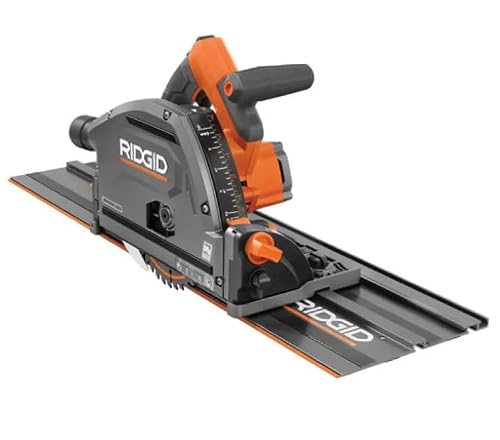
A track saw is a portable guide-rail cutting system. A table saw is a fixed blade-and-fence system. For sheet goods, the first excels at taking a full 4×8 panel down to manageable parts, while the second excels at repeatable rip work, dadoes, and shop-based production.
Core cutting difference
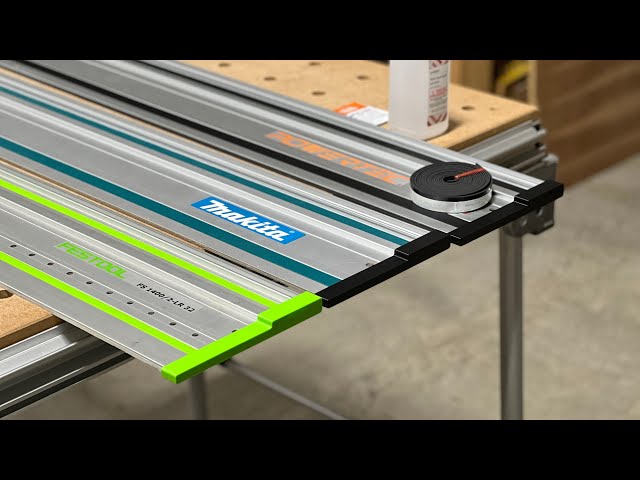
The track saw uses a guide rail to help set the cut line. The rail length matters because it limits how long a clean cut you can make without repositioning. A table saw uses a rip fence, which is slower to set at first but fast for identical widths once locked in.
What each tool does best with sheet goods
Track saws are the better choice for plywood and other sheet goods, especially in small shops and on jobsites. Table saws are often better for repeated rip cuts and dados, and they generally need more floor space and outfeed support.
📊 Wikipedia notes benchtop table saws are the least expensive, typically costing $100-$200. Source: Table saw.
Is a track saw better than a table saw for sheet goods?
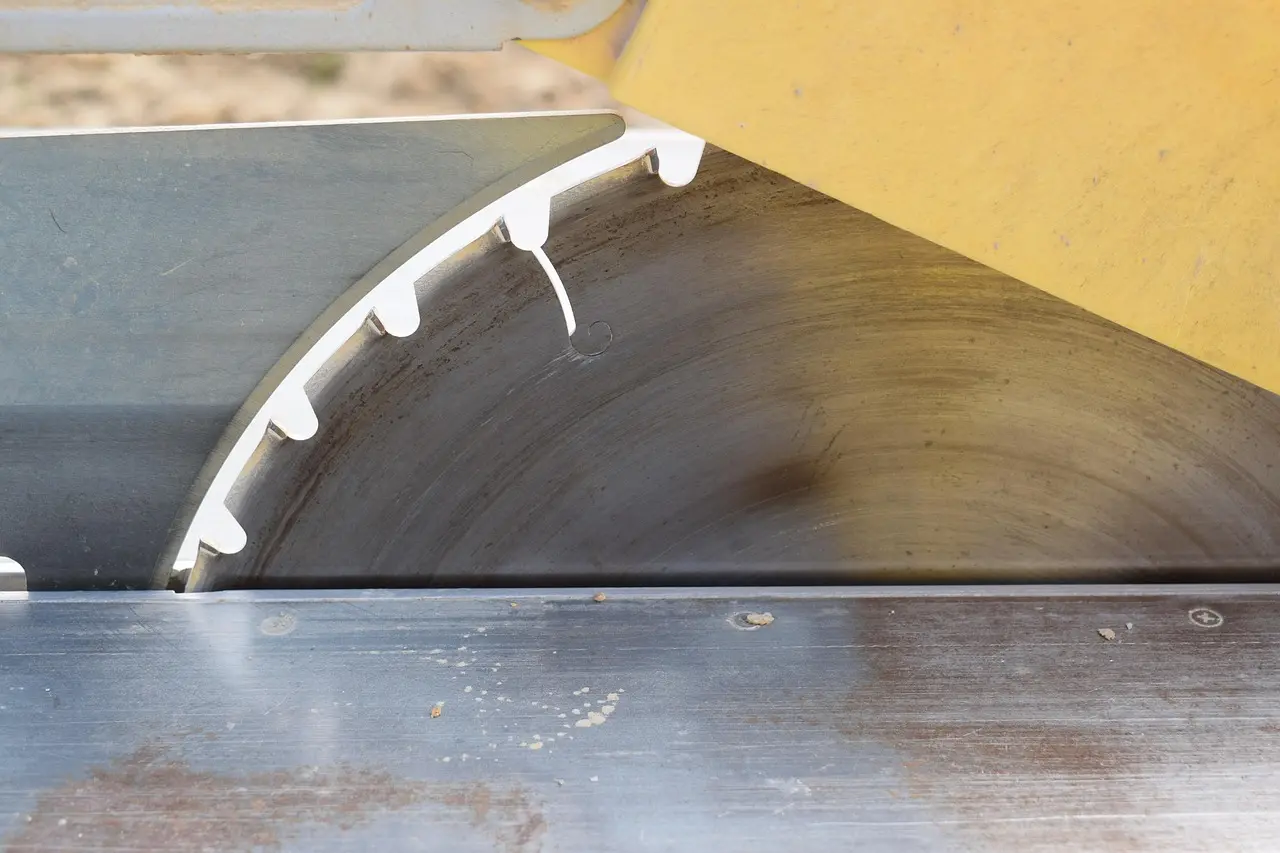
For breaking down full sheets, yes. For repeat-width production, no. A track saw is often the better first step when you need to cut 4×8 plywood, MDF, or melamine on the floor, especially if the sheet is awkward to lift onto a saw by yourself.
Full-sheet breakdown and solo handling
Track saws are built for cutting full panels flat on the floor, which reduces lifting and tipping. That matters when a sheet is warped, oversized, or too heavy to steer safely onto a table saw alone. A common first-timer mistake is trying to muscle a full MDF sheet onto a compact saw table; the cut line drifts, and the panel starts to bind.
Rail length, setup time, and cut planning
The tradeoff is setup. Each cut needs rail placement, so the workflow is slower than setting a fence once and making many cuts. Rail length also affects the plan: short rails are easier to store, but long panels may need repositioning or an extension system.
Where track saw edge quality comes
Edge quality is not just about the saw body. Blade quality, rail alignment, and panel support all matter on plywood, MDF, and melamine. A good splinter strip or anti-splinter edge on the rail helps the top veneer, but poor support can still chip the exit edge or pinch the cut.
When does a table saw make more sense?
A table saw makes more sense when the job includes repeat rip cuts, narrow strips, and joinery. It is also the right tool when you need a dado blade set on a compatible model, because a track saw cannot do dado cuts in this comparison.
Repeated rip cuts and identical strips
A rip fence is critical here. Once it is set accurately, a table saw makes identical cuts faster than a track saw, especially for long runs of the same width. That speed matters in cabinet parts, face-frame stock, and trim production where every strip must match.
Fence quality and repeatability
Fence quality drives the result. A rigid fence with reliable locking gives repeatable widths; a weak fence can drift and ruin a batch. This is where a table saw shifts from “cutting tool” to “production station.”
Dados, grooves, and joinery
Table saws are better for dados and grooves, and the comparison table shows why. On compatible models, a dado blade set turns the saw into a joinery tool that a track saw cannot replace. If your parts need shelves, cabinet bottoms, or housing cuts, that matters more than rail portability.
Safety and handling differences
Safety tradeoffs are practical, not abstract. Table saws carry a major kickback risk if stock twists, pinches, or loses fence control, while many track saw systems include anti-kickback features and are less likely to throw the workpiece because the cut is supported against the rail.
Kickback risk on table saws
Kickback risk rises when narrow stock binds, the fence is out of square, or the offcut falls into the blade path. Outfeed support also matters with sheet goods; without it, the panel can tip as it leaves the table and bind at the blade. That is one reason large panels feel less forgiving on a table saw.
Anti-kickback features on track saws
Track saws usually control the cut line with a guide rail and a splinter strip, which reduces wandering. Many systems also use blade shrouds and plunge action that keep the cut more contained. That does not remove risk, but it changes the failure mode from kickback toward layout error.
Outfeed support and workpiece control
Outfeed support is not optional for sheet-goods work on a table saw. It keeps the cut flat, reduces tipping, and lowers binding risk. If you cannot provide infeed and outfeed space, a track saw often becomes the safer workflow because the panel stays on the floor.
Which saw pays off first?
| Use case | Track Saw | Table Saw | Winner |
|---|---|---|---|
| Full-sheet breakdown | 5 — Built for 4×8 panels on the floor. | 2 — Possible, but handling is awkward alone. | Track Saw |
| Repeated rips | 2, Rail setup slows a batch. | 5, Fence makes identical widths fast. | Table Saw |
| Narrow rips | 2, Offcuts get harder to control. | 5, Fence control is better for thin strips. | Table Saw |
| Crosscuts | 4, Strong with a long rail. | 4, Good if the stock is supported well. | Tie |
| Dados | 1, Not part of this workflow. | 5, Works with a dado blade set on compatible models. | Table Saw |
| Portability | 5, Easy to move and store flat. | 2, Fixed station needs transport and setup space. | Track Saw |
| Storage | 5, Rails and saw take little space. | 2, Needs a dedicated footprint. | Track Saw |
| Solo handling | 5, Better when one person handles the sheet. | 2, Large panels are harder to control alone. | Track Saw |
Reading the ratings
A 5 means the tool fits the task with little friction. A 1 means the workflow breaks down or needs another tool to finish safely. This matrix favors the way the task is handled, not the raw cut line alone.
Choose Track Saw if… / Choose Table Saw if…
Choose a Track Saw if you break down 4×8 panels first, work in a small shop or jobsite setting, or need to move the tool often. Choose a Table Saw if your work depends on repeated rip cuts, narrow strips, dados, and a fixed cutting station with infeed and outfeed support.
Choose Track Saw if…
- You handle full sheets alone and need to keep them flat on the floor.
- You need a tool that stores flat and travels well.
- You cut plywood, MDF, or melamine in layout-driven batches rather than long runs of identical strips.
- You want a first saw for sheet-goods breakdown before building a larger shop setup.
Choose Table Saw if…
- You make repeated rip cuts of the same width.
- You need dados, grooves, or joinery on compatible models with a dado blade set.
- You have room for infeed and outfeed support.
- You want a fixed station for production-style cabinet or furniture work.
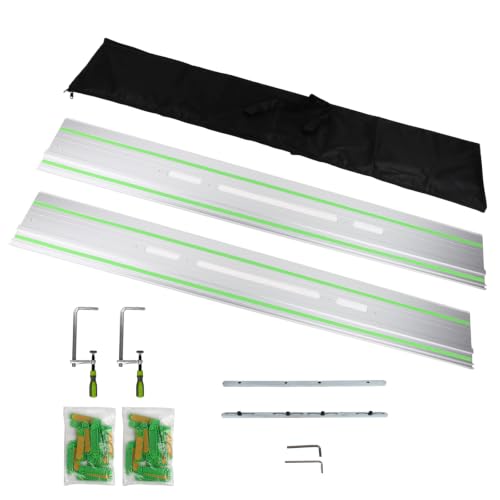
Track saw vs table saw vs circular saw
For sheet goods, a circular saw is the least controlled of the three because it lacks a dedicated rail system. A track saw is the cleaner way to get guided cuts from a portable tool, while a table saw is the better fixed station for repeat widths and joinery. If you already own a circular saw, a track rail can move you closer to a sheet-goods workflow without buying a full table saw immediately.
Buying paths that make sense
The most practical path is often not an either-or purchase. Many shops end up with both tools, because a track saw handles breakdown while a table saw handles repeat milling. Track saw plus a small jobsite saw is a common hybrid when space is tight; one full-size table saw makes more sense when the shop can support it and the work is mostly repetitive.
Trim carpenters and remodelers
Trim carpenters and remodelers usually benefit from the Track Saw first. The tool travels well, stores flat, and handles cabinet backs, shelving stock, and subparts without asking for a full shop footprint. A small jobsite table saw can follow later if the work shifts toward repetitive trim stock.
Cabinetmakers and garage-shop woodworkers
Cabinetmakers usually get more value from the Table Saw first if the shop can support it. Garage-shop woodworkers with limited floor space may get more from the Track Saw first, especially if the main task is breaking down plywood and sheet goods before assembly.
Suppose your only open space is a single-car garage. Suppose your only open space is a single-car garage with a car that returns every night. A track saw fits that workflow better because you can store the saw and rails flat, then cut panels on the floor without leaving a permanent infeed lane open. A table saw would compete for the same floor area.
Can a track saw replace a table saw?
Only partly. A track saw can replace a table saw for panel breakdown, many crosscuts, and a lot of jobsite work, but it cannot replace a table saw for dadoes, long repetitive rip runs, or a permanent rip station. If your work stays in those limits, a track saw can carry the job for a long time.
Where the answer is yes
Yes, if your workflow is mostly sheet breakdown, occasional trimming, and portable setup. In that case, the track saw gives you accurate cuts without demanding extra floor space or outfeed stands. For many remodelers, that is enough.
Where the answer is no
No, if you cut the same widths over and over, build casework with dados, or need a fence-driven station for production. Once repeatability and joinery dominate the work, the table saw earns its footprint quickly.
When owning both tools makes sense
If you break down panels with a track saw and then process parts on a table saw, the workflow is hard to beat. That is why many shops end up with both tools: one for handling sheets, one for making the parts behave.
Frequently asked questions
Table saw vs track saw for sheet goods
For sheet goods, the right pick depends on the first cut you need to make. If you are breaking down 4×8 plywood, MDF, or melamine, a track saw is usually the better first tool. If the job turns into repeated strips, a table saw takes over faster once the fence is set.
Is a track saw better than a table saw?
A track saw is better for panel breakdown, portability, and small spaces. A table saw is better for repeat rips, dados, and fixed-station work. The better tool is the one that removes the most handling and setup from your actual job.
Track saw vs table saw safety
Track saw safety is shaped by floor support, rail placement, and blade control. Table saw safety demands more attention to kickback risk, fence alignment, and outfeed support. Neither tool is “safe” by default; the safer choice is the one that matches the stock size and support you can actually provide.
Track saw vs table saw vs circular saw: a circular saw
A circular saw is the most flexible but least guided option here. A track saw adds a rail and anti-splinter edge for cleaner sheet-goods cuts. A table saw wins when the task shifts from breakdown to repeatable rip work and joinery.
Track saw vs table saw
Think workflow, not prestige. Track saws are best for full-sheet breakdown, jobsite work, and storage-limited shops. Table saws are best for repeated rip cuts, narrow strips, dados, and any setup where fence repeatability matters more than portability.
Can a track saw replace a table saw: it can replace part?
It can replace part of what a table saw does, but not all of it. If you need dados, grooves, or a long run of identical rips, the table saw still earns its place. If your work is mostly plywood breakdown and on-site cutting, a track saw can carry a surprising amount of the load.
Sponsored / affiliate links. As an Amazon Associate I earn from qualifying purchases. I may earn additional commission from eligible campaigns.