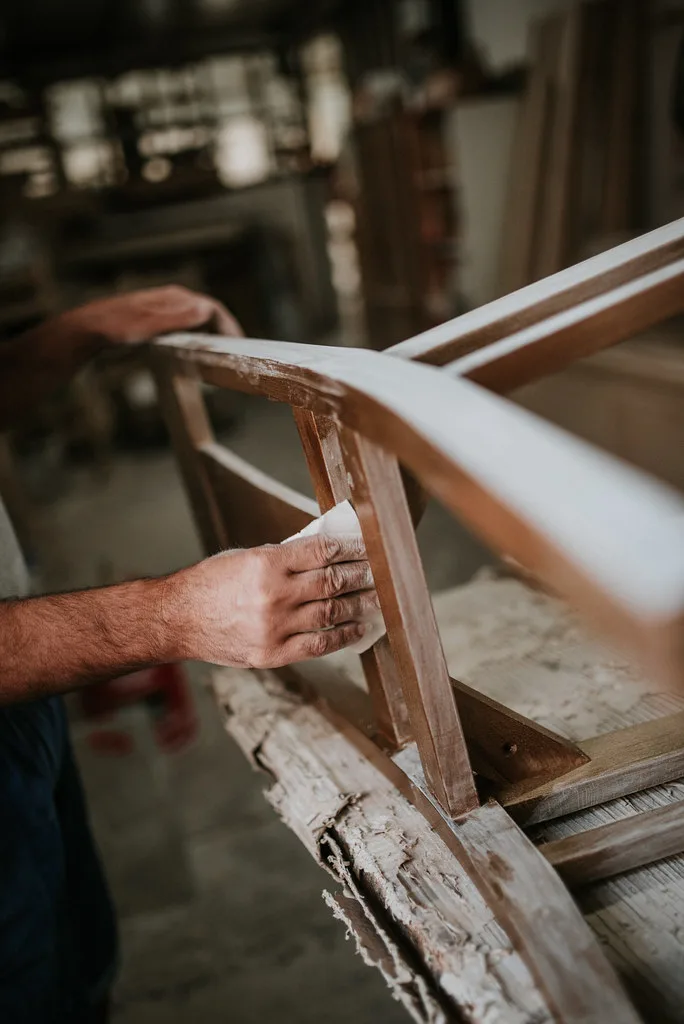
Best Table Saws for a Small Home Workshop (2026): we compared
The best table saw for a small home workshop is usually a compact jobsite or contractor-style saw with a 27- to 30-inch rip capacity, a folding or mobile base, and outfeed support that fits your cut list. A saw that is too large eats floor space and slows setup. A saw that is too small can force cramped cuts. This guide compares the best table saw choices by footprint, fence travel, stand design, and workflow fit.
This guide is part of our Power tool comparisons and buying guide series.
Quick comparison
| Product | Badge | Best for | Price | ||
|---|---|---|---|---|---|
 |
SKIL 15 Amp 8-1/4-Inch Compact Portable Jobsite Table SawSkil | Our pick | 8-1/4-Inch · 15 Amp · Compact | $226.59
Price as of 9 Oct 2026
|
View |
 |
N638742 5140135-98 Table Saw Fence OEM Replacement forOXParts | Pair with it | OEM Fence · DeWalt Type 3/10 | $119.00
Price as of 9 Oct 2026
|
View |
 |
SawStop Table Saw Safety Bundle – Brake Cartridge, InsertSawStop | Upgrade pick | 10-Inch · Skin-Contact Brake · Safety | $194.00
Price as of 9 Oct 2026
|
View |
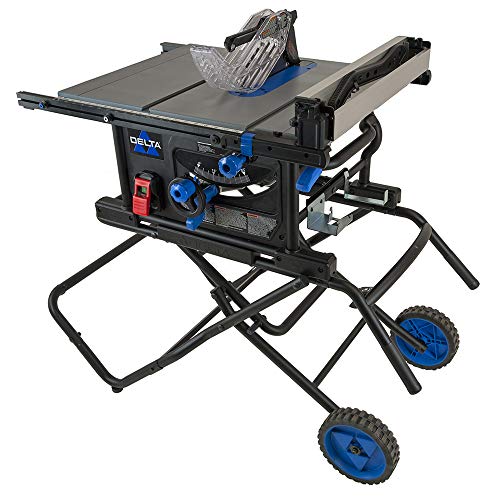 |
Delta 36-6023 10 Inch Table Saw with 32.5 Inch Rip CapacityDelta | Also great | 10-Inch · 32.5-Inch Rip · 15 Amp | $499.99
Price as of 9 Oct 2026
|
View |
For the tightest garages, the smallest footprint and easiest daily move-in, move-out routine matter more than raw size. For wider panel work and cabinet parts, higher rip capacity and a steadier stand win, even if the saw takes more room.
📊 Cabinet table saws often require 220v power supplies. Source: Best Table Saw for Your Garage, Job Site, or Workshop.
How we chose
The deciding factors here are footprint, rip capacity, stand style, dust control, and how much setup or teardown the saw adds to a normal workday. A small shop needs more than power. It needs a saw that fits the room, the storage plan, and the cut list.
We also weighed fence accuracy, because a fence that shifts or needs repeated resets wastes time. Finally, we looked at whether each saw makes sense for enclosed garages, shared spaces, and users who need to move the saw out of the way after each session.

SKIL TS6308-00: best for the tightest portable setup
This SKIL jobsite saw suits a small garage where floor space changes by the hour. It uses a 15 amp motor, a compact portable format, and rack-and-pinion rails that keep the fence parallel during adjustment. The 24.5-inch right rip capacity is enough for many sheet goods and framing tasks without moving into a larger saw class.
Its strongest advantage is workflow. The compact size makes transport and storage easier, which matters if you need to park a car in the same bay or clear the floor after each session. The drawback is that the smaller blade format and reduced overall mass make it less forgiving for wide cabinet parts and long, heavy rips.
Delta 36-6023: best for small shops that need more rip capacity
This Delta is aimed at the woodworker who has a real shop, not just a corner. Its 10-inch table saw format and 32.5-inch rip capacity give you more room for plywood breakdown and wider cabinet parts than a compact portable saw. The rack and pinion fence is a practical fit for small-shop accuracy.
It stands out because it reaches farther without moving into full cabinet-saw bulk. The tradeoff is footprint: a saw with this much rip travel asks for more infeed and outfeed planning, plus a more permanent place in the room. If your garage doubles as storage, the extra width can become the problem.
SKIL TS6307-00: best budget choice for beginners
This SKIL model is the kind of saw that fits a first serious workshop better than an oversized machine does. It uses a 15-amp motor and a 10-inch blade, and it adds onboard storage for accessories that helps keep the daily setup simple. The bevel adjustment runs from 0 to 45 degrees, which covers a lot of common home-shop cuts.
It is recommended for budget-conscious beginners because it keeps the core features in the right place. The drawback is that compact, affordable saws usually give up table mass, fence refinement, and capacity compared with larger contractor or cabinet machines. It is a better starter than a final destination for demanding cabinet work.
SawStop Table Saw Safety Bundle: best for adding safety hardware
This bundle is for the woodworker who already has a compatible saw and wants a stronger safety package. It includes a brake cartridge, insert, and accessories, with a skin-contact brake and a phenolic core insert that help support precision fit. The bundle is most relevant where safety hardware is a priority in a compact shop.
The clear advantage is added protection on a machine that may live in a garage with family traffic. The drawback is obvious: this is not a complete saw, so it does not solve footprint, fence travel, dust control, or storage by itself. It is an upgrade path, not a replacement strategy.
Which one should you buy
If your garage is very tight and the saw must roll away after each use, start with the SKIL TS6308-00. If you need more rip capacity for plywood or wider casework, the Delta 36-6023 is the better fit. If you are on a tighter budget and want a basic, compact saw for learning joinery and trim work, the SKIL TS6307-00 makes sense.
If safety hardware is the main concern and you already own a compatible saw, the SawStop bundle is the upgrade that changes behavior at the blade. A common first-timer mistake is buying more table saw than the room can support, then discovering that every setup requires moving clamps, lumber, and a car to get one safe rip.
What is the best table saw for a small home workshop?
The best table saw for a small home workshop is usually a jobsite saw with a good fence, manageable rip capacity, and a stand that moves easily. A benchtop saw can work in an even tighter space, while a cabinet saw is usually only a fit when you have room, 220v power, and a more permanent layout.
Jobsite saw: best all-around fit for many garages
A jobsite saw is built to be light and portable, which makes it a strong match for a garage that has to do double duty. Many use rack-and-pinion fence systems, a 15-amp motor, and a 10-inch blade, so they cover most home-shop tasks without the size penalty of a full cabinet machine.
Benchtop saw: best for the tightest spaces
A benchtop saw is ideal for limited space and is usually more affordable. It fits a very small shop, but you give up table mass, fence refinement, and often rip travel. That makes it suitable for trim, light furniture work, and occasional cuts, not for long sessions of sheet-good breakdown.
Cabinet saw: best when you have room and 220V power
A cabinet saw often needs 220v power supplies, has a cast iron table, and is often too large for small spaces. If your workshop is permanent and your work leans toward furniture or repeated cabinet builds, the precision and stability can be worth the footprint. In a cramped garage, it usually creates more problems than it solves.
What should you look for in a table saw?
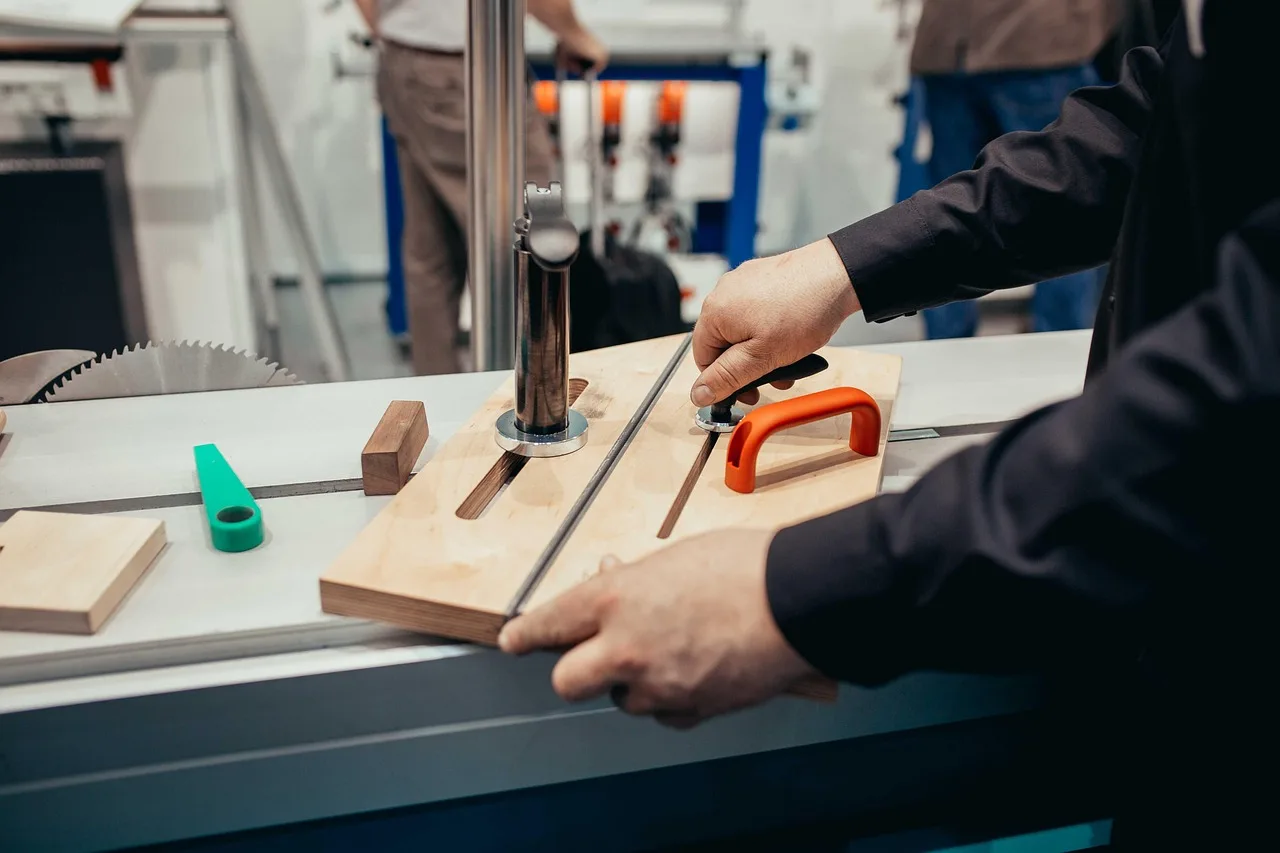
Start with the saw’s footprint, then look at rip capacity, fence quality, dust control, and how the saw stores or moves. Those features shape the daily experience far more than a spec sheet’s peak power claim. A saw that fits your space and cut list is the right saw.
Footprint and storage footprint
Measure the floor area the saw needs while parked and while cutting. Then add room for infeed, outfeed, and walking space around the table. A saw that looks compact online can still dominate a one-car garage once you account for lumber handling and the stand.
Rip capacity versus shop space
Rip capacity is the distance from blade to fence at maximum extension. A 32-1/2-inch example gives you more room for plywood and wide cabinet parts, but it also signals a wider saw body and more fence travel. Bigger capacity helps only if the room can support the longer work envelope.
Setup, teardown, and mobility
For small shops, daily friction matters. A folding stand is quick to collapse and store. A rolling stand makes sense when the saw stays in one area but still needs to move. Bench placement can work for benchtop saws, though it often asks for more setup time and more careful support.
Dust control and safety hardware
Small enclosed shops need better dust control than open driveways do. Look for shop vac compatibility, a sensible dust port layout, and onboard storage for the blade guard, riving knife, and push stick. Tool-free changes can save time, but the basic safety package should still be easy to reinstall after each adjustment.
Jobsite saw: best for most small garages
A jobsite saw is usually the best table saw for a small home workshop because it balances portability, rip capacity, and fence accuracy better than the other categories. The common 15-amp, 10-inch format handles hardwood and plywood tasks well enough for many hobbyists, while the rolling or folding stand reduces setup friction.
Why the 15-amp, 10-inch format works
Most table saws use a 10-inch blade, and that size is the standard because it gives a practical cutting depth for home-shop work. A 15-amp motor is the common corded choice for many garage tasks, especially when you are breaking down plywood, trimming hardwood, or cutting joinery in moderate volumes.
Why the fence and stand matter
Jobsite saws commonly use rack-and-pinion fence systems, and that is useful because the fence moves quickly while staying aligned. In a small shop, that saves time and reduces setup errors. A folding stand helps if the saw must be stored after each session; a rolling stand helps if it can remain set up nearby.
Where this category starts to feel cramped
The compromise appears when you work with large cabinet sides or long sheet goods. A compact saw can do the job, but you may need more support tables, more staging room, and more patience. If your workflow regularly involves full panels, the savings in footprint may not offset the lost ease of use.
Benchtop saw: best for the smallest footprint
A benchtop saw is the smallest practical path into table saw work, and it can be the right answer when floor space is extremely limited. It is more affordable and easier to store than larger formats, but stability and capacity are the tradeoffs. For light, careful work, that trade can still make sense.
What you give up in rip capacity and stability
Benchtop saws usually have basic rip fences and simpler miter gauges, which means you may spend more time checking alignment. They also tend to move more during cutting if the support surface is not firm. That matters when you are trying to make repeatable cuts for furniture parts.
When a basic fence and miter gauge are enough
If your projects stay small, a simpler fence and miter gauge can still be usable. Picture a shelf, a few face-frame parts, or narrow trim cuts on a Saturday morning. In that setting, a compact saw can be a sensible tool, especially if storage space is the real limit.
The kinds of projects it handles well
Benchtop saws suit light home-shop tasks, small repairs, and occasional project work. They are less comfortable with wide plywood, repeated cabinet breakdown, or long hardwood rips. If the saw will be a secondary tool rather than the main cutting station, the category makes more sense.
Cabinet saw: best for larger small shops
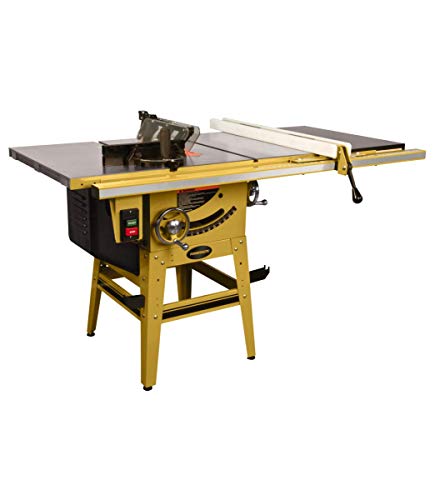
A cabinet saw is the right answer only when a small shop is still a real shop, with room for a permanent machine and 220v power. The cast iron table adds stability, and the heavier construction helps with fine woodworking precision. The problem is that the size can overwhelm a garage built around other uses.
Why 220V and cast iron change the experience
Cabinet table saws often require 220v power supplies, which changes the electrical planning before the saw is even moved in. Their cast iron table supports smoother handling of stock and more consistent cuts. That can matter if you build furniture often, but it is more saw than many home garages need.
When the larger footprint is worth it
If your projects involve wide panels, repeated cabinet builds, or fine joinery, the added mass and capacity can be worth the space. You get a more stable platform and a more permanent workstation. That pays off when the shop is organized around the saw rather than around storage and vehicle parking.
Why this is usually too much saw for a true squeeze-space garage
Cabinet saws are often too large for small spaces. Once you add infeed and outfeed clearance, blade access, and dust collection routing, the room starts to feel tight fast. In a cramped garage, the better decision is often a smaller saw plus thoughtful support stands and storage.
How should you decide by space and workflow?
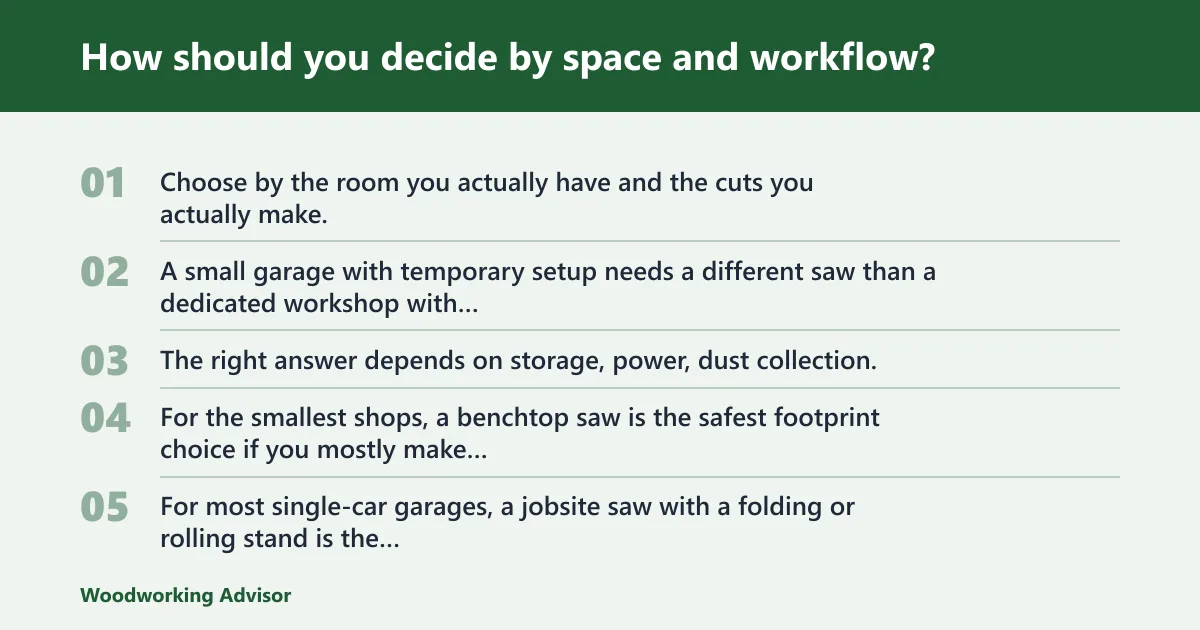
Choose by the room you actually have and the cuts you actually make. A small garage with temporary setup needs a different saw than a dedicated workshop with permanent benches. The right answer depends on storage, power, dust collection, and whether you can leave the saw assembled between sessions.
Recommended shop size by saw type
For the smallest shops, a benchtop saw is the safest footprint choice if you mostly make short cuts. For most single-car garages, a jobsite saw with a folding or rolling stand is the practical sweet spot. For larger small shops with permanent layouts, a cabinet saw becomes more reasonable.
How much rip capacity you need
If you mostly cut narrow parts, a modest rip capacity may be enough. If you work with plywood, cabinet sides, or wide face-frame stock, aim higher. The point is not to buy the largest number; it is to avoid having to force sheet goods through a saw that cannot support them cleanly.
Corded versus cordless for garage use
For a garage workshop, corded usually makes more sense than cordless because runtime and power delivery stay consistent. Cordless saws can help on a job site or outside, but a home shop usually benefits more from uninterrupted cutting and simpler power planning. A corded 15-amp saw is still the standard choice for many small shops.
Dust collection and storage checks before you buy
Check whether the dust port works well with a shop vac and whether the fence, guard, riving knife, and push stick have a place on the saw itself. Small shops get cluttered fast. Onboard storage is not a minor convenience; it can be the difference between a quick setup and a messy one.
Suppose your garage is 11 by 20 feet and one wall still holds bicycles and shelving. In that space, a rolling jobsite saw with a compact footprint may be easier to live with than a larger machine, even if the bigger saw looks more capable on paper. The real limit is often the floor plan, not the motor.
A common first-timer mistake is buying for occasional maximum cuts instead of daily use. If the saw must be unfolded, squared, connected to dust collection, and cleared away every time, a “better” saw can become the one that gets used less.
Frequently asked questions
What is the best table saw for a small home workshop?
The best choice is usually a compact jobsite saw with a rack-and-pinion fence, a folding or rolling stand, and enough rip capacity for your most common cuts. If you have almost no spare floor space, a benchtop saw can work. If you have room and 220v power, a cabinet saw is the upgrade path.
Is a jobsite table saw good for a home workshop?
Yes. A jobsite table saw is often the best fit for a home workshop because it balances portability, accuracy, and storage needs. The 15-amp, 10-inch format is strong enough for many home tasks, and the folding or rolling stand helps when the same space has to serve other purposes.
How much rip capacity do I need for a small shop?
For simple trim and narrow stock, you do not need the largest rip capacity available. For plywood and cabinet parts, a wider fence travel range helps a lot. A 32-1/2-inch example is useful because it supports wider workpieces, but it also needs more shop space around the saw.
Should I buy a cordless or corded table saw for my garage?
Corded usually makes more sense in a garage workshop. It gives steadier power delivery, no battery management, and better value for repeated use. Cordless saws are handy for mobile work, but a fixed home shop usually benefits more from a plug-in saw that is always ready to run.
What features matter most in a compact table saw?
The most important features are a fence that stays aligned, a stand that fits your storage routine, dust collection that can connect to a shop vac, and onboard places for the guard and riving knife. Those details affect daily use more than a long feature list does.
Can a benchtop table saw handle cabinet and furniture work?
It can handle some furniture work, especially small parts and light joinery, but it is not ideal for large cabinet pieces or repeated plywood breakdown. The limited rip capacity and lighter build become more noticeable as the work gets wider, heavier, or more exacting.
What size table saw blade should I buy for a home workshop?
Most table saws use a 10-inch blade, and that is the standard size for home-shop work. It offers a practical balance of cutting depth and availability. Smaller blades may fit special saws, but a 10-inch blade is the normal starting point for most buyers.
Sponsored / affiliate links. As an Amazon Associate I earn from qualifying purchases. I may earn additional commission from eligible campaigns.