The Ultimate Guide to Choosing the Best Vacuum Cleaner for Hardwood Floors
Hey there! If you’re like me, you take pride in your beautiful hardwood floors. They add warmth and elegance to any home, but keeping them spotless and scratch-free can feel like a full-time job. I’ve spent years testing and researching vacuum cleaners to find the perfect one for hardwood floors, and let me tell you, not all vacuums are created equal. Whether you’re dealing with pet hair, dust, or those sneaky crumbs that seem to appear out of nowhere, choosing the right vacuum cleaner for hardwood floors can make all the difference. In this guide, I’m sharing everything I’ve learned—think of it as a friendly chat over coffee, where I walk you through the ins and outs of picking a vacuum that keeps your floors gleaming without causing damage. Let’s dive in!
Why Hardwood Floors Need Special Care
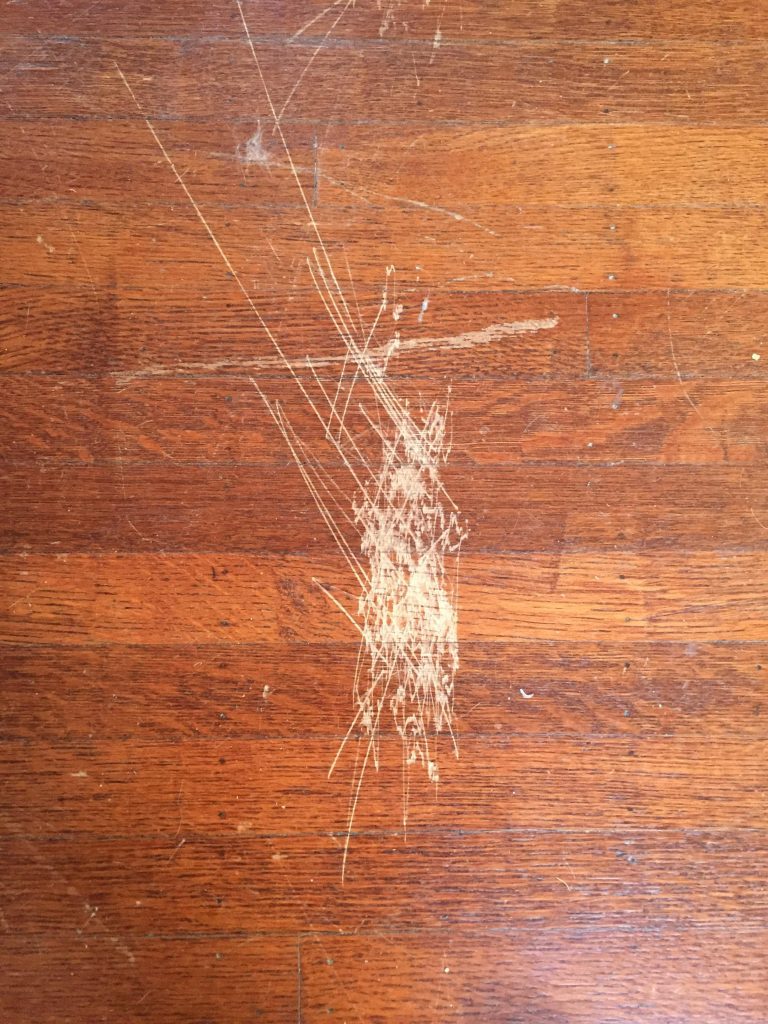
I’ll be honest—when I first got hardwood floors, I thought any vacuum would do the job. Big mistake! Hardwood floors are delicate. They can scratch easily, and using the wrong vacuum can dull their shine or even cause permanent damage. Unlike carpets, which can hide dirt, hardwood shows every speck of dust and every scuff mark. That’s why you need a vacuum designed to be gentle yet effective.
Hardwood floors often have a protective finish, like polyurethane or oil-based sealers, but even these can wear down over time if you’re not careful. A vacuum with a spinning brush roll, for example, can be too aggressive, leaving scratches or swirl marks. I learned this the hard way when I used my old upright vacuum and noticed tiny scratches on my oak floors. Ouch! That’s when I started paying attention to features like soft bristles, adjustable suction, and hardwood-specific attachments. A good vacuum for hardwood floors should lift dirt and debris without harming the surface. It’s like choosing the right tool for a woodworking project—precision matters.
Key Features to Look for in a Vacuum for Hardwood Floors
When I started my search for the perfect vacuum, I was overwhelmed by the options. Cordless or corded? Canister or stick? Robot or upright? To make it easier, I’ve broken down the must-have features that make a vacuum ideal for hardwood floors. Here’s what you should keep an eye out for:
- Soft Brush Rolls or No Brush Roll: The brush roll is that spinning part under the vacuum. For hardwood, you want one with soft bristles or the ability to turn it off completely. This prevents scratches and ensures the vacuum glides smoothly. I love vacuums with a “bare floor” setting—it’s a game-changer.
- Adjustable Suction Power: Too much suction can pull debris across the floor, causing scratches. Adjustable suction lets you dial it down for hardwood but crank it up for rugs. I’ve found this feature super handy in homes with mixed flooring.
- Lightweight and Maneuverable Design: Hardwood floors often have furniture to navigate around. A heavy vacuum can be a hassle, and if it’s too bulky, you might accidentally bump into your baseboards. I prefer lightweight models that feel like an extension of my arm.
- High-Quality Filtration: Dust and allergens can settle on hardwood floors, especially if you have pets or kids. A vacuum with a HEPA filter traps tiny particles, keeping your air clean. I noticed a big difference in my home’s air quality after switching to a HEPA-equipped model.
- Attachments for Crevices and Corners: Hardwood floors have cracks and crevices where dirt loves to hide. Look for vacuums with crevice tools or dusting brushes. These are lifesavers for getting into tight spaces, like between floorboards or along baseboards.
- Corded vs. Cordless: Corded vacuums offer consistent power, but cordless ones give you freedom to move. I’ve used both, and it really depends on your home’s size. For my small apartment, a cordless stick vacuum is perfect. For larger homes, a corded canister might be better.
Here’s a quick table to sum up the key features:
| Feature | Why It Matters for Hardwood Floors |
|---|---|
| Soft or No Brush Roll | Prevents scratches and swirl marks |
| Adjustable Suction | Gentle cleaning for delicate surfaces |
| Lightweight Design | Easy to maneuver around furniture |
| HEPA Filtration | Traps dust and allergens for cleaner air |
| Crevice/Dusting Tools | Reaches tight spaces and cracks |
| Corded/Cordless | Depends on home size and cleaning needs |
Types of Vacuums for Hardwood Floors
Over the years, I’ve tried every type of vacuum imaginable. Each has its pros and cons, so let’s break them down to help you decide which one fits your lifestyle.
Canister Vacuums
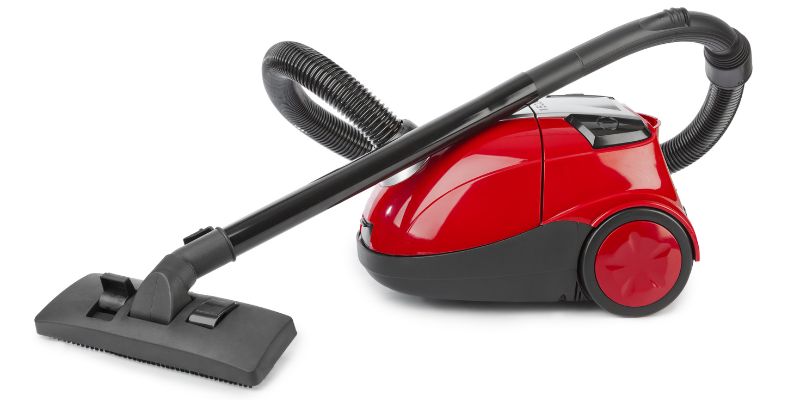
Canister vacuums are my go-to for hardwood floors. They’re versatile, powerful, and gentle. The cleaning head is separate from the motor, so you’re not dragging a heavy unit across your floors. I love how easy they are to maneuver under furniture. Many come with a parquet brush—a long, oval attachment with soft bristles designed specifically for hardwood. My only gripe? They can be bulky to store, especially in a small space.
Stick Vacuums
Stick vacuums are lightweight and perfect for quick cleanups. I grabbed a cordless stick vacuum when I moved into my current place, and it’s been a lifesaver for daily messes. They’re great for small homes or apartments, but the dustbin is often tiny, so you’ll need to empty it frequently. Also, battery life can be a limitation for larger homes. Still, the convenience is hard to beat.
Upright Vacuums
Upright vacuums are powerful, but they’re not always the best for hardwood. Many have aggressive brush rolls that can scratch. However, some models let you turn off the brush roll or switch to a hard-floor mode. I’ve used an upright in homes with mixed flooring (hardwood and rugs), and it worked well as long as I adjusted the settings. They’re heavier, though, so they’re not my first choice.
Robot Vacuums
Robot vacuums are like little helpers that clean while you sip your coffee. I was skeptical at first, but after trying one, I’m hooked. They’re great for maintenance cleaning, especially if you have pets that shed. Look for models with a “no-brush” mode or soft rollers to avoid scratching. The downside? They’re not as thorough as manual vacuums, and you’ll still need to empty the dustbin regularly.
Vacuum-Mop Combos
These are the Swiss Army knives of cleaning. They vacuum and mop at the same time, which is perfect for hardwood floors with sticky spills. I’ve tested a few, and they’re amazing for quick refreshes. Just be careful—too much water can damage unsealed hardwood. Always check your floor’s finish before using one.
Top Vacuum Recommendations for Hardwood Floors
After testing dozens of vacuums, I’ve narrowed down my favorites. These models stand out for their performance, durability, and hardwood-friendly features. Here’s my shortlist, based on hands-on experience:
- Miele Classic C1 Pure Suction: This canister vacuum is a beast. It has a switchable brush roll, so I can turn it off for hardwood and on for rugs. The parquet brush glides like a dream, and the suction is powerful yet gentle. It’s a bit pricey, but it’s built to last.
- Dyson V12 Detect Slim: This cordless stick vacuum is lightweight and packed with tech. The Laser Slim Fluffy head highlights dust (which is oddly satisfying), and the soft roller is perfect for hardwood. The dustbin is small, so I empty it often, but the maneuverability makes up for it.
- Bissell CrossWave HydroSteam: For those who want a vacuum-mop combo, this one’s a winner. It vacuums and mops in one pass, leaving my floors sparkling. Just be sure your floors are sealed before using the mop function.
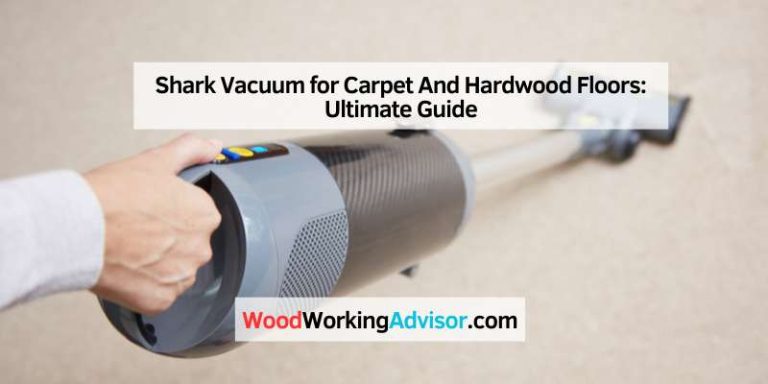
- Shark PowerDetect: This upright vacuum has a soft brush roll and adjustable suction, making it versatile for hardwood and carpets. It’s heavier than a stick vacuum but great for larger homes.
- Roborock S8+: This robot vacuum is smart and gentle on hardwood. It has strong suction and a soft roller, plus it maps your home for efficient cleaning. I set it to run daily, and my floors stay dust-free.
How to Vacuum Hardwood Floors Without Damage
I’ve made plenty of mistakes vacuuming my hardwood floors, so let me save you some trouble. Here are my top tips for keeping your floors pristine:
- Pick Up Large Debris First: Before vacuuming, grab any big items like cereal or pet toys. This prevents them from getting caught in the vacuum and scratching the floor.
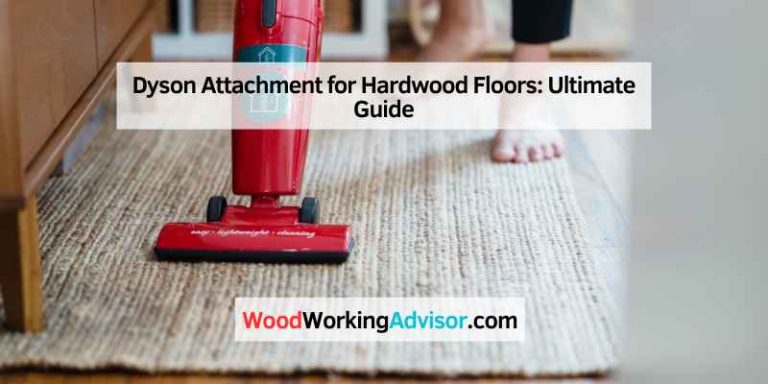
- Use the Right Attachment: Always use a hardwood-specific attachment, like a parquet brush or soft roller. I keep my crevice tool handy for corners and baseboards.
- Vacuum Weekly: Dust builds up fast on hardwood, and it can wear down the finish over time. I vacuum once a week to keep things under control.
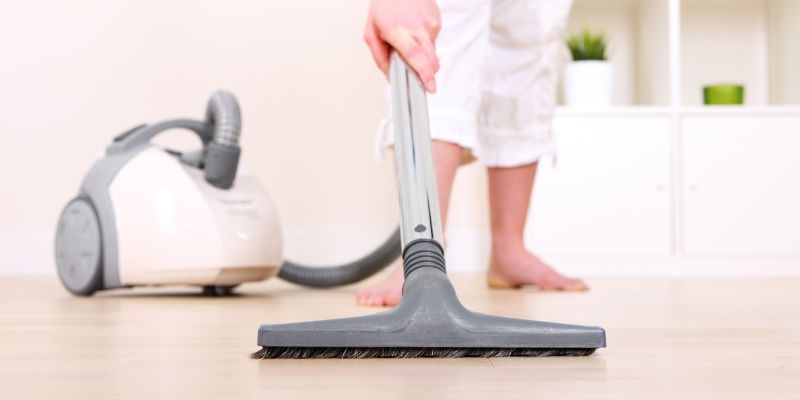
- Turn Off the Beater Bar: If your vacuum has a spinning brush roll, turn it off. I learned this after seeing swirl marks on my floors—never again!
- Clean the Vacuum Regularly: A dirty vacuum can spread debris or lose suction. I clean my filters and empty the dustbin after every use.
- Check Your Floor’s Finish: If your floors are unsealed, avoid vacuum-mop combos. Too much moisture can warp the wood. I always double-check with my flooring manufacturer’s guidelines.
Maintaining Your Hardwood Floors Beyond Vacuuming
A vacuum is just one part of the equation. To keep your hardwood floors looking like new, you need a little extra TLC. Here’s what I do to maintain mine:
- Sweep or Dust Mop First: I use a microfiber dust mop before vacuuming to catch loose dirt. It’s quick and reduces wear on my vacuum.
- Clean Spills Immediately: Liquid spills can damage hardwood, especially if it’s unsealed. I keep a microfiber cloth handy for quick cleanups.
- Use Furniture Pads: These little pads under furniture legs prevent scratches when you move things around. They’re cheap and easy to apply.
- Refinish Every 10-15 Years: Even with great care, hardwood floors need refinishing over time. I had mine refinished last year, and they look brand new.
- No Shoes Indoors: I ask everyone to take off their shoes at the door. It cuts down on dirt and grit that can scratch the floor.
Pros and Cons of Vacuuming Hardwood Floors
Vacuuming is hands-down the best way to clean hardwood floors, but it’s not perfect. Here’s a quick rundown of what I’ve found:
Pros:
- Removes dirt from cracks and crevices better than mopping.
- Faster than sweeping or mopping.
- Keeps dust and allergens at bay with HEPA filters.
- Gentle models preserve the floor’s finish.
Cons:
- The wrong vacuum can scratch or dull floors.
- Some models are pricey, especially canister or robot vacuums.
- Cordless models may have short battery life.
- Vacuum-mop combos can be risky for unsealed floors.
My Personal Journey with Hardwood Floor Vacuums
When I first moved into my home with hardwood floors, I was thrilled but clueless about maintenance. I used an old upright vacuum, thinking it would do the trick. Big mistake—those scratches still haunt me! After that, I dove into research, tested countless vacuums, and learned what works. My current favorite, the Miele Classic C1, has been a game-changer. It’s like the difference between using a dull chisel and a sharp one in woodworking—night and day. I also love my Roborock for daily touch-ups. It’s not about having the fanciest vacuum; it’s about finding one that fits your needs and protects your investment.
Wrapping It Up: Your Hardwood Floors Deserve the Best
After years of trial and error, I can say with confidence that the right vacuum cleaner for hardwood floors is worth its weight in gold. It’s not just about keeping your floors clean—it’s about preserving their beauty for years to come. Whether you go for a canister vacuum like the Miele Classic C1, a sleek stick model like the Dyson V12, or a hands-off robot like the Roborock S8+, choose one with soft bristles, adjustable suction, and hardwood-friendly features. Your floors will thank you, and you’ll spend less time worrying about scratches and more time enjoying your home’s warmth and charm.
I hope this guide has been as helpful for you as it’s been fun for me to share. If you’re ready to make your hardwood floors shine, grab a vacuum that’s up to the task and start cleaning smarter, not harder. Got questions? I’ve got answers—check out the FAQs below!
Frequently Asked Questions
Can I Use Any Vacuum on Hardwood Floors?
No, not all vacuums are safe for hardwood floors. Some have aggressive brush rolls that can scratch the surface. Look for a vacuum with a soft brush roll or a bare-floor setting. I learned this the hard way when my old vacuum left swirl marks on my floors. Always check the manufacturer’s recommendations for hardwood compatibility.
How Often Should I Vacuum My Hardwood Floors?
I vacuum my hardwood floors once a week to keep dust and dirt from building up. If you have pets or kids, you might need to vacuum more often—maybe twice a week. Regular vacuuming prevents grit from wearing down the finish, keeping your floors shiny and smooth.
Are Robot Vacuums Good for Hardwood Floors?
Yes, robot vacuums can be great for hardwood floors, especially for daily maintenance. I use a Roborock S8+, and it’s fantastic for keeping dust at bay. Just make sure the model has a soft roller or a no-brush mode to avoid scratches. They’re not perfect for deep cleaning, but they’re a huge time-saver.
Can I Use a Vacuum-Mop Combo on Hardwood Floors?
Vacuum-mop combos are awesome for sealed hardwood floors, but be cautious. Too much water can damage unsealed or poorly sealed floors. I use a Bissell CrossWave on my sealed floors, and it’s a lifesaver for sticky messes. Always check your floor’s finish and use minimal water to be safe.
What’s the Best Way to Prevent Scratches When Vacuuming?
To prevent scratches, use a vacuum with a soft brush roll or turn off the beater bar. I also recommend picking up large debris before vacuuming and using furniture pads to avoid scuffs. Check your vacuum’s wheels for trapped dirt, as that can cause scratches too. A little care goes a long way!