Water Well Drilling Cost: Full Price Breakdown 2026
The average cost to drill a water well can range from $5,000 to $15,000 or more. This includes materials, labor, permits, and specific site conditions. Prices vary widely based on depth, geology, well type, and local rates.
Understanding these factors is key to budgeting accurately.
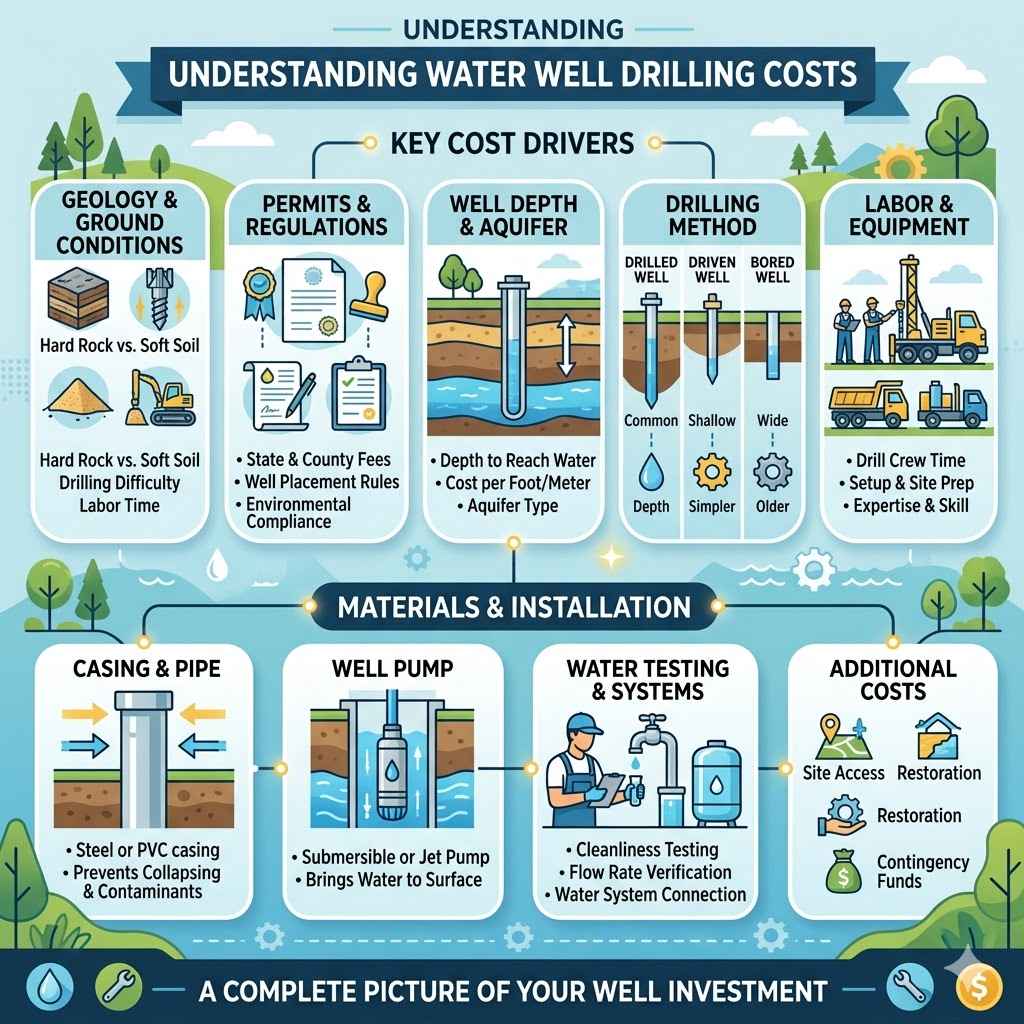
Understanding Water Well Drilling Costs
Drilling a water well is a significant investment for any home. It provides a reliable source of water. But the price tag can seem daunting.
Many things add up to the final bill. It’s not just about the hole in the ground. You’re paying for expertise, equipment, and materials.
Plus, unexpected site challenges can pop up. Knowing these costs helps you prepare. It also lets you compare quotes fairly.
The primary goal of well drilling is to reach an underground water source. This water needs to be clean and plentiful. Drillers use special equipment to bore into the earth.
They go down until they hit a water-bearing layer, called an aquifer. Then, they install casing. This is a pipe that keeps the well from collapsing.
It also keeps out surface contaminants. Finally, a pump is added to bring water to your home.
Several types of wells exist. Each has its own cost profile. The most common is a drilled well.
This is what most people picture. Another is a driven well, or shallow well. These are simpler and cheaper but only work in certain areas.
Bored wells are older and wider. They are less common now. The type of well you need depends on your location and the water availability below.
Geology plays a huge role in the cost. Some areas have soft soil. This makes drilling fast and easy.
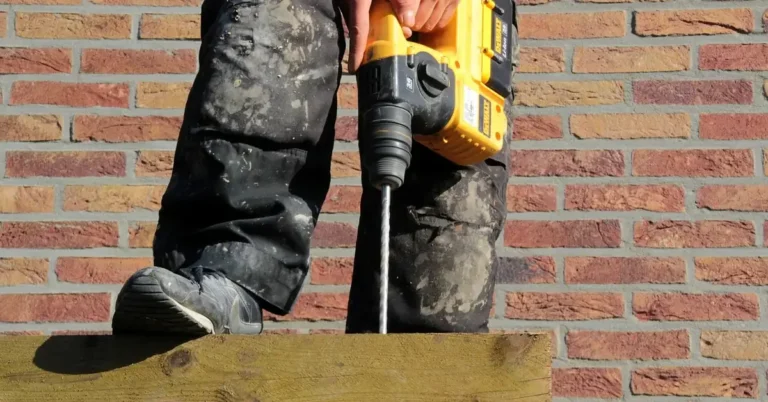
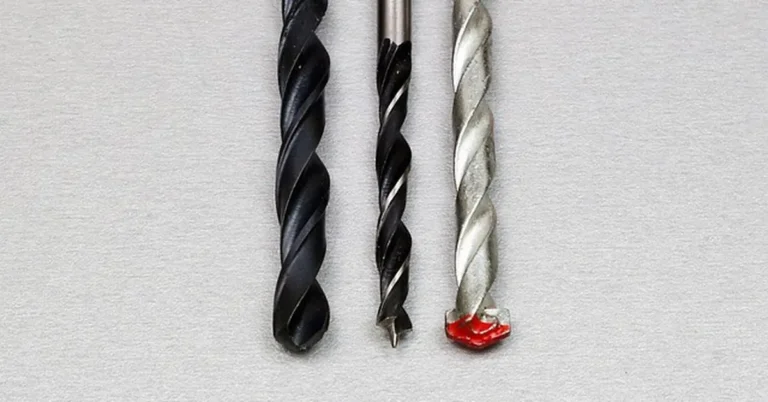
Other areas have hard rock. This requires special drill bits and takes much longer. It’s like digging through sand versus concrete.
The harder the ground, the more time and effort the drillers need. This directly impacts the labor costs.
Permits are another important piece of the puzzle. Most places require permits to drill a well. These ensure safety and proper water management.
The cost of these permits varies by county or state. You also need to follow regulations for well placement. These rules protect your water source and your neighbors’.
Labor is a big part of the overall expense. Well drillers are skilled professionals. They operate heavy machinery and understand underground conditions.
The drill crew’s time on your property is billed. This includes setup, drilling, casing installation, and testing. The complexity of the job often determines how long they need to be there.
My First Well: A Slightly Stressful Adventure
I remember when we bought our first home in the country. It had a well, but it was old and unreliable. We decided to drill a new one.
I thought it would be straightforward. I got a few quotes and picked the one in the middle. The price seemed high, but I figured that was just the cost of having my own water.
The drillers arrived on a bright Tuesday morning. The big rig looked impressive. They started drilling.
For the first fifty feet, it was easy going. Then, they hit a layer of hard clay. It slowed them down a lot.
The crew had to switch drill bits. That took extra time and cost extra money. The rig operator told me, “This stuff is like concrete!” I started to worry.
My budget felt like it was sinking faster than the drill bit. After what felt like an eternity, they finally broke through. The water level rose quickly.
Relief washed over me. But then came the invoicing. The cost was higher than the initial quote.
The extra drill bit, the extra hours because of the clay – it all added up. It was a good lesson: expect the unexpected with well drilling. That experience taught me that understanding the potential costs upfront is crucial.
Factors Affecting Water Well Drilling Cost
The price of drilling a water well isn’t a single number. It’s a mix of many elements. Let’s break down the main ones.
These are the things that will make your final bill go up or down.
1. Well Depth
This is usually the biggest factor. The deeper you need to drill, the more it costs. Drillers charge by the foot.
This covers the time, the wear on the equipment, and the materials used. Deeper wells often mean hitting harder rock. This also slows down the process.
Most residential wells in the U.S. range from 100 to 500 feet deep. Some can go much deeper.
Depth vs. Cost
Shallow Wells (under 100 ft): Usually cheaper. Easier to drill. May need pumps that push water.
Medium Wells (100-300 ft): Common depth. Costs increase steadily.
Deep Wells (over 300 ft): Significantly more expensive. Often needed in areas with depleted shallow aquifers.
2. Well Diameter (Casing Size)
The casing is the pipe lining the well. Common diameters are 4, 6, or 8 inches. Larger diameters need more material.
They also require larger drill bits. This increases drilling time and cost. A 6-inch casing is typical for most homes.
Larger homes or those with high water demand might need a bigger casing.
3. Local Geology
As I experienced, the ground beneath your feet matters. If you have soft soil, sand, or gravel, drilling is faster. It uses less specialized equipment.
If you hit hard rock, like granite or basalt, it takes much longer. It requires more powerful drills and more expensive drill bits. Rock drilling also uses more water and energy.
Geology Impact Table
| Geology Type | Drilling Speed | Cost Impact |
|---|---|---|
| Soft Soil/Sand | Fast | Lower |
| Clay Layers | Moderate | Moderate |
| Gravel Deposits | Moderate (can be tricky) | Moderate |
| Hard Rock | Slow | Higher |
4. Water Table Depth
The depth of the water table refers to how far down the groundwater is. If the water table is shallow, your well might not need to be as deep. This saves on drilling costs.
In areas with a deep water table, you’ll need to drill further. This adds to the overall expense. Sometimes, you drill past one aquifer to reach a more reliable one.
5. Well Type
There are different types of wells. The most common is a dug well or bored well. These are wide and shallow.
They are often dug with an auger. They are less common now. Driven wells, or sand point wells, are common for shallow water.
They are pipes driven into the ground. They are cheaper but less reliable for high demand. Drilled wells are the standard for most homes.
They use rotary drilling. They can be much deeper and more reliable. The drilling method itself impacts the equipment needed and the time taken.
Well Type Comparison
Dug/Bored Wells: Usually under 30 feet. Wide diameter. Often hand-dug or with an auger.
Cheaper for shallow water but prone to contamination.
Driven Wells (Sand Point): Usually under 50 feet. Small diameter. Pipe is driven into the ground.
Cost-effective for shallow, clean water.
Drilled Wells: Can be hundreds of feet deep. Standard for most homes. Uses rotary drilling.
More expensive but generally more reliable and safer.
6. Pump and Pumping System
The cost doesn’t stop at drilling. You need a pump to get the water out. The type of pump depends on the well depth and your water needs.
Submersible pumps go down into the well. Jet pumps sit above ground. The pump itself costs money.
Then there’s installation. Plus, you need a pressure tank. This stores water and maintains pressure.
These systems add significant cost, often $1,000 to $3,000 or more.
7. Materials and Casing
The casing is critical for well integrity. Steel casing is strong but can rust. PVC or plastic casing is common and durable.
The cost of these materials adds up. Longer wells need more casing. The thickness and quality of the casing also affect the price.
Grouting is also applied around the casing. This seals the well and prevents surface water from entering. This is a vital safety step and adds to the material cost.
8. Permitting and Regulations
Most local governments require permits for drilling a well. These permits cost money. The fees vary widely.
Some areas have strict rules about well construction and location. These regulations might require certain materials or testing. Following these rules adds to the overall project cost but ensures compliance and safety.
9. Site Accessibility
Can the drilling rig easily get to your property? If your property is difficult to access, it can increase costs. The drillers might need special equipment to get there.
They might need to clear land or build a temporary road. This extra effort translates to more labor and equipment costs.
10. Water Quality Testing
Once the well is drilled, you need to test the water. This ensures it’s safe to drink. Testing for common contaminants like bacteria, nitrates, and minerals is standard.
If problems are found, you might need a water treatment system. This is an additional cost. The initial testing fee itself is usually a few hundred dollars.
Real-World Scenarios: What You Might Actually Pay
Let’s look at some examples. These are not exact quotes. They are to give you a general idea.
Prices change based on many of the factors we discussed. They also change based on your specific location and the drilling company you choose.
Scenario 1: Suburban Home with Good Water Access
Imagine a suburban lot. The water table is around 100 feet deep. The geology is mostly soil and some soft rock.
You need a standard 6-inch PVC-cased well. The drilling takes about two days. You also need a basic submersible pump system.
- Drilling: 150 feet at $25-$40 per foot = $3,750 – $6,000
- Casing & Grouting: $1,000 – $2,000
- Pump System (pump, tank, install): $1,500 – $3,000
- Permits & Testing: $500 – $1,000
- Estimated Total: $6,750 – $12,000
Scenario 2: Rural Property with Deep Aquifer
Now, picture a rural property. The best water source is a deeper aquifer. You need to drill 400 feet.
The geology is a mix of clay and hard rock. You need a more robust pump system and possibly steel casing for strength.
- Drilling: 400 feet at $35-$60 per foot = $14,000 – $24,000
- Casing & Grouting: $2,500 – $4,000
- Pump System (deeper, higher capacity): $2,500 – $5,000
- Permits & Testing: $800 – $1,500
- Estimated Total: $19,800 – $34,500
Cost Comparison Snapshot
Key Cost Drivers:
- Depth: Every extra foot adds up.
- Rock: Hard rock significantly increases drilling time and cost.
- Pump: A more powerful or deeper pump costs more.
- Location: Local labor rates and permit fees vary.
Scenario 3: Difficult Site Access
Consider a property where the drill rig can’t easily reach the desired spot. Maybe it’s hilly or heavily wooded. The drillers have to bring in smaller equipment or spend extra time clearing a path.
This adds labor hours and potentially specialized equipment rental.
- Base drilling cost (e.g., 200 ft): $7,000 – $10,000
- Site preparation/access: $1,000 – $3,000
- Standard casing & pump: $2,500 – $5,000
- Permits & testing: $600 – $1,200
- Estimated Total: $11,100 – $19,200 (could be higher if access is very challenging)
These scenarios highlight the wide range. It’s why getting detailed quotes is so important. Always ask what’s included.
Clarify what might cost extra.
What This Means for Your Budget
So, what’s the takeaway for your budget? First, expect the unexpected. It’s rare for a well drilling project to come in exactly as estimated.
Having a contingency fund is wise. Aim for 10-20% extra on top of your highest estimate. This covers things like hitting harder rock than anticipated or needing a slightly deeper well.
When is a cost normal, and when should you worry?
- Normal: Costs are within the range for your area and geology. You get detailed quotes. The drillers explain their charges.
- Concerning: Quotes are significantly lower than others without clear explanation. Unexplained charges appear on the final bill. The drillers seem evasive about costs. You notice poor workmanship.
Simple checks to do:
- Ask for a breakdown of costs per foot.
- Inquire about the typical depth of wells in your immediate neighborhood.
- Ask about the geology in your area.
- Verify the contractor is licensed and insured.
It’s also important to understand that water quality can impact your budget. If initial tests show problems, you might need to invest in a water treatment system. This could add several thousand dollars to your home’s water setup costs.
Some common issues include high iron, sulfur (rotten egg smell), or hard water minerals. If bacteria are present, a UV filter and regular chlorination might be needed.
Remember, a well is a long-term asset. It provides water independence. While the upfront cost can be high, the long-term benefits can be substantial.
Think about the money saved on water bills if you currently pay for city water. Also, consider the peace of mind from having a reliable water source.
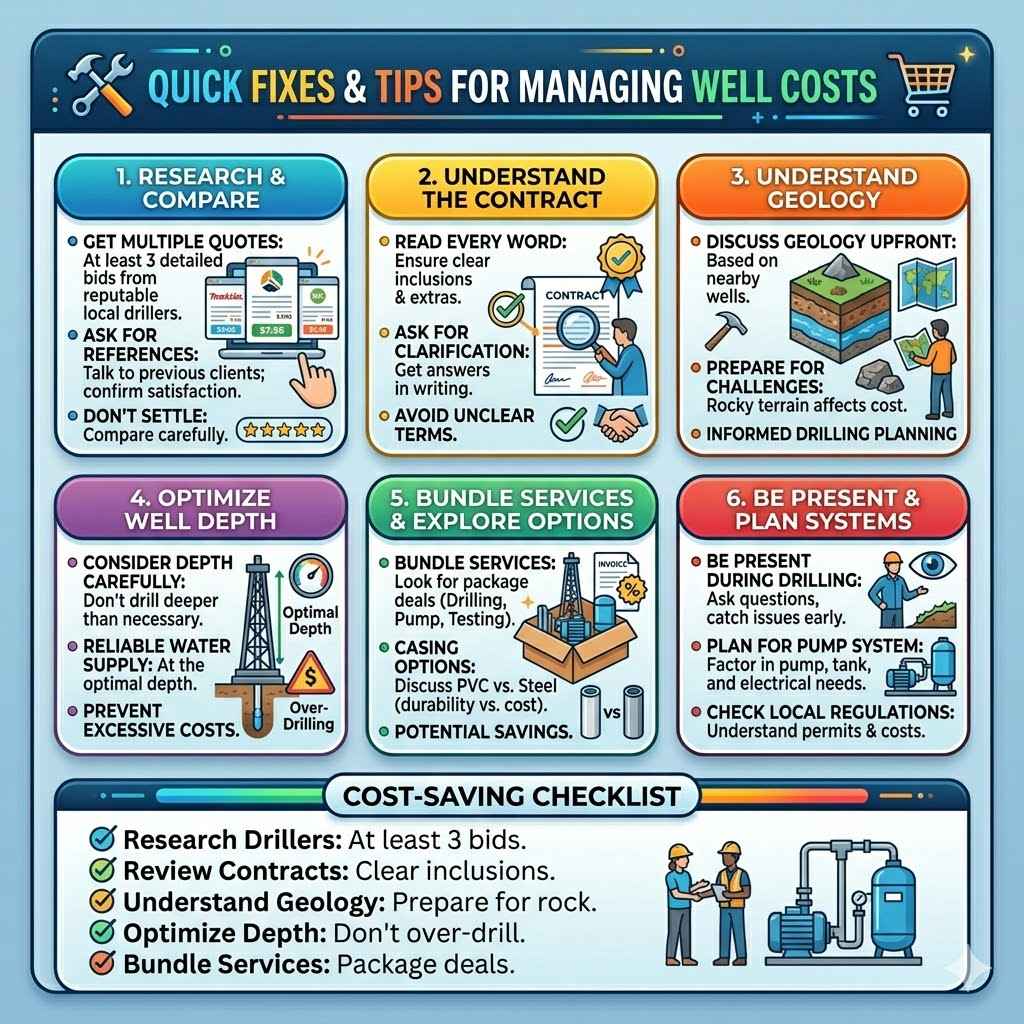
Quick Fixes & Tips for Managing Well Costs
While you can’t truly “fix” the cost of drilling once you’ve committed, you can manage and reduce potential overruns. Here are some tips:
- Get Multiple Quotes: This is the most important step. Don’t settle for the first bid. Compare at least three detailed quotes from reputable local drillers.
- Ask for References: Talk to previous clients of the drillers. See if they were happy with the work and the pricing.
- Understand the Contract: Read every word of the contract. Make sure it clearly states what is included and what is extra. If anything is unclear, ask for clarification in writing.
- Discuss Geology Upfront: Talk to the drillers about the likely geology based on nearby wells. This can help you prepare for potential challenges.
- Consider Well Depth Carefully: Don’t drill deeper than necessary. Your driller should advise on the optimal depth to ensure a reliable water supply without excessive cost.
- Explore Casing Options: Discuss the pros and cons of different casing materials (PVC vs. steel). While durability is key, material cost can vary.
- Bundle Services: Sometimes, drilling companies offer a package deal that includes drilling, pump installation, and testing. This can be more cost-effective than hiring separate companies.
- Be Present During Drilling: If possible, be present at the site. This allows you to ask questions as they arise and catch any potential issues early.
- Plan for Pump System: Factor in the pump, pressure tank, and electrical hookup. Discuss these needs with your driller to get an accurate estimate.
- Check Local Regulations: Understand the permitting process and costs in your area beforehand. This avoids last-minute surprises.
Cost-Saving Checklist
- Research Drillers: At least 3 bids.
- Review Contracts: Clear inclusions.
- Understand Geology: Prepare for rock.
- Optimize Depth: Don’t over-drill.
- Bundle Services: Package deals.
Frequently Asked Questions About Well Drilling Costs
What is the average cost to drill a water well?
The average cost to drill a water well in the U.S. typically falls between $5,000 and $15,000. However, this can range from as low as $3,000 for very shallow wells in easy geology to over $25,000 for deep wells in difficult rock formations.
Is drilling a well more expensive than connecting to city water?
In the short term, drilling a well is almost always more expensive than connecting to city water. However, over the long term, a well can be cheaper as you eliminate monthly water bills. The initial cost is high, but the ongoing cost is minimal, mainly for electricity to run the pump.
Can I drill a well myself to save money?
While it might seem tempting, drilling a well yourself is generally not recommended unless you have significant experience and the proper, heavy-duty equipment. It’s a complex and potentially dangerous job. You also need to comply with local regulations and permits, which can be difficult to navigate without professional help.
Professional drillers have the expertise and insurance to do the job safely and effectively.
How much does a new well pump cost?
A new well pump system, including the pump, pressure tank, and installation, can cost anywhere from $1,500 to $5,000 or more. The price depends on the type of pump, the depth of the well, and the water demand of your household. Submersible pumps for deeper wells are generally more expensive.
Are there any hidden costs in well drilling?
Yes, potential hidden costs can include hitting unexpected hard rock layers, needing a deeper well than initially planned, encountering poor water quality that requires treatment, or difficult site access for the drilling rig. Always get a detailed quote and ask about potential extra charges.
How long does it take to drill a water well?
Drilling a water well can take anywhere from a couple of days to a week or more. The time depends heavily on the depth of the well, the geology of the area, and the accessibility of the site. Hitting hard rock can significantly extend the drilling time.
Conclusion: Planning Your Well Investment
Drilling a water well is a significant undertaking. It requires careful planning and budgeting. By understanding the various cost factors, from depth and geology to pumps and permits, you can get a realistic estimate.
Always obtain multiple detailed quotes. Ask questions and clarify what’s included. A new well is an investment in your home and your independence.
With proper preparation, you can ensure a successful and cost-effective project.
Sponsored / affiliate links. As an Amazon Associate I earn from qualifying purchases. I may earn additional commission from eligible campaigns.