What Is Tamarack Wood? (Janka Hardness & Softwood Facts)
Tamarack wood comes from the Eastern Larch (Larix laricina), a conifer — despite being called a “hardwood” in places online, tamarack is technically a softwood with a Janka hardness of 590 lbf. That’s still unusually tough for a softwood, which is why it was traditionally used for snowshoes, utility poles, and fence posts left in wet ground for decades. This guide covers its real properties, how it compares to pine and oak, and where the “hardwood” mislabel comes from.
For the bigger picture, see our complete guide to the types of wood and how to choose, or our dedicated look at larch wood uses since tamarack is itself a larch species.
Introduction To Tamarack Wood
Best Sealant for Outdoor Tamarack
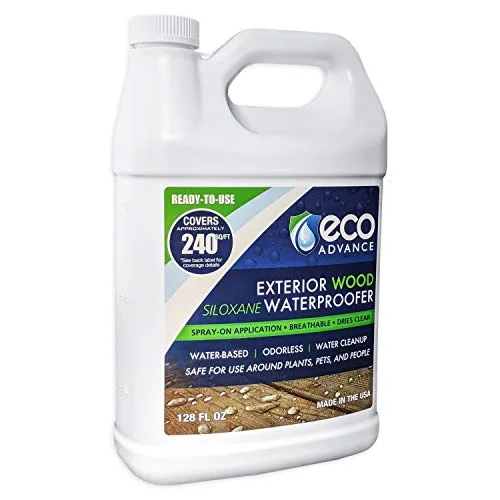
Eco Advance Exterior Wood Waterproofer
A spray-on, odorless waterproofer that pairs well with tamarack’s already-strong natural decay resistance for outdoor decking and fencing.
- Best for: outdoor tamarack decking, fencing, and posts
- Why we picked it: waterproofing extends the wood’s already-good rot resistance even further
- Main drawback: a topical treatment, not a substitute for proper drainage/ground contact prep
More ways to protect outdoor tamarack
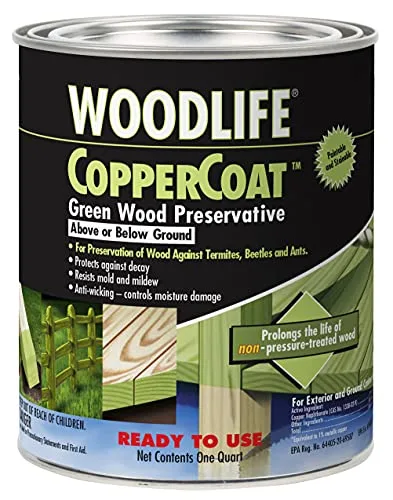 Option 1 Wolman WOODLIFE CopperCoat Preservative
|
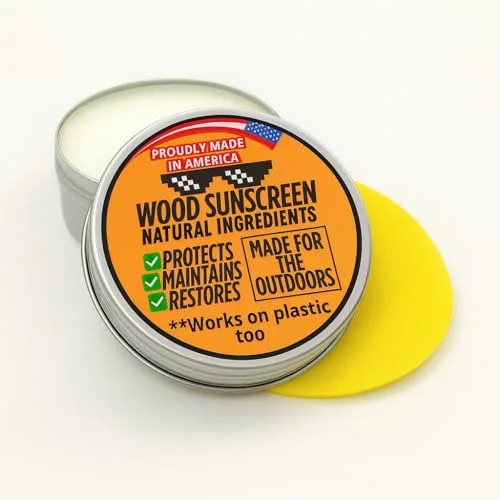 Option 2 Wood Sunscreen UV Protectant Salve
|
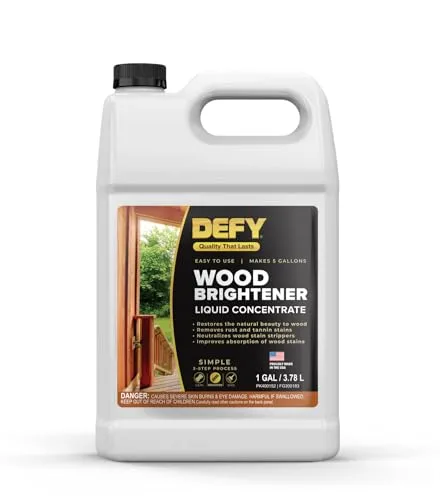 Option 3 DEFY Wood Brightener
|
As an Amazon Associate we earn from qualifying purchases.
Tamarack wood comes from the Larix species, mainly found in North America. It grows in wet areas, like swamps and riverbanks. This tree thrives in cold climates, especially in Canada and parts of the United States.
The wood is known for its durability and resistance to decay. It has a light yellow-brown color with a straight grain. Tamarack is often used for outdoor projects due to its strength.
This wood is also popular in furniture making and construction. Its unique properties make it a choice for many craftsmen.
Is Tamarack a Hardwood or a Softwood?
Tamarack is technically a softwood, since it comes from a cone-bearing conifer, not a broadleaf tree. The “hardwood” label is a common mix-up because tamarack is unusually dense and tough compared to other softwoods like pine or spruce — but botanically, softwood vs. hardwood is about the tree type, not how hard the wood actually feels. If you want the full breakdown of what separates the two categories, see our guide on how hardwood classification actually works.
Historical Uses Of Tamarack Wood
Tamarack wood has a rich history in Indigenous cultures. It was often used for building shelters. The wood’s strength and durability made it ideal for long-lasting structures.
Many Indigenous peoples used tamarack for canoes and tools. It was also popular for making furniture. The wood’s resistance to decay made it valuable for outdoor items.
In early construction, tamarack provided excellent support. Builders favored its lightweight nature, which made transport easier. Its natural beauty also added aesthetic appeal to homes.
📊 The name “tamarack” comes from the Abenaki word for “wood used for snowshoes” — a reflection of how central this species was to Indigenous craftsmanship in the Northeast and Canada. Source: The Wood Database.
Physical And Mechanical Properties
Tamarack wood has unique physical and mechanical properties. Its density typically ranges from 25 to 35 pounds per cubic foot. This makes it a strong and sturdy choice for various uses.
Hardness is another important aspect. Tamarack wood has a Janka hardness rating of 590 lbf, according to The Wood Database — about 45% as hard as red oak, but still notably tough for a softwood.
In terms of durability, tamarack wood is quite impressive. It can resist decay, making it suitable for outdoor projects. Its natural oils help protect it from insects and moisture.
| Property | Value |
|---|---|
| Density (avg. dried) | 37 lbs/ft³ |
| Hardness | 590 lbf (Janka) |
| Durability | Resistant to decay and insects |
Tamarack Wood In Modern Construction
Tamarack wood is gaining popularity in modern construction due to its unique properties. It is strong, durable, and resistant to decay. This makes it an excellent choice for various building applications.
Advantages of tamarack wood include:
- Lightweight and easy to handle.
- Natural resistance to insects and moisture.
- Good thermal insulation properties.
- Aesthetic appeal with a warm, rich color.
Comparative analysis shows tamarack outperforms many other woods:
| Wood Type | Weight | Durability | Cost |
|---|---|---|---|
| Tamarack | Light | High | Moderate |
| Pine | Medium | Medium | Low |
| Oak | Heavy | Very High | High |
Sustainability And Environmental Impact
Tamarack wood is known for its strong and durable qualities. Its harvesting practices focus on sustainability. Trees are often harvested selectively. This method helps maintain healthy forests.
Many companies use eco-friendly methods to collect tamarack. They ensure minimal damage to the surrounding environment. This wood is biodegradable, making it a great choice for eco-conscious consumers.
Tamarack wood also has a low carbon footprint. This means it helps reduce greenhouse gases in the atmosphere. Using tamarack supports responsible forestry and benefits our planet.
Unique Applications Of Tamarack Wood
Tamarack wood is known for its beautiful grain and strength. Many artisans use it for craftsmanship and art projects. This wood is easy to shape, making it perfect for unique designs. Furniture makers love tamarack for its durability and aesthetic appeal.
Innovative uses of tamarack wood also appear in technology. Engineers often choose it for building sustainable products. Its natural resistance to decay makes it ideal for outdoor applications. This versatility opens doors for new inventions and eco-friendly solutions.
Maintenance And Care
Tamarack wood requires special care for long-lasting beauty. Regular cleaning helps maintain its appearance. Use a soft cloth to remove dirt and dust.
Apply a wood conditioner to keep the wood hydrated. This prevents cracks and splits. Avoid using harsh chemicals that can damage the surface.
Preservation techniques include applying a sealant. This protects the wood from moisture and pests. Regular reapplication of sealant is essential.
| Common Issues | Solutions |
|---|---|
| Cracking | Use wood conditioner regularly. |
| Discoloration | Apply a protective finish. |
| Warping | Store in a dry, stable environment. |
The Future Of Tamarack Wood
Tamarack wood shows great promise for various uses. Its unique properties make it ideal for construction and furniture. Research is ongoing to discover new applications.
Innovative treatments can enhance its durability and appeal. This could open doors to new markets in the industry. Companies are exploring sustainable practices to promote its growth.
| Market Potential | Applications |
|---|---|
| Furniture | Chairs, tables, cabinets |
| Construction | Beams, siding, flooring |
| Outdoor Products | Decking, fencing, garden structures |
Investing in tamarack wood can benefit both the environment and the economy. As demand grows, more people will recognize its value.
Frequently Asked Questions
What Is Tamarack Wood Used For?
Tamarack wood is prized for its durability and resistance to moisture. Historically it was used for snowshoes, utility poles, and fence posts; today it also shows up in outdoor furniture, decking, and fencing. See our full breakdown of larch wood uses since tamarack is one specific larch species among several.
Is Tamarack Wood Strong?
Yes, tamarack wood is known for its strength and resilience. It has a high density, making it resistant to warping and splitting. This wood can withstand harsh weather conditions, which is why it’s often used in construction and outdoor projects.
Its durability makes it a reliable choice for many applications.
How Does Tamarack Wood Compare To Pine?
Tamarack wood is generally denser and stronger than pine, with a Janka hardness of 590 lbf versus around 380-420 lbf for most pines. Its heartwood runs yellow to orangish-brown with a tighter grain pattern than pine. While pine is softer and easier to work with, tamarack offers better durability, making it preferable for projects requiring longevity.
Can Tamarack Wood Be Stained Or Painted?
Yes, tamarack wood can be easily stained or painted. Its fine grain allows for smooth application of finishes. Stains can enhance its natural beauty, while paint provides a protective layer. However, always use high-quality products to ensure the best results and longevity of the finish.
Conclusion
Tamarack wood is a remarkable choice for various applications. Its durability and resistance to moisture make it ideal for outdoor projects. Whether you’re crafting furniture or building structures, tamarack offers both beauty and functionality. Explore this unique wood to enhance your next woodworking endeavor.
Embrace its qualities and elevate your creations.
Sponsored / affiliate links. As an Amazon Associate I earn from qualifying purchases. I may earn additional commission from eligible campaigns.
 VVelocity Long Length Exterior 5 Inch Wood Screws - T25 Torx Bits (Size #12) – Rust Resistant Long Wood Screw Set with Stick Tight Hexstix Driver Bit (50 Count)
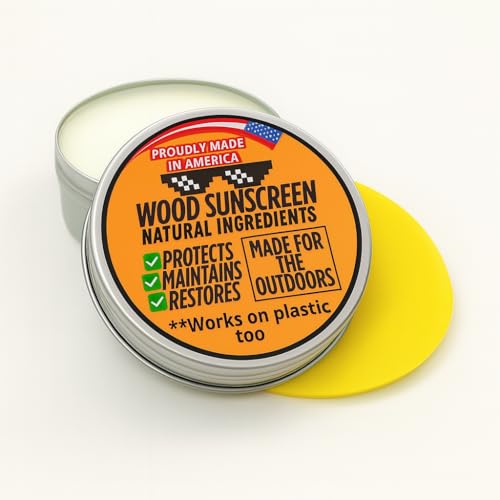 Wood Sunscreen Conditioner & UV Protectant Salve – USA Made Wood Outdoor Protector for Patio Furniture, Tables & Decks. Restores, Nourishes & Shields from Sun & Weather Damage. Long Lasting Protection