What Is Willow Wood? Identifying the Real Tree and Grain
Willow wood comes from Salix trees and is a soft, pale hardwood — only 400 to 470 lbf on the Janka scale, among the softest hardwoods sold. That softness is exactly why white willow (Salix alba) is the standard timber for cricket bats worldwide: its fibers absorb ball impact without splitting, a job dense hardwoods can’t do as well. This guide covers what real willow wood looks and feels like, how it differs from a similarly-named prosthetics brand, and where it does and doesn’t belong in a woodworking project. For a full breakdown of specific projects it suits, see our willow wood uses and benefits guide.
A quick correction first: searching “Willow Wood” online often surfaces WillowWood Global, an Ohio-based prosthetics and orthotics company — a real business, but entirely unrelated to the tree material this page covers. Actual willow wood is lumber cut from Salix trees, sold and worked exactly like any other hardwood species, not a branded medical device.
What Willow Wood Actually Is
Best Willow Charcoal Pick
 |
PH Coate Artist Willow Charcoal, 12 Thick Sticks – $10.99 Made from the same real willow wood covered on this page, baked into soft vine charcoal — the actual product behind the salicin/charcoal history mentioned above, not a novelty.
|
As an Amazon Associate we earn from qualifying purchases.
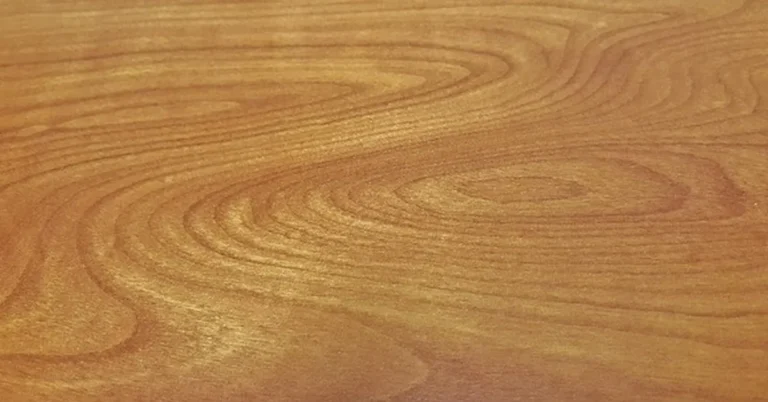
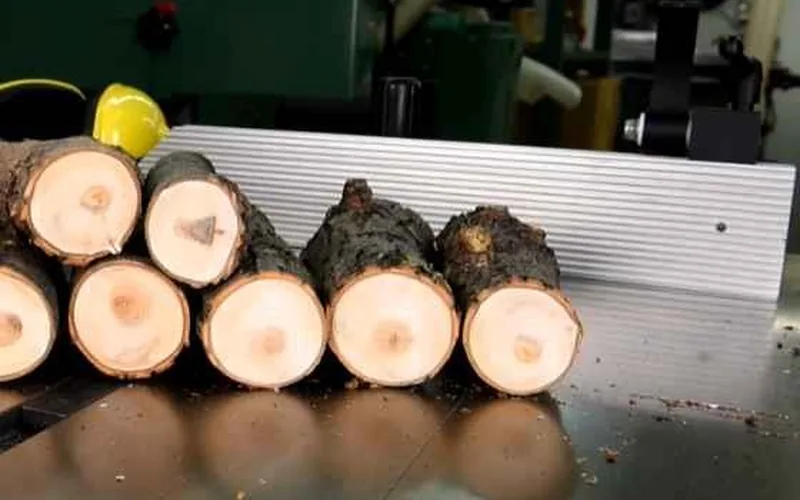
Willow is the wood of Salix trees — there are hundreds of species and hybrids, but white willow (Salix alba) is the one most associated with woodworking and manufactured goods, thanks to its use in cricket bats. The wood is pale cream to light tan, usually with a straight, fairly plain grain and a low density of roughly 340-450 kg/m³, making it noticeably light to lift compared to oak or maple of the same size.
Why Softness Doesn’t Mean Weak
Willow’s real trick is shock resistance, not hardness. Its porous, criss-crossing fiber structure traps tiny air pockets that deform elastically on impact instead of cracking — the exact property that lets a cricket bat absorb a fast-bowled ball thousands of times without shattering. That same structure is why willow bark extract (salicin) was historically used for pain relief and eventually led to the development of aspirin — a real, documented history, unlike the wood’s more fanciful “magical healing” reputation in some folklore.
How to Identify Willow Wood Yourself
See our full types of wood guide for how willow compares to other species at a glance.
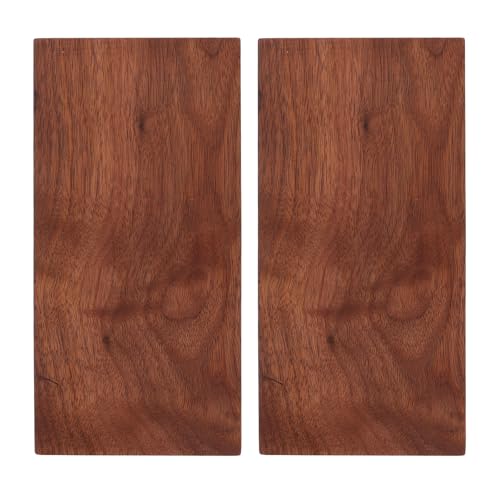
- Color: pale cream to light tan when freshly cut, without the pink, purple, or deep brown tones seen in cherry, walnut, or padauk.
- Weight: noticeably light for its size — if a board feels closer to pine than oak, that’s consistent with willow.
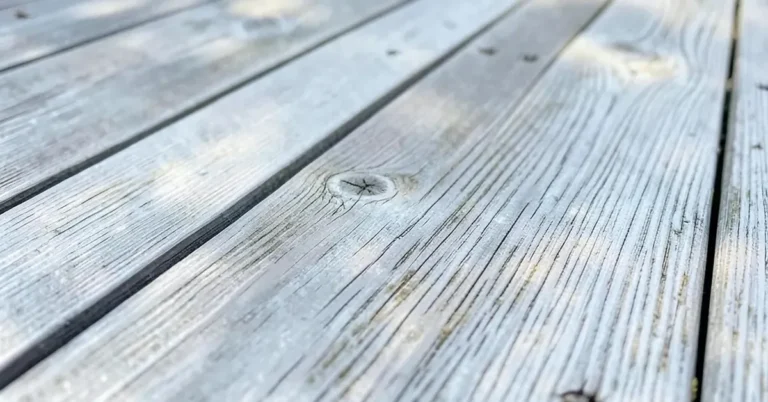
- Grain: straight and fairly plain, occasionally slightly wavy, rarely with dramatic figure.
- Dents easily: pressing a fingernail into the face leaves a mark far more easily than on a true dense hardwood like maple.
- The tree itself: most commonly identified as weeping willow (Salix babylonica) with its drooping branches near water, though upright willow species exist too.
Where Willow Wood Does and Doesn’t Belong
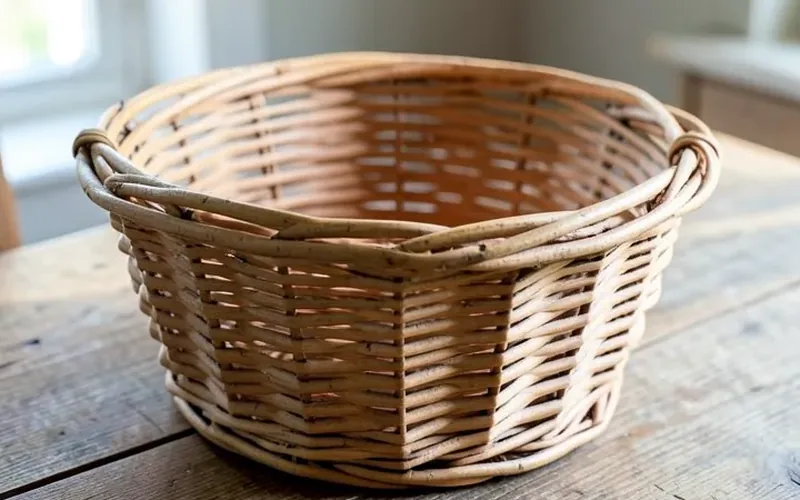
Its low density and softness rule willow out for load-bearing furniture frames or anywhere it will take repeated impact from hard use — it dents and compresses too easily. It earns its place instead in applications that reward flexibility and light weight over raw strength: cricket bats, woven baskets (using thin, bendable willow shoots called withies, not solid lumber), lightweight boxes, and artist’s charcoal.
If you’re deciding whether willow fits a specific project — furniture, carving, or something else — our detailed uses and benefits guide breaks it down by product type, and our quick willow wood Q&A covers the most common follow-up questions. For how it stacks up against a specific alternative, see is weeping willow a hardwood.
Frequently Asked Questions
Is Willow Wood the Same as WillowWood Prosthetics?
No. WillowWood Global is a real prosthetics and orthotics manufacturer, but it makes medical devices, not lumber from willow trees. Actual willow wood is a soft hardwood species used for cricket bats, baskets, and lightweight crafts.
Is Willow Wood Weak?
It’s soft (400-470 lbf Janka) rather than weak in the way that matters for its main uses – its fiber structure gives unusually high shock resistance for such a soft wood, which is exactly why it’s the standard material for cricket bats despite scoring low on raw hardness.
What Does Real Willow Wood Look Like?
Pale cream to light tan with a straight, fairly plain grain and low density. It lacks the dramatic figure or deep color of woods like walnut or cherry, and it feels noticeably light for its size.
Can You Use Willow Wood for Furniture?
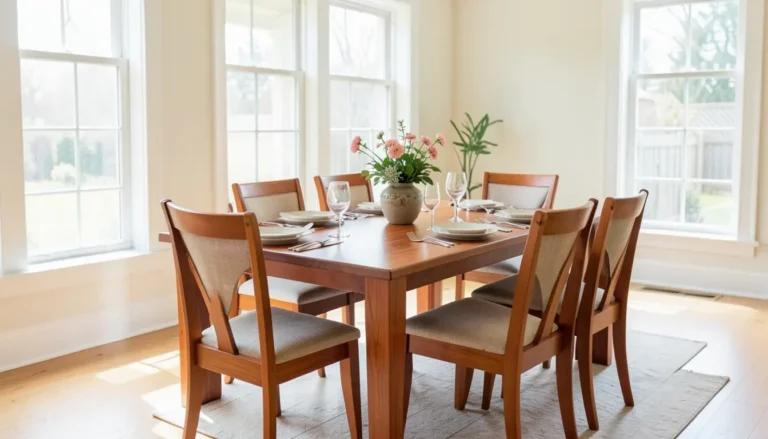
Rarely for structural frames, since its softness means it dents and compresses under regular use. It shows up more often in lightweight boxes, trim, and decorative pieces where its pale color and light weight are assets rather than liabilities.
Conclusion
Willow wood is a real, soft hardwood from Salix trees, identifiable by its pale color, light weight, and plain grain — not a prosthetics brand, and not the mystical material older folklore made it out to be. Its genuine standout property is shock resistance, which is why it dominates cricket bat manufacturing and basket weaving rather than furniture frames.
Sponsored / affiliate links. As an Amazon Associate I earn from qualifying purchases. I may earn additional commission from eligible campaigns.