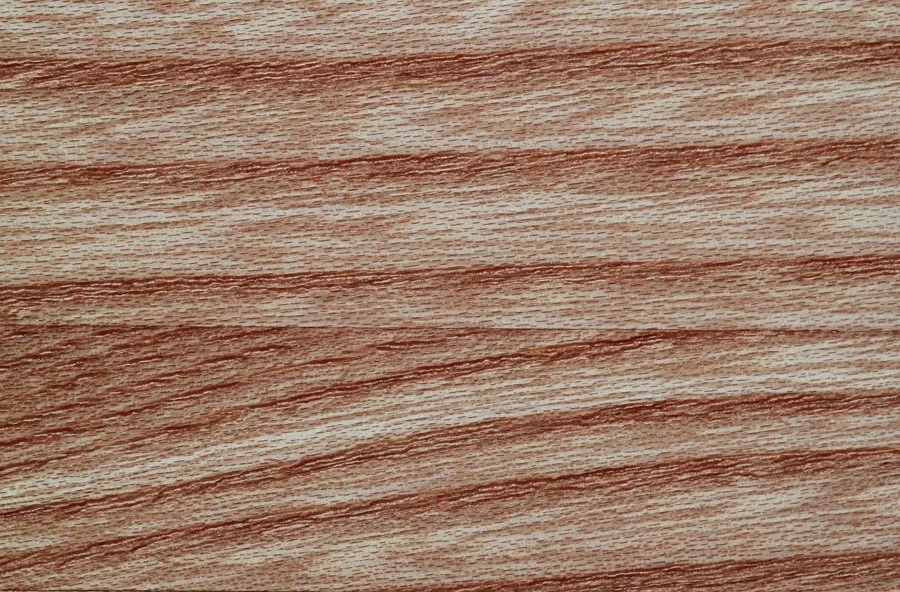
Is Chinese Elm a Hardwood? Hardness, Uses, and Limits
Yes, Chinese elm is a hardwood. Botanically, Chinese elm (Ulmus parvifolia, also called lacebark elm) is a broadleaf, flowering tree, and that is the only test the word “hardwood” applies. What most people really want to know is whether the wood is actually hard, strong, and worth building with. That answer is more mixed, and it is covered below.
One warning first: a lot of nurseries and old references use “Chinese elm” for a completely different tree, the Siberian elm. Mixing the two up is behind much of the confusing advice online, so we sort that out too.
Is Chinese Elm a Hardwood?
BEST WOOD ID BOOK |
WOOD! Identifying and Using Hundreds of Woods Worldwide (Eric Meier), $37.99
|
Yes. Hardwoods come from angiosperms, the broadleaf trees that flower and produce seeds inside a fruit, and Chinese elm fits that description. It is a small to medium deciduous or semi-deciduous tree, usually 33 to 59 feet (10 to 18 m) tall, according to Wikipedia’s species entry. Softwoods, by contrast, come from conifers like pine, spruce, and cedar. If you want the general rule, our types of wood guide lays out the hardwood, softwood, and engineered wood split.
Hardwood Is a Botanical Label, Not a Hardness Rating
This is the misconception that trips people up most. “Hardwood” does not mean the lumber is hard. Some hardwoods are very soft, and some softwoods are harder than some hardwoods. The classification only tells you which kind of tree the wood came from. If you have run into the same question for other species, our page on birch follows the same logic.
Elms show the spread well. The Wood Database splits the genus into “hard elms” at roughly 41 to 47 lbs per cubic foot dried and “soft elms” at roughly 35 to 38 lbs per cubic foot. Every one of them is still a botanical hardwood, even the soft ones.
Chinese Elm, Lacebark Elm, and Siberian Elm
These names cause real trouble when you buy or identify wood:
- Chinese elm and lacebark elm are the same species, Ulmus parvifolia. The “lacebark” name comes from the flaking, patchwork bark in grey, tan, and red.
- Siberian elm is Ulmus pumila. Wikipedia notes that nurserymen and foresters often mislabel it “Chinese elm,” and describes it as a rapid-growing, short-lived, weak-wooded tree. The bark becomes deeply ridged and furrowed with age.
- Seed timing is one field clue: Siberian elm sets seed in spring, while Chinese elm sets it in autumn.
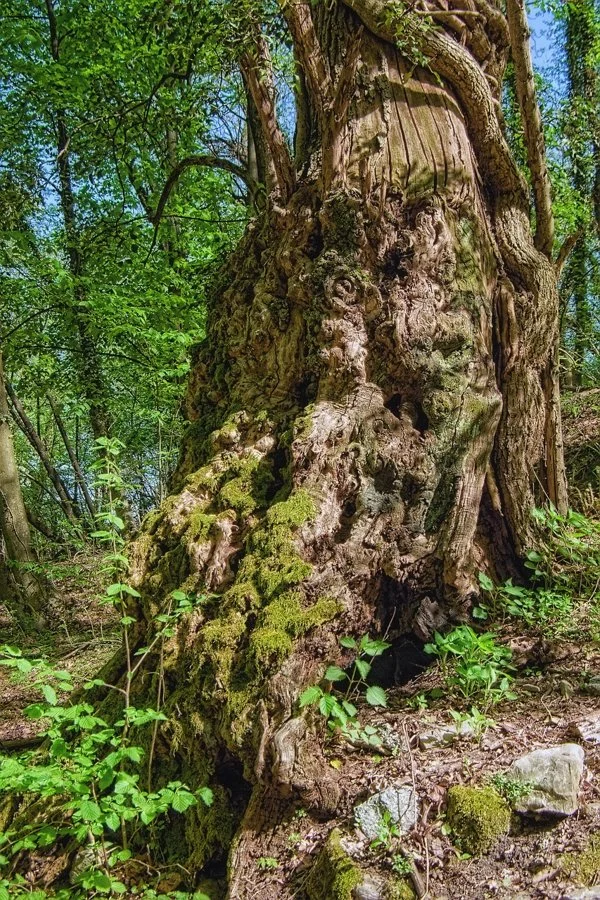
So if a seller offers “Chinese elm” lumber, ask which species it really is. The price and the performance can differ a lot.
How Hard Is Chinese Elm Wood?
Here is the honest gap in the market: The Wood Database, the standard reference for Janka numbers, has no profile for Chinese elm, and we will not invent a figure. What we can say from published sources is that Wikipedia describes Chinese elm as the hardest of the elms and reports it being used for tool handles, furniture, cabinets, veneer, flooring, and longbows. For a measured baseline, here are the elms that do have data, next to a familiar hardwood.
| Wood | Type | Janka hardness (lbf) | Dried weight (lbs/ft3) |
|---|---|---|---|
| American elm | Soft elm | 830 | 35 |
| Red (slippery) elm | Soft elm | 860 | 38 |
| Cedar elm | Hard elm | 1,320 | 41 |
| Rock elm | Hard elm | 1,320 | 47 |
| Hard maple (for comparison) | Non-elm hardwood | 1,450 | 44 |
Notice the jump. The soft elms sit around 830 to 860 lbf, less than 60 percent of hard maple. The hard elms reach 1,320 lbf, close to the top of the elm range. A hardwood label alone would have hidden that entire gap. If you are also weighing elm against oak, our elm vs oak comparison covers the tree and wood differences.
Working Properties and Durability
These notes come from The Wood Database profiles of American, cedar, and red elm, and they describe the genus in general. Individual species will vary, so test a scrap first.
- Grain: Interlocked. It makes elm very resistant to splitting, but planing can cause tearout or fuzzy surfaces, especially on quartersawn faces.
- Gluing and finishing: Elm glues, stains, and finishes well.
- Steam bending: Elm responds well to steam bending, a traditional use for chair parts and rims.
- Fasteners: It holds nails and screws well.
- Stability: Poor dimensional stability, so let boards acclimate and avoid wide, unrestrained panels.
- Rot resistance: Rated non-durable and susceptible to insect attack in the profiled elms. This corrects a common claim that elm shrugs off decay. Keep it indoors or sealed.
- Odor: A strong, unpleasant smell when green, with very little once dry.
Dust safety: The Wood Database notes that elm has been reported as a sensitizer. Severe reactions are uncommon, and eye and skin irritation is the usual result. Wear a good dust mask and use dust collection when sanding elm. Our wood care guide covers keeping finished pieces in shape once they are built.
How to Tell Elm Lumber From Its Lookalikes
Because “Chinese elm” is so often a mislabel, it helps to know what real elm looks like before you pay for it. The Wood Database lists a few identification points that apply across the genus:
- Ring-porous wood: Elm has large earlywood pores arranged in a row at the start of each growth ring, with much smaller pores in the latewood.
- Ulmiform pattern: The latewood pores form wavy, zig-zag bands. This pattern is even visible on a flatsawn face as minute jagged lines between growth rings, and it is the most reliable clue.
- Ash lookalike: Elm is sometimes confused with ash. Ash can show a mild zig-zag, but it is not as consistent across the whole latewood section as it is in elm.
- Hackberry lookalike: Hackberry is anatomically very similar to elm, but its wide sapwood and grey or yellowish color usually give it away, along with a somewhat dirty, mottled look.
Keep in mind that the same source warns hybrid and disease-resistant elm cultivars can carry traits from either parent tree, which makes identification harder. Species-level identification usually cannot be done from the wood alone, so the word of the seller and the source tree matter. When in doubt, buy a single board first and check it against a reference before committing to a project.
A Practical Buying and Testing Checklist
If you have a chance to work with a batch of Chinese elm, a few simple steps protect your time and money:
- Ask whether the boards came from a landscape tree or a forest-grown elm, and confirm the species name in writing.
- Check moisture content before milling, and sticker and stack boards so they dry evenly, since elm is rated poor for dimensional stability.
- Mill a test piece and plane it in both directions. Interlocked grain will show tearout quickly, and a sharp, finely set blade or a scraper usually gives a cleaner surface.
- Try your glue and finish on scrap. Elm accepts both well, but a scrap test costs nothing.
- Plan for indoor use, and seal every face if a piece will see any moisture.
Where Chinese Elm Fits in a Real Shop
Chinese elm is mostly a landscape and bonsai tree, not a lumber species. Wikipedia describes it as a tough tree for parking lots, street planters, and plazas, and it is popular as a replacement for American elms lost to Dutch elm disease. That means boards typically come from tree removals or small local mills, in short lengths and small quantities, rather than from a lumberyard rack.
If you land a few boards, small projects suit them well: tool handles, boxes, small furniture parts, and turning blanks. For a related species with real published numbers, see our page on cedar elm wood.
Myths and Misconceptions
- “Hardwood means hard.” No. It is a botanical term for broadleaf trees.
- “Chinese elm and Siberian elm are the same.” No. They are separate species with different wood quality.
- “Elm never rots.” The profiled elms are rated non-durable. Do not use them outdoors without protection.
- “Elm trees always die of Dutch elm disease.” Wikipedia says Chinese elm is highly resistant, though not immune, to Dutch elm disease, which is why it is planted as a replacement tree.
Frequently Asked Questions
Is Chinese elm considered a hardwood?
Yes. Chinese elm (Ulmus parvifolia) is a broadleaf, flowering tree, and that is what makes a wood a hardwood in the botanical sense. The label describes the type of tree, not how hard the lumber is.
Is Chinese elm the same as Siberian elm?
No. They are two different species. Chinese elm is Ulmus parvifolia, also called lacebark elm. Siberian elm is Ulmus pumila, a fast-growing tree with weaker wood that is sometimes wrongly sold under the name Chinese elm.
Is Chinese elm good for woodworking?
It can be. Elm in general glues, stains, and finishes well and bends well with steam, but the interlocked grain can tear out when planing. The tree stays fairly small, so boards are usually short and hard to find.
Is Chinese elm rot resistant?
Do not count on it outdoors. The elms profiled by The Wood Database (American, cedar, and red elm) are rated non-durable and susceptible to insect attack. Keep any elm project indoors or well protected with a finish.
Conclusion
Chinese elm is a hardwood in the botanical sense, and Wikipedia ranks it as the hardest of the elms, but published hardness data for the species is thin, so treat any exact number with suspicion. Confirm you have true Ulmus parvifolia and not Siberian elm, expect interlocked grain and poor stability, and keep it indoors. A good wood reference makes those checks much easier.
Sponsored / affiliate links. As an Amazon Associate I earn from qualifying purchases. I may earn additional commission from eligible campaigns.