What Is the Best Finish for Hardwood Floors? Your Guide
Figuring out What Is the Best Finish for Hardwood Floors? is a common question for anyone who’s got wooden floors. It can seem like a puzzle because there are so many options. Don’t worry, it’s not as hard as it looks! This guide will break down all the choices in easy-to-understand terms. We’ll explore the pros and cons of each type, so you can make the right decision for your home. Let’s get started and find the perfect finish for your floors.
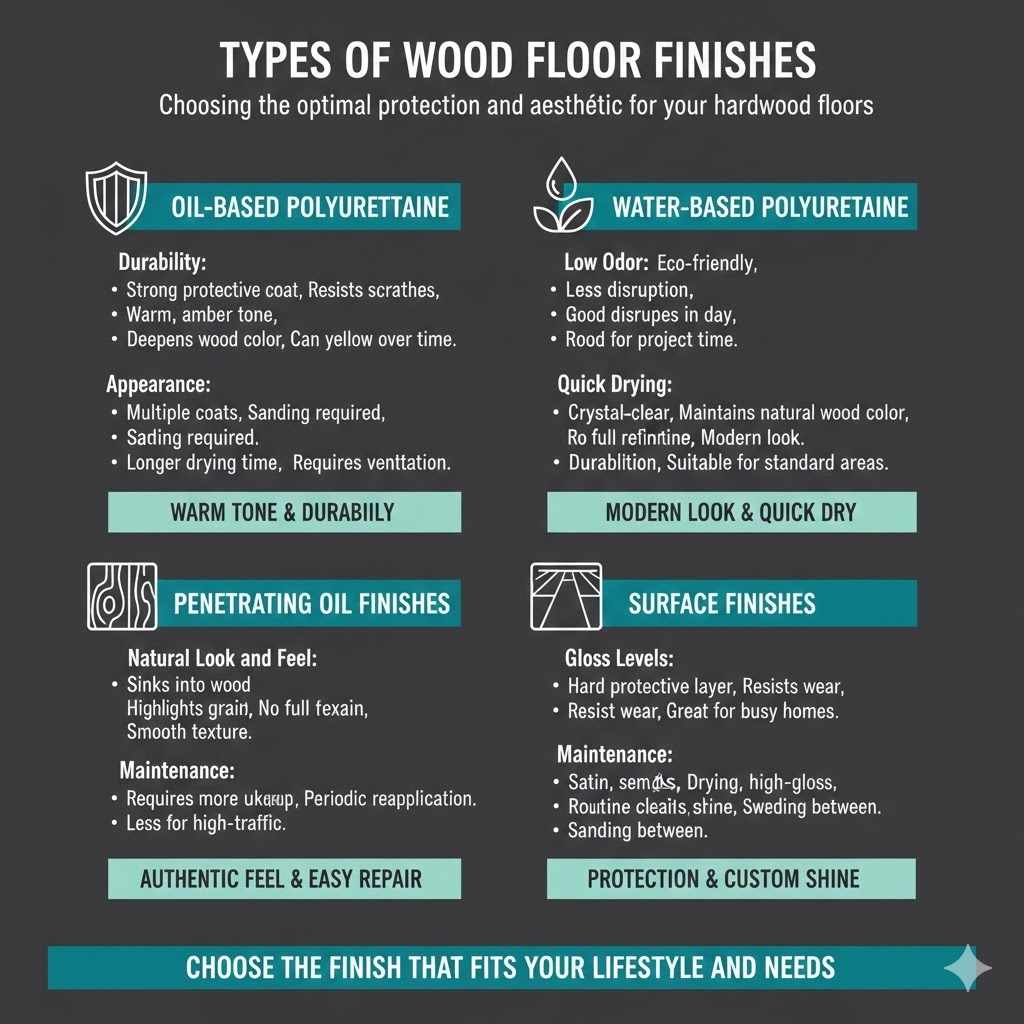
Types of Wood Floor Finishes
Choosing the correct finish for your hardwood floors is important because it protects the wood and determines its look. Several kinds of finishes are available, each with its unique characteristics. Some finishes are tough and long-lasting, perfect for high-traffic areas, while others offer a specific visual appearance. They all have different application methods and levels of protection, so exploring each type helps you make an informed decision based on your requirements. It’s not about finding the “best” but the one that aligns with your lifestyle.
Oil-Based Polyurethane
Oil-based polyurethane is a popular choice for many homes. This finish is renowned for its durability and warm, amber tone. When it’s applied, it creates a hard, protective layer that resists scratches, scuffs, and spills. It penetrates the wood, giving it an extra layer of protection from the inside out. This makes it a great option for areas that see a lot of foot traffic. However, it takes longer to dry than other finishes and has a strong odor during application, which requires good ventilation. The amber tint can also change the natural color of the wood over time. Because of its excellent resistance, it can handle everyday use. It also works well in areas exposed to sunlight, as it blocks UV rays.
- Durability: Oil-based polyurethane is known for its strong protective coat. It stands up well to scratches and everyday wear, making it a good selection for homes with kids or pets. This finish can hold up for quite a few years before needing to be redone.
- Appearance: It gives a warm, inviting glow to hardwood floors, deepening the wood’s natural color. The amber tint enhances the aesthetic value of the wood, which can work well in traditional homes. But it can also make lighter woods appear darker or more yellow over time.
- Application: The application process requires multiple coats and sanding between each one. It takes a good bit of time. This can cause the work to drag out. It is important to make sure to follow the manufacturer’s directions, and allow each coat to dry fully.
- Odor: It has a very strong odor that can linger for several days. Proper ventilation is needed during application and while it dries. Many people are sensitive to its fumes, which can make it a concern, especially for those with respiratory issues.
Water-Based Polyurethane
Water-based polyurethane provides an eco-friendly option. It is famous for its fast-drying properties and low odor. This makes it a more user-friendly choice for homeowners. It’s also known for being crystal-clear, meaning it won’t change the natural color of the wood significantly. Although it is less durable than oil-based, it still provides decent protection against scratches and wear. Because it dries faster, you can apply multiple coats in a day. It is an excellent choice for those who want a modern look and are cautious of environmental impact. The initial expense may be higher than other options, but the benefits often outweigh the cost.
- Low Odor: Unlike oil-based finishes, water-based polyurethane has a low odor, making it easier to apply in a home. The reduced smell means less disruption and a more comfortable experience. This is especially good for those sensitive to fumes.
- Quick Drying: It dries much faster, allowing multiple coats to be applied in a single day. This reduces the overall time required for the finishing process. Quicker drying helps speed up the job.
- Clarity: Water-based polyurethane is clear. It highlights the original color of the wood. This is ideal if you want to maintain the wood’s natural look without any color change. It works well with a wide range of wood species.
- Durability: While not as durable as oil-based polyurethane, water-based versions have improved over the years. They provide good protection against scratches and wear in standard areas. The longevity makes it a solid option.
Penetrating Oil Finishes
Penetrating oil finishes sink into the wood rather than forming a surface film. They highlight the wood’s natural grain and create a smooth, natural feel. These finishes are easy to repair, because spot repairs can be done. However, they offer less protection against scratches and water compared to polyurethane finishes. Penetrating oil finishes often require more frequent maintenance to keep the floors looking their best. These finishes give a very attractive look and feel to wood flooring. They are favored for their authentic appearance.
- Natural Look and Feel: These finishes sink into the wood fibers, highlighting the wood’s natural beauty and grain patterns. The finish doesn’t change the look of the wood. The surface remains close to its original texture.
- Easy to Repair: Because the finish penetrates the wood, any scratches or damage are easier to fix. You can simply reapply the oil to the affected area. This eliminates the need for a complete refinish.
- Maintenance: These finishes require more upkeep than polyurethane. You will need to reapply the oil periodically to maintain the protection and look. The frequency will depend on the amount of foot traffic and usage.
- Durability: Penetrating oil finishes don’t provide as much protection against scratches and moisture as polyurethane. This makes them less suitable for high-traffic areas or homes with pets. They are better suited for areas where wear and tear is minimal.
Surface Finishes
Surface finishes form a protective layer on the surface of the wood. They are good at resisting wear and scratches. The most popular surface finishes include polyurethane, but this category also covers other types that can offer unique features. These finishes are easy to clean and maintain, providing an added layer of protection to hardwood floors. They come in varying gloss levels, from matte to high gloss, letting you customize the look of your floors. Surface finishes are considered a durable choice for areas with heavy foot traffic, maintaining their appearance for several years.
- Durability: Surface finishes create a hard layer on the wood. They are designed to stand up to scratches, scuffs, and everyday wear, making them great for busy homes. The protective coat keeps the wood from damage, extending its life.
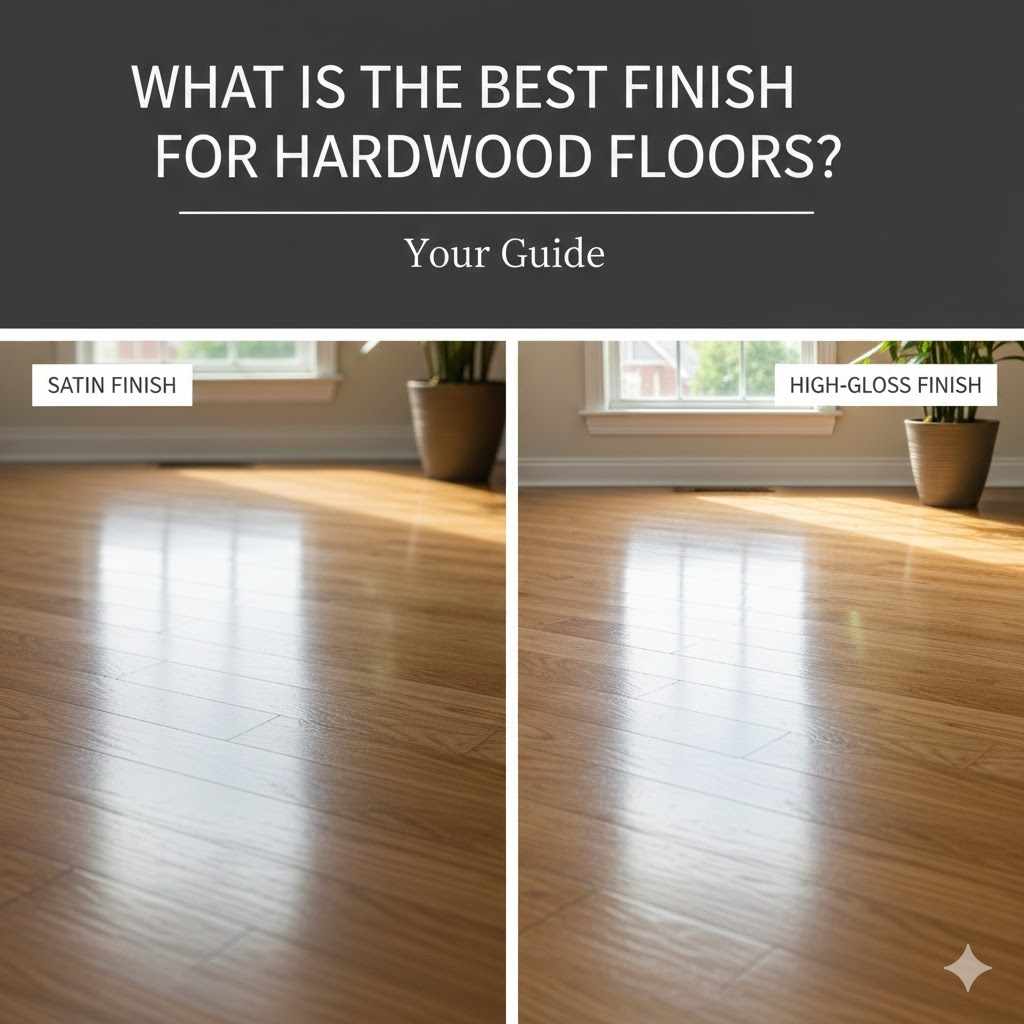
- Gloss Levels: They’re available in different gloss levels, such as satin, semi-gloss, and high-gloss. This lets you choose the shine you like for your floors. Gloss can also affect how well the finish hides scratches and dents.
- Application: Applying surface finishes typically involves multiple coats, and each coat needs to dry before the next. The process involves sanding between coats to ensure a smooth finish.
- Maintenance: It requires routine cleaning and care to keep the floors in good shape. Regular sweeping and occasional damp mopping can help maintain the appearance. You should also watch out for spills and clean them up right away.
Factors to Consider When Choosing a Finish
Making a decision about What Is the Best Finish for Hardwood Floors? involves careful consideration of different aspects. The use of the room will play a big role. The amount of foot traffic, the chance of spills, and the desired look of your space are all key factors. Budget also matters, as some finishes cost more than others. The condition of your floors matters, too. If the floors are in rough shape, you might need a more durable option. You also need to think about how much time you are willing to spend on maintenance. Considering these factors will help you make a selection that works well with your lifestyle.
Traffic and Usage
The amount of foot traffic your floors get has a big impact on the finish you choose. High-traffic areas, like entryways and living rooms, need a finish that is tough and can handle lots of wear and tear. Low-traffic rooms, like bedrooms, might be able to get by with a less durable finish. Consider how much the space is used, whether it is for pets or children. Make sure the finish you select will protect the floor. Also, think about any activities that could cause damage, such as furniture dragging or spilled drinks. It is important to pick a finish that can hold up under those conditions.
- High-Traffic Areas: Choose a finish with great durability. Oil-based polyurethane or a high-quality water-based option is best. These choices can stand up to heavy use.
- Low-Traffic Areas: You can go with options that are easier to apply or have a more natural look. Penetrating oils can highlight the wood’s beauty without needing super-tough protection.
- Pets and Children: Select a finish that resists scratches and stains. Polyurethane is a great choice here because it is very tough.
- Specific Activities: Think about potential damage. If you expect spills or lots of foot traffic, opt for a finish that is waterproof and can handle it.
Appearance and Aesthetics
The look you want for your floors is an important factor. Finishes have a big impact on the overall appearance of your home. You need to consider the color of the wood and the look you want to achieve. Some finishes, like oil-based polyurethane, bring out the warmth and color of the wood. Others, like water-based polyurethane, stay clear, highlighting the wood’s natural tones. The gloss level also impacts the look. Matte finishes give a more natural and modern feel, while high-gloss finishes add a shiny, formal touch. It’s also vital to consider how well the finish goes with your furniture and décor.
- Color: Consider the color of your wood. Choose a finish that enhances it. Some finishes can deepen the wood’s color, while others maintain a more neutral appearance.
- Gloss Level: Think about what you want your floors to look like. Matte finishes provide a natural look, while high-gloss finishes create a shiny, more traditional style. Each gloss level affects the feel of your space.
- Wood Species: Different woods take finishes differently. Some woods absorb more finish, giving a different look. Consider the features of your wood species.
- Overall Design: Think about how the finish complements your interior design. Pick a finish that matches your style. Make sure the finish suits the furniture and décor of the room.
Budget and Maintenance
The amount you want to spend, and how much work you’re willing to put in to maintain your floors, are critical points to consider. Some finishes cost more to buy and apply. Others may need frequent upkeep to maintain their appearance. Consider the ongoing costs, such as cleaning products, touch-ups, and the potential need for full refinishing. Think about how much time you have for floor care. Some finishes, like penetrating oils, may need regular oiling to stay protected. The best choice is often one that fits both your budget and your comfort level with maintenance.
- Cost: Budget is a key factor. Oil-based finishes are often less expensive. Water-based finishes are priced higher, but can be a great investment over time.
- Maintenance: Some finishes need more upkeep. Penetrating oils require reapplication. Polyurethane needs less frequent care.
- Cleaning: Think about how easy it is to clean the finish. Some finishes resist stains and spills better than others, cutting down on time needed for cleaning.
- Long-Term Costs: Consider the lifespan and the need for refinishing. While a higher-priced finish may be pricier initially, its longevity can save money in the long run.
Applying the Finish
Knowing how to apply the finish is a key part of choosing What Is the Best Finish for Hardwood Floors?. The application process will vary based on the type of finish you’ve selected. Some finishes are designed for professionals to apply, while others can be managed by a determined homeowner. Proper preparation is essential for getting good results. This includes sanding the floor, cleaning up dust, and making sure the workspace is ready. Following the manufacturer’s directions is very important. This ensures a uniform and durable finish. Careful application is essential for a good-looking and long-lasting floor.
Preparation Steps
Proper preparation is key to a successful wood floor finish. It includes sanding the floor. This step removes old finishes and smooths out the surface. Clean the floor carefully to remove any dust and debris. Before you start, check that you have all the necessary supplies. You need to gather sandpaper, a vacuum cleaner, and applicators, like brushes or rollers, depending on your finish. Clear the area of furniture. Wear protective gear, such as a respirator, safety glasses, and gloves. Making sure everything is set up correctly reduces problems and helps you get a smooth, even finish.
- Sanding: Sand the floor evenly. Use different grits of sandpaper, starting coarse and working your way to fine. This ensures a smooth surface. Proper sanding is key to good adhesion.
- Cleaning: Thoroughly clean the sanded floor. Use a vacuum to remove all dust and particles. Any leftover dust can affect how the finish adheres.
- Workspace Prep: Clear the room of all furniture and objects. Tape off areas you don’t want the finish on. This makes application easier.
- Safety: Always use personal protective equipment, like a respirator and safety glasses. Make sure the room is well-ventilated, especially if you are using a finish with strong fumes.
Application Techniques
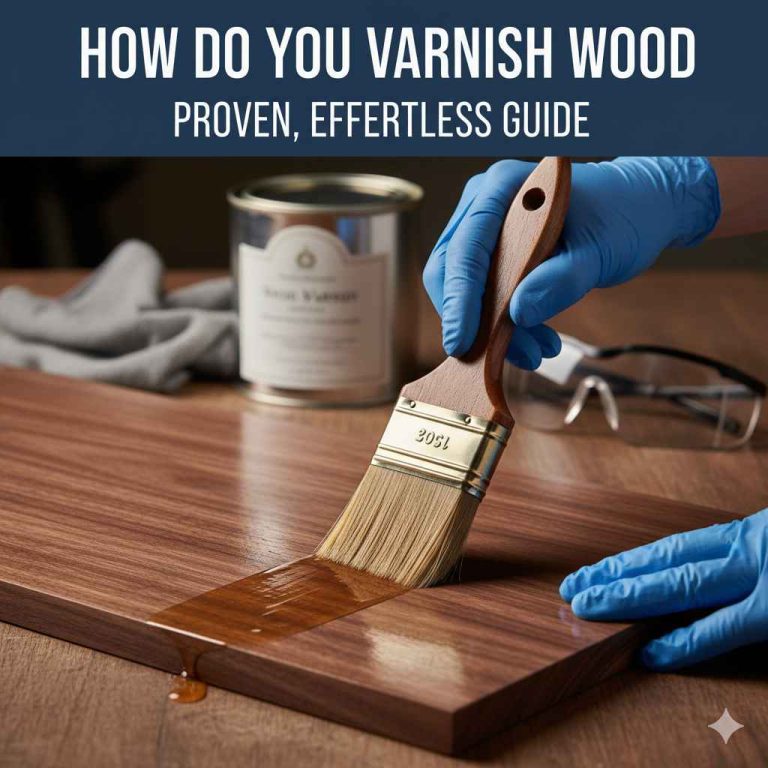
The way you apply the finish has a big effect on the results. Each type of finish requires its unique technique. Polyurethane finishes usually require a brush or roller, which is often done in smooth, even strokes. Penetrating oil finishes are often applied using a cloth, ensuring the oil soaks into the wood. Apply the finish in the direction of the wood grain to avoid lap marks. Be careful to apply thin, even coats, letting each coat dry fully before applying the next. This prevents issues like bubbling and uneven coverage. Good technique ensures a smooth, even finish that improves the look and durability of your floors.
- Brushing and Rolling: For polyurethane, apply the finish with even strokes. Maintain a wet edge to avoid lap marks, letting the finish flow.
- Wiping: Penetrating oils are often applied with a soft cloth. Apply the oil in small areas, making sure it penetrates the wood. Wipe away any excess oil after a few minutes.
- Thin Coats: Apply thin coats of finish, letting each dry completely before adding another coat. Multiple thin coats are usually better than one thick coat.
- Direction: Apply the finish in the direction of the wood grain. This helps highlight the wood’s natural beauty and ensures even coverage.
Drying and Curing
The drying and curing of a wood floor finish are crucial steps. Drying is when the finish becomes solid. Curing is the process where the finish reaches its complete hardness and durability. The time for drying and curing differs with each type of finish. Water-based finishes often dry faster, sometimes in a few hours. Oil-based finishes can take longer. Make sure to keep the area free from foot traffic and any objects until the finish is fully dry. Proper curing is key to the finish’s lifespan. During curing, the finish becomes more resilient. Following the drying times indicated by the product maker helps make sure the floor is well-protected and durable.
- Drying Time: Adhere to the manufacturer’s drying times before applying additional coats or walking on the floor. Drying times differ depending on the type of finish and the environmental conditions.
- Curing Time: Curing is when the finish reaches maximum hardness. Keep foot traffic to a minimum during the curing phase. This can take several days or even weeks.
- Temperature and Humidity: Control temperature and humidity during both drying and curing. Ideal conditions can vary depending on the product, but moderate temperatures and low humidity often work well.
- Ventilation: Proper ventilation helps the finish dry and cure. Make sure there is good airflow in the room. This helps to remove any fumes and prevents moisture build-up.
Maintenance and Care for Finished Floors
Proper maintenance is important to keep your hardwood floors looking great over time. Regular cleaning and care keep the finish from wearing out too quickly and prevents damage. This includes sweeping or vacuuming regularly to remove dirt and grit. It also involves using appropriate cleaning products and avoiding harsh chemicals that can hurt the finish. Taking precautions, such as using mats at entryways and protective pads under furniture, will help to keep scratches and other damage to a minimum. Putting in a little effort to maintain the floors is a worthwhile investment. This ensures your floors look beautiful for many years.
Regular Cleaning
Cleaning hardwood floors regularly is key to their long-term health. Sweeping or vacuuming frequently removes dust, dirt, and grit. These particles can act like sandpaper. They can wear down the finish. For more stubborn messes, use a slightly damp mop with a cleaning solution specifically made for hardwood floors. Always wipe up spills quickly. Stains and standing water can damage the finish and the wood below. By integrating cleaning into your routine, you can keep your floors in great condition and keep their shine.
- Sweeping and Vacuuming: Sweep or vacuum your floors frequently. This removes dirt and grit, stopping them from scratching the finish. Choose a soft brush attachment for vacuuming to avoid damage.
- Damp Mopping: Use a damp mop with a cleaning product for hardwood floors. Avoid over-wetting the floor, which can lead to water damage. The product should be pH-neutral.
- Spill Cleanup: Always clean up spills promptly. Wipe up any liquids right away. This prevents stains and protects the wood from water damage.
- Cleaning Products: Use cleaners made for wood floors. Avoid harsh chemicals or abrasive cleaners. These can strip the finish and dull the shine.
Protecting Your Floors
Taking precautions to protect your hardwood floors is essential to extend their life. Place mats at all entryways to trap dirt and debris. This stops these particles from scratching the finish. Put protective pads under furniture legs. This prevents scratches when moving furniture. Avoid wearing shoes indoors. Shoes can track in dirt and wear down the finish. If you have pets, trim their nails to stop scratches. By taking these actions, you can greatly reduce the risk of damage. It helps keep your floors looking new for a longer period of time.
- Entryway Mats: Place mats at all entryways. This catches dirt, grit, and moisture before they can reach the hardwood floors. Choose mats that are durable and easy to clean.
- Furniture Pads: Put felt pads under furniture legs. These pads stop scratches when moving furniture. They protect the finish from damage.
- Indoor Shoes: Take off your shoes indoors. This stops dirt and grit from getting on the floor. Socks or slippers are a great alternative.
- Pet Care: Trim your pet’s nails. This helps avoid scratches from their claws. Consider placing mats in high-traffic areas.
Addressing Damage
Taking care of damage as soon as it happens is essential to preserving your hardwood floors. Small scratches can often be repaired with touch-up pens or fill sticks. Deeper scratches might need sanding and refinishing of the damaged area. If there’s water damage, address it quickly to stop the wood from warping or rotting. For any major damage, like dents or severe scratches, it’s best to call a professional. Regular inspection and quick repairs can save you from big repairs down the road and keep your floors looking beautiful. It will also prevent the problem from spreading.
- Minor Scratches: Use touch-up pens or fill sticks for small scratches. This can mask the damage. Always match the finish color for best results.
- Deeper Scratches: Deep scratches may need sanding and refinishing. Sand the damaged area. Apply a new coat of finish to blend it in.
- Water Damage: Clean up spills immediately to avoid water damage. If the wood has warped or shows signs of mold, it may need to be replaced or dried thoroughly.
- Professional Help: For major damage, get help from a professional flooring specialist. Professionals can handle more complex repairs and refinishing.
What Is the Best Finish for Hardwood Floors?
Now, let’s explore some real-life scenarios that help show the value of choosing the correct hardwood floor finish. These examples show how different choices can meet different demands. They illustrate the importance of matching the finish to the space. You’ll understand how the features of each finish play out in practical situations.
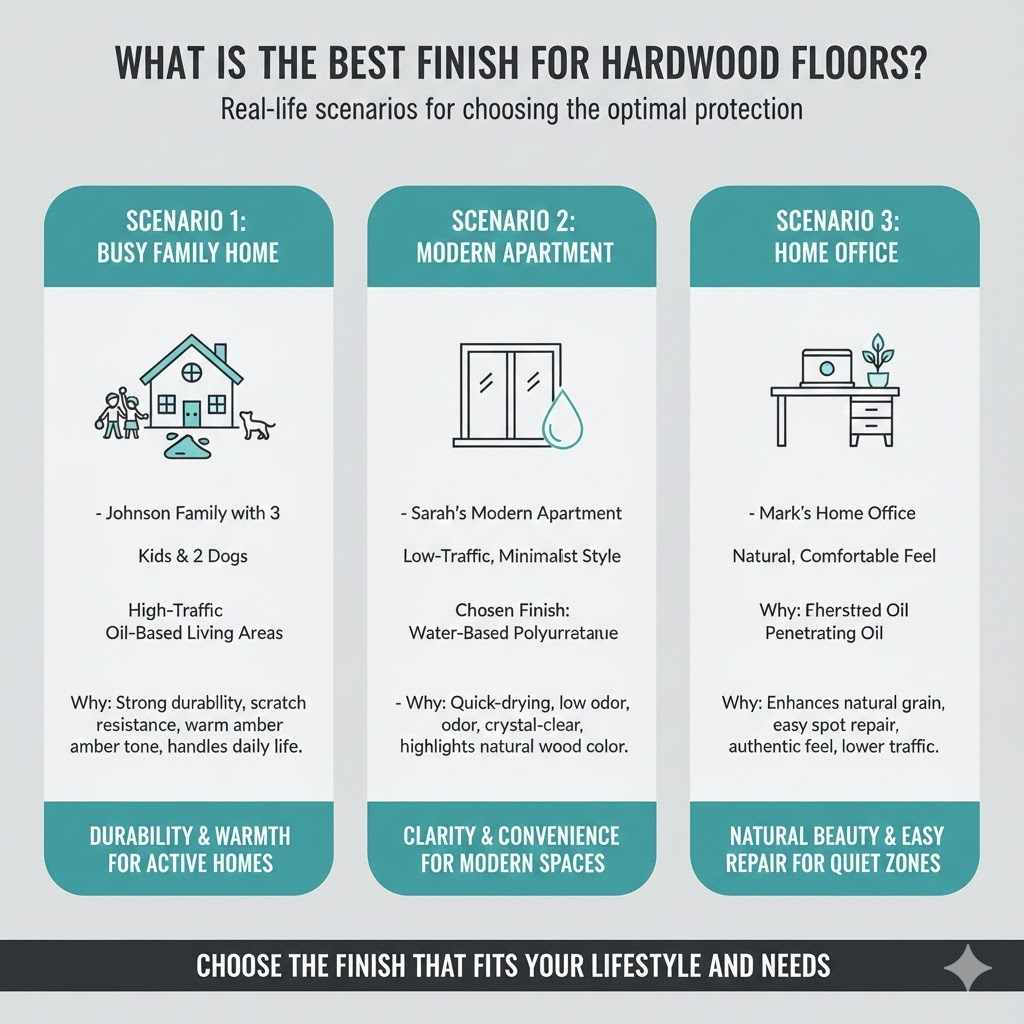
- Scenario 1: Busy Family Home: The Johnson family has three young children and two dogs. The living room and kitchen have hardwood floors. Due to the high foot traffic and potential for spills, they need a tough finish. They select an oil-based polyurethane finish for its strong durability and resistance to scratches. They understand that a little more maintenance is needed, but the warmth and protection are essential. The floors can handle daily life.
- Scenario 2: Modern Apartment: Sarah lives in a modern apartment. She prefers a sleek, minimalistic style. She chooses water-based polyurethane for its quick drying, low odor, and crystal-clear finish. It will highlight the natural color of the wood. The apartment is not exposed to extreme wear and tear. This helps her appreciate the quick application process and low environmental effect. It is a good option in her living situation.
- Scenario 3: Home Office: Mark works from home. He wants his home office to feel comfortable and natural. He selects a penetrating oil finish. This is to bring out the natural grain of the wood. He understands the finish will require more regular oiling to maintain the protection. This is less of an issue because of the lower traffic in the home office. This fits his aesthetic, which balances appearance with maintenance.
The best hardwood floor finish often depends on your home. Each scenario reveals the importance of choosing a finish that suits your needs. The goal is to balance the protection, the look, and the maintenance that best fits your lifestyle.
Frequently Asked Questions
Question: How often should I refinish my hardwood floors?
Answer: It depends on the finish and amount of foot traffic. For polyurethane finishes, you might need to refinish every 5-10 years. Penetrating oil finishes may require more frequent maintenance, maybe every 1-3 years.
Question: Can I apply a new coat of finish over my existing hardwood floors?
Answer: It depends on the existing finish. For polyurethane, you can usually apply a new coat after light sanding. For other finishes, you might need to remove the old finish first.
Question: What’s the difference between oil-based and water-based polyurethane?
Answer: Oil-based polyurethane offers better durability and has an amber tint. Water-based polyurethane has lower odor, dries quickly, and is clear. The choice depends on your needs.
Question: How do I clean my hardwood floors?
Answer: Sweep or vacuum regularly to remove dirt and grit. Use a slightly damp mop with a hardwood floor cleaner for spills and stains. Always wipe up any spills right away.
Question: Can I install hardwood floors in the bathroom?
Answer: It is not recommended to install hardwood floors in bathrooms due to moisture. If you do, consider using a waterproof finish and taking extra care to prevent water damage.
Final Thoughts
Choosing a finish for your hardwood floors involves more than just picking a product. It’s about matching the finish to your specific needs. Each finish type comes with its own set of advantages. Oil-based polyurethane is perfect for high-traffic zones due to its resilience. Water-based options are a better choice for low odor and faster drying times. Penetrating oil finishes deliver a natural appearance. Applying the finish correctly, and following a regular maintenance plan will extend the beauty of your floors. If you take the time to figure out your requirements, you can get a finish that’s just right for your home. You will also keep your floors looking great for many years to come. With the right selection, you will enhance the style and value of your home.