Paint vs. Powder Coating: Which is Superior for Wood Projects?
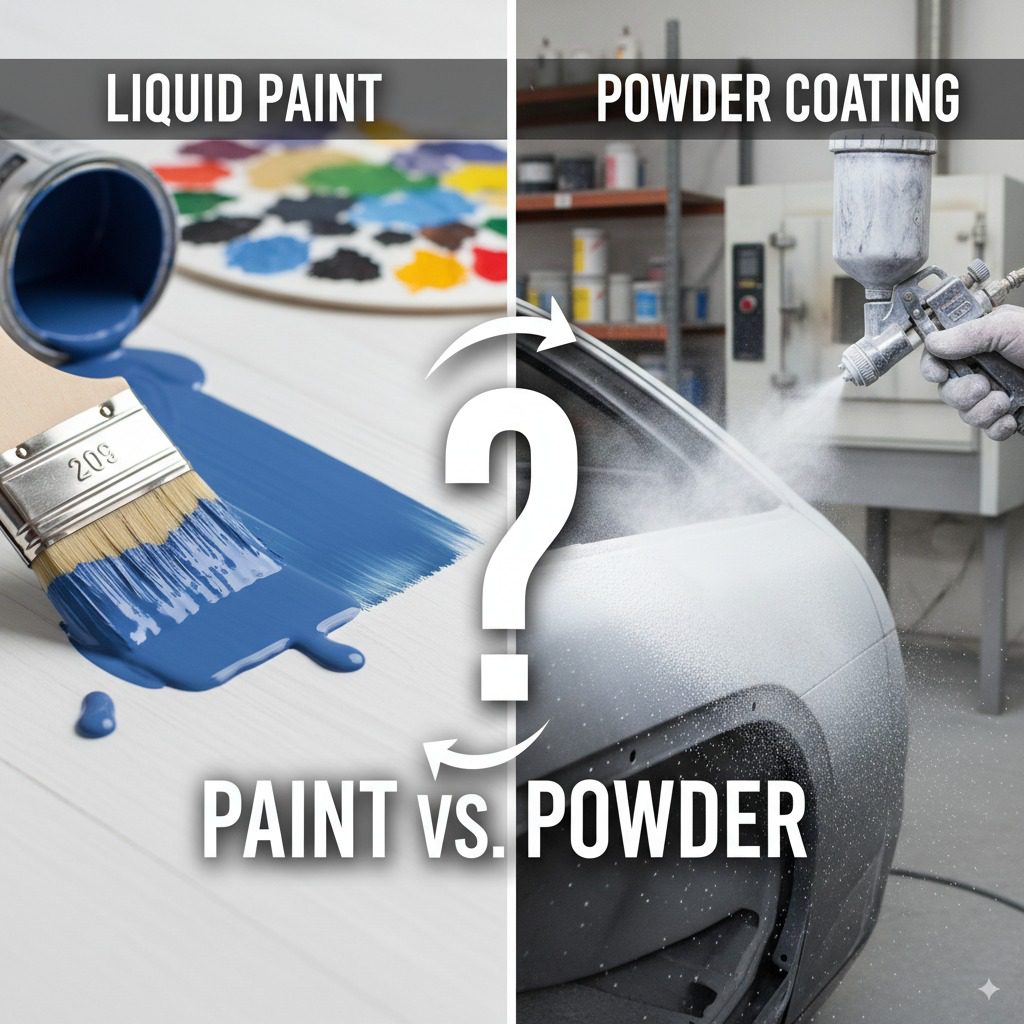
Paint is a liquid finish brushed or sprayed on wood, drying through evaporation, while powder coating is a dry powder applied electrostatically and baked for a tough bond. For beginner wood projects, paint is simpler and versatile, but powder offers unmatched durability and eco-friendliness.
Choosing the right finish for your wood project can feel overwhelming, especially if you’re new to woodworking. Many hobbyists struggle with whether to go with traditional paint or try something like powder coating, worrying about durability, ease, and results. Don’t stress—I’ve helped countless beginners navigate this, and it’s easier than you think.
As your friendly woodworking mentor, I’ll break it down simply. You’ll see the key differences, pros, cons, and when to use each. Plus, I’ll share step-by-step guides to apply them safely at home. By the end, you’ll feel confident picking the best option for your next shelf, frame, or table. Let’s dive in and make your project shine.
What is Paint?
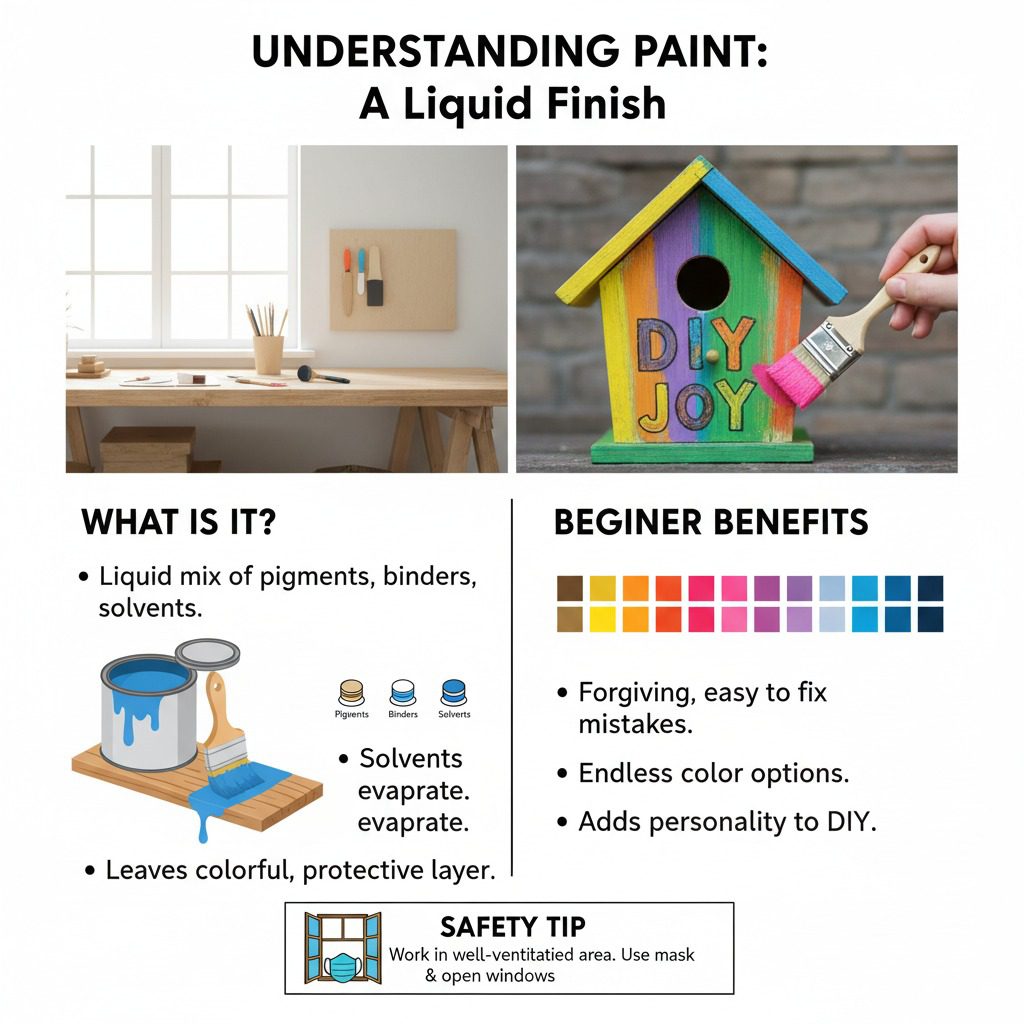
Paint is one of the most common finishes for wood projects. It’s a liquid mixture of pigments, binders, and solvents. When you apply it, the solvents evaporate, leaving a colorful, protective layer on the wood.
For beginners, paint is forgiving. You can fix mistakes easily, and it comes in endless colors. It’s great for adding personality to your DIY creations, like a bright birdhouse or a rustic sign.
Remember, always work in a well-ventilated area. Paint fumes can be strong, but with a mask and open windows, you’re good to go.
What is Powder Coating?
Powder coating is a dry finishing process. It uses finely ground particles of pigment and resin, applied as a powder. Unlike paint, there’s no liquid involved.
You spray the powder onto the surface using static electricity to make it stick. Then, you bake it in an oven, where it melts into a smooth, hard finish. This creates a bond that’s tougher than most paints.
While it’s popular for metal, powder coating works on wood too, especially MDF or engineered woods. It’s eco-friendly since it produces no volatile organic compounds (VOCs).
If you’re curious about sustainability, check out this EPA guide on coatings for more details.
Key Differences Between Paint and Powder Coating
Understanding the basics helps you choose wisely. Paint and powder coating differ in application, durability, and environmental impact. Let’s compare them side by side.
| Aspect | Paint | Powder Coating |
|---|---|---|
| Form | Liquid with solvents | Dry powder, no solvents |
| Application | Brush, roller, or spray | Electrostatic spray then bake |
| Drying/Curing | Air dries by evaporation | Heat-cured in oven |
| Thickness | Thinner layers, can drip | Thicker, uniform finish |
| Environmental Impact | Releases VOCs | No VOCs, overspray reusable |
| Cost for Beginners | Low initial setup | Higher due to equipment |
These differences mean paint is often quicker for small projects, while powder shines for long-lasting results.
Pros and Cons of Paint for Wood Projects
Paint has been a go-to for woodworkers for years. It’s accessible and fun to use. But like anything, it has upsides and downsides.
Pros
- Easy to apply with basic tools like brushes or rollers.
- Affordable and available at any hardware store.
- Wide range of colors and finishes, from matte to glossy.
- Simple touch-ups if you scratch or chip it.
- Great for creative projects where you want to layer colors.
Cons
- Can release harmful fumes, so ventilation is key.
- May drip or show brush marks if not applied carefully.
- Less durable against scratches and weather compared to powder.
- Drying time can be long, delaying your project.
- Not as eco-friendly due to solvents.
Overall, paint is perfect if you’re just starting out and want quick, colorful results.
Pros and Cons of Powder Coating for Wood Projects
Powder coating brings a professional touch to your work. It’s gaining popularity even for wood, but it requires more prep.
Pros
- Extremely durable—resists chips, scratches, and fading.
- Uniform finish without drips or uneven spots.
- Eco-friendly with no VOC emissions.
- Thicker coating for better protection.
- Long-lasting, often up to 20 years.
Cons
- Needs special equipment like a spray gun and oven.
- Not ideal for all woods; best on MDF or pretreated surfaces.
- Harder to touch up if damaged.
- Higher upfront cost for tools.
- Heat curing can warp sensitive woods if not careful.
If your project needs toughness, like outdoor furniture, powder is worth the effort.
When to Use Paint vs. Powder Coating in Woodworking
Deciding between the two depends on your project. Think about where it’ll live and how it’ll be used.
Use paint for indoor items like picture frames or shelves. It’s quick and lets you experiment with colors.
Go for powder coating on high-wear pieces, like kitchen cabinets or garden benches. It’s tougher against moisture and bumps.
For beginners, start with paint to build skills. Once comfortable, try powder for that pro finish.
Consider your budget too. Paint is cheaper for one-offs, while powder saves long-term on durability.
How to Apply Paint to Wood Projects: Step-by-Step Guide
Painting wood is straightforward and rewarding. Follow these steps for a smooth, professional look. Always prioritize safety—wear gloves, a mask, and eye protection.
- Prepare your workspace: Lay down drop cloths and ensure good ventilation. Gather tools: sandpaper, primer, paint, brushes or rollers, and stir sticks.
- Sand the wood: Start with 150-grit sandpaper to smooth the surface. Wipe away dust with a tack cloth.
- Apply primer: Use a wood primer to seal the grain. Brush on evenly and let dry for 1-2 hours.
- Paint the first coat: Stir the paint well. Apply in thin layers along the grain. Avoid overloading your brush to prevent drips.
- Sand lightly: Once dry, sand with 220-grit paper for smoothness.
- Add second coat: Repeat painting. Let dry completely, usually 4-6 hours.
- Finish up: Optional: add a clear topcoat for extra protection. Clean tools right away.
Tips: Work in even strokes. If using spray paint, practice on scrap wood first. For more on safe painting, see this University of Minnesota resource.
This method works great for beginners. You’ll get beautiful results without fancy gear.
How to Apply Powder Coating to Wood: Step-by-Step Guide
Powder coating wood takes more setup but delivers stunning durability. It’s best for MDF or hardwoods. Safety first: use heat-resistant gloves, a respirator, and work in a ventilated space.
- Choose suitable wood: Opt for MDF—it’s consistent and handles heat well.
- Prepare the surface: Sand to 150-grit and clean thoroughly. Apply a conductive spray if needed to help powder stick.
- Preheat the wood: Warm it in an oven at 200-250°F for 10-15 minutes to release moisture and aid adhesion.
- Apply the powder: Use an electrostatic gun to spray evenly. The static charge holds it in place.
- Cure in oven: Bake at 300-400°F for 10-20 minutes, depending on powder type. Watch for even melting.
- Cool down: Let the piece cool slowly to avoid cracks.
- Inspect and finish: Check for coverage. No need for topcoats—it’s already tough.
Beginner tip: Start small. If you’re new, consider low-temp powders to protect the wood. For environmental benefits, refer to this EPA powder coating update.
With practice, powder coating will elevate your projects to pro level.
Tools and Materials Comparison
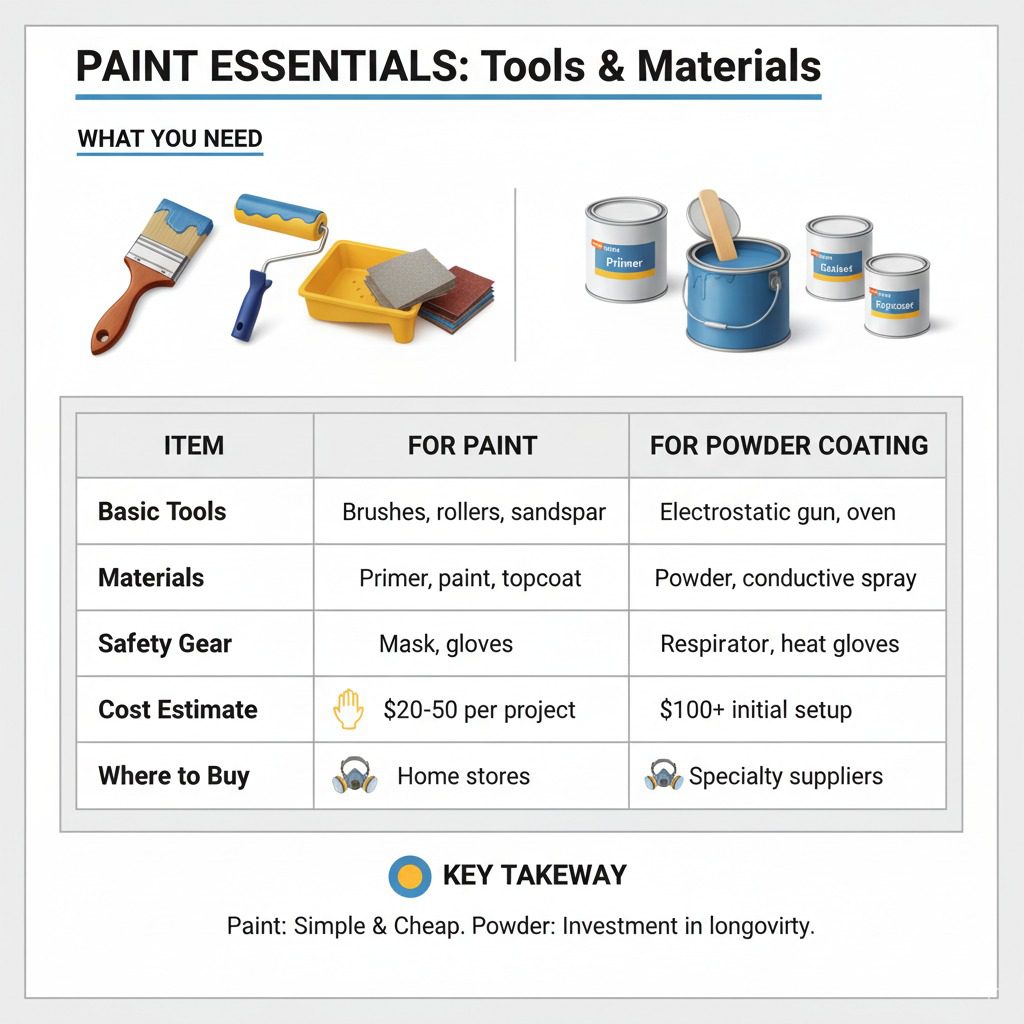
Here’s a handy table to see what you’ll need for each method. This helps budget and plan your workshop setup.
| Item | For Paint | For Powder Coating |
|---|---|---|
| Basic Tools | Brushes, rollers, sandpaper | Electrostatic gun, oven |
| Materials | Primer, paint, topcoat | Powder, conductive spray |
| Safety Gear | Mask, gloves | Respirator, heat gloves |
| Cost Estimate | $20-50 per project | $100+ initial setup |
| Where to Buy | Home stores | Specialty suppliers |
Paint keeps things simple and cheap, while powder invests in longevity.
Safety Tips for Both Methods
Safety is non-negotiable in the workshop. Always read labels and follow guidelines.
- Wear protective gear: masks for fumes, gloves for skin.
- Ventilate: Open windows or use fans.
- Avoid flames: Both can be flammable.
- Store properly: Keep away from kids and heat.
- Clean up: Dispose of waste responsibly.
These habits keep you safe and your projects fun.
Common Mistakes to Avoid
Even pros slip up sometimes. Here’s how to sidestep pitfalls.
For paint: Don’t skip sanding—it leads to peeling. Apply thin coats to avoid runs.
For powder: Overheat can warp wood. Test temperatures on scraps.
Always test colors on hidden areas. Rushing drying times ruins finishes.
Take your time, and you’ll love the outcome.
Frequently Asked Questions
Can I powder coat any type of wood?
No, not all woods work well. MDF is ideal because it’s uniform and heat-tolerant. Natural woods need pretreatment to conduct electricity. Avoid softwoods that might warp.
Is powder coating more expensive than painting?
Upfront, yes—due to equipment like guns and ovens. But it lasts longer, saving money over time on repairs or repaints.
Does paint or powder coating last longer on outdoor wood projects?
Powder coating typically outlasts paint outdoors, resisting weather and UV better. Paint may need touch-ups every few years.
Can beginners do powder coating at home?
Yes, with the right tools and practice. Start with small pieces. It’s more involved than painting, but rewarding for durable finishes.
How do I clean painted or powder-coated wood?
For both, use mild soap and water. Avoid abrasives on powder to prevent scratches. Paint might need gentler handling if not sealed.
Is powder coating eco-friendlier than paint?
Absolutely. It has no solvents or VOCs, and unused powder can be reused. Paint often releases harmful emissions.
Can I mix paint and powder on one project?
It’s possible but tricky. Use paint for details and powder for base if compatible. Test adhesion first.
We’ve covered the differences, applications, and tips to get you started. Whether you pick paint for its simplicity or powder coating for its strength, the key is enjoying the process. Remember, every project builds your skills. Grab your tools, stay safe, and create something beautiful. If it doesn’t turn out perfect, that’s okay—woodworking is about learning and having fun. Happy crafting!