What to Use After Citristrip: Neutralize, Sand, and Refinish Right
After Citristrip finishes lifting the old paint or varnish, the wood still is not ready for a new finish. Wipe the surface down with mineral spirits or a dedicated stripper wash to pull off the leftover residue, let it dry fully, then give it a light hand-sanding. What you use after that – a stain, a pre-stain conditioner, or a straight clear topcoat – depends on the look you are going for, which we will walk through below.
Neutralize the Residue First
Citristrip is gentler than a lye-based or methylene-chloride stripper, but it still leaves a thin, slightly waxy film behind even after you have scraped and rinsed. That film is not just cosmetic – it sits down in the wood’s open grain and can physically block a new stain or finish from soaking in evenly, leaving dull patches or spots that never quite dry the same as the rest of the piece. Citristrip and Klean-Strip are actually made by the same company, W.M. Barr, and Klean-Strip’s own odorless mineral spirits (or its dedicated After Wash product, sometimes just called a paint stripper wash) is one of the most common ways people clean up after a Citristrip session. Pour a small amount onto a clean rag and wipe with the grain until the rag stops picking up any orange-tinted residue.
Plain water alone will not do this job. Citristrip’s gel is designed to cling to vertical surfaces and stay active for a long working time, which means it is formulated to resist rinsing away with just a hose or a wet rag – that is a feature while you are stripping, but it is exactly why a solvent-based wipe-down matters once you are done. TSP (trisodium phosphate) mixed with water is a workable substitute if you would rather avoid a petroleum solvent indoors, though it needs a clean-water rinse afterward and a bit longer to dry before you move on to sanding.
Best Post-Stripping After-Wash
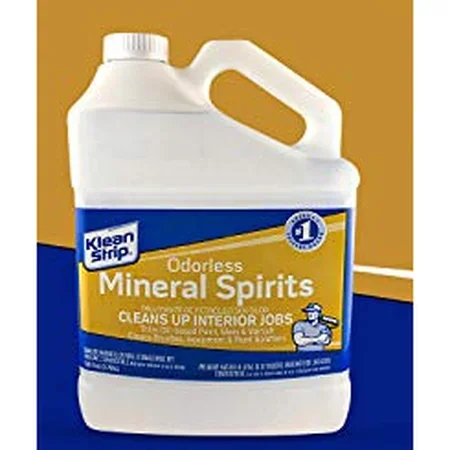 |
Klean-Strip Odorless Mineral Spirits, 1-Gallon – $21.98 Made by W.M. Barr, the same company behind Citristrip – a straightforward wipe-down solvent for pulling leftover stripper residue off the wood before you sand or refinish.
|
Why Skipping This Step Ruins the New Finish
It is tempting to skip straight to staining once the wood looks clean, but leftover stripper residue is the single most common reason a “properly stripped” project ends up with a blotchy stain job or a topcoat that stays tacky for days. The residue changes how the wood’s surface absorbs liquid – some spots soak up stain normally while the areas still coated in film resist it, and the color difference shows up the moment the stain goes on, not before. A finish applied over residue can also lose its bond over time, which is why a piece that looked fine on day one sometimes starts peeling or flaking within a few months. A five-minute wipe-down with mineral spirits is cheap insurance against redoing the whole project.
A quick way to check you are actually done: after the mineral spirits wipe-down dries, run a clean white rag over the surface. If it comes away clean with no orange or waxy tint, you are ready to move on. If it still picks up color, give it a second wipe-down before sanding.
This matters more on some woods than others. Open-grained species like oak, ash, and mahogany have larger pores that trap more residue and take longer to fully release it, so give those an extra few minutes of dwell time with the mineral spirits before wiping. Tighter-grained woods like maple or cherry clean up faster, but they are also less forgiving of any residue left behind, since it shows up as a visible blotch rather than blending into the grain pattern.
Light Sanding: Smoothing the Surface Before Anything New Goes On
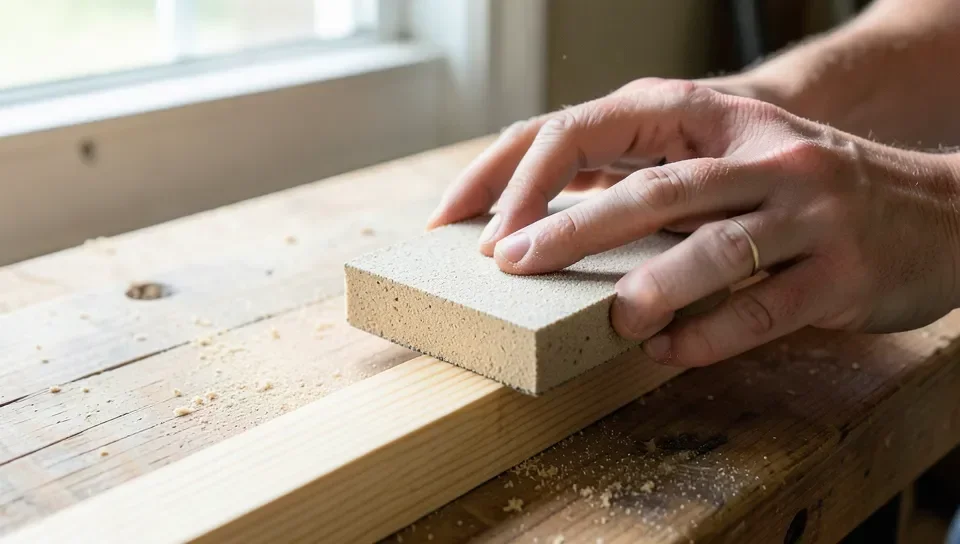
Stripping and the mineral spirits wipe-down both introduce a little moisture to the wood, which raises the grain slightly – you will usually feel a faint roughness that was not there before you started. A light pass with 220- to 320-grit sandpaper, sanding with the grain rather than against it, knocks that texture back down and also removes any last traces of old finish sitting in low spots the stripper could not fully reach. Do not go aggressive here; you are smoothing, not removing material. Wipe the dust off with a tack cloth or a slightly damp microfiber cloth before applying anything else, since trapped sanding dust under a new finish shows up as a gritty, uneven texture once it cures.
Choosing What Comes Next
Once the wood is clean, dry, and lightly sanded, the right next product depends entirely on the look you want for the finished piece.
Going Natural: Straight to a Clear Topcoat
If you like the wood’s natural color and just want it protected, you can skip stain entirely and go straight to a clear finish – polyurethane, varnish, shellac, or lacquer, depending on how much durability and sheen you want. Polyurethane holds up best on anything that gets handled or sat on regularly; shellac dries fast and is easy to repair but is more sensitive to water and heat. Whichever you choose, apply thin coats and lightly sand between each one with fine-grit paper for the smoothest final result.
Adding Color: Stain (and When You Need a Conditioner First)
If you want to change or deepen the wood’s color, stain goes on after the cleanup and sanding steps above. Open-grained hardwoods like oak or walnut generally take stain evenly on their own. But if you are refinishing something made of pine, poplar, birch, or another tight, blotch-prone softwood, apply a pre-stain wood conditioner first – it evens out how the wood absorbs the stain so you do not end up with the dark splotches those species are notorious for. We cover exactly why pine and similar woods blotch, and how to head it off, in our guide to staining pine. Whichever stain type you pick, wipe off the excess after a few minutes rather than letting it puddle, and let it cure fully before adding a protective topcoat over it.
A Safety Point Most Guides Skip: Disposing of the Rags
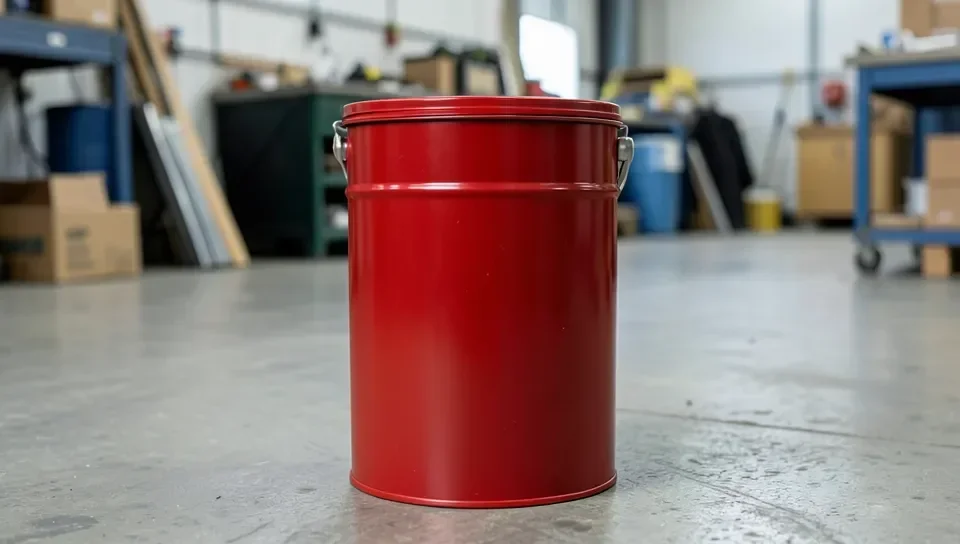
Both Citristrip cleanup and the mineral spirits wipe-down leave you with solvent-soaked rags, and balling those up and tossing them in a trash can is a genuine fire risk, not just a theoretical one. Oily and solvent-soaked rags can heat up on their own as the solvent oxidizes and evaporates, and if that heat has nowhere to escape – like inside a crumpled rag in a closed bin – it can build up enough to ignite the rag with no open flame or spark involved. Fire departments respond to real shop and garage fires traced back to a pile of solvent rags every year. The fix is simple: lay used rags flat outside to dry completely before throwing them away, or submerge them in a metal container of water with a sealed lid and dispose of them according to your local hazardous-waste guidelines. Either way, do not leave a wadded-up rag sitting in a pile overnight.
Frequently Asked Questions
What Are The Best Alternatives To Citristrip?
Bio-Clean, Soy Gel, and Dumond Smart Strip are common alternatives, along with Klean-Strip’s own After Wash line for the cleanup stage. Each has a different formula and dwell time, so check the label for the specific finish you are removing.
How Long Should I Wait After Using Citristrip?
Let the surface dry completely after the mineral spirits wipe-down before doing anything else – usually 30 minutes to a few hours depending on humidity and ventilation. Always confirm with a clean rag that no residue transfers before sanding or applying a new finish.
Can I Use Citristrip Outdoors?
Yes, and outdoors is often the safer choice for ventilation. Pick a dry, mild day with temperatures between 65 and 85 degrees Fahrenheit, and keep the project out of direct sun and wind so the gel does not dry out before it finishes working.
Conclusion
The order that actually works after Citristrip is: neutralize the residue with mineral spirits or a dedicated after-wash, confirm the surface is clean with a white rag, sand lightly with the grain, then pick your next product based on the look you want – clear topcoat for natural color, a pre-stain conditioner first if you are staining a blotch-prone wood like pine or poplar, or straight stain on an open-grained hardwood. Handle the used rags properly and you will have a clean, well-prepared surface ready for a finish that actually lasts. Not sure you need a separate neutralizer at all? Here is what the Citristrip label actually says.
Sponsored / affiliate links. As an Amazon Associate I earn from qualifying purchases. I may earn additional commission from eligible campaigns.