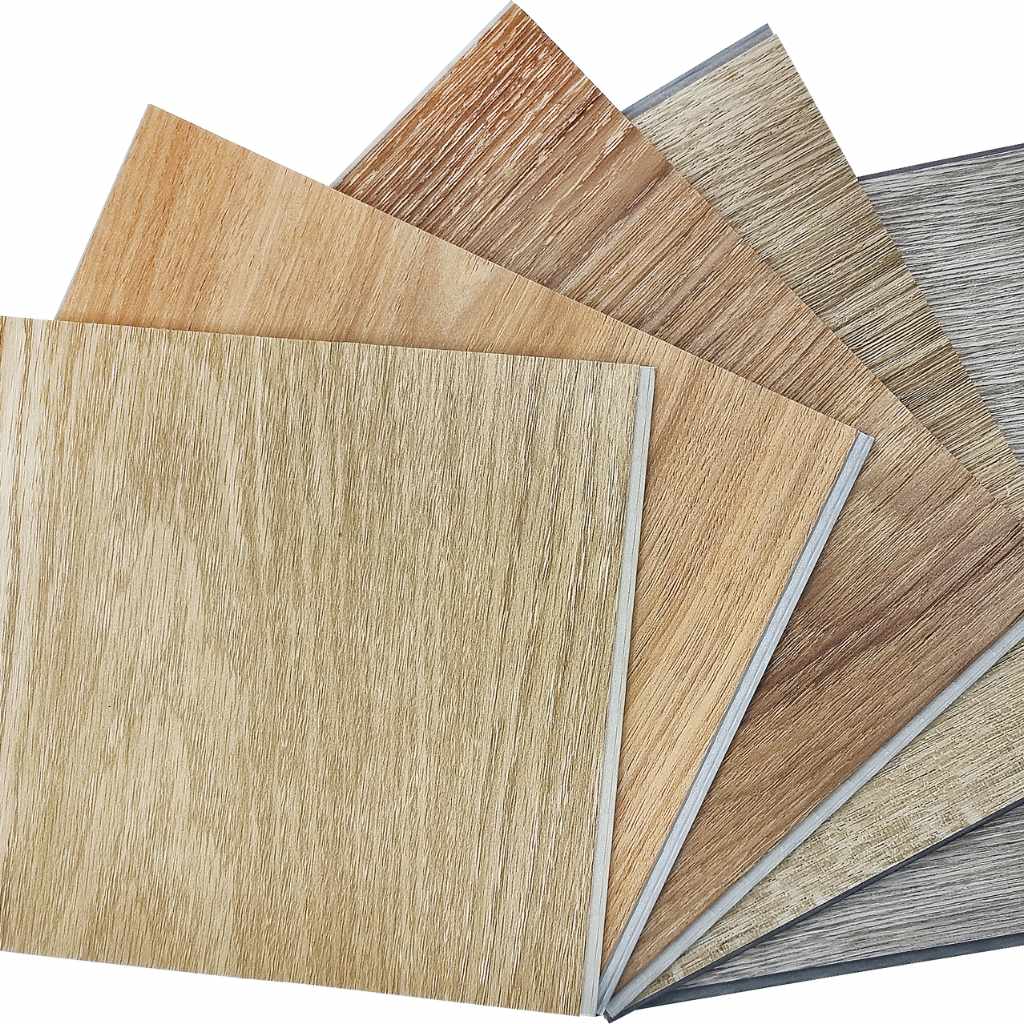
Where To Buy Ash Wood: Proven Essential Source
You can reliably get high-quality ash wood from local lumberyards, specialty hardwood dealers, and reputable online sources that cater to woodworkers and craftspeople. Before buying, decide on the form you need—whether green, kiln-dried boards, veneer, or smaller cut pieces—to ensure a perfect match for your DIY project’s stability and ease of use.
There’s nothing like the sight of beautiful ash wood for a new project. It has such great grain and handles carving or staining wonderfully. Finding the right source for this specific hardwood can often feel tricky, especially when you are new to buying lumber instead of just picking up wood at the big box store. You worry about getting wood that isn’t dry enough or figuring out who sells quality material. Don’t worry! I’m here to guide you through every useful option, making sourcing your materials just as enjoyable as crafting in the shop again. We will review established places—from your town to across your screen—so you bring home only the best ash for your next rewarding build. Ready to find your long-term wood connection? Let’s start exploring where experienced woodworkers go to buy ash wood.
Diving into Ash Wood Deeply: Why You Need to Know the Source
Before we talk about “where,” let’s quickly chat about why an expert insists you buy from a proven source. Ash wood, like oak or maple, is a fantastic North American choice known for its strength, incredible shock resistance (think strong baseball bats!), and beautiful, distinct grain pattern. It’s often bright white or pale sometimes creamy coloring makes it excellent for painting or staining beautifully.
However, ash wood is currently vulnerable due to the Emerald Ash Borer (EAB) insect. This pest has unfortunately wiped out many ash trees across the land. Good suppliers do much more work than home centers to manage their stock responsibly, ensuring they:
- Harvest sustainably (supporting responsible forestry).
- Properly dimension and dry their stock carefully (crucial, so your project doesn’t twist later!).
E. Cover or address problems, informing you about the wood’s history.
Knowing a reliable place means building long-distance projects on a foundation of stability and good quality, which saves time and keeps frustration far away from your workbench. Investing time in the source guarantees great success for your woodworking outcome!
Primary Proven Sources: Your Top Local Spots for Ash Wood (The Best Starting Point)
For any beginner woodworker, focusing on highly reputable local options is usually the fastest path to success. These sources generally allow you to inspect the material yourself, which is extremely valuable when you are still learning what “good” wood feels and looks like.
1. Local & Regional Lumberyards
Traditional lumberyards are geared toward contractors, but most dedicated yards understand woodworking; they simply might use slightly different terms some days. They focus on dimensional lumber (ready-to-use sizes, like 1x6s or 2x4s) more than fine furniture planks (wide boards). However, keep an eye out—they are truly the best at guaranteeing their wood has been properly acclimatized (brought to room temperature standards over time).
Pros of Local Lumberyards:
- You can physically inspect every board for warp or defects the second you buy it.
- They often stock rough-sawn cedar and pine, and may sometimes handle domestic hardwoods too!
- Support local economies directly.
Visiting Tip: Bring a simple moisture meter on humid days. Ask standard softwood yard staff when the hardwood arrived or if they keep it under roof conditions—climate control is key!
2. Specialty Hardwood Dealers & Architectural Yards
These businesses are the Holy Grail if you plan to build furniture pieces like quality cabinets, custom tables, or musical instrument components. These yards exclusively order FAS (First and Seconds) and high-grade ash harvested specifically for cabinet-grade work. They manage climate control much better than standard supply yards.
A good dealer will have several grades of their material stacked inside temperature- and humidity-controlled environments. They often cut rough sections into precise sizes so that you start closer to your finished dimension. Some of their ash comes pre-surfaced, often marketed as ‘S4S’ (surfaced on four sides—very smooth!).
Since you likely need wood cut precisely, you won’t just find ash board; you might also find pre-cut veneer or specialized moulding patterns that match other wood species you are considering. Looking at online resources for forestry management can sometimes connect you to locally certified growers, such as those listed by university extension offices (like those focusing on sustainable timber practices in the regional forestry departments across different state universities) or responsible wood buying groups in your surrounding area.
Evaluating Ash Options: What Form Do You Need to Buy Awesomely?
“Ash wood” isn’t just one thing the mill sells; it needs to be prepared correctly before it leaves! Choosing the wrong preparation leads to big problems during building—for example, using green wood when you absolutely need dried boards.
What is the first step to ensure your ash lasts a decade? Moisture Content.
Kiln Dried (KD) vs. Air Crying vs. Green Wood
Understanding moisture content is essential for dimensional stability. If wood retains too much native moisture, screws and joinery will loosen, panels will cup overnight, and finishes will crack! We want wood that sits comfortably next to materials already acclimated inside your workshop.
| Type of Cut Wood | Primary Use Case | Ideal User |
|---|---|---|
| Kiln Dried (KD – Lower MC) | Furniture, interior trims, precise joinery where warping stability is paramount. The U.S. Forest Products Lab (FPL) outlines ideal drying procedures relating to desired equilibrium moisture content. | Beginners (use immediately) |
| Air Kried (AC) | Shop stock, turning blanks, projects that have a long rest period before construction. Requires conditioning. | Intermediate (needs weighing period) |
| Green (Freshly Harvested/Milled) | Outdoor art projects, specific crafts where shrinkage movements are intended part of the design, decorative firewood features. | Advanced (high risk of major dimensional shifts) |
Here’s a crucial thing to lock away: For almost everything inside your heated home—boxes, shelves, even strong garden benches—you absolutely must use Kiln Dried (KD) Ash lumber, as air dried material is often only stable around 15–18% MC when the indoor standard should be consistently closer to 6%—8%. Learning this keeps future projects warp-free!
Where to Buy Ash Wood Online (The Modern Way to Source Scarce Species)
Maybe a quality yard carrying ash isn’t nearby? Thanks to modern sorting and freight solutions, buying premium woods like White Oak or Ash online safely has become realistic, even for smaller orders. Precision is required during catalog searches.
What to Look for in a Reputable Online Supplier
You cannot touch or view the wood when sourcing online, so trust systems developed by good sellers replace physical inspection.
The Golden Ticket: Photography Standards
Do not buy rough ash boards from small online ad vendors that do not provide actual, high-resolution photos of the EXACT boards you are purchasing. The only safe options offer what’s called “Viewing Sticks” or “Viewing Each Board:” that feature top-side, end-view, sapwood/heartwood ratio photos, and crucial measurements written clearly on the sample pallet or stack wrap!
Checking Shipping and Handling Standards
Ash often weighs significant amounts relative to its volume (it’s dense!) Finding vendors who stack the material on reinforced skids, band it correctly, wrap it, and prep it specifically for freight transit is important. Ask about the transit time versus the expected pallet heat buildup during summer weather, which can bake the boards during travel.
- Preferred Shipper Check: Try sites that coordinate LTL (Less-than-Truckload) shipping dedicated specifically to specialty wood so it doesn’t shift and crush during mainline transport next to drywall packages. Seek expert feedback in online woodworkers forums about which online sellers specialize in secure, dense wood freight delivery to your region without massive damage risks.
- Veneer Check: If veneers (thin sheets) are needed for detailed craft boxes, reputable veneer houses offer unmatched selection graded digitally. Purchase them grouped closely in weight or size bins to mitigate cracking due to improper pressure variance during shipping.
The Best Online Vendors to Start Investigating:
Generally, businesses focused 100% on custom hardwood sales online are better equipped than sellers treating wood as simple retail stocking material. Some major national suppliers have dedicated high-end hardwood portals that offer certified KD domestic species. Starting a search focused on “Kiln Dried White Ash domestic plank suppliers” is the best path; you might find suppliers who supply flooring mills but decide to sell excess high-grade planks as well.
When All Else Fails: Educational Sources That Know Woods (Turning to Academia)
If you are unsure why ash quality matters so much or haven’t visited three specialty dealers yet, tapping into local educational knowledge sometimes yields surprising connections. Local vocational high schools (woodshop skills programs) or community college woodworking departments source immense amounts of quality control wood for learning labs and often have strict vendors they use.
Reach out to the instructor; sometimes, their annual buying bulk purchase comes from a specialized large yard which provides discounts and great material specification tracking—the source information you need! Your local USDA Natural Resources Conservation Service (NRCS) database, while usually geological, can sometimes point towards regional sustainable logging hubs specializing in larger-demand hardwoods like ash, potentially guiding you towards certified forest management groups operating in proximity ready to supply finished stock!
Alternative Ash Grades & Forms: Matching Material to Craft Scope
I hope getting quality KD boards makes sense now! But what if your project cost is budget stretching, similar to building simple shop furniture that needs to look nice (like an upgraded tool cart)? You might consider lower-grade stock or finding specialized forms instead of premium FAS dining table slabs. I’ve compiled considerations for lower-grade needs below.
Tool Repair & Turned Item Stock (The Best Options for Small Pieces)
If you only need a chair spindle repair blank dimension in the 1.5-inch stock range, a turning supplier is a unique source. Look for companies selling wood specifically for the craft of woodturning (making items fast on a lathe). These suppliers understand dimensional checks tightly because high spins reveal every internal imperfection.
Small hardwood suppliers who deal in turning stock commonly manage this product efficiently. They often sell wood by large blocks rather than boards, which means there’s less surface area exposure historically prone to absorbing shop dampness before cutting the final shape.
We need a dedicated look at budget grading:
| Quality Grade Focus | Common Appearance Caveat | Best Project Application |
|---|---|---|
| FAS (Firsts & Seconds Grade) | Widest face clear of major defects required on 90% of all usable surface inches; very clean and bright stock. | Exposed tabletops, fine cabinets, high-detail furniture where continuous boards run long paths. |
| Select & Better (Premium Box Grain) | Focuses mostly on clean appearance grade required for manufacturing repetition where uniformity is key. | Shaker style built-ins, repeatable batch items, painted pieces for solid structural density. |
| Common #1 & #2 (Good Common Blended) | Contains knots clusters and tight defects; requires more waste material removed through milling. | Shop casework (e.g., stand shells, secondary supports), heavy cleat application needing strength but not eye-catching looks. |
Buying less-than-perfect boards is savvy budget management for a DIYer, provided you recognize how much rough lumber you must trim away to get a good finished piece! Always calculate necessary waste into your purchase volume (e.g., buy 20% extra board feet if you buy Common #2 instead of guaranteed FAS!). Remember lumber loss planning builds savings and decreases frustration!
The Local Approach – Developing Direct B2B Rapport: Farming Contacts
Do you live near forested sections or older towns built near milling industries? There’s a high chance incredible hardwood suppliers sold primarily to the local trade used to stop selling widely once digital contact took over main business lines. They haven’t disappeared; they’ve either consolidated into a bigger regional supplier or they still source locally.
Your goal here is tapping into the supply chain before the sawmills’ cutting process has cleaned the wood up greatly through drying standardization. Finding someone who processes standing trees can save serious money on board feet purchased directly from primary milling contracts or sustainable local harvest aggregators registered with state trade groups promoting quality domestic species use – which leads us back slightly to university extension guides mentioning which hardwood logging outfits strictly follow best practices regarding the selection and immediate sheltering of harvested timber, protecting valuable resources like your favorite hickory and yes, your elusive ash!
Working with Small Sawyers After Tree Concerns
Due to EAB stress on ash, often your best bet for sustainable, higher-yield ash boards might come from small sawmills contracted for specialized trimming after municipal or insurance removals. When a large, stately ASH tree has dropped, municipalities hire specialized forestry crews who often work with smaller band or circular saw mills to cut up large trunks before cleanup for cost stabilization.
Tracking down the management group used for municipal clearing sometimes reveals amazing opportunities to snag ash boards while they already transition this stressed resource into usable parts! This requires networking directly through neighborhood Facebook groups following loss notifications or contacting your town facilities department respectfully about their contract milling service for dangerous tree removals.
Safety Tip: Handling Green vs. Kiln-Dried Wood Differences
When moving wood yourself (from location #1 or #5 to your shop), whether it’s KD or still moist dramatically changes handling practice.
1. Density: Know its weight! Four nice 2″ × 10″ × 8′ green ash boards might exhaust an average person, requiring a wheeled cart, even for thirty feet off a truck/trailer parked legally or if a dedicated equipment lift assist is required for off-loading by your purchase source. Green KD Ash lumber is surprisingly difficult to hand-carry repeatedly safely across long distances. Work smart; use the right tools immediately when dealing with 1,80 lbs to 2,200¼ lb boards! (Reputable woodworking guides stress measuring handling weight properly based on desired output stability).
2. Stacking: If that wood is KD, stack tight sticker materials (dry spacers 1 inch thick every eighteen inches high) in a climate-controlled room where airflow meets current moisture needs of the final project design phase. Do proper sticker separation on site for material consolidation if you cannot stack at home immediately yet. Air Flow Management systems are crucial!
Frequently Asked Questions by New Woodworkers Seeking Ash Wood
When asking industry professionals where to acquire high demand building components effectively, beginners often hit similar confusing points. Aim fast; use clear answers:
Q1: Can I easily buy ash wood at general, big home improvement chain stores?
A1: It is rare. These chains focus heavily on mass-sold softwoods like pine or treated woods; they carry few quality domestic kiln-dried hardwoods necessary for demanding indoor projects. You will rarely find predictable ash grades there unless you are extremely lucky or passing during a fluke regional stock shipment rotation; check specialty depots primarily.
Q2: What percentage of moisture content (MC) should Kiln-Dried White Ash be?
A2: For all stable indoor furniture projects intended exclusively for comfortable climate housing like North American homes stabilized via typical HVAC central units), you should strictly aim for wood stabilized between 6% and 8% MC. That consistency confirms premium drying efforts.
Q3: I am planning an outdoor ash ash piece. Do I still need kiln-dried wood?
A3: No! Outdoor items greatly favor wood that breathes faster outside, like wood intentionally remaining air-dried (ac) or “treated”—often requiring specific density or pressure systems (like treated pine doesn’t perform well versus cedar wood treatments for the ground contact environment). Specialized white ash grade sources will designate “outdoor species utility lumber” very clearly.
Q4: How can I tell if a vendor offering ash wood cheap is not drying it correctly?
A4: Look for discoloration inconsistencies along plank ends (not uniform color throughout the face), soft edges along the wider width not aligning centrally when boards stack tightly (board warp present before sealing) or uneven density when tapping or sanding the ends of prospective stock prior to purchase.
Q5: Is Ash wood generally expensive compared to local oak or maple?
A5: Often, no! In good years, Ash density makes it competitively strong against Red Oak/Maple value indexes. However, due to Evasion Pest risks currently placing supply lower across many sourcing points around North America at large lumber consolidation hubs, supply chain fragility might inflate costs locally where demand persists heavily for sporting/tool demands where suppliers worry volume depletion.
Q6: Does ‘White Ash’ look different enough from ‘Green Ash’ when purchasing?
A6: When young, yes! Botanically different species exist, but often within sourcing trade contexts, the discussion revolves around the sapwood lightness vs. internal heartwood coloration shift dependent on species plus milling intent post-harvest! Always confirm species (your receipt should list ‘Hardwood: Fraxinus’ species variety). Sapwood versus Heartwood delineation is typically the defining visual feature for buyers determining grade aesthetic targets.
Conclusion: Building Confidence in Your Ash Wood Purchase Today
Finding where to buy ash wood successfully shifts from feeling like a treasure hunt to following familiar dealer channels. You now know the crucial difference in moisture content: lean heavily into local specialty hardwood dealers for immediate stability using proven Kiln Dried stock (KD) for immediate building tasks, or investigate respected, visually transparent specialized online portals for selection that might narrow your region’s product limits!
Great craftsmanship truly starts where your raw material originates. Avoid shortcuts by confirming wood storage environment history; if ash feels improperly dense or seems unstable in the pallet stack, safely walk away—there is always dependable, ready grain available if you check these confirmed suppliers first! Take your knowledge surrounding sustainable sourcing and density factors next step: focus on finding high-quality material this week for a very solid, rewarding woodworking output you’ll value for years down the line. Happy crafting mentors!