Wood vs. Plastic Cutting Boards: What a UC Davis Bacteria Study Found
In the early 1990s, UC Davis food microbiologist Dean O. Cliver set out to prove that wood cutting boards were a bacterial risk compared to plastic. His own research showed the opposite: when he deliberately contaminated both materials with Salmonella and E. coli, the wood board’s surface bacteria died off within minutes, while the same bacteria survived for hours in the knife grooves of the plastic board — even after a hot, soapy wash. That single finding still shapes how food-safety researchers talk about cutting boards today, and it’s the reason the “wood vs. plastic” debate isn’t as simple as most kitchen articles make it sound.
Neither material is universally safer. Each one wins on different points — hygiene mechanics, knife wear, upkeep, cost, and environmental impact — and the right pick usually depends on how you cook, not which material “wins” in the abstract. Here’s how they actually compare.
The Case for Wood Cutting Boards
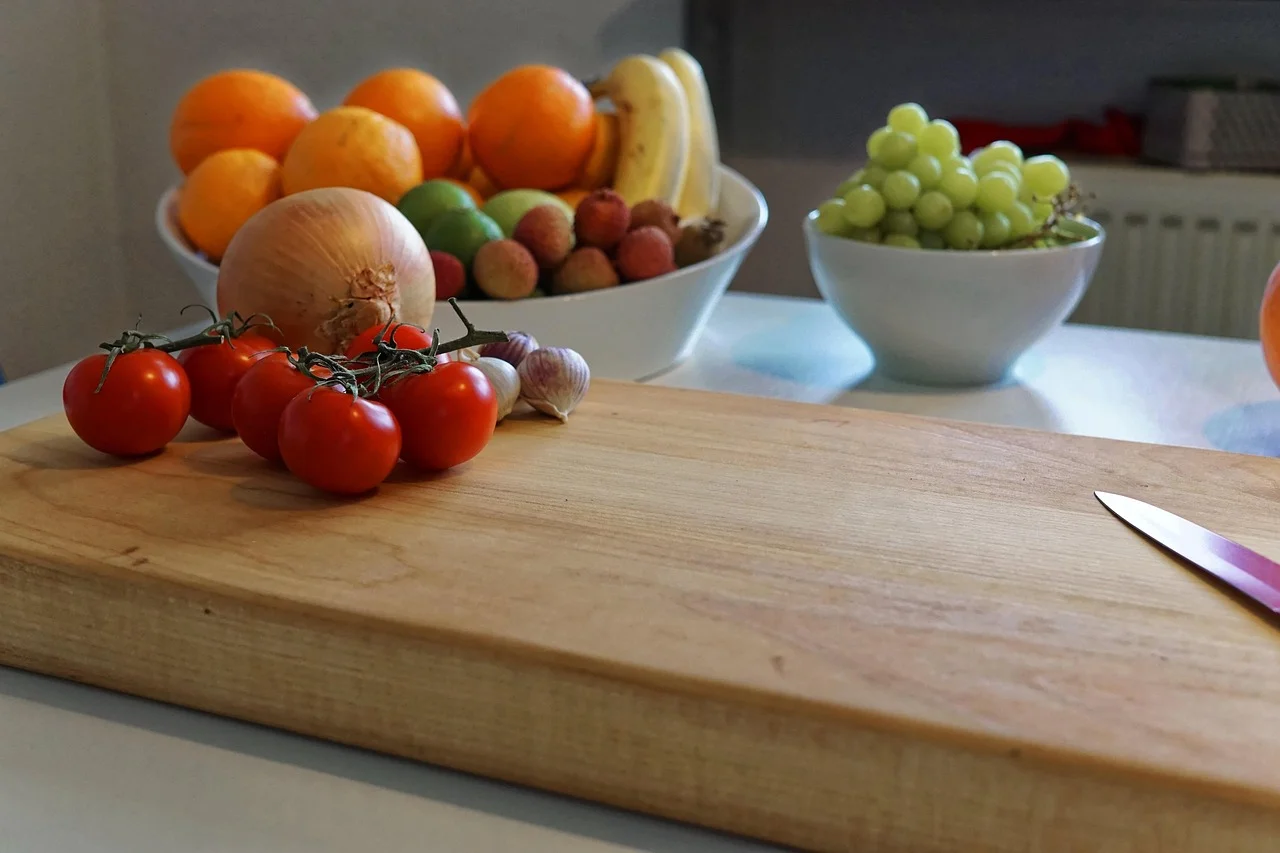
Wood has been the default cutting surface in kitchens for centuries, and Cliver’s research is part of why it never really lost ground to plastic. Dense hardwoods pull surface moisture and bacteria down into their fibers as the wood dries, which is the opposite of how a scored plastic surface behaves.
Best Everyday Hardwood Pick
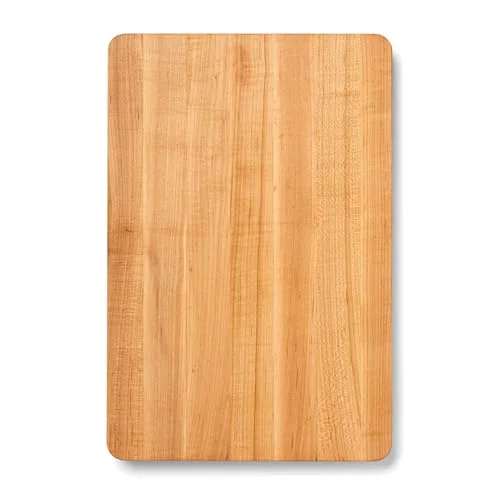 |
John Boos Chop-N-Slice Maple Cutting Board – $48.95 A dense, reversible American hard-maple board — the exact type of tight-grained hardwood this article’s hygiene and knife-care research points to.
|
Types of Wood Cutting Boards
Not every wood board performs the same way. The species matters more than most shoppers realize.
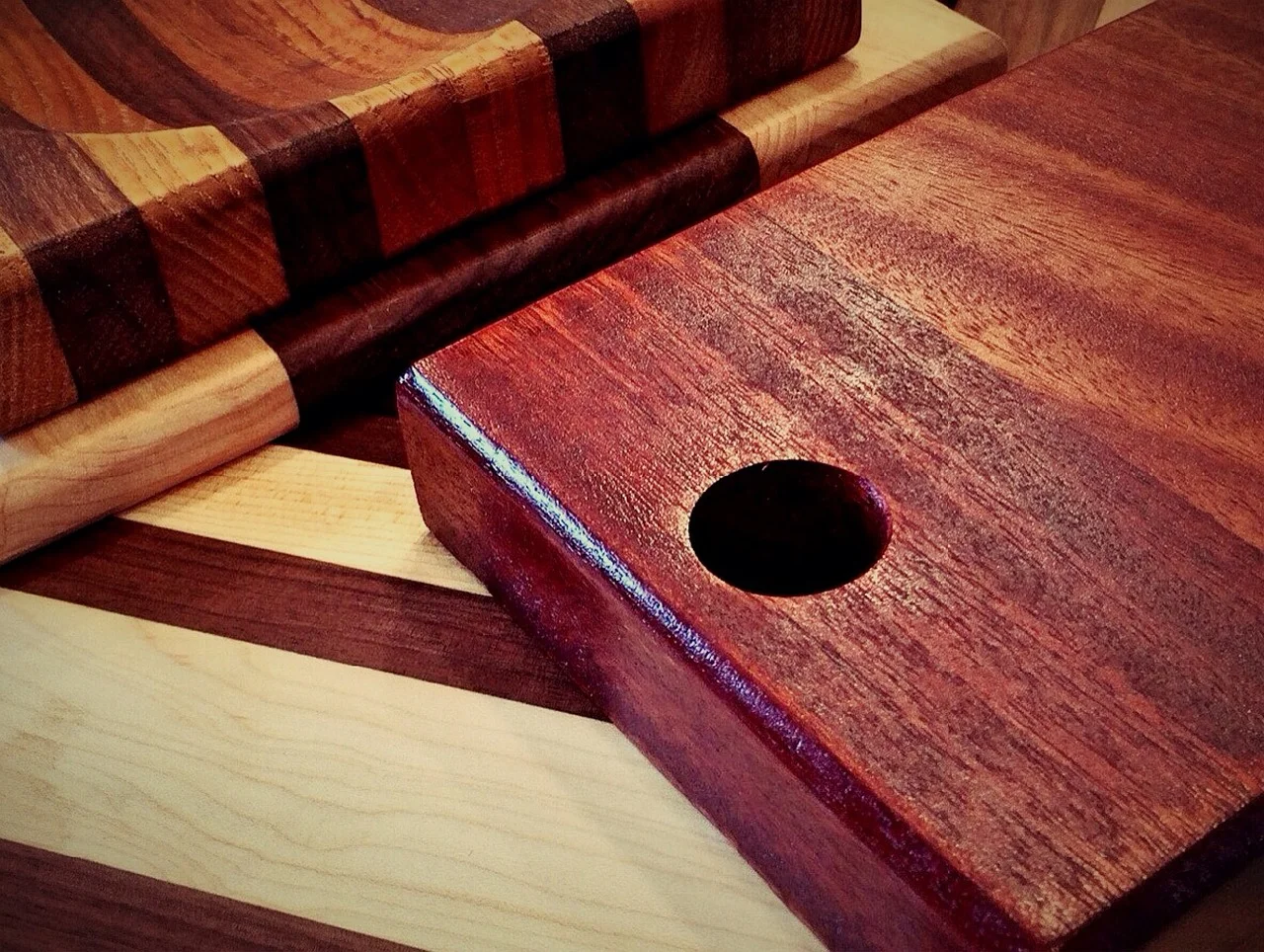
- Hardwoods: Maple, cherry, and walnut are the standard choices for a reason — their tight, dense grain resists deep knife scarring and absorbs less liquid than open-grained woods. Denser exotic hardwoods like rosewood work too, though cost and sourcing keep them less common than domestic maple.
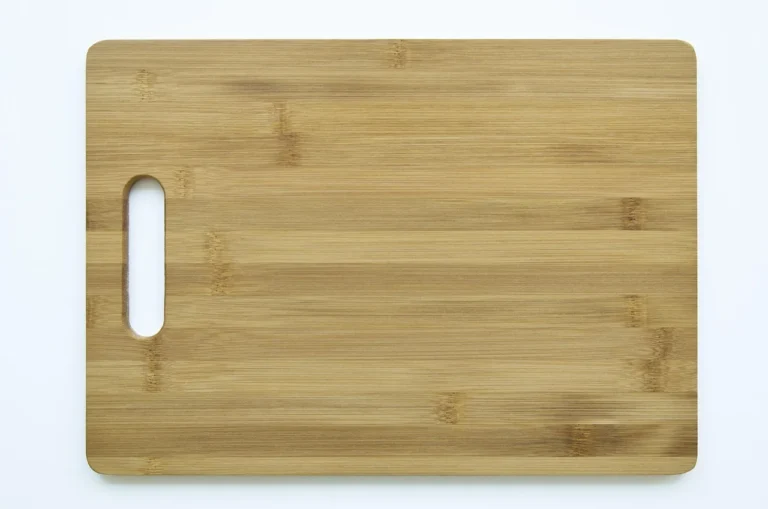
- Bamboo: Technically a grass, not a wood, bamboo is harder than most hardwoods, which sounds like an advantage until you realize that extra hardness is tougher on knife edges. Our full bamboo vs. wood cutting board breakdown covers the actual edge-retention numbers, or see our dedicated bamboo vs. maple cutting board comparison if you are choosing between those two specifically.
- Softwoods: Pine and similar softwoods are a poor match for a cutting surface. They gouge easily under a blade, and those gouges become exactly the kind of bacteria-trapping grooves that hardwood’s tighter grain avoids.
Advantages of Wood
- Knife-friendly surface: Wood fibers flex slightly under a blade instead of resisting it, so your knife edge takes less abuse per cut than it would on a harder, unyielding surface.
- Bacterial die-off, not just containment: This is the mechanism Cliver’s research identified — live bacteria pulled into the wood grain don’t just sit there, they largely die off as the board dries.
- Durability with care: A well-maintained hardwood board can outlast several plastic boards, since it doesn’t need replacing once it scars.
- Aesthetics: Wood ages into a kitchen rather than just sitting in it — most owners keep a good board on display rather than in a drawer.
Disadvantages of Wood
- Maintenance: Food-safe mineral oil needs to go on every few weeks, or the board dries, cracks, and eventually warps. Skipping this step is the single biggest reason wood boards fail early — not the material itself.
- Hand-washing only: A dishwasher’s heat and prolonged soak will warp and split a wood board. It has to be washed by hand and dried standing up, not laid flat.
- Odor and stain pickup: Garlic, onion, and beet juice will tint and scent an unsealed board if you don’t clean it right away.
- Upfront cost: A quality hardwood board runs noticeably more than a basic plastic one, though it typically needs replacing far less often.
The Case for Plastic Cutting Boards
Plastic earned its place in commercial kitchens for practical reasons: it’s cheap, dishwasher-safe, and comes in colors that make cross-contamination easier to avoid on a busy line. None of that changes what Cliver’s research found about scored plastic surfaces — but for a lot of home cooks, the convenience still outweighs that trade-off.
Types of Plastic Cutting Boards
- Polypropylene (PP): The lightest, cheapest option, common in big-box multi-packs.
- High-Density Polyethylene (HDPE): Denser and more knife-resistant than PP — this is the material most NSF-certified commercial boards use.
- Composite/rubber blends: Newer boards blend polymers specifically to self-heal minor knife marks better than plain PP or HDPE.
Advantages of Plastic
- Dishwasher-safe: High heat and detergent handle sanitizing without any manual scrubbing.
- Non-porous when new: An unscarred plastic surface doesn’t absorb liquid or odor the way wood can.
- Color-coding: Assigning a color to raw meat, produce, and ready-to-eat food is a genuinely effective way to cut cross-contamination risk in a busy kitchen.
- Low cost, low commitment: Cheap enough to replace on a schedule instead of maintaining indefinitely.
Disadvantages of Plastic
- Knife scarring compounds over time: Once a plastic board is deeply scored, those grooves are genuinely harder to sanitize than an equivalent wood surface — this is the core finding from Cliver’s work, and it’s why food-safety guidance recommends replacing a heavily scarred plastic board rather than continuing to wash it.
- Dulls knives faster: A hard plastic surface doesn’t give the way wood does, so the edge takes more direct impact per cut.
- Not biodegradable: Petroleum-based and rarely recyclable once it’s picked up food residue.
- Short lifespan: Most plastic boards need replacing within a year or two of regular use, versus a decade or more for a well-kept hardwood board.
Wood vs. Plastic: Side-by-Side Comparison
Here’s the practical trade-off in one place.
| Feature | Wood Cutting Boards | Plastic Cutting Boards |
|---|---|---|
| Durability | Lasts years with regular oiling; hardwoods resist deep scarring. | Scratches easily; HDPE holds up better than basic PP. |
| Maintenance | Hand wash only, needs periodic oiling. | Dishwasher-safe, no oiling needed. |
| Hygiene mechanism | Surface bacteria die off as the wood dries (Cliver, UC Davis). | Non-porous when new; bacteria persist in knife grooves once scarred. |
| Knife edge wear | Gentler — wood flexes under the blade. | Harder on edges, especially heavily scored boards. |
| Typical lifespan | 10+ years with care. | 1–3 years before replacement is recommended. |
| Cost | $40–$120 for a quality hardwood board. | $10–$30, cheaper to replace on schedule. |
| End of life | Biodegradable, renewable if sustainably sourced. | Petroleum-based, rarely recycled. |
Hygiene: What the Research Actually Shows
Cliver’s team at UC Davis intentionally contaminated both wood and plastic boards with Salmonella, E. coli, and Listeria to see how each material handled it. On uncut wood surfaces, the bacteria counts they could recover dropped fast — often within minutes — as the liquid and organisms were drawn into the wood’s capillary structure and away from the surface. On plastic, especially plastic with existing knife grooves, bacteria stayed put and were measurably harder to remove even after a full wash cycle.
That doesn’t mean an unwashed wood board is safe to reuse for raw chicken. It means the two materials fail differently: wood’s risk comes from skipping the wash and drying step, while plastic’s risk builds up gradually as the surface gets more scarred. Practically, that means washing a wood board promptly with hot soapy water and standing it up to dry fully, and retiring a plastic board once its knife marks get deep enough to feel with a fingernail.
Knife Care: Which Surface Treats Your Blades Better
If you’ve invested in a set of good kitchen knives, the cutting surface underneath them matters more than most people assume. Wood’s natural give absorbs part of the impact of each cut, so the edge rolls less and holds its sharpness longer between sessions on a strop or stone. A harder, unyielding surface — dense plastic in particular — puts more of that impact directly into the edge, which is why cooks who use plastic boards daily tend to sharpen more often.
Sustainability and Environmental Impact
A sustainably harvested hardwood board is a renewable, biodegradable product that can last a decade or more before it needs replacing at all. Plastic boards start as a petroleum product, and because they’ve usually been in contact with raw food, most municipal recycling programs won’t take them back — they go to a landfill once they’re retired, whether that’s after one year or five.
Making Your Choice
There isn’t a single correct answer here — the two materials solve different problems.
Choose wood if:
- You want a surface that’s genuinely gentler on your knives.
- You’re willing to hand-wash and oil it on a regular schedule.
- You’d rather buy one good board and keep it for a decade than replace a cheap one every year.
Choose plastic if:
- Dishwasher sanitizing is non-negotiable for your routine.
- You want color-coded boards to keep raw meat and produce separate.
- You’d rather replace a $15 board yearly than maintain one long-term.
Or use both
Most kitchens that take food safety seriously actually run both: a hardwood board for bread, produce, and anything that touches a knife often, and a dedicated plastic board reserved for raw meat and poultry that goes straight into the dishwasher afterward.
Frequently Asked Questions
Question: Are wood cutting boards more hygienic than plastic?
Answer: Research from UC Davis found that bacteria die off faster on wood surfaces than on plastic, but both materials need to be washed thoroughly after each use, especially after raw meat. Properly cleaned and maintained boards of either material can be used safely.
Question: Can I put my wood cutting board in the dishwasher?
Answer: No. The heat and prolonged water exposure in a dishwasher will warp, crack, and split a wood board. Hand wash it and dry it standing up.
Question: How often should I oil my wood cutting board?
Answer: About once a month for boards in regular use, or sooner if the surface starts looking dry or chalky. Consistent oiling is what prevents cracking and warping.
Question: Which type of cutting board is best for my knives?
Answer: Wood is generally better for knife edges because the fibers flex slightly under the blade instead of resisting it, which means less edge wear over time than a harder plastic surface.
Question: When should I replace my plastic cutting board?
Answer: Once the surface has deep knife grooves you can feel with a fingernail, or it’s heavily discolored or warped. At that point it’s harder to sanitize even in a dishwasher.
Final Thoughts
Wood and plastic cutting boards solve different problems well. Wood is gentler on knives and, according to the UC Davis research that first tested the assumption, actually handles bacteria better than most people expect — provided you wash and dry it properly and keep it oiled. Plastic wins on convenience: dishwasher-safe, color-codable, and cheap enough to replace on a schedule instead of maintaining.
If you only buy one board, match it to how you actually cook: a hardwood board if you want something that lasts and treats your knives well, or a plastic board if dishwasher sanitizing matters more to your routine than longevity. Many cooks end up keeping one of each.
Sponsored / affiliate links. As an Amazon Associate I earn from qualifying purchases. I may earn additional commission from eligible campaigns.