Why Does My Wood Stove Smell? How to Stop Odor
A wood stove smell usually points to draft problems, wet fuel, creosote, a leak, or normal paint curing. If the odor is smoky, chemical, or persistent, stop and check the stove, flue, and room air first. Ignoring it can fill the house with smoke, spread soot, or let a chimney fire hazard build. This guide shows how to identify the smell, match it to the likely cause, and fix it in the safest order.
What you’ll need


- Moisture meter
- Flashlight
- Basic screwdriver or wrench
- Gloves
- Dust mask
- Notebook for symptom timing
Wood stove odor diagnosis table
| Smell type | When it happens | Likely cause | Quick safe test | Next step |
|---|---|---|---|---|
| Smoke smell at startup | First light, especially with a cold chimney | Weak chimney draft or cold flue | Crack a window and see whether the smoke smell drops as the chimney warms | Warm the flue, then check draft with a gauge |
| Smoke smell when opening the door | Right after the latch is released | Pressure change, weak draft, or worn gasket | Open the door slowly and note whether smoke rolls out as soon as the seal breaks | Check room pressure, then inspect the gasket and flue joints |
| Chemical or burnt-metal smell on a new stove | First several hot fires | Paint or sealant curing | Confirm that the smell tracks with a hot stove, not with smoke spillage | Keep burning dry fuel through the curing period and ventilate the room |
| Musty smell after rain | Wet weather, wind shift, or after a storm | Water intrusion, damp ash, nest debris, or chimney blockage | Look for damp soot, a cap blockage, or stains near the chimney chase | Inspect the cap, chimney, and nearby surfaces for leaks and debris |
| Persistent odor with no fire | Stove is cold but the room still smells | Creosote odor, ash pan leakage, or residue on nearby surfaces | Check the ash pan, stove exterior, and floor area for soot or stale smoke film | Clean residue, inspect seals, and sweep the chimney if buildup is present |
| Stop now: CO alarm, headache, or visible smoke spill | Any time | Unsafe combustion or smoke spillage | Leave the area, shut the stove down if safe, and do not keep testing | Get fresh air and call emergency help or a qualified technician |
Why does my wood stove smell?
Start by sorting the smell into smoke, chemical curing odor, musty odor, or stale ash odor. Timing matters more than the word “smell.” A smoke odor at startup points to draft trouble, while a chemical odor on a new stove can be normal curing. A smell after rain points elsewhere.
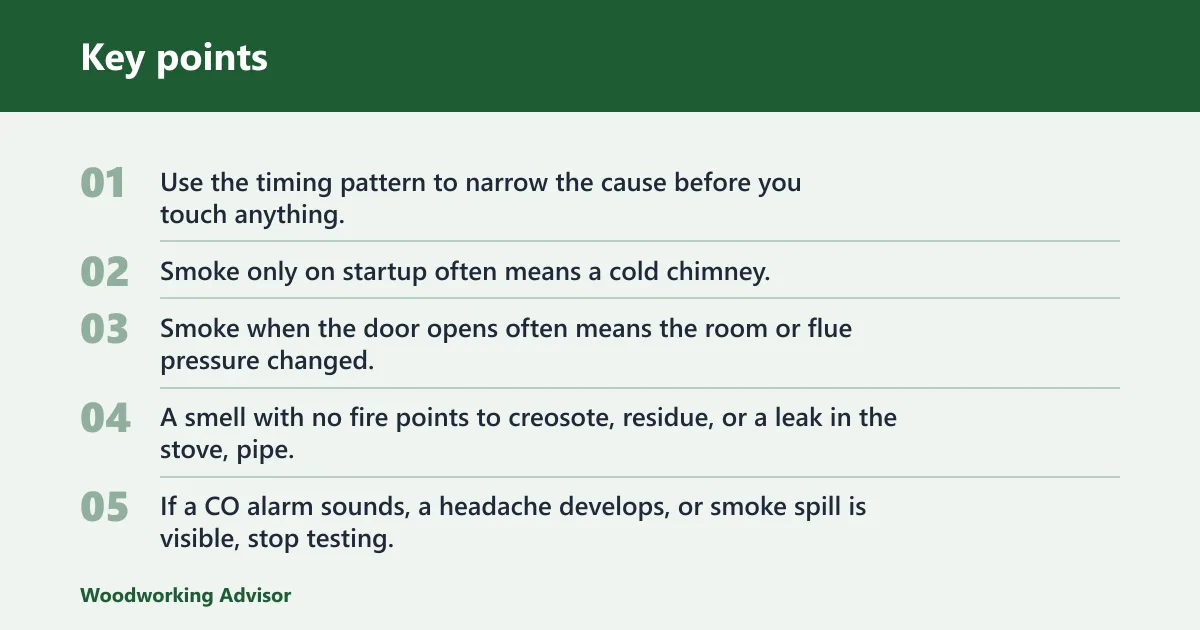
Use the timing pattern to narrow the cause before you touch anything. Smoke only on startup often means a cold chimney. Smoke when the door opens often means the room or flue pressure changed. A smell with no fire points to creosote, residue, or a leak in the stove, pipe, or chimney.
If a CO alarm sounds, a headache develops, or smoke spill is visible, stop testing. That is not a nuisance problem.
How do you stop wood stove odor?
Begin with the fastest safe relief, then move toward cause checks. A wood-burning stove should not bring smoke odor into the home, and poor chimney performance, negative pressure, or leaks are common causes. The usual order is: relieve the room, check draft, check pressure, check fuel, then inspect seals and the chimney.
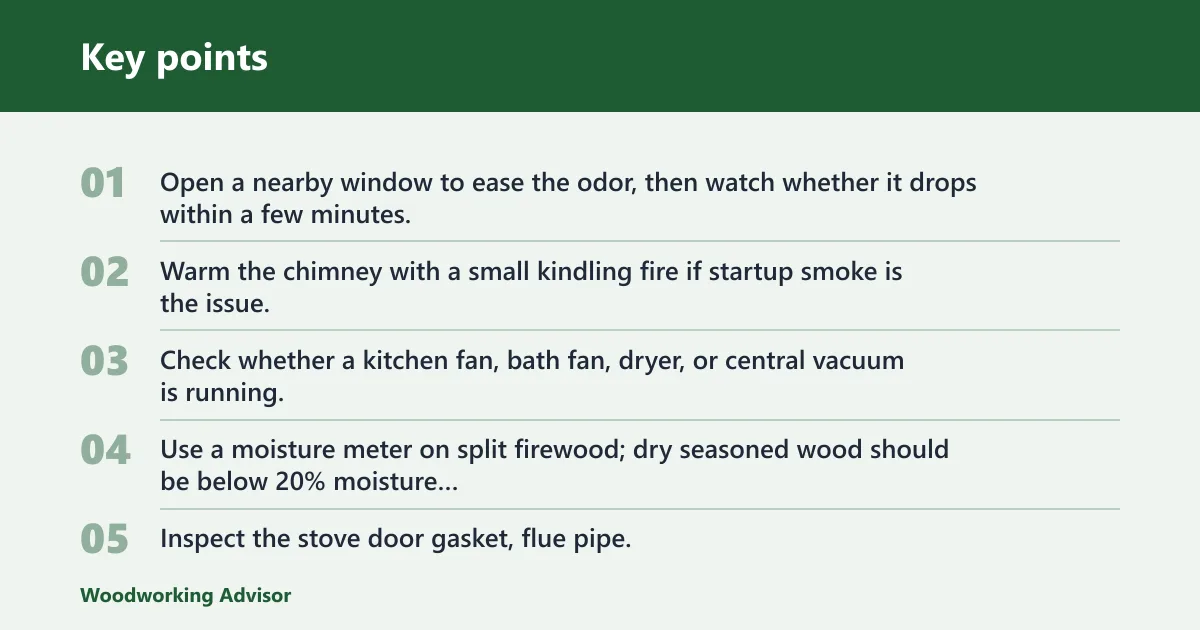
- Open a nearby window to ease the odor, then watch whether it drops within a few minutes.
- Warm the chimney with a small kindling fire if startup smoke is the issue; a cold chimney reduces draft.
- Check whether a kitchen fan, bath fan, dryer, or central vacuum is running, then turn it off and retest.
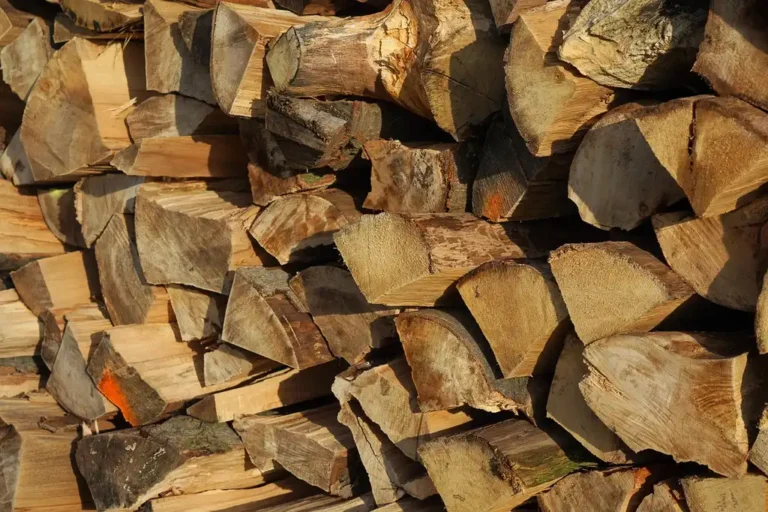
- Use a moisture meter on split firewood; dry seasoned wood should be below 20% moisture content.
- Inspect the stove door gasket, flue pipe, and chimney joints with a flashlight and screwdriver or wrench.
- Inspect the chimney for creosote, nests, or blockage, then clean or repair what you find.
Suppose a tight house has the range hood running while the stove is lit. The fan can pull smoke back down the flue. If opening a window helps right away, that points toward negative pressure rather than a failed stove part.
If that did not work, move to a more complete inspection. Check the draft reading against the stove manual; many manufacturers list a draft range of 0.05–0.1 inches of water column. If draft stays weak, a chimney fan may be part of the fix, but loose joints, a cold flue, or a blocked cap still need attention.
Creosote can also drive odor. It is a smoky chimney deposit, and wet or softwood fuel increases buildup. If the deposit is 1/8 inch thick, schedule inspection and sweeping. A chimney cap helps keep out debris and animals, which matters when nests or blockage keep smoke from moving upward.
Why does it smell when I open the door?
That smell usually comes from a pressure change. When you unlatch the door, room air rushes toward the opening and can carry smoke out if draft is weak or the fire is still releasing smoke. A worn door gasket can make the spill worse, because the stove loses its seal before the door is fully open.
Open the door slowly, and only after the fire has settled. Keep the latch crack small for a moment, then open wider. If smoke still rolls out, check the chimney draft, the door gasket, and any exhaust fan that may be pulling air from the room.
Picture a stove at the end of a long burn, with a bath fan running nearby. The fan can pull air down the flue. The door then releases that smoke into the room instead of letting the chimney carry it upward.
Can a dirty chimney cause wood stove odor?
Yes. Creosote is a smoky odor source, and buildup can make the stove smell even when the fire is behaving normally. A blocked or dirty chimney also weakens draft, so odor can spill back into the house instead of moving outdoors. Debris, nests, and a poor cap can do the same.
Use the 1/8 inch threshold as a practical line for inspection and sweeping. That amount is enough to justify service, even if the fire still seems to burn. Wet wood, softwood, and repeated low-temperature burns tend to build creosote faster.
Check the chimney cap, too. If animals or leaves have packed the opening, smoke may linger in the flue and leak odor into the room. A cap that is damaged or missing leaves the system open to repeat blockages.
Why does my wood stove smell when I light it?
Startup smell usually means the flue is cold or blocked, so draft is weak at the moment smoke starts moving. The first fire of the season is a common time for this. Open a window, warm the chimney, and see whether the smell fades once the flue heats up.
If startup odor keeps returning, check the draft with a gauge and look for a blocked cap, damp ash, or a room fan that is fighting the stove. Wet fuel can make the startup phase worse because it produces more smoke before the flue is hot enough to carry it away.
Is it normal for a new wood stove to smell?
Yes, a new stove can smell like chemicals or burnt paint during curing. That odor usually appears during the first several hot fires, and the paint often does not start curing until the stove hits 500°F. It should fade as the stove finishes its break-in fires.
If the smell is chemical but the room is clear of smoke, the cause is likely curing. Open a window for ventilation and follow the stove maker’s burn schedule. If the smell is smoky instead of chemical, treat it as a draft or leak problem.
Does opening a window help wood stove smell?
Often, opening a window can reduce negative pressure and help the stove draft. It is a short-term fix, not the full repair. If the smell drops as soon as the window opens, the house air balance is part of the problem.
Use that result as a test. If the odor improves with the window open, the house air balance may be part of the problem, so check kitchen fans, bath fans, dryers, and other exhaust devices next. Tight modern houses are more likely to pull smoke back down the flue when another appliance is exhausting air.
Why does my wood stove smell even when it is not burning?
A cold stove can still smell from creosote, ash residue, stale smoke film, or a leak in the stove or chimney path. If the odor is musty after rain, check for moisture intrusion and cap problems. If it is stale and smoky, creosote or old residue is more likely.
Inspect the ash pan, stove door gasket, flue pipe, and chimney connections. Loose joints or cracks in chimney structure can release odor into the room. If the smell comes and goes with wind or rain, the chimney path deserves a closer look than the stove body.
Common mistakes
Do not treat every odor as the same problem. Smoke, chemical curing odor, musty odor, and stale ash odor point to different causes, and the fix changes with each one.
- Chasing the smell before checking for negative pressure from fans or dryers.
- Burning damp wood and calling the result normal startup smoke.
- Ignoring a worn door gasket or loose flue joint.
- Skipping chimney inspection after a rain-related odor.
- Waiting on creosote cleanup when the deposit is already at 1/8 inch.
For fuel, use seasoned firewood with moisture below 20%. Oak may need 18–24 months to season well, and a moisture meter is the practical check. Wet wood gives off more smoke and makes odor worse from the start.
Frequently asked questions
Why does my wood stove smell like smoke in the house?
Indoor smoke smell usually means smoke is spilling instead of drafting up the chimney. Weak draft, negative pressure, or a leak at the door, pipe, or chimney joint are the common places to check first. If the smell comes with a headache or a CO alarm, leave the area and get help.
How do I stop smoke smell coming from my wood stove?
Start by opening a window, then shut off nearby exhaust fans and check whether the chimney is cold or blocked. After that, test the wood with a moisture meter and inspect the door gasket, flue pipe, and chimney joints. Clean creosote if buildup is present.
Why does my wood stove smell when I open the door?
Opening the door changes room pressure and can pull smoke out if draft is weak. Open the door slowly, after the fire settles, and watch whether the smell appears right as the seal breaks. A worn gasket makes this symptom more likely and should be replaced if loose or damaged.
Sponsored / affiliate links. As an Amazon Associate I earn from qualifying purchases. I may earn additional commission from eligible campaigns.