Do Wooden Sheds Get Condensation?
Yes, wooden sheds can get condensation whenever warm, moist air meets colder surfaces, especially after temperature swings and poor airflow. Left unchecked, that moisture can rust tools, grow mold, swell panels, and start rot in framing and flooring. This guide shows how to tell condensation from leaks or ground damp, then choose the right first fix for a wooden shed.
Where condensation forms in a wooden shed


Yes. Condensation forms when warm air cools below the dew point on cold surfaces and leaves liquid water behind. In a wooden shed, that often shows up first on the roof underside, window panes, or the colder parts of the walls after a warm day turns into a cold night.
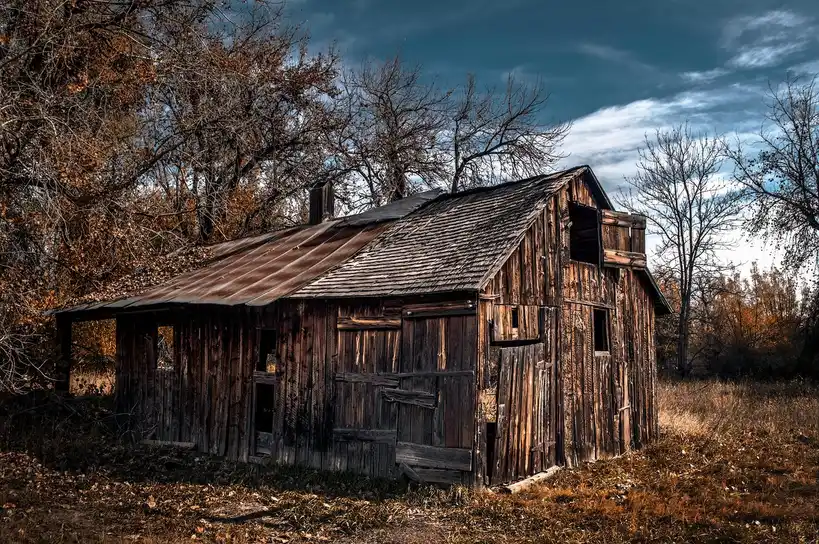
Timber changes the picture. A wooden shed has porous timber, a raised floor, and a shell that can cool quickly once the sun drops. That means the coldest surfaces can shift from one area to another, so the problem may appear as droplets, damp patches, or a musty smell rather than one obvious leak.
Visible condensation is only one part of the story. Moisture can also come from roof leaks, wall leaks, floor or base ingress, or rising ground moisture, and those sources need different fixes. If you treat every damp mark as condensation, you can miss a real water entry point.
What causes moisture in a wooden shed?

Moisture in a wooden shed usually comes from one of three places: humid air condensing on cold surfaces, water entering through the roof, walls, or base, or wet items drying inside. The first step is to match the symptom to the source before adding vents, insulation, or a dehumidifier.
Cold surfaces after a temperature drop
After a sunny day, the air inside a closed shed can hold more moisture. When the temperature falls, that same air reaches the dew point on the coldest surfaces and turns water vapor into liquid. The roof lining, windows, and metal fixings often show it first.
That is why condensation can appear overnight even if the shed looked dry earlier. A cold timber shell also cools fast after sunset, so the surface temperature can drop below the air temperature sooner than owners expect.
Roof leaks, wall leaks, and base ingress
Roof leaks often leave stains, drips, or localized wet patches that do not follow a daily pattern. Wall leaks may appear after rain on one side of the shed. Base ingress often shows up as damp lower boards, swollen floor edges, or repeated wetness near the perimeter.
Check the roof, walls, floor, and base separately. A raised floor helps reduce direct contact with ground moisture, but it does not stop rainwater from entering through failed felt, gaps, or siding joints.
Wet tools, tarps, boots, and mowers
Wet stored items add moisture to the air and can keep the shed humid for hours. A mower with grass clippings, a rolled tarp, or muddy boots can release enough moisture to push the air toward the dew point, especially in a small shed with little airflow.
Suppose a shed holds a damp mower and a stack of folded tarps after a wet weekend. If the shed is then closed on a cold night, the air inside can cool, the relative humidity rises, and condensation can form on the roof boards before morning.
Which fix to use first in a wooden shed?
| Symptom | Likely moisture source | Best first fix | When to escalate |
|---|---|---|---|
| Roof dripping | Roof leak or heavy condensation on the coldest surface | Inspect roof covering, seals, and joints; then add airflow under the roof deck | Escalate if dripping repeats after dry weather or the roof timber stains |
| Misted windows | Warm air hitting cold glazing | Add cross-ventilation and open the door or window when outdoor air is drier | Escalate if mist stays after airflow improves or frames show rot |
| Damp floorboards | Ground moisture, base ingress, or a floor leak | Check the base, under-floor space, and drainage; add a plastic vapor barrier below if needed | Escalate if boards stay swollen, soft, or wet at the same spots |
| Rusty tools | High relative humidity from trapped air or wet gear | Dry tools before storage and keep air moving around them | Escalate if tools rust despite dry storage and a hygrometer still reads high |
| Musty smell after cold nights | Repeated condensation on timber, fabric, or stored items | Check humidity, add ventilation, and remove wet items overnight | Escalate if smell persists after several dry, ventilated days |

Do wooden sheds need ventilation?
Yes, most wooden sheds need ventilation. Air movement helps carry moisture out before it reaches the dew point on cold surfaces. A shed with no controlled airflow can trap humid air, especially after wet storage, a rainy day, or a sharp nighttime temperature drop.
Ventilation works best when air can enter low and leave high. That cross-ventilation path helps move damp air out of the building instead of letting it sit around roof timbers and wall panels.
What is the best ventilation setup for a shed?
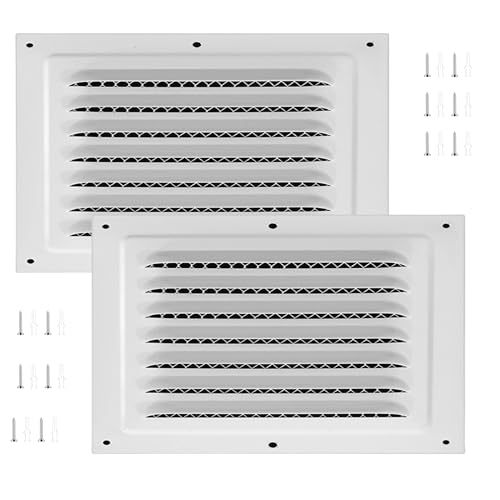
The best setup usually combines cross-ventilation, high and low vents, and clear airflow around stored items. Gable vents, ridge venting, or a mix of low intake and high exhaust openings can help. Open doors or windows can work too, but only when outdoor air is drier than the air inside.
A small shed often needs more than one opening. One vent alone can short-circuit airflow. Two vents on opposite sides, or a low-and-high pair, gives the air a path through the shed rather than just a place to sit.
- Fit vents on opposite sides when possible.
- Keep one opening low and one higher up.
- Leave space around walls and floor edges.
- Do not block vents with shelving or stored items.
A 50 to 100 mm airflow gap around the shed base. That gap helps air reach the underside, which matters if the floor is raised and the base can trap damp air.
When open doors or windows help
Open doors or windows help when the outside air is cooler and drier than the air inside the shed. They help less during humid weather, fog, or rain, when fresh air can carry just as much moisture as the air already inside.
A common first-timer mistake is opening everything wide on a damp winter evening and expecting the shed to dry. If the outside air is already humid, the shed may feel wetter after ventilating, not drier.
Is insulation enough to stop condensation?
No. Insulation helps, but it is not enough on its own. Urban Sheds recommends insulation as the best way to tackle condensation problems, yet insulation works best when you also control airflow, moisture entry, and storage habits. Without those, a shed can still trap humidity.
Roof-first insulation usually gives the best return because the roof is often the coldest large surface. Reducing roof chill lowers the chance that indoor air will hit the dew point there first.
Roof-first insulation and vapor barriers
Use foam board or reflective foil where they fit the build, and place the vapor barrier on the warm side of the insulation. That keeps indoor moisture from moving into cold layers where it can condense. If the barrier is on the wrong side, moisture can get trapped in the assembly.
Do not treat insulation as a replacement for ventilation. A tighter, better-insulated shed can hold moisture longer if wet tools, damp timber, or ground vapor have nowhere to go.
Why insulation without airflow can backfire
Insulation raises surface temperatures, but it can also reduce natural drying if the shed becomes too sealed and stagnant. In a cold timber shed, trapped moisture may stay inside longer and feed mold or mildew on stored items, especially after several wet days in a row.
Picture a 10-by-12-foot shed with insulated walls but no vent path and several wet garden tools inside. The inside surfaces may stay a little warmer, yet the humidity can remain high enough for condensation to return at night.
When should you use a dehumidifier?
A dehumidifier is useful when the shed is mostly sealed, the moisture source is inside the building, and you can keep the unit running safely. A small portable electric unit is often recommended for a standard wooden shed, especially when ventilation alone is not enough.
Choose a model with a humidity controller if you want the unit to cycle automatically. Aim for about 40–60% relative humidity.
Choosing size and drainage
Pick the capacity based on the shed’s size, how tightly it closes, and how much wet gear goes inside. Many manufacturers list dehumidifiers by pint-per-day capacity, so use that rating to compare models rather than guessing from appearance.
A drain hose option helps if the unit may run for long periods. That matters in a shed where emptying a bucket would be inconvenient or easy to forget. A humidity switch or controller is useful because it lets the dehumidifier respond to actual shed conditions.
Use a hygrometer to monitor the reading. If the shed stays above the target range after the tools are dry and vents are open, a dehumidifier may do more than another vent cutout.
How do you stop ground moisture?
Ground moisture can move into a wooden shed from below, especially if the base sits close to damp soil or lacks drainage. The first fix is usually under-floor control: a plastic vapor barrier, a gravel pad, a raised base, and a slope that sheds water away from the shed.
This matters because water rising from below can look like condensation from the inside. If the floorboards are damp first, or if the lower edges stay wet after dry weather, the ground deserves attention before you add more roof venting.
How to tell if moisture is coming from the ground
Look for dampness that begins at the lowest boards, the base rails, or the floor edges rather than the roof or windows. If the underside of the floor feels damp, or the same lower area keeps swelling after rain, that points to ground moisture, not overhead condensation.
- Check the floor edges first, then the center boards.
- Inspect the outside base for poor drainage or soil buildup.
- Look under the shed for a missing barrier or trapped damp soil.
- Compare wet weather days with dry days and note the pattern.
- Add a vapor barrier under the floor if moisture rises from below.
A gravel pad under a raised base helps water drain away instead of pooling under the shed. Pair that with a drainage slope that carries runoff away from the structure. If the floor stays dry after those changes, you have likely addressed the source.
Frequently asked questions
Do wooden sheds get condensation?
Yes. Wooden sheds get condensation when humid air reaches a cold surface and falls below the dew point. The droplets often show up on the roof, windows, or colder wall panels after a temperature drop. Hidden damp from leaks or ground moisture can mimic it, so check the source before you fix it.
What causes condensation in a wooden shed?
Condensation comes from warm, moist air meeting the shed’s coldest surfaces. In wooden sheds, that often follows a sharp evening cool-down after a warm day. It can also be worsened by wet tools, damp tarps, and closed-up airflow, which raise indoor humidity and push it toward the dew point.
How do I stop condensation in a wooden shed?
Start by matching the fix to the source. Improve ventilation first if the problem is general humidity, add roof-first insulation if the shed is too cold, use a dehumidifier in a sealed shed, and correct leaks or ground moisture where they exist. Do not rely on one fix for every symptom.
Should I use a dehumidifier in a wooden shed?
Use one when the shed is mostly sealed and you need controlled humidity for tools, gear, or stored materials. A small portable electric unit with a humidity controller and a drain hose option is often the practical choice. Set the target near 50–55% and verify it with a hygrometer.
When does a heater help more than ventilation in a shed?
A heater helps more when the shed needs a small temperature lift to stay above the dew point and the building is already reasonably airtight. It works best with airflow control and humidity monitoring. If wet items, leaks, or ground moisture are the real source, heat alone will not solve the problem.
Sponsored / affiliate links. As an Amazon Associate I earn from qualifying purchases. I may earn additional commission from eligible campaigns.