What Wood Goes With Cherry? Pairings by Undertone and Aging
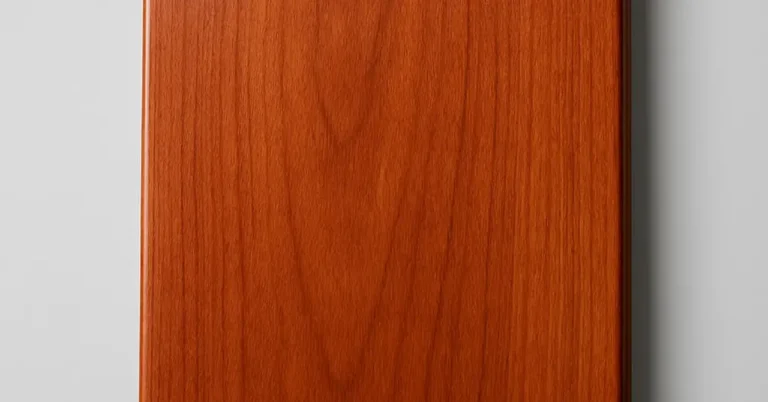
Maple, oak, walnut, mahogany, and ash all work with cherry, but the right pick depends on where cherry’s color is headed, not how it looks new. Cherry starts as a light pinkish brown and darkens to a medium reddish brown with light exposure. This guide covers each species, a drift table with Janka hardness numbers, and a simple sample test.
What Wood Goes With Cherry? The Short Answer
Light woods such as maple, birch, and ash give a crisp contrast with cherry. Red oak and mahogany sit in the same reddish family and read as a matched set. Walnut gives a dark contrast that tends to narrow over time. Whichever you choose, judge the pairing against cherry’s aged color, not the color on delivery day.
Best Wood Sample Pack Pick
 |
Sauers Wood Identification Kit and Veneer Sample Pack, 25 Pieces, $38.98 This is the kit for the sample test described later in this guide: finish a few pieces with your own topcoat and judge them next to your cherry in your own room light.
|
As an Amazon Associate we earn from qualifying purchases.
Most pairing advice stops at a list of species. The more useful question is which of three variables you are matching and which you are deliberately changing: undertone (reddish, yellow, olive, or gray), value (how light or dark the wood is), and grain texture (fine and closed like cherry, or coarse and open like oak). A pairing that matches all three looks like a mistake that almost worked. A pairing that changes all three looks unrelated. The combinations that look deliberate usually match one and vary the other two.
A common rule of thumb in furniture and cabinet work is to let one wood dominate, usually the largest surface like a floor or tabletop, and use the second as an accent. Staying at two or at most three species keeps a room from looking cluttered. For the wider question beyond cherry, see our guide to which woods look good together.
How Cherry Changes, And Why It Moves The Goalposts
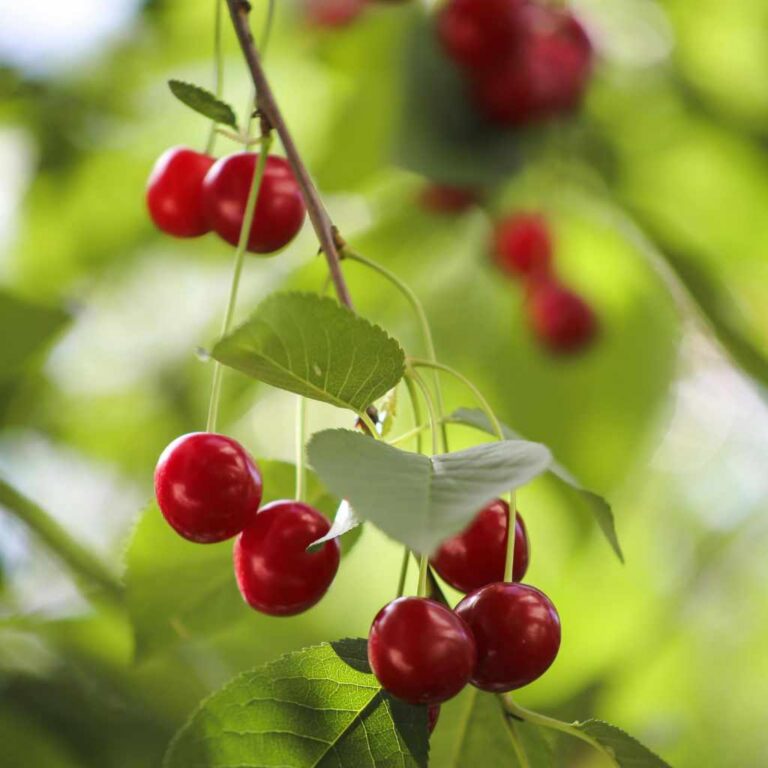
Cherry is the one wood in a pairing that will not hold still. The Wood Database describes black cherry heartwood as light pinkish brown when freshly cut, darkening to a medium reddish brown with time and exposure to light, and notes that the process can be accelerated with direct sunlight.
Black cherry is rated 950 lbf on the Janka scale and darkens from light pinkish brown to medium reddish brown with light exposure (Source: The Wood Database, Black Cherry)
That means a pairing is really a forecast. Some partners move the same way cherry does, and some stay put or move in the opposite direction. The table below lists each common partner, its Janka hardness, how its heartwood looks, and which way it tends to drift, based on The Wood Database species pages.
| Species | Janka (lbf) | Typical heartwood color | Drift over time | Role next to cherry |
|---|---|---|---|---|
| Black cherry (reference) | 950 | Light pinkish brown, aging to medium reddish brown | Darkens, faster in direct sun | The anchor |
| Hard maple | 1,450 | Near white to cream, sometimes golden or reddish | No strong shift noted in the source | Stable light contrast |
| Red oak | 1,220 | Light to medium brown, reddish cast | Not noted | Same-family match, coarser grain |
| White oak | 1,350 | Light to medium brown, olive cast | Not noted | Neutral bridge |
| Black walnut | 1,010 | Pale brown to dark chocolate brown | Reported to fade with light, slower indoors | Dark contrast that narrows |
| Honduran mahogany | 900 | Pale pinkish brown to darker reddish brown | Darkens with age | Same-family match |
| White ash | 1,320 | Light to medium brown, wide beige sapwood | Not noted | Crisp pale contrast |
| Yellow birch | 1,260 | Light reddish brown, nearly white sapwood | Not noted | Maple substitute |
| Eastern white pine | 380 | Light brown, slightly reddish | Darkens with age | Casual accent, low wear only |
Two things stand out. First, cherry and mahogany both darken, so that pairing tends to keep its relationship over the years. Second, cherry deepens while walnut is reported to lighten under light exposure, so a bold day-one contrast between them tends to close up. That second point is our reasoning from those two trends, not a measured result, but it matches why many people end up happy with the pairing a few years in.
Our guide to how much polyurethane darkens wood covers the other moving part: oil-based topcoats add their own amber tint, so the finish you pick shifts every species in the pairing, not just cherry.
Cherry With Maple, Birch, And Ash: The Light Contrast
Maple is the most dependable partner. Hard maple runs from near white to cream and rates 1,450 lbf, about 50 percent harder than cherry, so it suits surfaces that take wear, such as countertops, dining chairs, and cabinet frames. Because maple is not described as a strong color shifter, it holds the light side of the contrast while cherry moves toward it from the dark side. For a side-by-side, see maple vs cherry wood.
Birch behaves like a slightly warmer maple. Yellow birch heartwood is light reddish brown with nearly white sapwood, so it blends into cherry’s family more than maple does. Ash is the pale, crisp option at 1,320 lbf, with a wide beige sapwood and an open grain that reads as clearly different from cherry rather than a near miss. That clarity is the point: a contrast looks intentional when the gap is wide.
If you are asking what light wood mixes with warm cherry, the practical answer is maple for a clean look, birch if you want a little warmth, and ash if you want visible grain.
Cherry With Oak: Floors, Cabinets, And Tables
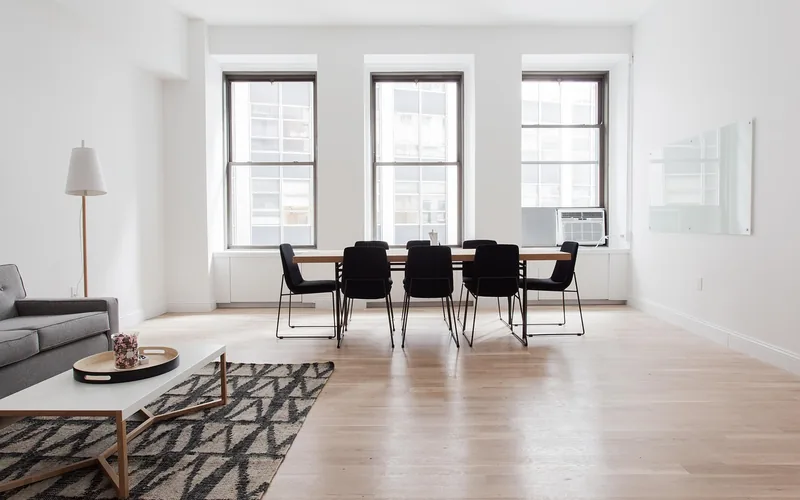
Cherry furniture on oak floors is one of the most common real-world combinations, and it works because oak and cherry differ in texture even when the colors are close. Red oak and white oak are both rated in the same medium range, 1,220 and 1,350 lbf, and both have a coarse texture with large open pores, while cherry is fine and closed.
- Red oak with cherry: the reddish cast sits near cherry’s own tone, so the match reads as warm and cohesive. The coarse, porous grain keeps it from looking flat.
- White oak with cherry: the olive cast pulls away from cherry’s red, which makes it a neutral bridge. It also tolerates a third species such as walnut nearby.
- Brown oak with a cherry dining table: check the oak’s undertone under your own lighting first. Brownish oak with a yellow cast fights cherry’s red; oak with a reddish cast does not.
- Oak cabinets with cherry trim or islands: change the sheen or the species proportion rather than trying to blend the two, since a half-matched color looks worse than a clear contrast.
Because oak’s pores are so large, stain and finish sit differently on it than on cherry. If you plan to bring a new oak piece closer to cherry’s tone with a pigmented finish, the differences are covered in our gel stain vs oil stain comparison.
Cherry With Walnut And Mahogany: The Dark Contrast
Walnut ranges from pale brown to dark chocolate brown and rates 1,010 lbf, close to cherry’s 950. The real risk with a walnut bookcase beside a cherry desk is not that they clash, it is that they land in the middle ground where the browns are similar but visibly different. Two ways around it: keep a clear value gap, such as a very dark walnut against a cherry that has had a few years to deepen, or use the same finish and sheen on both so the difference reads as grain rather than color. The long-term comparison is in our walnut vs cherry wood guide.
Curly or figured cherry next to walnut works for the same reason maple’s figure works: the interest comes from pattern, so the color relationship can stay quiet.
Mahogany is the matched-set option. Honduran mahogany rates 900 lbf, slightly softer than cherry, and runs from pale pinkish brown to darker reddish brown, which overlaps cherry’s own range. If you have mahogany bookcases and a cherry desk, or mahogany frames and cherry shelves, the pairing generally reads as one warm family. Keep the sheen consistent, since gloss differences are more noticeable between two similar colors, and lean on grain to separate them. Exact tone differences are in our mahogany vs cherry color comparison.
Cherry With Pine: Staircases, Shelving, And Rustic Rooms
Eastern white pine is light brown with a slight reddish hue and rates only 380 lbf, about 40 percent of cherry’s hardness. It darkens with age too, so a pine accent warms up over time instead of staying pale. That softness decides where it belongs. Pine suits shelving, trim, paneling, and low-wear furniture next to cherry. It is a poor choice for stair treads or table tops that will see the same use as cherry, because it will dent and wear first.
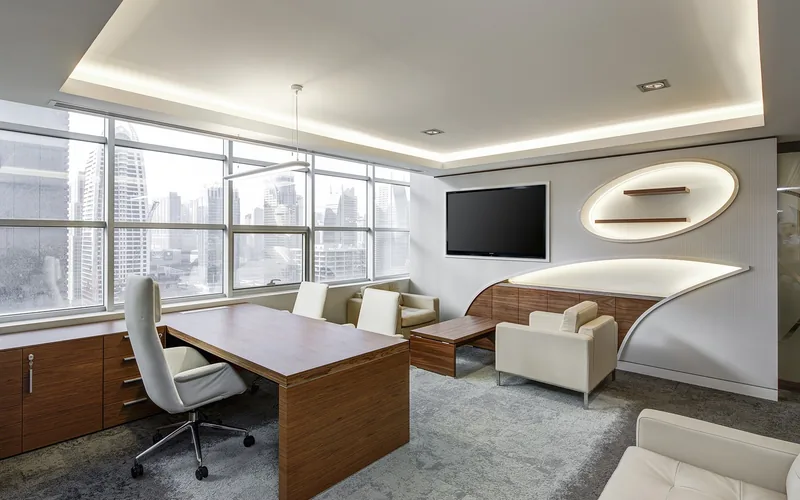
If you are pairing a pine staircase with cherry furniture in a living room, the staircase is the large, visible surface, so let the pine be dominant and keep cherry to a few pieces. See our pine wood texture guide for how pine’s knots and grain read next to a smoother wood, and our cherry wood corner cabinet guide if a cabinet is the cherry piece you are building around.
- Pine and cherry can both stain blotchy, so a pre-stain conditioner is worth using if you are tinting pine toward cherry.
- Test any tint on a scrap of the same board, since pine’s soft earlywood and hard latewood take color very differently.
Test Before You Commit: A Four-Step Sample Check
Because cherry changes and room light changes how every wood looks, a screen photo is the weakest evidence you can use. A few small samples are cheap insurance against a mismatch you cannot undo.
- Get real samples: use offcuts from the lumber yard or a labeled veneer set, and include a piece of your actual cherry if you can.
- Finish them the same way: apply the same topcoat you plan to use, because oil-based finishes add amber and water-based ones add far less.
- Cover half of each sample: tape cardboard over half and leave the sample on a windowsill with direct sun for a couple of weeks. The covered half shows the starting color and the exposed half shows where cherry is heading.
- Judge in your own light: view the samples in the room, in daylight and under the lamps you actually use at night, not under store lighting.
One safety note if you are testing oil-based stains or finishes: rags soaked in oil finishes can heat up and ignite on their own as the oil cures. Lay used rags flat outdoors to dry, or soak them in water in a sealed metal container before disposal.
Frequently Asked Questions
What wood goes best with cherry?
Maple is the safest partner because its pale tone stays put while cherry darkens, and red oak or mahogany give a same-family look. Walnut works too, but expect the gap between walnut and cherry to narrow over the years. Pick one dominant wood and keep the total to two or three species.
Does oak look good with cherry?
Yes, if you match the oak’s cast to your goal. Red oak has a reddish cast that sits close to cherry, while white oak has an olive cast that reads as a neutral bridge. Oak’s open, coarse pores also contrast with cherry’s fine grain, which keeps the pairing from looking flat.
Can you mix cherry and walnut furniture in the same room?
Yes. The risk is a middle-distance mismatch, where the two browns are close but not close enough to look intentional. Either keep a clear light-versus-dark gap, or use the same finish and sheen on both so the species difference reads as grain rather than color.
Does mahogany match cherry?
Mahogany shares cherry’s reddish-brown family, so the pairing reads as complementary rather than contrasting. Both darken with age, so the match usually holds. Keep the sheen level the same, since gloss differences stand out more between two similar colors.
Will cherry and maple still match in five years?
They will still pair, but the contrast will look different. Cherry keeps moving from light pinkish brown toward medium reddish brown with light exposure, while maple starts pale and is not documented as a strong color shifter. Expect a bold contrast on day one to soften into a moderate one.
Conclusion
Choose cherry’s partner by forecast, not by first impression. Maple, birch, and ash give a pale contrast that holds. Red oak and mahogany give a warm, matched look. Walnut gives a dark contrast that tends to soften as cherry deepens, and pine works as a low-wear accent. Keep it to two or three species, let one dominate, and test finished samples in your own light before you buy boards.
Sponsored / affiliate links. As an Amazon Associate I earn from qualifying purchases. I may earn additional commission from eligible campaigns.