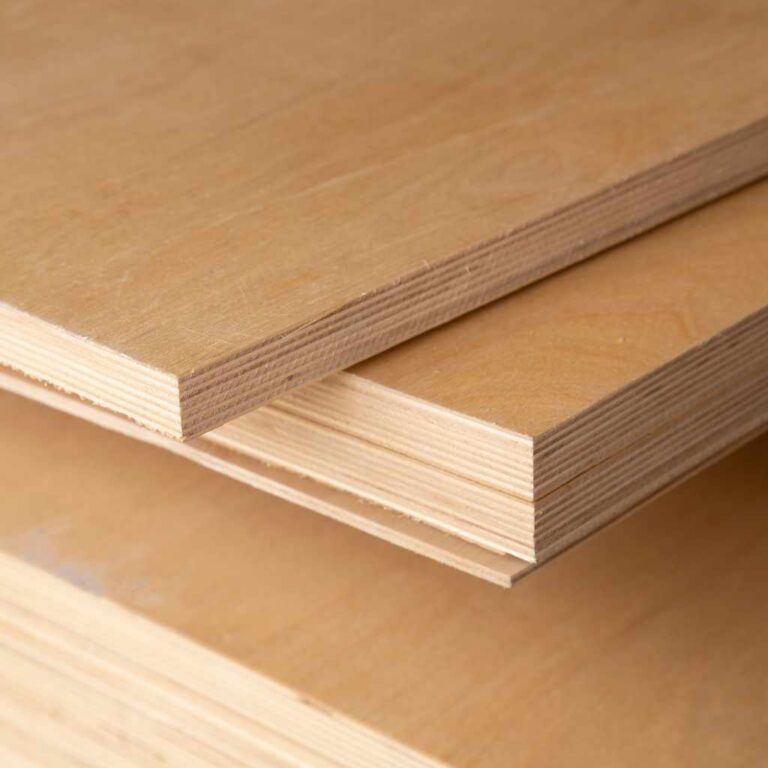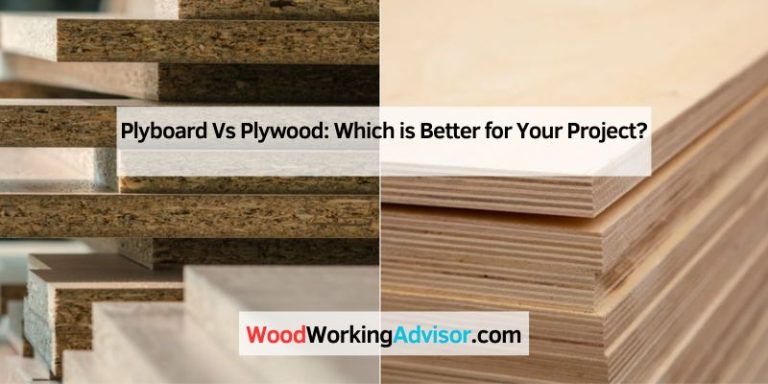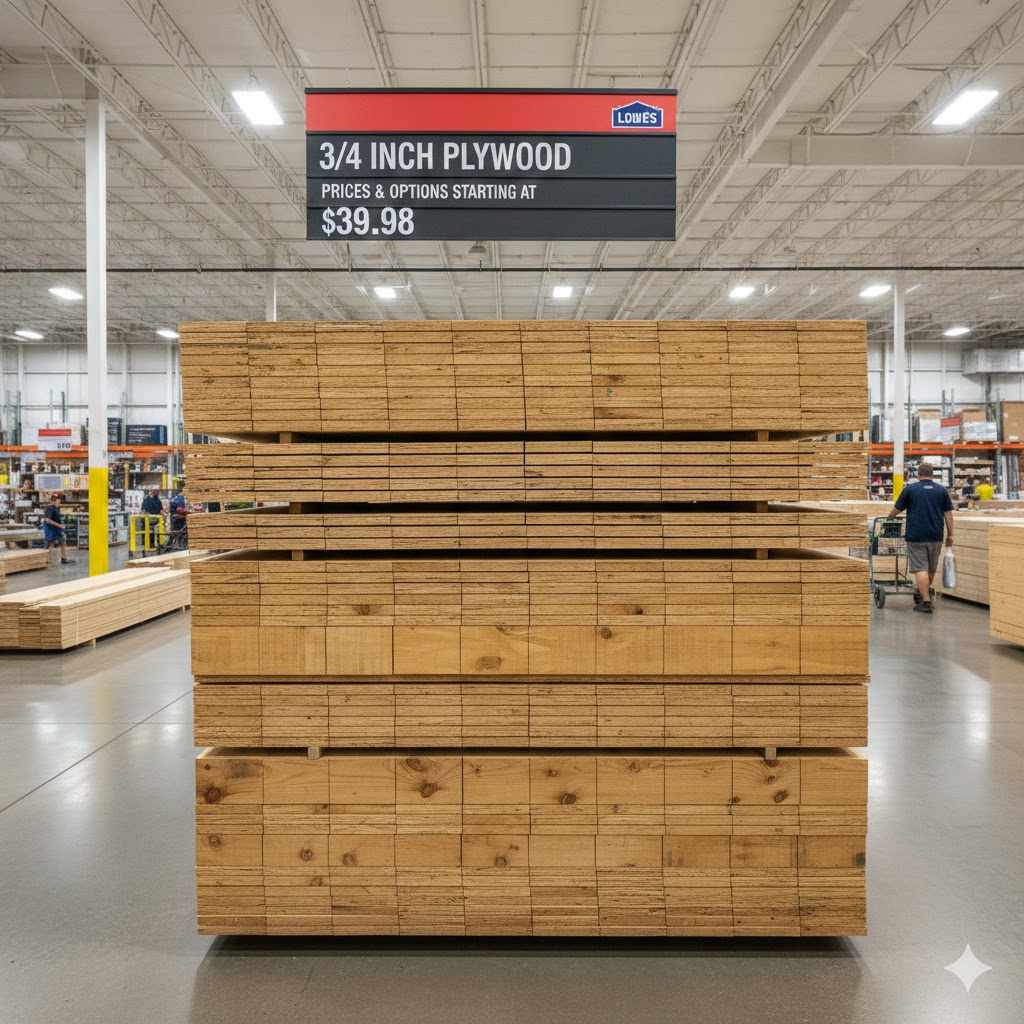
3/4 Inch Plywood at Lowe’s Prices & Options
Finding the right plywood for your projects can sometimes feel a little tricky, especially when you’re just starting out. You might be wondering about the best kind to get, what it will cost, and where to find it. This guide is here to make things super simple.
We’ll walk you through everything you need to know about 3/4 Inch Plywood at Lowe’s: Prices & Options so you can pick the perfect plywood for your needs without any confusion. Get ready to discover just how easy it can be.
Choosing 3/4 Inch Plywood at Lowe’s
Selecting the right 3/4 inch plywood is important for many building and DIY projects. At Lowe’s, you’ll find a variety of options, each suited for different uses. Understanding the types available, their grades, and typical price ranges will help you make an informed choice.
This section will break down what makes each plywood type unique and where it best fits in your project plans. We’ll cover the common terms you’ll see on labels.
Understanding Plywood Grades
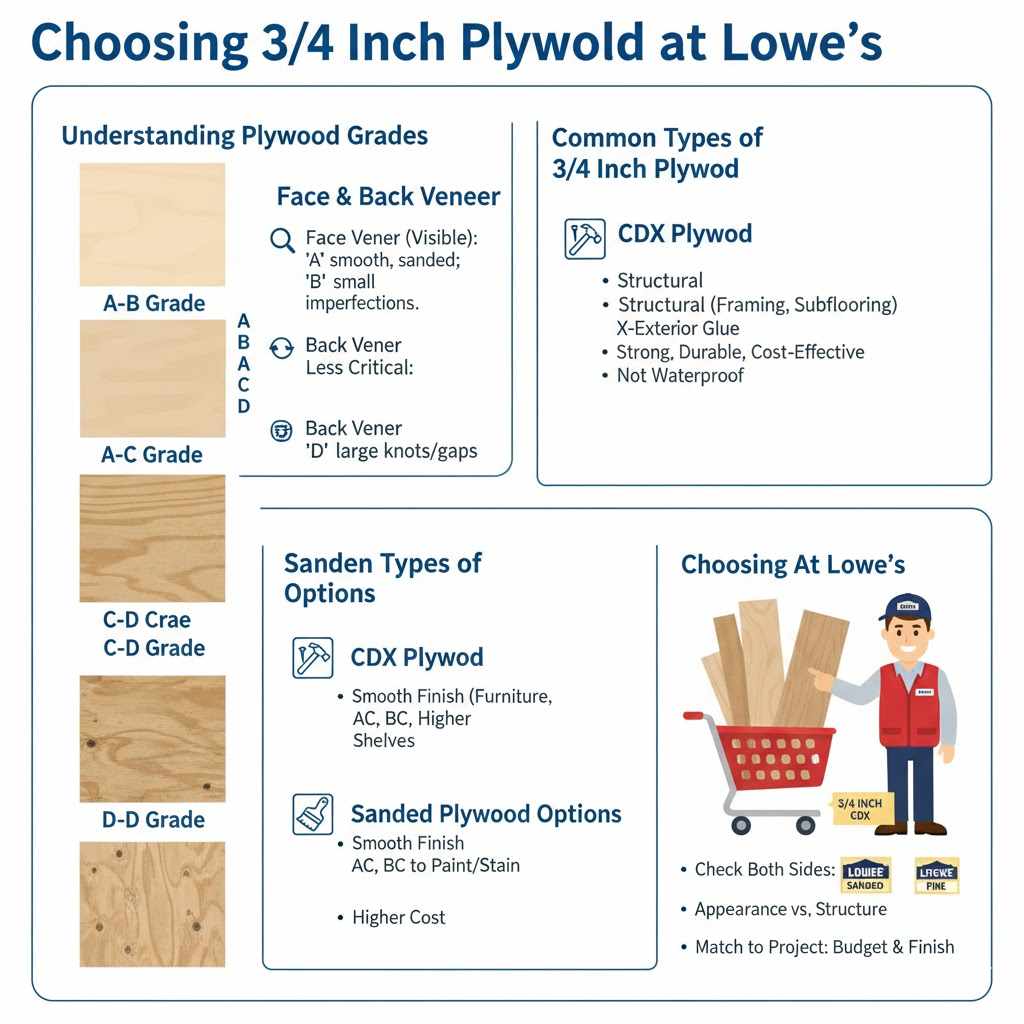
Plywood grades tell you about the quality of the wood’s surface. They usually use a letter system, like A, B, C, or D, for each side of the panel. The first letter refers to the face veneer, and the second to the back veneer.
For example, an AC grade means a smooth, paintable face (A) and a less perfect but still usable back (C). A higher grade means fewer knots, smoother surfaces, and generally better appearance.
For projects where the appearance of the wood matters, like furniture or visible shelving, you’ll want a higher grade, such as an A-B or A-C. If the plywood will be hidden or painted over, like for subflooring or cabinet backs, a lower grade like C-D might be perfectly fine and more affordable. Always check both sides of the plywood sheet if possible, as the grade can significantly impact how easy it is to work with and how good it looks when finished.
Face and Back Veneer Explanations
The face veneer is the most visible part of the plywood. An ‘A’ grade face is typically smooth, sanded, and free of major defects, making it ideal for painting or staining. A ‘B’ grade face will have some small imperfections like wood patches or repaired knots, but it’s still quite smooth.
The back veneer is less critical for appearance. A ‘C’ grade back might have knots and some surface imperfections. A ‘D’ grade back can have larger knots and some gaps.
For structural purposes, the grade of the back veneer often matters less than the strength of the plywood itself, which is determined by the number and type of inner plies.
Common Types of 3/4 Inch Plywood
At Lowe’s, you’ll mostly encounter construction-grade plywood, often labeled as CDX. The ‘CDX’ refers to the grades of the face and back veneers (C and D) and the glue used (X for exterior). This type of plywood is designed for structural applications where appearance is secondary.
It’s strong, durable, and cost-effective for framing, sheathing, and subflooring.
You might also find sanded plywood options, which are better suited for projects where the surface will be seen or worked on directly, like tabletops or decorative panels. These often have higher grade veneers on both sides for a smoother finish. Different wood species are also used, though pine and fir are common for general construction plywood.
CDX Plywood Explained
CDX plywood is the workhorse of construction. The ‘C’ grade means it has some knots and imperfections, while the ‘D’ grade allows for more of these. The ‘X’ signifies that it’s made with exterior-grade glue, meaning it can withstand moisture better than interior-grade plywood.
This makes it suitable for outdoor projects or areas that might experience humidity.
It’s important to remember that even exterior-grade plywood isn’t waterproof and will degrade if constantly exposed to the elements without proper sealing or protection. For projects that require a very smooth finish, like furniture, you’ll likely want to look beyond CDX and opt for sanded plywood with higher grades.
Sanded Plywood Options
Sanded plywood goes through an extra step of sanding to provide a smoother surface. This makes it much easier to paint, stain, or finish. Grades like AC, BC, or even higher are common for sanded plywood.
These are great for projects where the wood’s appearance is a key feature.
A panel with an A-grade face is very smooth and ideal for visible surfaces. If you’re building cabinets, shelves that will be seen, or even simple furniture pieces, sanded plywood is often a better choice than CDX. While it costs more than CDX, the time saved on sanding and the improved finished look are often worth the investment.
3/4 Inch Plywood Prices at Lowe’s
The cost of 3/4 inch plywood at Lowe’s can vary quite a bit. This is due to several factors, including the grade of the plywood, the type of wood it’s made from, and whether it’s a standard sheet or a specialty product. Knowing these price factors helps you budget for your projects.
We’ll look at typical price ranges and what might influence them.
Factors Affecting Plywood Cost
The biggest driver of plywood price is its grade. Higher grades with smoother veneers and fewer defects cost more. For instance, a utility grade like CDX will be less expensive than a sanded AC or BC grade.
The type of wood species also plays a role; birch or oak plywood, for example, will be pricier than standard pine or fir construction plywood.
The brand can also have a minor impact on price, though quality is usually consistent within grades. Special features, such as pre-finished panels or panels with specific certifications, will also increase the cost. When comparing prices, always ensure you are looking at the same grade and type of plywood to get an accurate comparison.
Typical Price Ranges
For a standard 4×8 foot sheet of 3/4 inch CDX plywood, you can typically expect to pay somewhere between $30 and $50. This can fluctuate based on market conditions and specific product availability at your local Lowe’s store.
Sanded plywood, like a 3/4 inch AC or BC grade, will generally be more expensive. These sheets often range from $50 to $80 or more, depending on the specific veneer quality and species. Specialty plywoods, such as cabinet-grade maple or birch, can easily exceed $100 per sheet.
Always check the Lowe’s website or visit a store for the most current pricing.
Shopping for Value
To get the best value when buying 3/4 inch plywood at Lowe’s, consider the specific needs of your project. If appearance is not a concern, CDX is usually the most budget-friendly option. For projects that require a smooth finish, look for sales on sanded plywood or consider buying a slightly lower sanded grade if available.
Sometimes, buying a larger quantity can lead to a slight discount, although Lowe’s doesn’t always offer bulk discounts on single-sheet items like plywood. Comparing prices between different brands and grades at Lowe’s will also help you find the best deal. Don’t forget to factor in the cost of any necessary finishing materials, like primer and paint, if you choose a lower-grade but cheaper plywood for a visible project.
Using 3/4 Inch Plywood in Projects
Three-quarter inch plywood is a versatile material, great for many DIY and construction tasks. Its thickness provides strength and stability, making it suitable for projects that need to bear weight or withstand stress. We will explore some common uses and provide tips for working with it effectively.
Framing and Structural Applications
The thickness of 3/4 inch plywood makes it an excellent choice for framing walls, floors, and roofs. It provides a solid base for attaching other materials and contributes to the overall stability of a structure. When used as subflooring, it creates a rigid surface for installing finished flooring like tile, carpet, or hardwood.
In wall framing, 3/4 inch plywood can be used for sheathing, adding rigidity to the structure. It’s also commonly used for building sturdy shelves in garages or workshops where strength is a priority. For these applications, CDX grade plywood is usually sufficient and cost-effective.
Subflooring Installation
When installing 3/4 inch plywood as subflooring, proper spacing and fastening are key. Sheets should typically be laid with the long dimension perpendicular to the floor joists. Leaving a small gap (about 1/8 inch) between sheets allows for expansion and contraction due to humidity changes.
Fasten the plywood to the joists using screws or ring-shank nails every 6 inches along the edges and every 12 inches in the field (the middle of the sheet). Using construction adhesive between the plywood and the joists before screwing down can help prevent squeaks and add extra rigidity. This ensures a solid, quiet floor for years to come.
Wall Sheathing
Using 3/4 inch plywood for wall sheathing adds significant shear strength to a building’s frame. This means it helps the walls resist racking or twisting forces, such as those from wind or earthquakes. The panels are typically attached directly to the studs and corners of the building frame.
Similar to subflooring, proper fastening is crucial. Follow building codes for nail size and spacing, which are usually around 6 inches on edges and 12 inches in the field. Ensure the panels are butted together tightly but not forced, allowing for slight expansion.
This creates a continuous, strong surface that also provides a base for siding or exterior finishes.
Furniture and Cabinetry
While CDX is great for structural work, sanded plywood is the preferred choice for furniture and cabinet making. Its smooth surface requires less preparation before painting or staining, and it offers a more refined look. The strength of 3/4 inch plywood makes it ideal for drawer boxes, cabinet carcasses, and tabletops.
When building furniture, consider the edge banding. Plywood edges can look unfinished, but they can be covered with wood veneer tape or solid wood strips for a clean, professional appearance. This also protects the edges from chipping.
Cabinet Carcasses
For cabinet boxes, 3/4 inch plywood provides the necessary strength to hold heavy items like dishes or appliances. Using sanded plywood, such as birch or maple, offers a beautiful surface that can be painted or stained to match your kitchen or living space.
When constructing cabinet carcasses, ensure all joints are square and well-secured. Pocket screws or biscuits can be used for strong, hidden joinery. The thicker plywood also helps prevent the cabinets from sagging over time, especially for wall-mounted units.
For a professional finish, consider edge banding the exposed plywood edges.
Table Tops and Shelving
A 3/4 inch plywood top can make a durable and affordable table. For a finished look, you can sand the edges smooth, apply edge banding, or even add a solid wood trim around the perimeter. If the surface will be painted or covered with laminate, a lower-grade sanded panel might suffice.
For strong, reliable shelving, 3/4 inch plywood is an excellent option. Whether it’s for a garage workshop, a pantry, or a display shelf, it can support significant weight without bowing. Ensure shelves are adequately supported by brackets or dadoes to prevent any sagging.
DIY Project Ideas
The versatility of 3/4 inch plywood opens up a world of DIY possibilities. From simple storage solutions to more complex furniture pieces, its availability at Lowe’s makes it an accessible material for many projects.
- DIY Raised Garden Beds: Constructing raised garden beds with 3/4 inch plywood is a great way to create a more organized and accessible gardening space. The thickness of the plywood provides durability against soil pressure and moisture. You can use CDX grade for cost-effectiveness, but ensure it’s sealed with a non-toxic, food-safe sealant if growing edibles. The size can be customized to fit your yard. Assembly is typically straightforward, involving screwing panels together at the corners.
- Custom Workbench: A sturdy workbench is essential for any workshop. Using 3/4 inch plywood for the top and possibly the sides creates a robust surface that can withstand heavy tools and materials. You can build a simple frame with 2×4 lumber and then attach the plywood. Consider adding a hardboard or laminate top layer for an even smoother and more durable work surface.
- Pet Housing: From dog houses to cat condos, 3/4 inch plywood offers the structure and insulation needed for comfortable pet enclosures. Ensure that any materials used are safe for animals, especially if they tend to chew on surfaces. Proper ventilation and weatherproofing are also important for outdoor structures.
Where to Buy 3/4 Inch Plywood at Lowe’s
Lowe’s is a go-to retailer for many DIYers and contractors looking for building materials, including 3/4 inch plywood. Understanding where to find it in the store and what to look for will make your shopping trip more efficient.
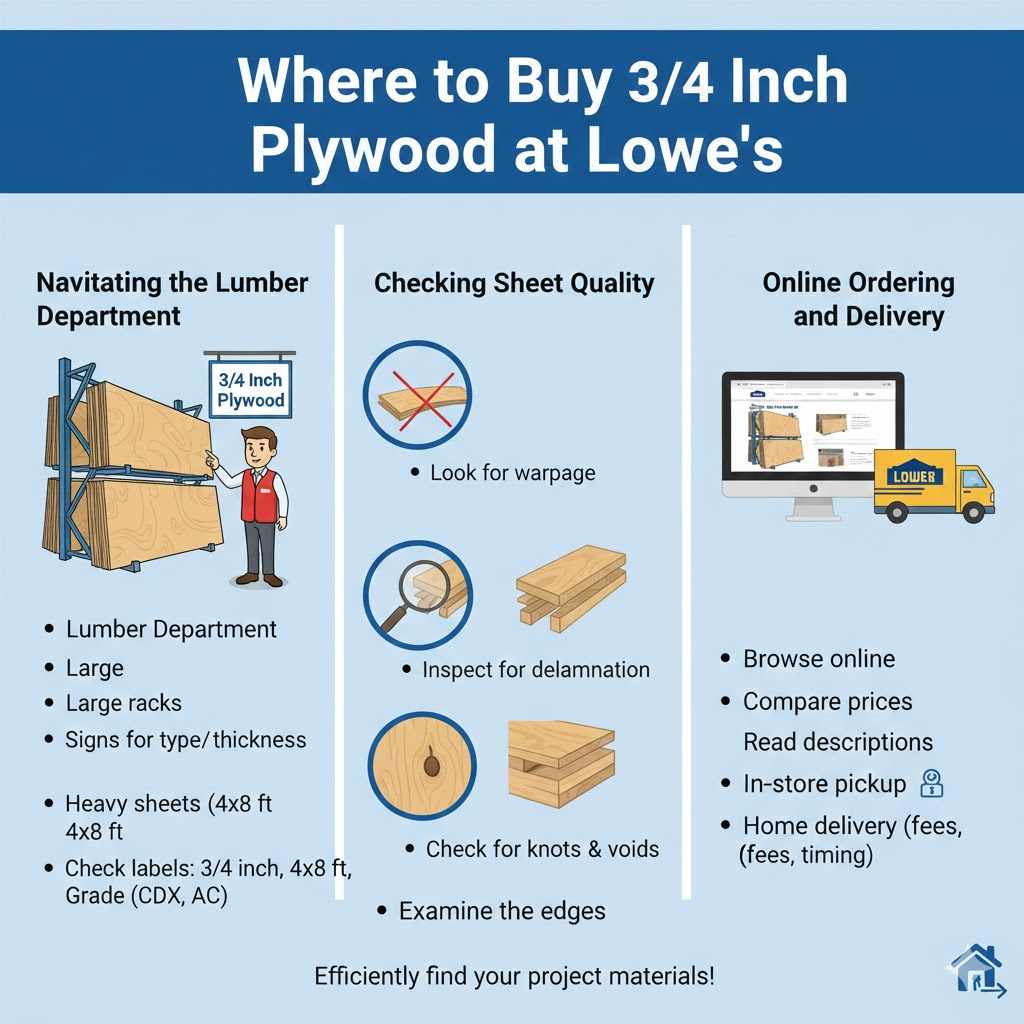
When you visit Lowe’s, the lumber department is where you’ll find plywood. Sheets are typically stacked in large racks. Keep an eye out for signs indicating the different types and thicknesses of plywood available.
The 3/4 inch sheets are usually quite heavy, so be prepared to handle them with care or ask for assistance.
Look for labels that clearly state the thickness (3/4 inch), dimensions (usually 4×8 feet), and grade (e.g., CDX, AC). It’s wise to inspect the sheets before purchasing. Check for significant warping, delamination (where the layers are peeling apart), or large, open cracks.
Checking Sheet Quality
Before you take a sheet of 3/4 inch plywood to checkout, give it a quick once-over.
- Look for warpage: Lay the sheet flat on the ground or another flat surface. If it bows significantly, it might cause problems during installation.
- Inspect for delamination: Gently try to pry apart the layers at the edges. If they easily separate, the plywood is not structurally sound.
- Check for knots and voids: For CDX, some knots are expected. However, large open knots or significant voids (gaps) can weaken the panel. For sanded grades, aim for fewer defects.
- Examine the edges: Ensure the edges are clean and not severely chipped or damaged.
A quick visual inspection can save you a lot of trouble down the road. It’s better to spend a few extra minutes checking the sheets at the store than to discover a defect once you’ve cut into it or started building.
Online Ordering and Delivery
Lowe’s also offers the convenience of online ordering. You can browse their selection of 3/4 inch plywood, compare prices, and read product descriptions. Many items are available for in-store pickup or for delivery to your home.
When ordering online for delivery, pay attention to the shipping costs and estimated delivery times. For large items like plywood, delivery fees can add up. Also, be aware that delivery drivers may not be able to bring the sheets inside your home, so plan accordingly for unloading.
In-store pickup is often a good option if you have a suitable vehicle.
Frequently Asked Questions
Question: What is the best grade of 3/4 inch plywood for painting
Answer: For painting, you’ll want a sanded plywood with a good face grade, like an AC or BC. The ‘A’ side is very smooth and ideal for paint. The ‘B’ side is also good but might have minor imperfections.
Question: Can I use CDX plywood for an outdoor deck
Answer: While CDX plywood is rated for exterior use due to its glue, it’s generally not recommended as the primary surface for an outdoor deck. It’s better suited for subflooring under a finished deck material like composite or wood planks. If used outdoors, it must be thoroughly sealed and protected from direct moisture.
Question: How much does a sheet of 3/4 inch plywood typically weigh
Answer: A standard 4×8 foot sheet of 3/4 inch plywood weighs approximately 50-70 pounds. The exact weight can vary slightly depending on the species of wood and moisture content.
Question: Is 3/4 inch plywood strong enough for shelving that holds heavy items
Answer: Yes, 3/4 inch plywood is very strong and commonly used for heavy-duty shelving. Ensure the shelves are properly supported by brackets or a sturdy frame to prevent sagging.
Question: What’s the difference between hardwood and softwood plywood
Answer: Hardwood plywood (like oak or birch) is made from deciduous trees and is generally stronger, denser, and has a finer grain, making it ideal for furniture and fine woodworking. Softwood plywood (like pine or fir) is made from coniferous trees, is typically lighter, less dense, and more affordable, commonly used for construction and utility purposes.
Wrap Up
Finding the right 3/4 inch plywood at Lowe’s is straightforward when you know the grades and prices. Whether for a structural project like subflooring or a decorative one like furniture, Lowe’s offers suitable options. Inspecting sheets for quality ensures your project’s success.
You can confidently choose the best plywood for your needs.