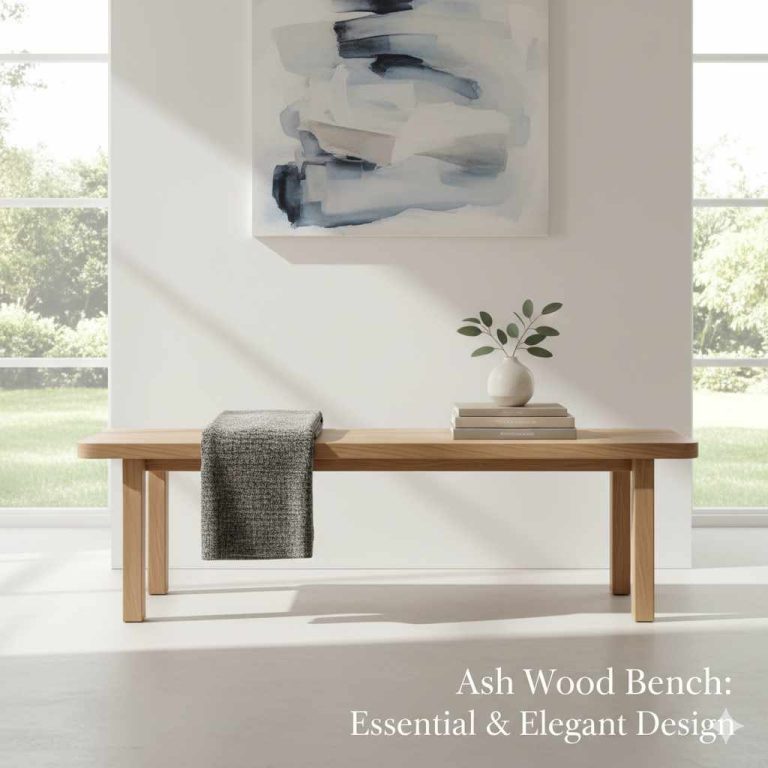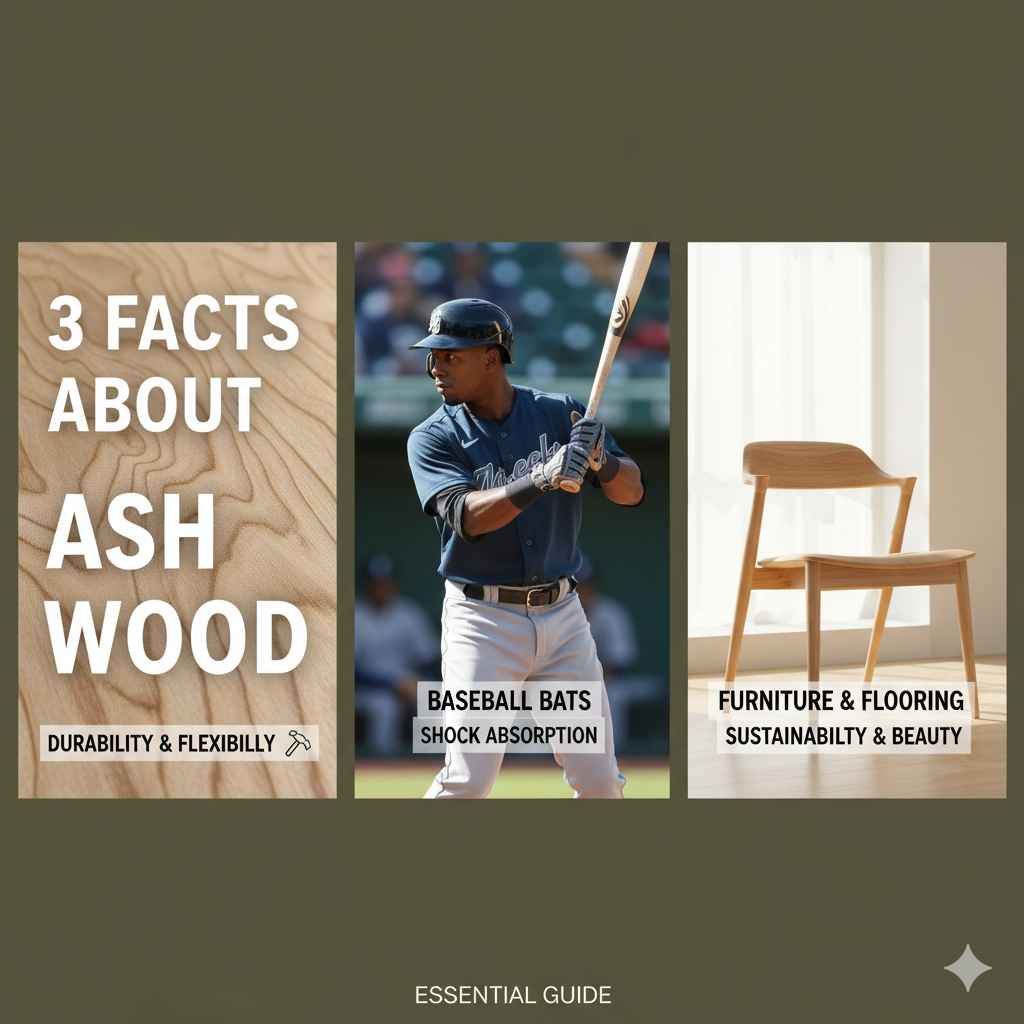
3 Facts About Ash Wood: Essential Guide
Discover 3 key facts about ash wood to understand its value for your next woodworking project. Ash wood is praised for its strength, beautiful grain, and workability, making it a fantastic, accessible choice for beginners and seasoned crafters alike.
Woodworking can sometimes feel like a puzzle, especially when you’re trying to figure out which wood is best for your project. You want something that looks great, lasts a long time, and is easy to work with, right? If you’ve been wondering about ash wood or have seen it recommended but aren’t sure why, you’re in the right place. Many beginners find the sheer variety of wood types a bit overwhelming, but once you understand a few key characteristics of a popular wood like ash, it becomes much simpler. This guide will break down three essential facts about ash wood that will help you confidently choose it for your next DIY adventure. Get ready to unlock the potential of this versatile material!
Quick Facts About Ash Wood
Ash wood (genus Fraxinus) is highly regarded in the woodworking world for several reasons. It’s known for its distinctive grain patterns, excellent strength-to-weight ratio, and ability to absorb shock. This makes it a popular choice for furniture, tool handles, sporting goods, and even flooring.
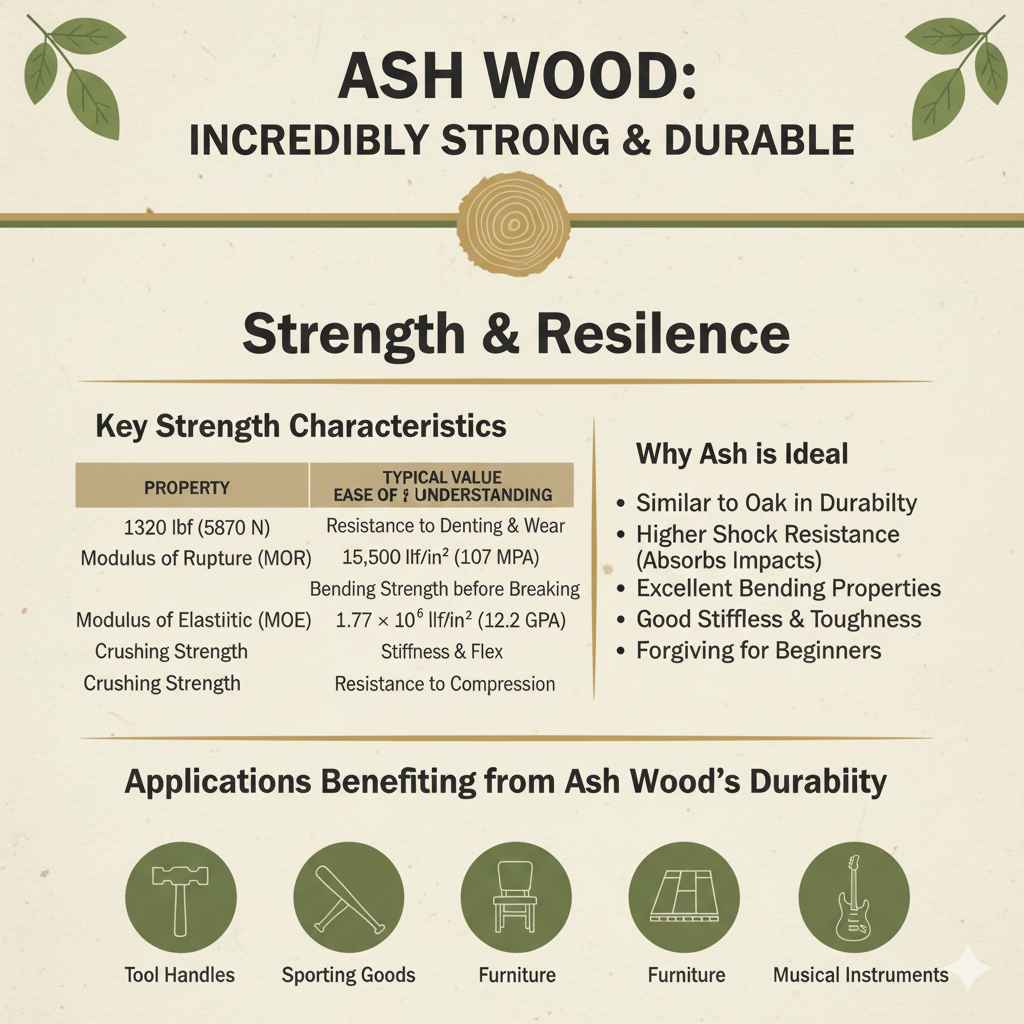
Fact 1: Ash Wood is Incredibly Strong and Durable
One of the standout qualities of ash wood is its impressive strength. It’s often compared to oak in terms of durability, but ash typically has a slightly higher shock resistance. This means it can withstand impacts and vibrations without breaking or splintering, making it ideal for items that will see a lot of use.
Think about tool handles – they need to absorb the shock of hammering or chopping. Ash has been a go-to wood for this purpose for generations. Its natural resilience also makes it a great choice for furniture that needs to be sturdy and long-lasting, like chairs, tables, and bed frames.
Strength Properties of Ash Wood
Ash wood exhibits excellent bending properties and good stiffness. It’s tougher than many other common hardwoods, meaning it’s less likely to dent or be damaged by everyday wear and tear. This inherent toughness is a major advantage for beginners, as projects made with ash are more forgiving of minor bumps or scrapes.
Here’s a look at some of its key strength characteristics:
| Property | Typical Value | Ease of Understanding |
|---|---|---|
| Janka Hardness | 1320 lbf (5870 N) | Measures resistance to denting and wear. Higher number means harder wood. |
| Modulus of Rupture (MOR) | 15,500 lbf/in² (107 MPa) | Represents its bending strength – how much force it can take before breaking. |
| Modulus of Elasticity (MOE) | 1.77 × 10^6 lbf/in² (12.2 GPa) | Indicates its stiffness – how much it bends under load before returning to its original shape. |
| Crushing Strength | 7,340 lbf/in² (50.6 MPa) | Shows its resistance to compression. |
The Janka hardness rating of ash, while not as high as some exotic hardwoods, places it firmly in the durable category. For context, red oak usually falls around 1290 lbf, and maple is often in the 1450 lbf range. This puts ash in a sweet spot: hard enough to be durable but not so hard that it becomes difficult to work with, which is a huge plus for beginners.
Applications Benefiting from Ash Wood’s Durability
- Tool Handles: Hammers, axes, shovels, and more. Its shock absorption prevents the handle from jarring the user.
- Sporting Goods: Baseball bats, hockey sticks, and bows often use ash due to its ability to withstand impact and flex.
- Furniture: Chairs, tables, and bed frames built with ash are known for their longevity.
- Flooring: Its hardness makes it suitable for high-traffic areas.
- Musical Instruments: Electric guitar bodies, for example, benefit from its resonant qualities and strength.
When you’re starting out, choosing a wood that’s forgiving is key. Ash’s durability means your first few projects are less likely to end up with nicks and dents that can be disheartening. You can learn the techniques without worrying as much about damaging the material.
Fact 2: Ash Wood Boasts a Distinctive and Appealing Grain Pattern
Beyond its brawn, ash wood is also celebrated for its beautiful appearance. It typically has a straight, somewhat coarse grain pattern that can range from subtle to quite pronounced, depending on the species and how it was cut. This grain can give projects a warm, natural, and visually interesting look.
The color of ash wood is generally light, ranging from creamy white to a pale yellowish-brown. This light color is a fantastic canvas. It takes stains very well, allowing you to achieve a wide variety of finishes. You can go for a natural look, a dark, rich stain, or even vibrant colors, making it incredibly versatile for different design aesthetics.
Understanding Ash Wood Grain
Ash wood often features an open grain structure. This means the pores in the wood are relatively large. While this contributes to its workability, it also means that if you’re aiming for a super-smooth, glass-like finish, you might need to use a grain filler, especially on more open-grained species or cuts. Don’t let this deter you, though! Many woodworkers love the texture that a natural, open grain provides. It gives projects a handcrafted feel.
There are several types of ash, and their grain can vary:
- White Ash (Fraxinus americana): Often has a straighter, more uniform grain and is a popular choice for furniture and tool handles.
- Green Ash (Fraxinus pennsylvanica): Similar to white ash but can sometimes have a more pronounced grain.
- European Ash (Fraxinus excelsior): Can have a very striking, wavy, or figured grain pattern, sometimes sought after for decorative pieces.
For beginners, the predictability of white ash’s grain is often a big help. It’s less likely to have wild swirls or knots that can make cutting and finishing more challenging. The straight grain is easier to cut along, and your finished piece will likely have a consistent look.
Finishing Ash Wood for Beauty
The finishing process is where ash wood truly shines for beginners. Its light color and open pores make it receptive to various finishes:
- Natural Finish: A clear coat of polyurethane, varnish, or oil can highlight the wood’s natural beauty and grain without altering its color significantly.
- Staining: Ash takes stain exceptionally well. Because of its open grain, it can sometimes absorb stain unevenly, leading to a blotchy appearance if not properly prepared.
- Tip for beginners: To achieve an even stain, consider using a pre-stain wood conditioner. This helps the wood absorb the stain more uniformly.
- Painting: Ash provides a smooth, stable surface for even a simple coat of paint. If you want a painted finish, the grain doesn’t require extensive filling unless you’re aiming for an absolutely flawless, perfectly smooth surface.
- Ebonizing: Ash is also a great candidate for ebonizing (making wood black), as its open structure allows the treatment to penetrate well.
The visual appeal of ash means that even simple projects can look like they were professionally made. Whether you choose a minimalist design or something more intricate, the wood grain itself adds a layer of sophistication.
Fact 3: Ash Wood is Relatively Easy to Work With
For anyone new to woodworking, ease of use is a critical factor. Fortunately, ash wood generally falls into the category of woods that are forgiving and manageable for hobbyists. It cuts, shapes, and joins well with both hand tools and power tools, making it a pleasure to craft with.
Its moderate hardness means it doesn’t rapidly dull tool edges like some of the ultra-hard tropical woods. Yet, it’s hard enough to hold fasteners like screws and nails securely without splitting, provided you pre-drill pilot holes, a fundamental step for any woodworking project.
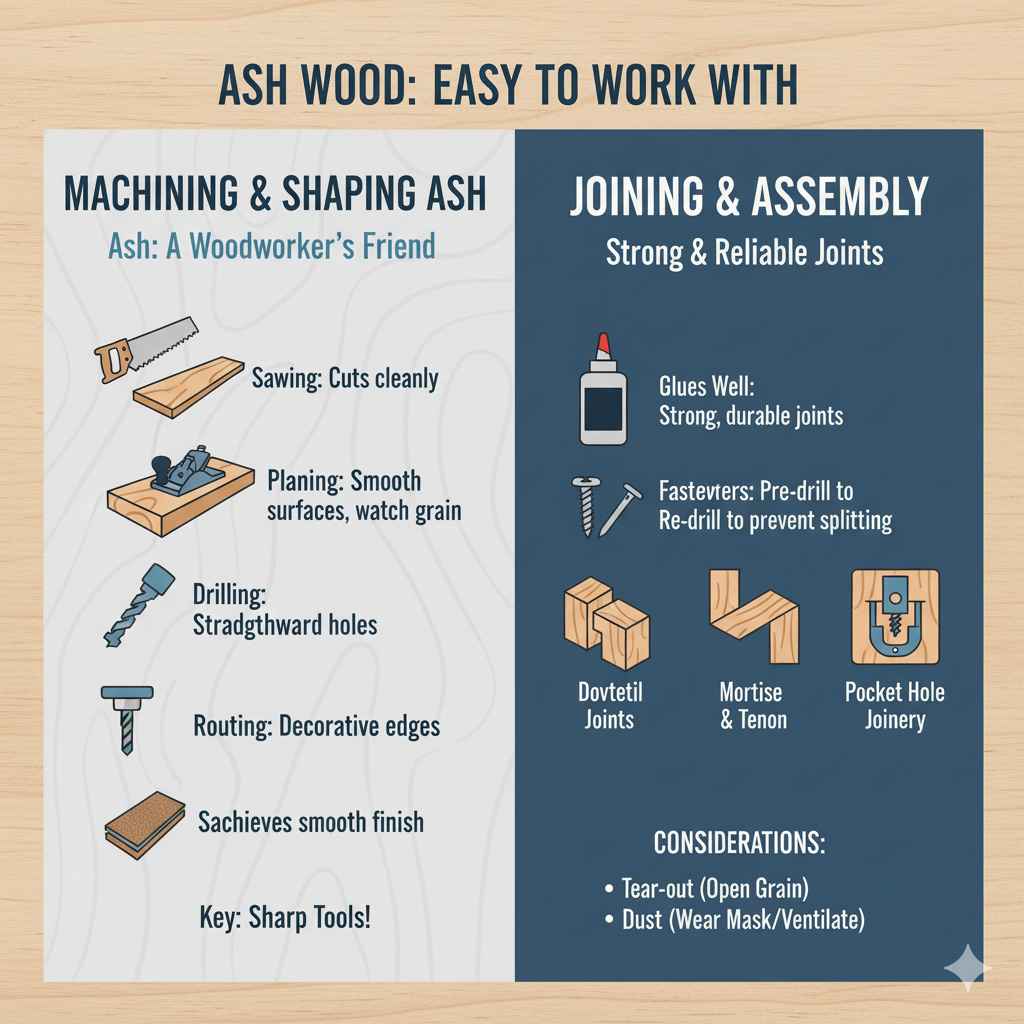
Machining and Shaping Ash
Ash machines well. This means it responds well to:
- Sawing: It cuts cleanly with both handsaws and power saws (like table saws or jigsaws).
- Planing: You can achieve smooth surfaces with planes, though using a sharp blade is always important, especially with open-grained woods. Pay attention to the direction of the grain to avoid tear-out.
- Drilling: Drilling holes is straightforward. Always use a sharp drill bit and consider backing the wood with a scrap piece to prevent tear-out on the exit hole.
- Routing: Router bits glide through ash, allowing for decorative edges or joinery.
- Sanding: Ash sands smoothly, progressing through grits from coarse to fine. Start with around 80-grit for initial shaping or to remove mill marks, and work your way up to 150, 220, or even 320-grit for a perfectly smooth surface before finishing.
The key to successful machining with ash, like most woods, is sharp tools. Dull tools will tear out the wood fibers, making your cuts look rough and creating more work in the sanding phase. Learning to sharpen your tools is a valuable skill that will make a world of difference in any woodworking endeavor, especially with woods like ash.
For an in-depth look at sharpening tools, resources from organizations like Wood Magazine offer excellent guidance.
Joining and Assembly with Ash
Ash is a reliable wood for joinery. It holds glue well, making glued joints strong and durable. When using screws or nails, pre-drilling is always recommended to prevent splitting, especially near the ends of boards or in thinner pieces.
Common joinery methods that work excellently with ash include:
- Butt joints: Simple, but best reinforced with screws or nails.
- Dovetail joints: Ash’s strength allows it to hold intricate dovetails beautifully.
- Mortise and tenon joints: A classic for furniture, ash holds these strong joints very well.
- Pocket hole joinery: Easy for beginners and creates strong joints with ash.
The ease of working with ash means you can focus more on the design and execution of your project rather than battling difficult-to-cut or unstable wood. This fosters confidence and encourages you to take on more ambitious projects as you gain skill.
Considerations for Working with Ash Wood
While ash is generally easy to work, there are a couple of points to keep in mind:
- Tear-out: Because it has an open grain, you can experience tear-out when cutting or planing against the grain. Always pay attention to grain direction and ensure your tools are sharp.
- Dust: Ash dust can be an irritant for some people. Always wear a dust mask when cutting or sanding ash, and ensure good ventilation. For more on woodworking safety, the Woodworkers Institute provides comprehensive safety advice.
These are minor points, however, and easily managed with basic woodworking precautions. The overall ease of machining and joining makes ash a top pick for a beginner-friendly hardwood.
Frequently Asked Questions About Ash Wood
Is Ash Wood Good for Beginners?
Yes, absolutely! Ash wood is an excellent choice for beginners. It’s strong, durable, relatively easy to work with using both hand and power tools, and it finishes beautifully. Its forgiving nature means you can learn new techniques without the frustration of working with a difficult wood.
How Does Ash Wood Compare to Oak Wood?
Ash and oak are both popular hardwoods with similar strengths. Ash is generally a bit lighter in color and can have a more pronounced, straight grain. In terms of durability, ash often has higher shock resistance, making it better for items that experience impacts. Oak can be slightly harder in some varieties and often has a more textured, wilder grain pattern.
What is the Difference Between White Ash and Other Ash Types?
White Ash (Fraxinus americana) is most commonly used in woodworking. It typically has a straight, uniform grain and a creamy to light brown color. Other species, like European Ash (Fraxinus excelsior), can sometimes exhibit more figured or wavy grain patterns, making them more decorative but also potentially more challenging to work with due to grain direction.
Can Ash Wood Be Stained?
Yes, ash wood stains exceptionally well. Its light color provides a great base for a variety of stains. Due to its open grain, it can sometimes absorb stain unevenly, leading to blotchiness. Using a pre-stain wood conditioner before applying stain is highly recommended for a more uniform and professional-looking finish.
What Kind of Projects is Ash Wood Best Suited For?
Given its strength, durability, and workability, ash is perfect for a wide range of projects. This includes furniture (chairs, tables, beds), tool handles, cabinetry, flooring, and even smaller decorative items. Its shock resistance makes it ideal for anything that will take a beating.
Is Ash Wood Expensive?
Ash wood is generally considered a mid-range hardwood. It’s more affordable than some premium domestic hardwoods like walnut or cherry, and often comparable or slightly less expensive than oak. Its availability and favorable price point make it a very attractive option for both budget-conscious DIYers and small-scale manufacturers.
Does Ash Wood Splinter Easily?
Ash wood is known for being tough and less prone to splintering than softer woods. However, like all woods, it can splinter, especially if cut at an awkward angle or if the grain is inconsistent. Always use sharp tools and consider pre-drilling pilot holes when driving screws or nails to minimize the risk of splitting or splintering.
Conclusion: Embrace Ash Wood for Your Woodworking Journey
As you can see, ash wood offers a wonderful combination of benefits that make it a standout choice for woodworkers of all skill levels. Its impressive strength and durability mean your creations will stand the test of time, while its beautiful grain patterns and light color offer endless possibilities for customization and aesthetic appeal. Add to this its user-friendly nature – how well it cuts, shapes, and joins – and you have a truly exceptional material.
Whether you’re building your first planter box, crafting a simple shelf, or dreaming of a piece of furniture, ash wood is a reliable and rewarding material to work with. It allows you to focus on learning and enjoying the process of creation, knowing that you’re using a wood that’s both functional and beautiful. So, the next time you’re at the lumberyard or browsing online for wood, don’t hesitate to pick up some ash. You’ll find it’s an accessible hardwood that helps turn woodworking dreams into durable, beautiful realities.