8 1/4 Inch vs 10 Inch Table Saw Blades: Cutting Depth, Cost, and Which to Buy
An 8 1/4-inch table saw cuts up to 2 1/2 inches deep at 90 degrees, while a 10-inch table saw cuts up to 3 1/2 inches deep at the same angle. That one-inch gap in depth of cut is the real difference behind almost every other tradeoff between the two blade sizes – portability versus capacity, price versus blade selection, and how thick a board you can rip in a single pass.
8 1/4-Inch vs 10-Inch Table Saw Blades at a Glance
Best General-Purpose 10-Inch Blade
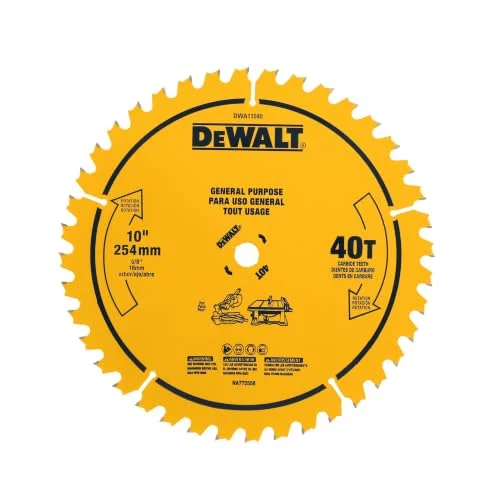 |
DEWALT DWA11040 10-Inch 40-Tooth Table Saw Blade – $22.97 A 40-tooth combination grind that rips and crosscuts on any 10-inch table saw without swapping blades between tasks.
|
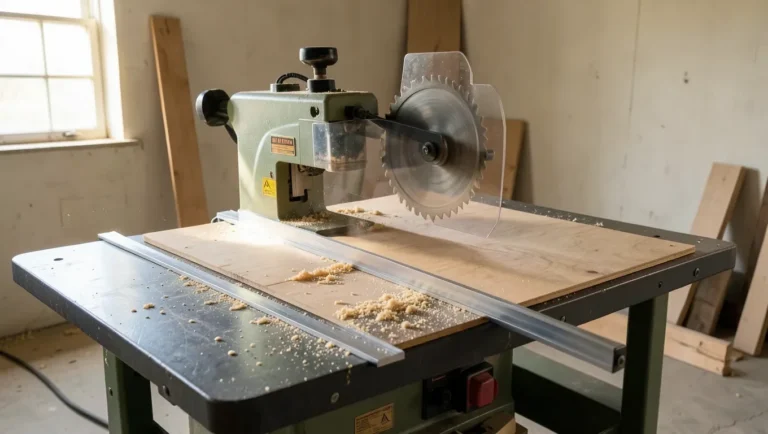
Both sizes use the same basic arbor (usually 5/8 inch), so the difference isn’t about how the blade mounts – it’s about diameter, and diameter drives everything else. An 8 1/4-inch blade is standard on compact jobsite and benchtop saws built for portability. A 10-inch blade is the standard on contractor and cabinet saws built for shop use and heavier stock. Neither size is “better” outright; they’re built for different jobs.
Cutting Depth: The Real Numbers
Depth of cut is the single biggest practical difference between the two sizes:
- 8 1/4-inch saw: about 2 1/2 inches deep at 90 degrees, about 1 3/4 inches deep at 45 degrees.
- 10-inch saw: about 3 1/2 inches deep at 90 degrees, about 2 1/4 inches deep at 45 degrees.
That one-inch difference at 90 degrees doesn’t sound like much until you’re ripping 8/4 hardwood or ganging up 2x stock. An 8 1/4-inch saw can still get through most 4/4 and 5/4 lumber in a single pass, but anything thicker than about 2 1/2 inches has to be flipped and cut from both sides – which adds a kerf-alignment step and a chance to introduce a small step in the cut. A 10-inch saw handles standard construction lumber and most furniture-grade hardwood in one pass without that workaround.
Blade Selection, Tooth Count, and Cost
This is where the 10-inch size pulls ahead by a wide margin. Because 10-inch saws have been the U.S. woodworking standard for decades, blade manufacturers make far more 10-inch options: general-purpose 40-tooth combination blades, 60-to-80-tooth fine-crosscut blades, thin-kerf rip blades, and stacked dado sets in the 6-to-8-inch range that mount on a 10-inch arbor. 8 1/4-inch blades exist in far fewer configurations – mostly general-purpose combination blades and a handful of finish blades – because fewer saws use that size.
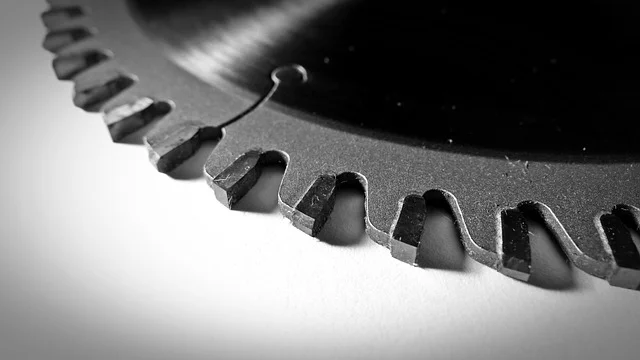
Tooth count works the same way on both sizes: more teeth (60-80T) give a smoother, slower cut best for crosscuts and plywood veneer; fewer teeth (24-40T) clear chips faster and rip solid wood more efficiently. A 40-tooth combination blade, like the DeWalt pick below, is the right general-purpose choice for most 10-inch saw owners who don’t want to swap blades between ripping and crosscutting.
RPM, Portability, and Which Fits Your Shop
Smaller blades spin faster for a given motor speed, so 8 1/4-inch saws typically run their blades at a higher RPM than 10-inch saws with a comparable motor. In practice this doesn’t translate into a cleaner cut on its own – tooth count and grind matter more – but it does mean an 8 1/4-inch saw can feel snappier on thin stock.
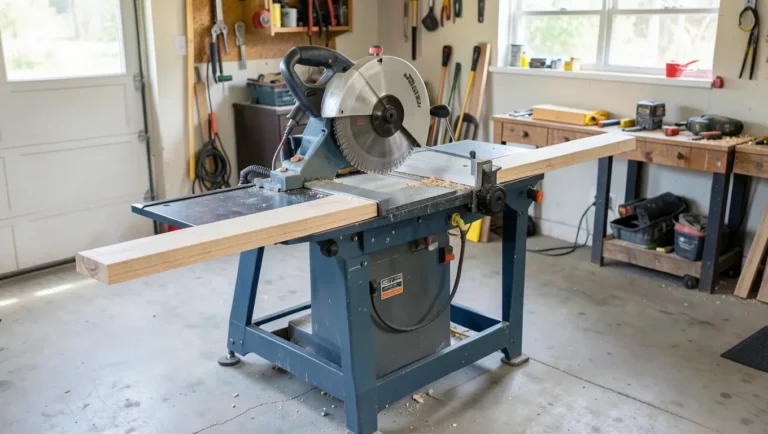
Where the 8 1/4-inch size genuinely wins is weight and footprint. Compact 8 1/4-inch table saws are built to be carried to a jobsite or folded away in a garage, and they’re the common choice for trim carpenters and DIYers with limited shop space. A 10-inch saw – contractor style or cabinet style – is heavier, needs a dedicated spot in the shop, but pays that space back in cutting capacity and blade selection.
Can You Put a 10-Inch Blade on an 8 1/4-Inch Saw?
No, and this isn’t a “check your manual” gray area – it’s a hard no. The blade guard, riving knife, and throat plate on an 8 1/4-inch saw are sized and positioned for the smaller diameter. A 10-inch blade won’t retract fully below the table, will hit the guard housing, and can bind or kick back the workpiece. Always match blade diameter to what the saw’s manufacturer specifies, not just the arbor size.
Dado Cuts on Either Size
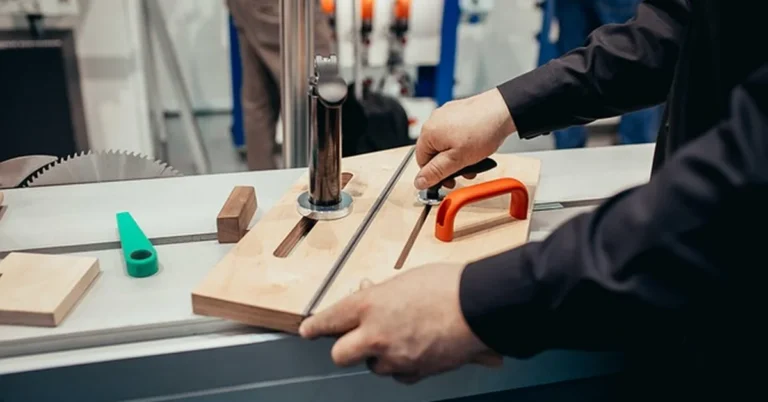
Stacked dado sets are far more common in the 6-to-8-inch diameter range built for a 10-inch saw’s arbor and throat plate opening. If your saw is an 8 1/4-inch compact model, check its manual before buying a dado set – many compact and benchtop saws either can’t run a stacked dado safely (the arbor isn’t long enough, or the saw lacks a dado-compatible throat plate) or are limited to a much shallower dado depth than a full-size 10-inch cabinet saw.
Which One Should You Buy?
If you build furniture, work with hardwood thicker than about 2 inches, or want access to the widest range of blades – including dado sets – a 10-inch saw is the better long-term investment. If you’re a trim carpenter, a DIYer with a small garage shop, or you mostly cut sheet goods and standard 3/4-inch lumber, an 8 1/4-inch compact saw covers those jobs at a lower price and a fraction of the weight. Match the saw to the thickest material you cut regularly, not the thinnest.
Frequently Asked Questions
What is the difference between 8 1/4-inch and 10-inch saw blades?
The main difference is depth of cut: an 8 1/4-inch blade cuts about 2 1/2 inches deep at 90 degrees, while a 10-inch blade cuts about 3 1/2 inches deep. The 10-inch size also has a much wider selection of specialty and dado blades available.
Can a 10-inch blade fit on an 8 1/4-inch saw?
No. The blade guard, riving knife, and throat plate on an 8 1/4-inch saw are built for that smaller diameter, and a 10-inch blade will not retract or clear the housing correctly. Always use the blade diameter the saw’s manufacturer specifies.
Are 8 1/4-inch blades suitable for dado cuts?
Sometimes, but check your saw’s manual first. Many compact 8 1/4-inch saws either can’t run a stacked dado set safely or are limited to a shallower dado depth than a full-size 10-inch saw, since most dado sets are built in the 6-to-8-inch range for a 10-inch arbor and throat plate.
How long do table saw blades last?
A carbide-tipped blade used regularly typically stays sharp for several months to a couple of years, depending on the material cut and whether it hits nails, screws, or MDF glue lines. Sharpening or replacing it when cuts start to burn or tear out extends the life of the saw’s motor as much as the blade.
What materials can a 10-inch blade cut?
A 10-inch blade handles solid wood, plywood, MDF, and – with the right tooth type – thin non-ferrous metal or laminate. Match the tooth count and grind to the material: fewer teeth for ripping solid wood, more teeth for clean crosscuts and veneered sheet goods.
Bottom Line
An 8 1/4-inch and a 10-inch table saw blade aren’t really competing for the same job. The 8 1/4-inch size is the portable, budget-friendly choice for trim work and smaller stock. The 10-inch size is the shop standard because it cuts deeper, accepts far more blade types, and handles dado work most compact saws can’t. Pick based on the thickest material you regularly cut and how much space and budget your shop actually has.
Sponsored / affiliate links. As an Amazon Associate I earn from qualifying purchases. I may earn additional commission from eligible campaigns.