Are Boxwoods Acid Loving Plants? Soil Truth Revealed Here
It’s a common question many gardeners have when choosing plants for their landscape. You want your garden to look its best. Boxwoods are beautiful, classic shrubs.
They add structure and year-round green. But what kind of soil do they really need? Do they prefer it a certain way?
Let’s dig into the soil truth about boxwoods and find out if they are indeed acid-loving plants. We’ll cover what they need and how to give it to them. You’ll learn how to help your boxwoods grow strong and healthy.
This will make your garden the envy of the neighborhood.
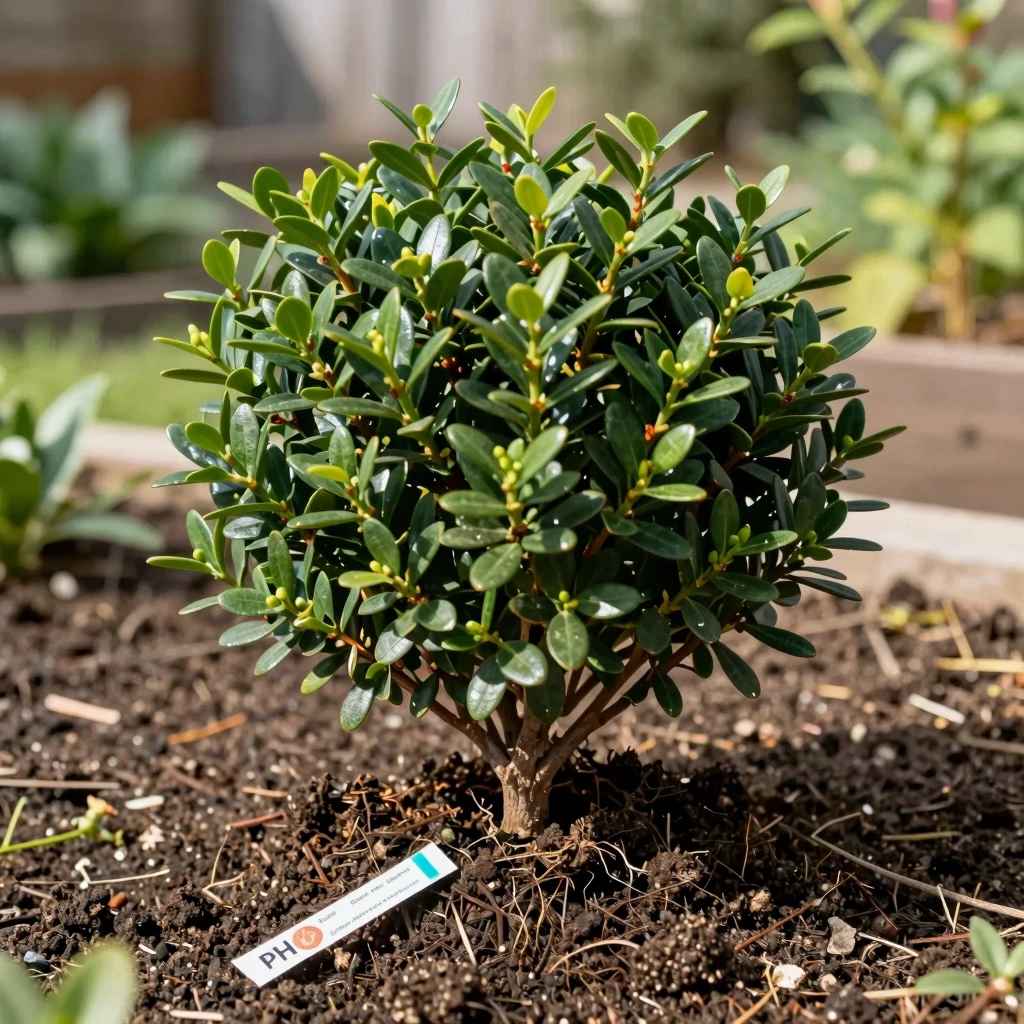
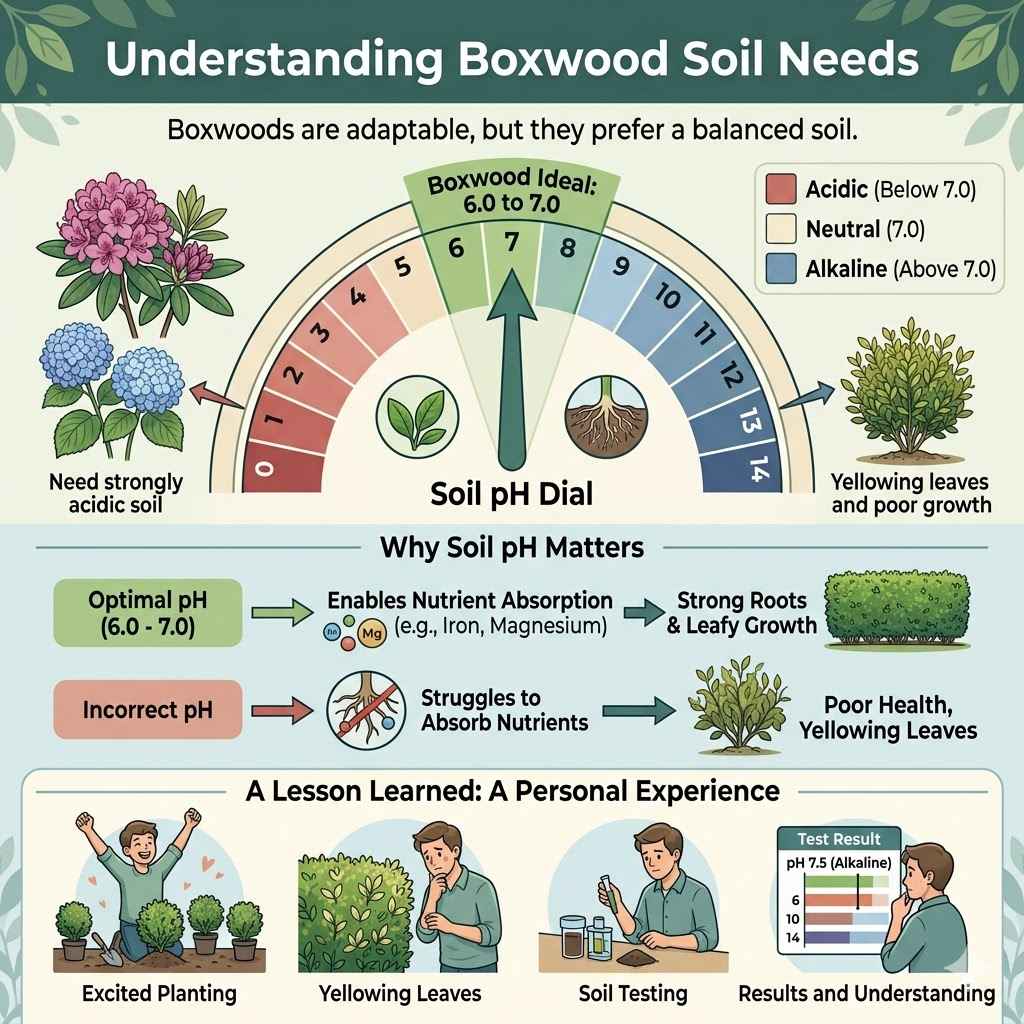
Boxwoods generally prefer a slightly acidic to neutral soil pH. They are not strictly acid-loving plants like blueberries or azaleas. The ideal pH range for most boxwood varieties is between 6.0 and 7.0. Soil that is too acidic or too alkaline can cause problems for boxwoods, affecting nutrient uptake and overall health.
Understanding Boxwood Soil Needs
Boxwoods are pretty adaptable. That’s good news for us! Most types of boxwood, whether it’s the common English boxwood or the faster-growing Japanese variety, do best in soil that isn’t too extreme. They like it balanced.
Think of soil pH like a dial. It tells you how acidic or alkaline your soil is. The scale goes from 0 to 14. A pH of 7 is neutral. Numbers below 7 mean it’s acidic. Numbers above 7 mean it’s alkaline.
Boxwoods like their dial to be somewhere between 6.0 and 7.0. This means slightly acidic to neutral. They don’t need super acidic soil. This is different from plants like rhododendrons or hydrangeas. Those really need an acidic environment.
When the soil pH is just right, boxwoods can easily get the nutrients they need. These nutrients are essential for strong roots and leafy growth. If the pH is too far off, the boxwood struggles. It can’t absorb things like iron or magnesium. This leads to problems.
My Boxwood Soil Experience
I remember when I first planted my boxwood hedge. I was so excited! I bought them from a local nursery. The salesperson said they were easy plants. I figured I couldn’t go wrong. My soil is mostly clay. I’d heard clay soil can sometimes be a bit tricky.
I planted them in early spring. They looked okay for the first few months. Then, I started noticing some yellowing leaves. The new growth looked a bit pale. I panicked a little. Were they dying? I had visions of having to replace the whole hedge.
I did some research. I learned about soil pH. I bought a simple soil test kit from the garden center. I took a few samples from around the base of the boxwoods. I followed the instructions carefully. The results showed my soil pH was around 7.5. That’s on the alkaline side.
My boxwoods were probably struggling to get certain nutrients. This was why they looked so sad. I felt a bit guilty. I hadn’t paid enough attention to the soil. It wasn’t just about putting the plant in the ground. I learned a big lesson that day.
Understanding Soil pH Quick Guide
What is pH? It measures acidity or alkalinity. Scale is 0-14.
Neutral: 7.0
Acidic: Below 7.0
Alkaline: Above 7.0
Boxwood Ideal: 6.0 to 7.0
What Does Soil pH Actually Do?
Soil pH affects many things. It’s like the gatekeeper for nutrients. When the pH is right, the nutrients in the soil are available for plants to use. They dissolve in water. The plant roots can then take them up.
If the pH is too high (alkaline), certain nutrients get locked up. Iron is a common one. Magnesium is another. This is called a nutrient deficiency. The plant shows symptoms even if the nutrients are present in the soil. It’s like having food in the pantry but not being able to open the jars.
If the pH is too low (acidic), other nutrients might become too available. This can be toxic. It can also affect the helpful microbes in the soil. These microbes are important for plant health. They break down organic matter. They help make nutrients available.
For boxwoods, a pH of 6.0 to 7.0 works best. This range allows for good nutrient availability. It also supports healthy soil life. It’s a happy medium for these shrubs.
How to Test Your Soil pH
Testing your soil pH is super easy. You don’t need to be a scientist. There are a few ways to do it. You can buy a simple home testing kit. These are often sold at garden centers or online. They usually involve mixing a soil sample with water and a testing solution. You then compare the color to a chart.
Another common method is using a digital pH meter. You insert the probe into moist soil. It gives you a digital reading. These can be a bit more accurate. They are also reusable.
For a really detailed analysis, you can send a soil sample to a local extension office. These offices are often part of universities. They can provide a comprehensive report. This report will tell you the pH and also what nutrients might be missing. It’s a great option if you’re having persistent problems.
When you test, make sure to take samples from different spots. Also, test at the depth where the roots grow. For boxwoods, this is usually the top 6-8 inches of soil. Mix these samples together before testing. This gives you an average reading for the area.
Boxwood Soil pH Truths
- Ideal Range: 6.0 to 7.0 (Slightly acidic to neutral)
- Not Acid-Loving: Unlike blueberries or azaleas.
- Why it Matters: Affects nutrient absorption.
- Too Alkaline (>7.0): Can lock up iron and magnesium.
- Too Acidic (<6.0): Can make some nutrients toxic.
- Testing: Easy with home kits or digital meters.
Amending Your Soil for Boxwoods
Once you know your soil’s pH, you can make changes if needed. It’s like giving your boxwood a special diet. The goal is to move the pH closer to that 6.0-7.0 sweet spot.
If your soil is too alkaline (pH above 7.0), you need to make it more acidic. You can do this by adding organic matter. Compost is great. Peat moss is also very acidic and can help lower pH. Elemental sulfur is another option. It works slowly to lower pH. Follow the product directions carefully. Adding too much can make the soil too acidic quickly.
If your soil is too acidic (pH below 6.0), you need to make it more alkaline. The easiest way to do this is by adding lime. Agricultural lime is commonly used. It raises the pH. Again, follow the product instructions. You don’t want to add too much lime all at once.
When you add amendments like sulfur or lime, it’s best to mix them into the soil around the boxwood. Do this in the fall or early spring before new growth starts. It takes time for these changes to affect the soil pH. You might need to re-test your soil after a few months or the next year to see how much it has changed.
It’s also important to remember that consistent watering and good drainage help. Healthy soil with plenty of organic matter is generally more stable in its pH. So, regularly adding compost is always a good idea for overall plant health.
Signs Your Boxwood Soil pH is Off
Your boxwood will tell you if something is wrong. You just need to know what to look for. The most common sign of pH problems is leaf discoloration.
Yellowing leaves are a big clue. If the entire leaf turns yellow, it might be a general nutrient issue. But if you see yellowing between the green veins, that’s often a sign of iron deficiency. This is common in alkaline soils. This condition is called chlorosis. The veins stay green, but the rest of the leaf turns pale yellow.
New growth might be stunted. The leaves might be smaller than normal. The overall plant might look less vigorous. It might not grow as much as you expect.
In very extreme cases, the leaves might turn brown and drop off. The plant can become weak and more susceptible to diseases and pests. This is when you really need to pay attention.
Don’t jump to conclusions too fast. Other things can cause similar symptoms. Poor drainage, overwatering, underwatering, or pest infestations can all make boxwoods look unhappy. That’s why testing the soil pH is such an important first step. It helps you rule out or confirm a common cause.
Boxwood Health Check: What to Watch For
Leaf Yellowing (Chlorosis)
Symptom: Leaves turn yellow, especially between veins. New leaves are pale.
Possible Cause: Iron deficiency due to high soil pH.
Stunted Growth
Symptom: Plants grow slower than usual. New shoots are short.
Possible Cause: Poor nutrient uptake from incorrect pH.
Leaf Drop
Symptom: Leaves turn brown and fall off. Plant looks sparse.
Possible Cause: Severe nutrient deficiency or stress from extreme pH.
Boxwood Varieties and Soil Tolerance
While most boxwoods prefer that 6.0-7.0 pH range, some varieties are a bit more tolerant of slightly different conditions. However, it’s always best to aim for their ideal range for the best results.
American Boxwood (Buxus sempervirens): This is a very common and hardy type. It’s quite adaptable but still prefers slightly acidic to neutral soil.
Japanese Boxwood (Buxus microphylla): These are often more tolerant of heat and drought. They also do well in the standard pH range. Some cultivars might handle slightly more alkaline conditions better.
Littleleaf Boxwood (Buxus microphylla var. japonica): Similar to Japanese boxwood, these are generally robust and do well in slightly acidic to neutral soils.
Even with tolerant varieties, providing the right soil pH helps them thrive. It ensures they get all the food they need to stay healthy and look their best. It’s like giving a person the best diet to feel their best.
Beyond pH: Other Soil Factors for Boxwoods
While pH is a big piece of the puzzle, it’s not the only thing boxwoods care about. Good soil health involves several factors.
Drainage: Boxwoods absolutely hate sitting in soggy soil. Their roots need air. If the soil stays wet, the roots can rot. This is a quick way to kill a boxwood. Improving drainage often means amending heavy clay soil with organic matter. Adding compost or perlite can help. Raised beds are also an option for very poor drainage areas.
Organic Matter: As we’ve mentioned, compost is king! It improves soil structure, drainage, and aeration. It also slowly releases nutrients. Adding compost regularly helps maintain a healthy soil environment. It buffers pH changes too.
Soil Type: While they prefer well-drained soil, boxwoods can grow in various soil types. They can handle clay, loam, or even sandy soils, as long as drainage is good. The key is amending the soil to suit the boxwood’s needs.
Fertilizing: If your soil pH is correct, you may not need to fertilize much. A light feeding in early spring with a balanced, slow-release fertilizer can be beneficial. Use a fertilizer formulated for woody shrubs. Over-fertilizing can harm boxwoods. It can lead to weak, leggy growth.
Common Mistakes Gardeners Make
We all make mistakes in the garden. It’s part of learning! With boxwoods, some common errors relate to soil.
One big mistake is assuming all plants want the same soil. Just because your petunias love alkaline soil doesn’t mean your boxwoods will. Always research your plant’s specific needs.
Another error is not testing the soil. Many gardeners skip this step. They might add a generic fertilizer or compost and hope for the best. But if the pH is way off, the plant won’t benefit as much. It’s like trying to fix a car engine without knowing what’s wrong.
Overwatering is also a huge problem. People see yellow leaves and think the plant is thirsty. So, they water more. This can make root rot worse. Always check the soil moisture before watering. Stick your finger an inch or two into the soil. If it feels moist, wait to water.
Finally, planting too close together can also lead to issues. Boxwoods need good air circulation. Planting them too densely can encourage fungal diseases. They also need room to grow to their mature size.
When to Seek Professional Help
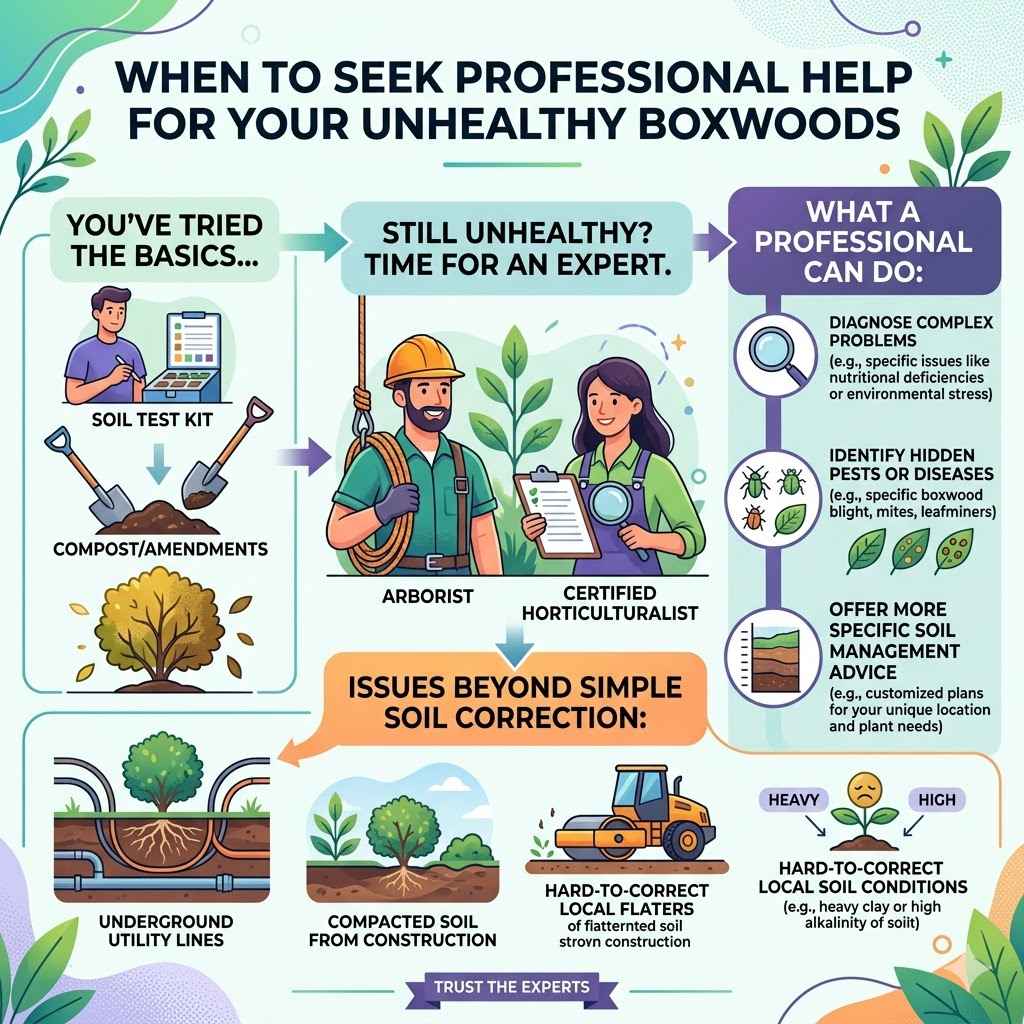
If you’ve tested your soil, amended it, and your boxwoods still look unhealthy, it might be time to call in a professional. A local arborist or a certified horticulturalist can offer expert advice. They can diagnose complex problems. They might be able to identify pests or diseases you missed. They can also offer more specific advice on soil management for your particular location.
Sometimes, the issue might be beyond simple soil correction. It could be related to underground utility lines, compacted soil from construction, or even specific local soil conditions that are hard to correct.
Frequently Asked Questions About Boxwood Soil
Are boxwoods acid-loving plants?
No, boxwoods are not strictly acid-loving plants. They prefer slightly acidic to neutral soil. The ideal pH range for most boxwoods is between 6.0 and 7.0.
Plants like blueberries or azaleas are true acid-lovers and require lower pH levels.
What is the ideal soil pH for boxwoods?
The ideal soil pH for boxwood plants is between 6.0 and 7.0. This range allows them to efficiently absorb the nutrients they need for healthy growth.
How can I tell if my soil pH is wrong for boxwoods?
Signs of incorrect soil pH for boxwoods include yellowing leaves (chlorosis), especially between the veins, stunted growth, and overall poor plant vigor. If your boxwood looks unhealthy, testing the soil pH is a good first step.
My soil is too alkaline. How can I lower the pH for my boxwoods?
To lower the pH of alkaline soil, you can add organic matter like peat moss or compost. Elemental sulfur can also be used to gradually decrease soil pH. Always follow product instructions carefully when adding amendments.
My soil is too acidic. How can I raise the pH for my boxwoods?
If your soil is too acidic, you can raise the pH by adding lime. Agricultural lime is a common choice for this. Mix it into the soil and allow time for it to work.
Re-test the soil after a few months.
Do boxwoods need good drainage?
Yes, excellent drainage is crucial for boxwoods. They cannot tolerate soggy soil, which can lead to root rot. Amending heavy clay soils with compost or planting in raised beds can improve drainage.
Conclusion
So, to answer the question: are boxwoods acid-loving plants? The short answer is no. They appreciate a balanced soil environment. Aim for that sweet spot between 6.0 and 7.0 pH. Understanding this simple fact can make a huge difference in how well your boxwoods grow. With a little testing and care, you can provide them with the perfect soil. This will help them stay healthy, green, and beautiful for years to come. Happy gardening!