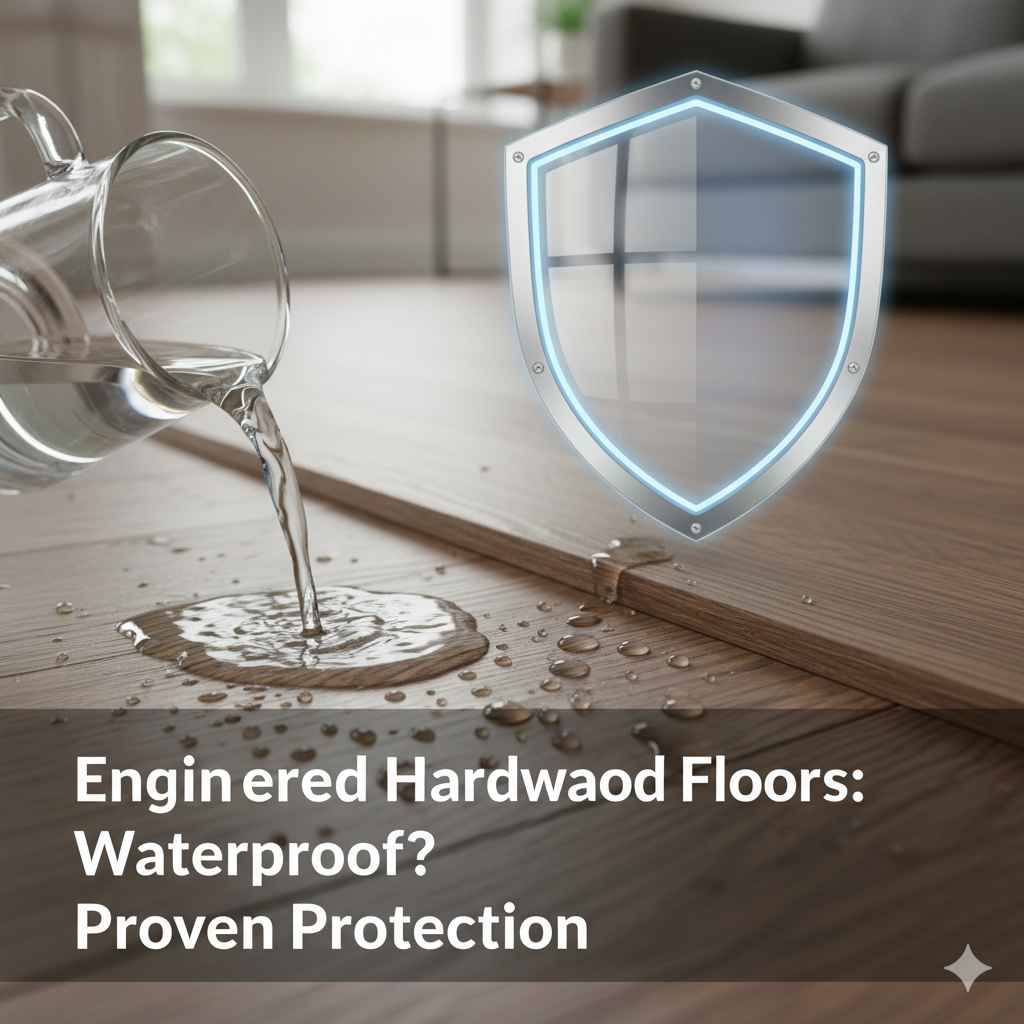
Are Engineered Hardwood Floors Waterproof? Proven Protection
No, engineered hardwood floors are not waterproof, but they are more water-resistant than solid hardwood. While they can handle minor spills if cleaned quickly, significant or prolonged water exposure can still cause damage. Understanding their limitations and implementing protective measures is key to keeping them beautiful for years.
Hey there, DIY friends and home improvers! Md Meraj here. Ever looked at those beautiful hardwood floors and wondered how they’d stand up to a spilled drink, a wet pet paw, or even a minor leak? It’s a super common question, especially when you’re dreaming of that classic wood look in areas that might see a little more moisture, like kitchens or entryways. Many folks get a bit confused about whether engineered hardwood is some kind of magical waterproof material. The simple truth is, it’s not entirely waterproof, but it often performs much better than you might think, and with a little know-how, you can protect it like a pro. We’re going to break down exactly what that means, why it matters, and how you can give your floors the best chance to last. Stick around, and we’ll uncover the secrets to proven protection!
Understanding Engineered Hardwood: What Makes It Different?
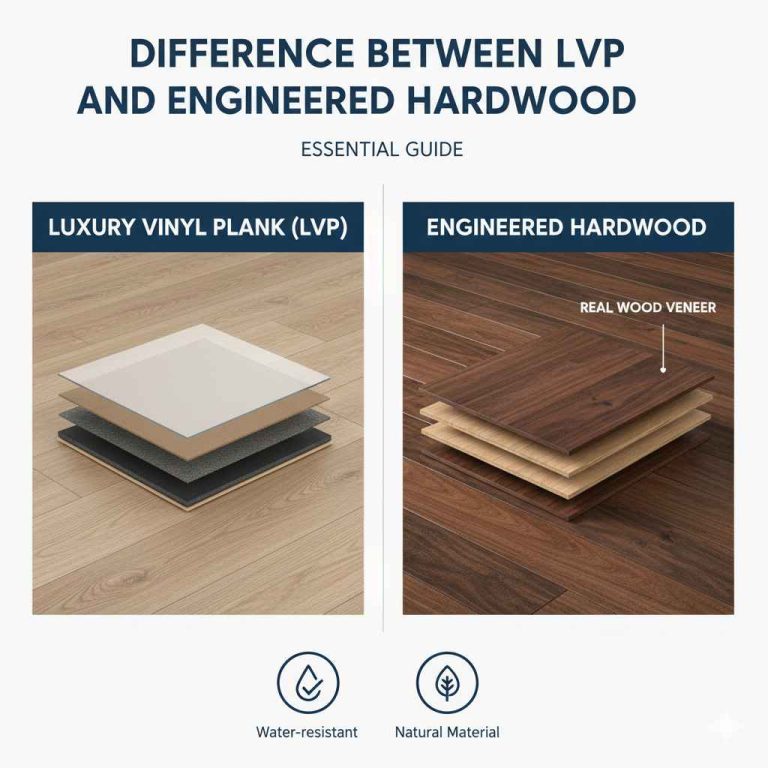
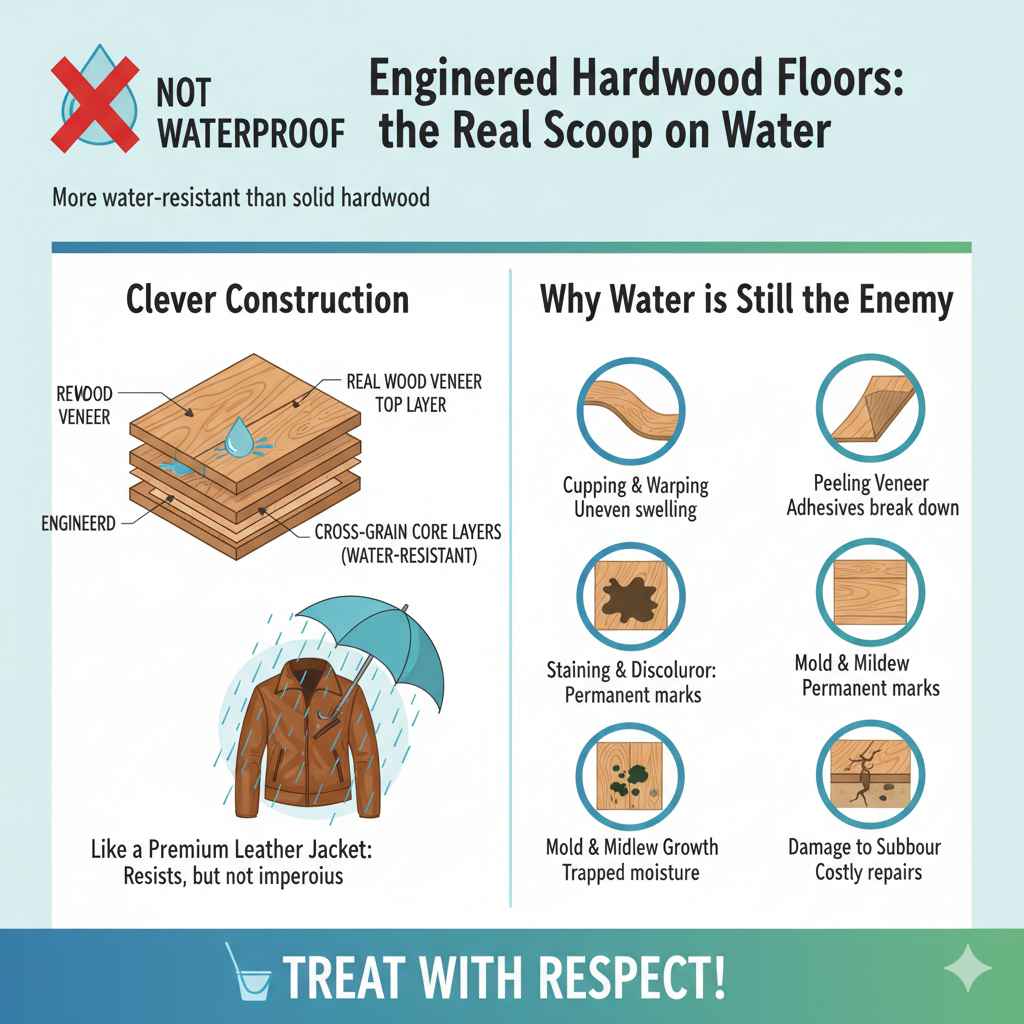
Before we dive into the nitty-gritty of water protection, let’s get a clear picture of what engineered hardwood flooring actually is. It’s not just a solid chunk of wood, and that’s a good thing! Engineered hardwood is constructed in layers, like a sophisticated sandwich. At the very top, you have a real wood veneer – this is the part that looks and feels like premium hardwood. Underneath that, you have multiple layers of plywood or high-density fiberboard (HDF) pressed together. These core layers run in different directions, which gives the flooring incredible stability.
This layered construction means engineered hardwood is much less prone to expanding and contracting with changes in humidity and temperature compared to solid hardwood. This stability is a big win for durability and installation, often allowing it to be installed in basements or even over concrete subfloors where solid hardwood might struggle. But, does this layered magic make it waterproof? Let’s get to the bottom of that!
Are Engineered Hardwood Floors Waterproof? The Real Scoop
Here’s the straight answer, plain and simple: engineered hardwood floors are NOT waterproof. Let’s say that again: not waterproof. This is a crucial point to remember. However, they are significantly more water-resistant than their solid hardwood counterparts. This difference comes down to that clever layered construction we just talked about.
The cross-grain layers in the core of engineered wood help to prevent the planks from swelling or warping as drastically when they come into contact with moisture. The real wood veneer on top offers a beautiful aesthetic, but it’s still wood, and wood, in any form, can be damaged by excessive water. Think of it like a premium leather jacket – it might be treated to resist water for a while, but if you’re out in a torrential downpour without an umbrella, it’s going to get soaked and potentially damaged.
Why Water is Still the Enemy
Even though engineered hardwood is more resilient, prolonged exposure to water can still lead to several problems:
- Cupping and Warping: If water seeps into the core layers or gets trapped underneath, it can cause the wood to swell unevenly, leading to the edges of the planks lifting (cupping) or the entire plank to bend (warping).
- Peeling Veneer: Excessive moisture can break down the adhesives holding the top veneer layer to the core, causing it to peel away from the base.
- Staining and Discoloration: Spills, especially colored liquids like wine or juice, can soak into the wood. Even after cleaning, they might leave permanent stains or dark spots. Water, over time, can also lighten or darken the wood’s natural color.
- Mold and Mildew Growth: Trapped moisture is a breeding ground for mold and mildew, which can affect the flooring’s integrity and, more importantly, your home’s air quality.
- Damage to the Subfloor: If water seeps through your engineered hardwood, it can damage the subfloor beneath, leading to more extensive and costly repairs.
So, while you can breathe a little easier knowing it’s not as delicate as solid hardwood, treating it with respect when it comes to moisture is still essential. It’s all about understanding the risks and taking the right precautions.
Engineered vs. Solid Hardwood: A Water Resistance Comparison
It’s helpful to see exactly how engineered hardwood stacks up against its solid cousin when water is the topic of discussion. This comparison really highlights why engineered wood is often chosen for more challenging areas of the home.
| Feature | Engineered Hardwood | Solid Hardwood |
|---|---|---|
| Construction | Real wood veneer top layer; multiple cross-layered plywood/HDF core layers. | A single, solid piece of hardwood. |
| Moisture Sensitivity | Moderate. More resistant to expansion/contraction due to humidity. Can tolerate minor spills if cleaned promptly. | High. Very sensitive to changes in humidity and prone to expanding/contracting, swelling, and warping with moisture. |
| Warping Risk from Spills | Lower, but still possible with prolonged exposure. | High. Can warp quickly from spills if not dried immediately. |
| Subfloor Flexibility | Can often be installed over concrete and in basements due to its stability. | Typically requires a wooden subfloor and shouldn’t be installed in damp environments like basements. |
| Durability in High-Moisture Areas (e.g., Kitchens) | Better choice than solid hardwood, but still requires careful maintenance. | Generally not recommended, especially near sinks or dishwashers. |
The Key Takeaway
The layered core of engineered hardwood acts as a buffer against moisture-induced movement. While solid hardwood expands and contracts across its entire width with humidity changes, engineered wood’s core resists this movement much better. This stability is its superpower when dealing with day-to-day variations in moisture. However, neither is designed to withstand submersion or significant water intrusion.
Waterproofing vs. Water-Resistant: Knowing the Difference
It’s easy to get these terms mixed up, but they mean very different things when it comes to your floors. Understanding this distinction is key to managing expectations and protecting your investment.
- Waterproof: A truly waterproof material is completely impervious to water. It will not absorb water, swell, warp, or be damaged by it, no matter how long it’s exposed. Think of materials like certain plastics or heavy-duty vinyl.
- Water-Resistant: A water-resistant material can repel water to a certain degree and can withstand exposure for a limited time without immediate damage. It might shed light moisture or resist stains better, but prolonged or heavy exposure will eventually compromise its integrity.
Engineered hardwood falls firmly into the water-resistant category, not waterproof. This means immediate cleanup is your best friend! For a detailed look at material properties and testing standards, you can refer to resources like the Forest Products Laboratory, which provides extensive research on wood and wood products.
Proven Protection Strategies for Your Engineered Hardwood Floors
Now that we know engineered hardwood isn’t waterproof, how do we keep it looking its best and protect it from potential water damage? It’s all about preventative measures and quick action. Here are some tried-and-true strategies:
1. Embrace the Mat Strategy
This is your first line of defense. Place high-quality mats at all exterior doorways, both inside and out. These mats trap dirt, moisture, and grit, preventing it from being tracked onto your beautiful floors. Think of them as tiny guardians for your wood.
In high-traffic areas, especially the kitchen and dining areas, consider using area rugs. These can catch drips from cooking or spilled drinks, giving you an extra moment to wipe them up before they reach the wood.
2. The Mighty Mop: Quick Cleanup is Key
This is the golden rule: Wipe up spills IMMEDIATELY. Don’t let water sit on the surface for even a few minutes. Keep a microfiber cloth or a dry mop handy for quick cleanups. For slightly larger spills, use a damp (not wet!) mop. The key is to use as little water as possible and ensure the floor dries quickly.
When mopping your engineered hardwood, never use a soaking wet mop. Always wring it out thoroughly until it’s just barely damp. You want to clean the floor, not flood it!
3. Choose the Right Cleaning Products
Harsh chemicals and excessive water-based cleaners can damage the finish and even the wood itself over time. Stick to cleaning products specifically designed for engineered hardwood floors. These cleaners are formulated to be pH-neutral and are generally low in moisture. Always follow the manufacturer’s instructions carefully.
A good quality, pH-neutral wood floor cleaner is your best bet. Always test any new cleaner in an inconspicuous spot first.
4. Be Mindful of Humidity Levels
While engineered hardwood is more stable than solid wood, drastic fluctuations in humidity can still affect it. Maintaining a consistent indoor humidity level is beneficial for all wood products. Using a humidifier in dry seasons and a dehumidifier in damp seasons can help keep your floors stable.
The ideal humidity range for most hardwood floors is typically between 35% and 55%. You can use a hygrometer to measure humidity levels in your home. Organizations like The National Association of Home Builders (NAHB) often have great resources on home building and maintenance, including climate control advice.
5. Protect Against Pet Puddles
If you have pets, be extra vigilant. Accidents happen! Clean up pet messes on your engineered hardwood floors immediately. Overnight or even a few hours of a pet’s urine sitting on the floor can cause staining and damage the finish. If you notice any lingering odor, use an enzymatic cleaner designed for pet stains, but test it in a hidden area first.
6. Consider Professional Sealing or Refinishing (with Caution)
While many engineered hardwood floors come with a strong factory finish, some manufacturers allow for refinishing. If your floor is looking a bit worn, you might consider having it professionally refinished. However, it’s crucial to know that engineered hardwood has a very thin top veneer layer. Aggressive sanding during refinishing can be risky and remove this layer entirely. Always consult with a professional who specializes in engineered wood flooring before undertaking any refinishing project.
Some people opt for an extra layer of sealant applied by a professional. This can add a bit more protection, but it’s essential to ensure the sealant is compatible with your specific engineered hardwood product and won’t void any warranties.
7. Installation Matters: Proper Acclimation and Underlayment
Even before you start living with your floors, proper installation plays a huge role in their longevity. Ensure the flooring is properly acclimated to your home’s environment before installation. Also, choose the right underlayment. Some underlayments offer an additional moisture barrier, which can be beneficial, especially for installations in basements or over concrete.
Always follow the manufacturer’s installation guidelines precisely. They’ve designed their product and know its limitations best.
Can Engineered Hardwood Be Used in Bathrooms or Laundry Rooms?
This is where the “not waterproof” rule really comes into play. Generally, it’s best to avoid installing engineered hardwood in full bathrooms where there is significant direct water exposure, like around showers, tubs, or toilets. The risk of leaks, splashes, and prolonged dampness is too high, even for water-resistant flooring.
For laundry rooms or powder rooms (half-bathrooms without showers/tubs), it can be a more nuanced decision. If you opt for engineered hardwood, you MUST take extreme precautions:
- Use a high-quality, waterproof underlayment.
- Ensure the flooring is installed with a proper moisture barrier.
- Be scrupulous about wiping up any drips or spills from the washing machine, sink, or toilet immediately.
- Consider leaving a slightly larger expansion gap around the perimeter to prevent buckling if minor moisture issues arise.
- Wipe down the floor with a barely damp mop after each use, especially in areas prone to splashes.
However, for maximum peace of mind in these high-moisture areas, materials specifically designed for wet environments, like luxury vinyl plank (LVP) or tile, are almost always a safer and more practical choice. They offer the look you might want with genuine waterproofing.
What to Do in Case of a Flood or Major Water Incident
If your engineered hardwood floors experience significant water exposure – think a burst pipe, a severe leak, or a flood – it’s a serious situation. Here’s what you should do:
- Safety First: Turn off the water source if possible and ensure the area is safe to enter.
- Remove Standing Water: Use fans, wet vacuums, and towels to remove as much standing water as quickly as possible.
- Dry the Area Thoroughly: Open windows and use dehumidifiers and fans to promote airflow and drying. The goal is to dry the floor and subfloor completely.
- Assess the Damage: Once dry, carefully inspect the flooring for signs of warping, cupping, staining, or delamination.
- Consult a Professional: For anything more than a minor spill, it is highly recommended to contact a professional flooring restoration specialist. They have the tools and expertise to assess the damage properly and determine if the floors can be saved or if replacement is necessary.
Remember, the longer moisture sits, the deeper it penetrates, and the more likely it is to cause irreparable damage. Acting fast is critical.
The Final Verdict: Engineered Hardwood and Water
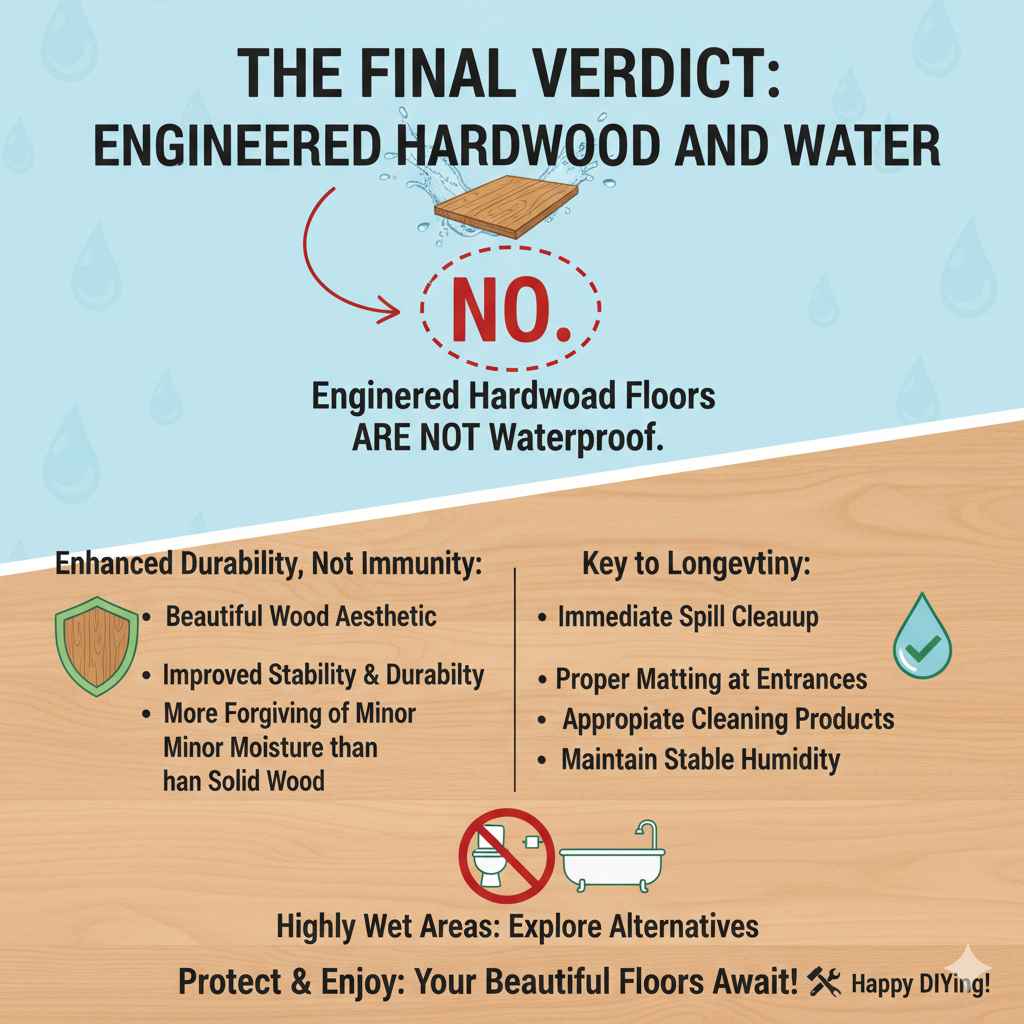
So, to circle back to our main question: are engineered hardwood floors waterproof? The answer remains a clear no. They are, however, a fantastic flooring option that offers a beautiful wood aesthetic with enhanced durability and stability, making them more forgiving of minor moisture incidents than solid hardwood.
The key to enjoying your engineered hardwood floors for years to come, especially in areas where spills are more likely, is to understand their limitations and implement smart protective measures. Immediate cleanup of spills, proper matting at entrances, using appropriate cleaning products, and maintaining stable humidity levels are your best tools. For highly wet areas like full bathrooms, explore more waterproof alternatives.
By treating your engineered hardwood floors with the care they deserve and following these proven protection strategies, you can confidently enjoy their beauty and warmth throughout your home. Happy DIYing, and remember to always work safely!
Frequently Asked Questions (FAQ)
We’ve gathered some of your most common questions about engineered hardwood and water. Here are some quick, easy-to-understand answers!
Q1: Can I mop my engineered hardwood floors with water?
A: Yes, but only with a damp mop. Always wring out your mop thoroughly until it’s just barely moist. Never use a soaking wet mop, as excess water can seep into the seams and damage the flooring.
Q2: What happens if I spill water on engineered hardwood?
A: If you wipe it up immediately (within minutes), it’s usually not a problem. However, if water sits for a prolonged period, it can cause staining, warping, or damage to the wood veneer and core layers.
Q3: Is engineered hardwood suitable for a kitchen?
A: It can be, but it’s not ideal for areas with high risk of major spills (like right in front of the sink or dishwasher). While more water-resistant than solid hardwood, constant exposure to spills or leaks can still cause damage. Vigilant cleanup is essential.
Q4: Can I install engineered hardwood in my basement?
A: Often, yes! Engineered hardwood’s stability makes it a good candidate for basement installations, even over concrete subfloors, when installed with a proper moisture barrier and underlayment. However, it’s still not “waterproof,” so basements prone to flooding are still a risk.
Q5: Will spilled wine stain engineered hardwood?
A: Possibly. While the top finish offers some protection, dark liquids like red wine can penetrate the veneer if not cleaned up very quickly, potentially leaving a stain. Prompt cleanup is crucial.
Q6: How can I protect my engineered hardwood from my dog’s water bowl?
A: Place a waterproof mat or a durable rug underneath your dog’s water bowl. Also, keep a towel handy to wipe up any drips or spills immediately after your pet drinks.