Box Elder Maple: Properties and Best Uses in Woodworking
Choose box elder maple for decorative, low-wear work, such as feature panels, turning blanks, boxes, and accent parts, when color and figure matter more than dent resistance. Avoid it for floors, heavy-use tops, and exterior exposure. Used poorly, it bruises at the edges, blotches under stain, and wears out early. This guide covers its properties, working traits, and the project types that suit its look.
What box elder maple


Box elder is Acer negundo, a maple species in the maple genus, and it is native across much of North America. It is also called Manitoba maple and ash-leaved maple. In lumber terms, it is a specialty wood, not a standard yard-stock maple like hard maple.
How to identify it
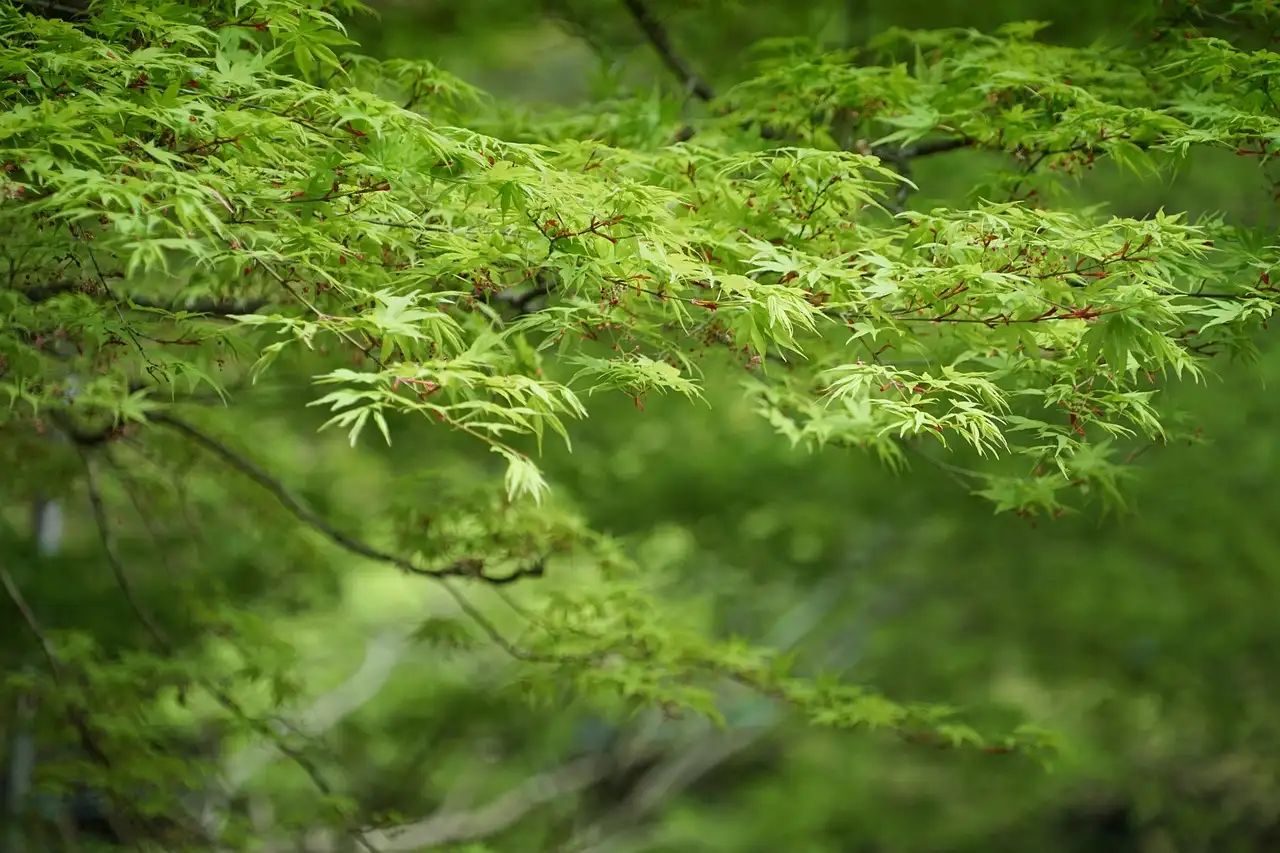
The tree is usually identified by opposite branching, pinnately compound leaves, paired samaras, and three to seven leaflets. Those traits separate it from many other common hardwoods. The wood itself is usually pale, but the striking red-streaked boards are what draw attention in the shop.
Where it grows
Box elder grows widely in North America, especially along streams, disturbed ground, fence lines, and other open sites. That broad range matters for woodworkers because local salvage logs and specialty suppliers are often the most realistic sources. It is seldom seen as ordinary dimension lumber.
How hard and heavy is box elder?
Box elder is a relatively soft maple. Its Janka hardness is 720 lbf, which puts it far below hard maple and closer to the softer side of common hardwoods. It is light enough to handle easily, but that same lightness means dents, bruises, and edge damage appear sooner in use. (Wood-database)
Janka hardness in context
At 720 lbf, box elder is serviceable for decorative parts, but it is not a wear wood. Red maple and silver maple are both harder than box elder in typical listings, while hard maple is much harder and better for parts that will be scraped, slid across, or struck repeatedly. If you need a wood that holds up to abuse, box elder is the wrong maple.
Average dried weight
Average dried weight is 30.2 lbs/ft3, which fits lightweight hardwood behavior. That helps with handling, especially on turning blanks and larger boards that need to be moved often. It also points to lower dent resistance, so a light board can be easy to carry and still be a poor choice for a work surface.
Shrinkage and movement
Box elder has radial shrinkage of 3.9%, tangential shrinkage of 7.4%, and volumetric shrinkage reported at about 11% to 15%, depending on the reference source. Those numbers suggest moderate movement, with more change across the grain than along it. Joint design, drying, and storage matter.
For practical work, that means you should dry stock fully before milling final thickness. If you rush it, thin parts can cup, end joints can open, and finished panels can telegraph movement under a film finish.
Why box elder shows red streaks
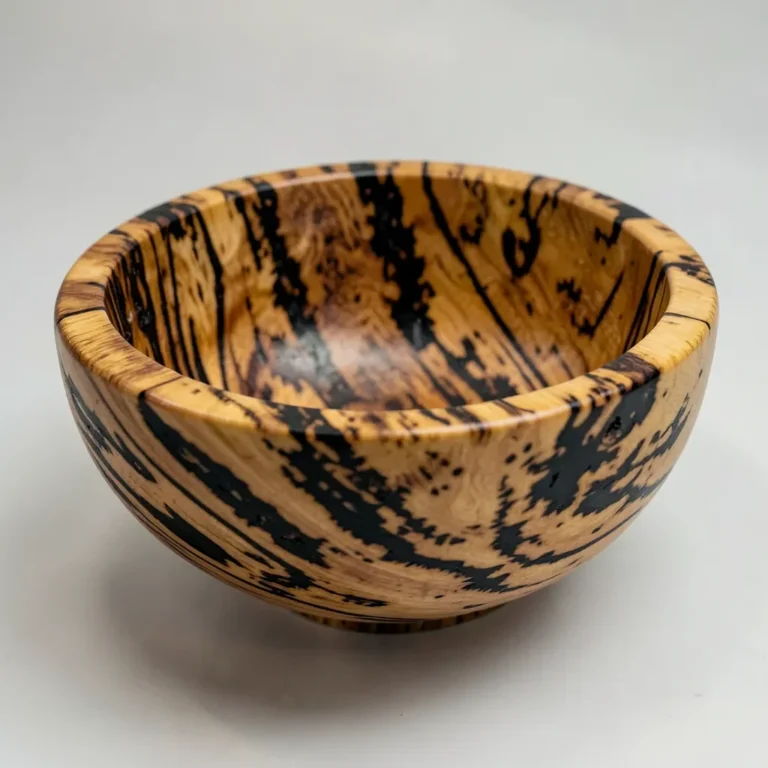
Box elder often has pale white sapwood with a yellow or green hue, and its heartwood is grayish or yellowish brown with red or pink streaks. The streaking is variable, so a board with dramatic color can sit next to a plain one from the same log. That is why selection matters more here than in plain utility maple.
What the streaks mean in the shop
The red or pink streaks are the reason many woodworkers buy box elder in the first place. They can create strong visual contrast in small boxes, turning squares, and decorative panels. But they are not guaranteed, and some boards are mostly plain pale wood with little payoff.
How to sort salvage stock
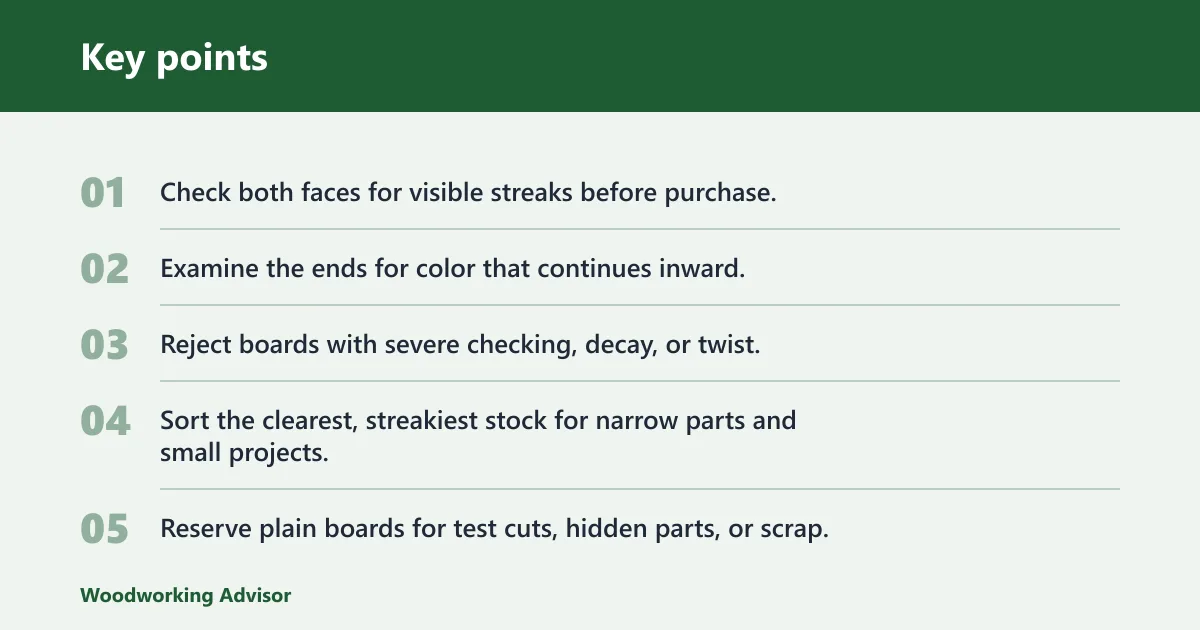
A good salvage board often shows streaking through the full thickness, not just on one face. Look at the end grain, edges, and any fresh saw cuts before you commit. If the streaks are only surface-deep, the visual yield may disappear after planing.
- Check both faces for visible streaks before purchase.
- Examine the ends for color that continues inward.
- Reject boards with severe checking, decay, or twist.
- Sort the clearest, streakiest stock for narrow parts and small projects.
- Reserve plain boards for test cuts, hidden parts, or scrap.
Say your project needs four 3-inch-wide drawer fronts from a single 6-foot board. A streaked board with color only on one face can look great during rough milling, then turn ordinary after surfacing. A board with color running through the core keeps its visual value after planing.
Box elder suitability matrix
This matrix scores box elder for common woodworking uses. The goal is simple: decide where its look outweighs its softness and where it creates avoidable failure risks. Scores use 1 to 5, with 5 being best for the criterion.
| Use | Dent resistance | Movement | Glueability | Finish behavior | Decay resistance | Overall fit |
|---|---|---|---|---|---|---|
| Turning | 2 | 3 | 4 | 4 | 1 | Good |
| Bowls | 2 | 3 | 4 | 4 | 1 | Good for decorative use |
| Small boxes | 3 | 3 | 4 | 4 | 1 | Very good |
| Trim | 2 | 3 | 4 | 3 | 1 | Fair indoors only |
| Tabletops | 1 | 3 | 4 | 3 | 1 | Poor for heavy use |
| Cabinet doors | 3 | 3 | 4 | 4 | 1 | Good if protected |
| Drawer fronts | 3 | 3 | 4 | 4 | 1 | Good |
| Shelving | 2 | 3 | 4 | 3 | 1 | Limited to light loads |
| Outdoor projects | 2 | 3 | 4 | 3 | 1 | Poor choice |
| Cutting boards | 1 | 3 | 4 | 3 | 1 | Not recommended |
| Decorative panels | 3 | 3 | 4 | 5 | 1 | Excellent |
| Structural parts | 1 | 2 | 3 | 2 | 1 | Poor |
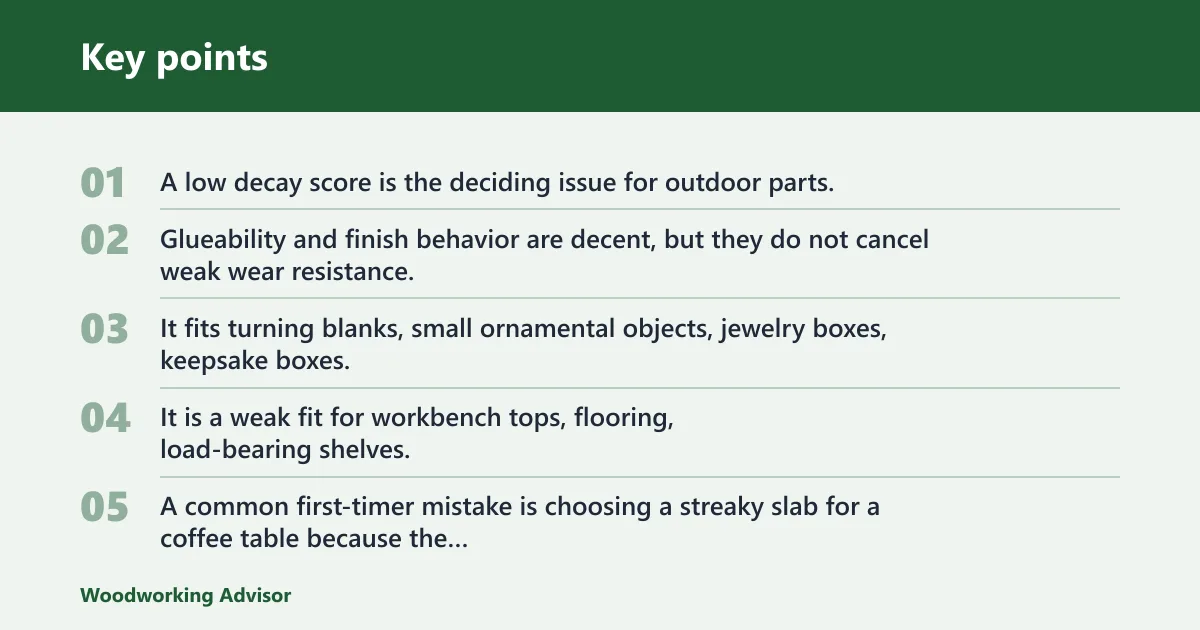
Use the table as a red flag detector. A low decay score is the deciding issue for outdoor parts, and a low dent score is the deciding issue for tops, edges, and structural components that see impact. Glueability and finish behavior are decent, but they do not cancel weak wear resistance.
Best and worst project choices
Box elder is strongest as a visual wood. It fits turning blanks, small ornamental objects, jewelry boxes, keepsake boxes, picture frames, and accent panels. It is a weak fit for workbench tops, flooring, load-bearing shelves, and anything that must survive routine abrasion.
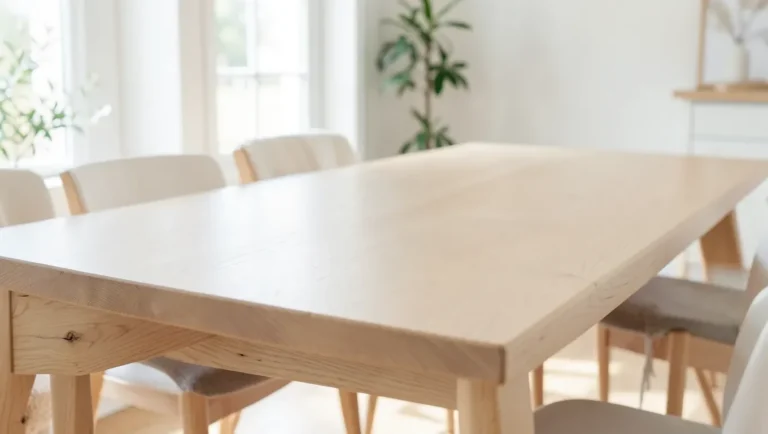
A common first-timer mistake is choosing a streaky slab for a coffee table because the color looks exceptional at the lumber rack. The finish can still look fine, but the first hard contact from a belt buckle, mug, or vacuum wand leaves a dent that hard maple would resist far better.
Is box elder good for furniture?
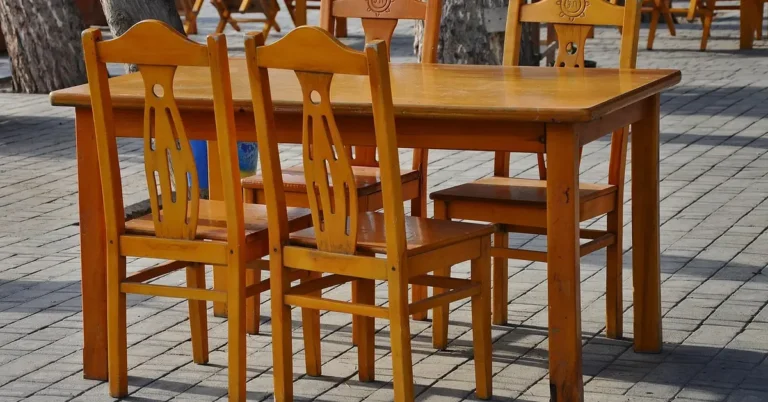
Box elder is good for furniture only when the furniture is low-wear and indoors. It works for cabinet doors, drawer fronts, inset panels, decorative aprons, and light-duty casework where appearance matters more than hardness. It is a poor match for tabletops, chair parts, and high-contact edges.
Where it fails in furniture work
Denting is the main failure mode. The second is movement, especially in wide panels or thin parts that are not well balanced in moisture content. Finish blotching can also appear if the surface is not prepared carefully, which matters more on pale wood than on darker species.
When another maple is better
Choose hard maple when the part must take wear, resist bruising, or stay crisp under frequent cleaning. Choose red maple when you want a closer maple look with better general furniture usefulness than box elder. Choose box elder when the streaking is the point and the part is not expected to take abuse.
Workability, odor, and safety
Box elder is easy to work with hand and machine tools. It turns well, glues well, and finishes well, which helps on small parts and decorative work. The problems are not cutting resistance or glue failure; they are softness, poor durability, and the need to handle it with care in the shop.
Machining and finishing behavior
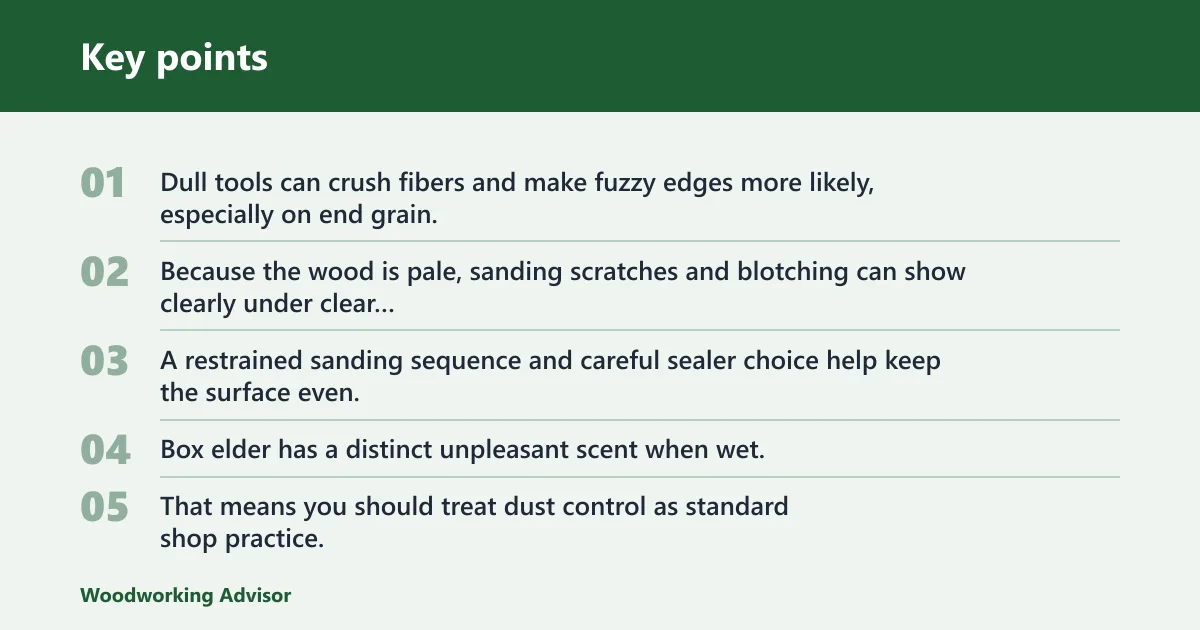
Sharp cutters leave a clean surface. Dull tools can crush fibers and make fuzzy edges more likely, especially on end grain. Because the wood is pale, sanding scratches and blotching can show clearly under clear finishes. A restrained sanding sequence and careful sealer choice help keep the surface even.
Odor and irritation concerns
Box elder has a distinct unpleasant scent when wet, and some people report skin irritation, runny nose, or asthma-like effects. That means you should treat dust control as standard shop practice, not as an afterthought. Good collection at the source and a fitted dust mask reduce exposure risk.
Suppose a 10-inch-wide panel starts smelling stronger after planing and sanding. That is a sign to improve ventilation and dust capture, not to keep pushing through the stock list. If a worker notices irritation, stop, clean up, and switch tasks until the air is clear.
Buying and moisture-content guidance
Because box elder is seldom used or available in lumber form, buyers often see it as blanks, slabs, or specialty stock rather than uniform boards. Check moisture content before milling, especially on salvaged material. If the stock is too wet, the streaking may be attractive now and disappointing later when the board moves or checks.
For best results, buy straighter stock than you think you need, then cut around defects and plain zones. That gives you more control over where the streaks land in the finished piece. It also lowers the risk of using a board whose best color disappears during surfacing.
Frequently asked questions
What is box elder wood good for?
Box elder wood is good for decorative, low-wear work. The best uses are turned objects, small boxes, ornamental parts, decorative furniture details, and indoor accent pieces. Its streaking can look excellent in smaller projects, but its softness and poor decay resistance make it a weak choice for surfaces that get hard use.
Is box elder hardwood or softwood?
Box elder is a hardwood because it comes from a broadleaf tree, not because it is hard in the everyday sense. It is much softer than hard maple. That distinction matters in the shop: the wood may machine like a hardwood, but it dents and bruises more easily than hard-use maple species.
How hard is box elder wood?
Box elder has a Janka hardness of 720 lbf. That places it in the softer range for hardwoods and below the resistance you want for cutting surfaces, tabletops, chair parts, and flooring. It is adequate for decorative pieces, but it will show impact marks sooner than harder maples.
Does box elder wood dent easily?
Yes. Box elder dents more easily than hard maple and many common furniture woods. The low dent resistance is the main reason it is better suited to accent parts, boxes, and turning than to heavy-use tops or edges. Expect bruising if the part sees dropped tools, daily handling, or abrasion.
Is box elder good for turning projects?
Yes, box elder is a good turning wood when the blank has sound grain and useful color. It turns cleanly, and the streaks can make bowls, hollow forms, and small turned vessels look far more interesting than plain pale maple. Keep wall thickness reasonable, because thin sections can feel fragile.
Is box elder decay resistant?
No. Box elder has poor rot resistance and is rated non-durable to perishable. That makes it a poor choice for outdoor furniture, wet environments, planters, and any part that may stay damp. Even protected exterior use is risky unless the piece is sealed well and maintained often.
Sponsored / affiliate links. As an Amazon Associate I earn from qualifying purchases. I may earn additional commission from eligible campaigns.