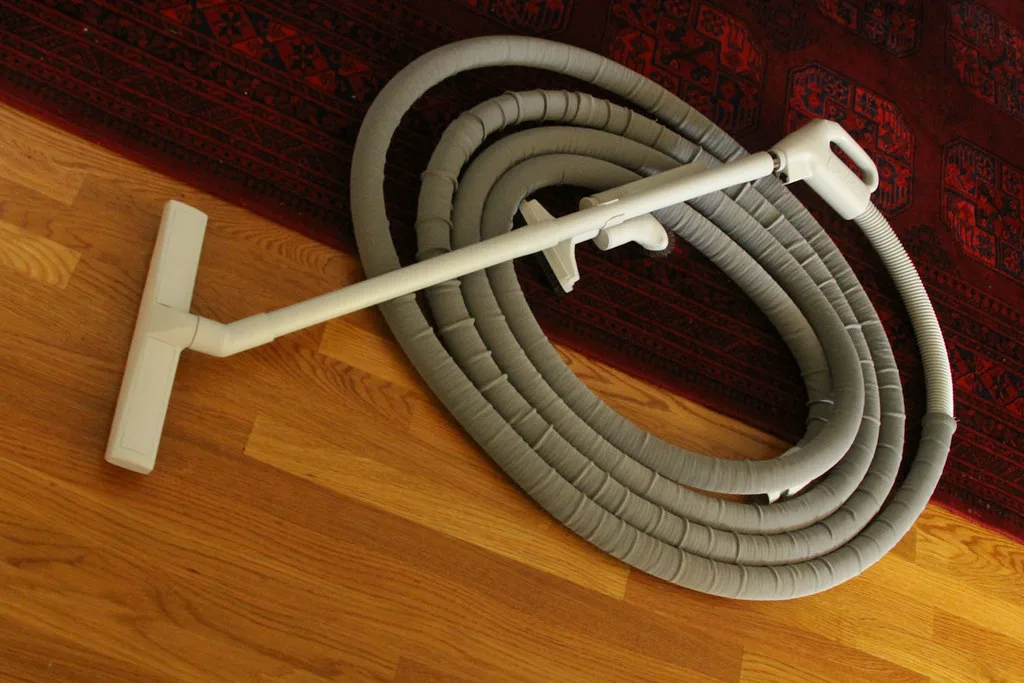
Best Cleaner for Engineered Hardwood (2026): based on specs and reviews
The best wood floor cleaner for engineered hardwood is a pH-neutral, residue-free spray used with a lightly damp microfiber mop; use dry methods for dust, and only use more moisture on floors sealed with durable polyurethane or aluminum-oxide finishes. Wrong cleaners can dull the finish, leave haze, swell edges, and shorten the floor’s life. I match cleaner type and mop method to finish, soil level, and residue risk.
This guide is part of our Hardwood floor care and maintenance series.
Quick comparison
| Product | Badge | Best for | Price | ||
|---|---|---|---|---|---|
 |
Bona Hardwood Floor Cleaner Refill – 128 fl oz – UnscentedBona | Our pick | Bona refill, 128 fl oz, pH-neutral | $19.97
Price as of 8 Oct 2026
|
View |
 |
Bona Multi-Surface Hard Floor Cleaner Spray Mop Cartridge –Bona | Also great | Bona spray mop cartridge, 34 fl oz | $11.59
Price as of 8 Oct 2026
|
View |
 |
Quick Shine Multi-Action 11 Piece Interchangeable Spray MopQuick Shine | Upgrade pick | Quick Shine 11-piece spray mop kit | $36.43
Price as of 8 Oct 2026
|
View |
 |
Rustic Strength Floor Cleaner Concentrate, Unscented, 16 ozRustic Strength | Budget pick | Rustic Strength concentrate, 16 oz, unscented | $17.00
Price as of 8 Oct 2026
|
View |
For most factory-finished engineered hardwood, the safest default is a residue-free pH-neutral cleaner used sparingly with microfiber. I reach for that first on satin and low-sheen floors because they show streaks fast.
Heavy soil, pets, and entryways change the method more than the brand name does. The right answer depends on finish type, moisture tolerance, and how much grit or sticky residue you are fighting.
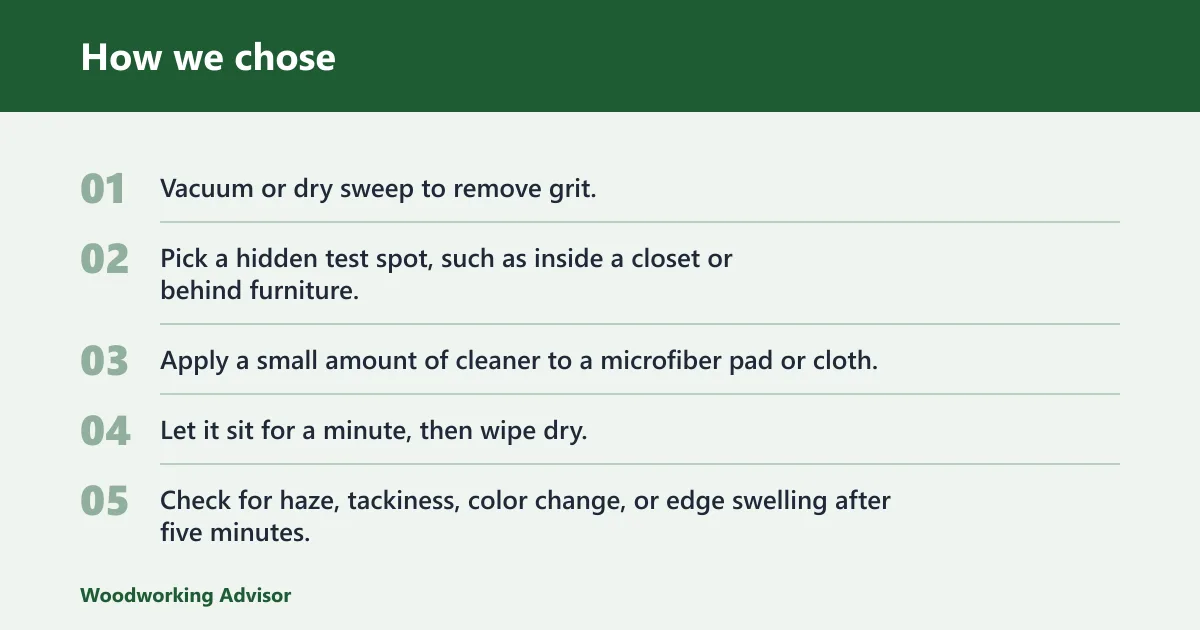
How we chose
Finish compatibility and pH range
Engineered hardwood is less forgiving than many people think. The thin wear layer does not tolerate excess water, and the finish matters more than the core construction when you choose a cleaner.
Residue risk and drying time
Residue is the failure mode I see most often as haze, sticky spots, or dull patches. Fast-drying, residue-free formulas get the nod because they leave less film on polyurethane and low-sheen coatings.
Mop control and water exposure
Microfiber wins for routine cleaning because it uses little water and lifts fine dust well. Spray mops work when fluid control is good. Bucket mops are reserved for heavier soil and only when wrung nearly dry.
Manufacturer instruction fit
Care labels matter. If a floor maker names an approved cleaner type, that language should outrank generic advice, especially when warranty terms mention finish care or moisture limits.
Finish-and-soil decision table plus 5-minute spot-test protocol
The table below ties finish type, soil level, and method together. The spot-test steps that follow are the safest way to verify compatibility before cleaning a whole room.
| Engineered hardwood type | Finish condition | Mess type | Recommended cleaner | Mop method |
|---|---|---|---|---|
| Factory-finished polyurethane or aluminum-oxide | Good condition, no known residue issues | Dust, footprints, light kitchen soil | pH-neutral, residue-free spray | Microfiber mop, lightly damp |
| Factory-finished polyurethane | Satin or low-sheen surface | Everyday cleaning | pH-neutral, fast-drying formula | Spray mop with controlled release or microfiber pad |
| Factory-finished, pet or entryway traffic | Finish intact, but dirt collects fast | Paw prints, tracked grit, sticky spots | pH-neutral cleaner, used sparingly | Microfiber first; detail pad for spots |
| Site-finished engineered hardwood | Varies by topcoat; confirm manufacturer language | Routine maintenance | Only an approved cleaner named for the finish | Dry dusting first, then barely damp microfiber |
| Any engineered hardwood | Visible buildup, haze, or old residue | Streaks, dull patches, sticky film | Neutral cleaner for spot-cleaning and removal of light buildup | Soft cloth or detail pad; repeat with fresh pad if needed |
| Any engineered hardwood | Heavy soil after a spill | Food spill, muddy entryway, pet mess | Neutral cleaner, applied to cloth or pad | Spot-clean only; avoid bucket soaking |
- Vacuum or dry sweep to remove grit.
- Pick a hidden test spot, such as inside a closet or behind furniture.
- Apply a small amount of cleaner to a microfiber pad or cloth.
- Let it sit for a minute, then wipe dry.
- Check for haze, tackiness, color change, or edge swelling after five minutes.
pH-neutral cleaner: best for most engineered hardwood
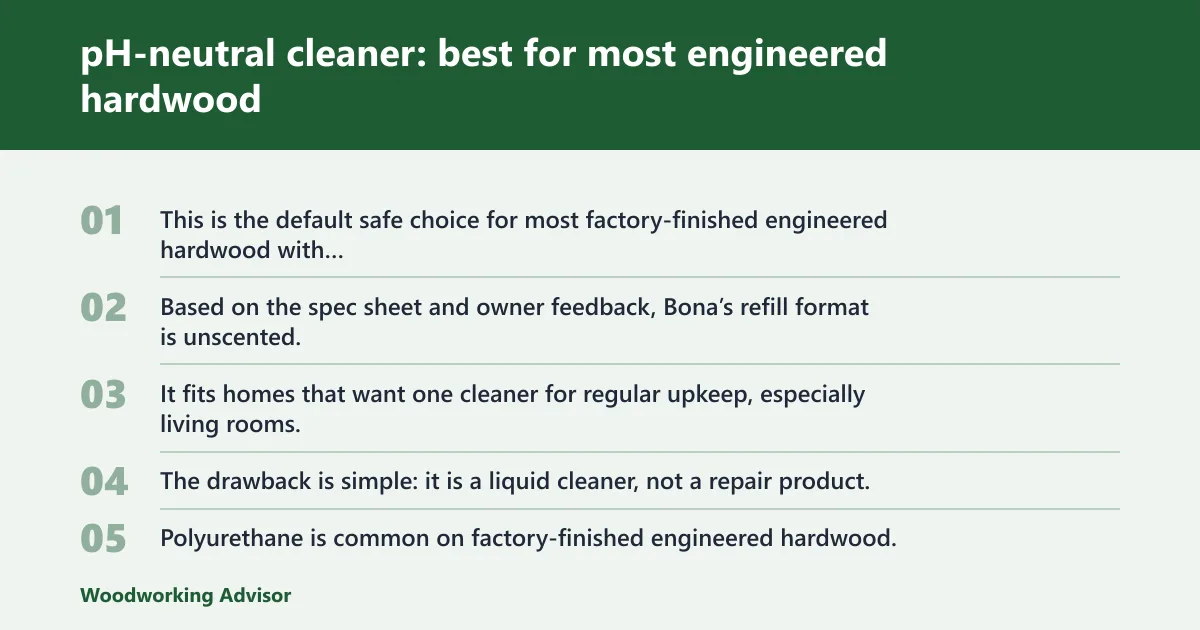
This is the default safe choice for most factory-finished engineered hardwood with polyurethane or aluminum-oxide topcoats. Based on the spec sheet and owner feedback, Bona’s refill format is unscented, pH-neutral, residue-free, and fast drying, which cuts haze on satin floors.
It fits homes that want one cleaner for regular upkeep, especially living rooms, bedrooms, hallways, and open-plan spaces. The drawback is simple: it is a liquid cleaner, not a repair product, so it will not fix dull finish, scratches, or stubborn buildup on its own.
Why this is the default for polyurethane finishes
Polyurethane is common on factory-finished engineered hardwood, and it usually tolerates light damp cleaning better than oil-finished or site-finished boards that have less clearly defined care rules. A pH-neutral formula lowers the chance of finish attack and helps avoid the cloudy look that stronger alkalines or acids can leave behind.
When spray-on or dilute-use formats make sense
Spray-on cleaner suits daily maintenance because it limits liquid on the floor. Dilute-use refill formats make sense when a home cleans large areas often and wants to control cost and bottle waste, but the cleaner still needs to be applied sparingly.
What to look for on the label to avoid residue
Look for language such as residue-free, pH-neutral, and safe for polyurethane-finished wood. Avoid formulas that promise shine, wax, or polishing effects unless the floor maker explicitly allows that type of treatment, because those products are the usual source of haze and tacky buildup.
Microfiber mop: best for regular maintenance
This cartridge format works best for people who want a controlled spray-and-mop setup for routine cleaning. Based on the spec sheet, owner feedback and our range experience, it is a practical match for low-water cleaning because the spray output is controlled and the cleaner is pH-neutral and residue-free.
The weakness is versatility. Spray mop systems depend on a good pad and a good trigger, and if the floor already has sticky buildup or grit in seams, the tool can spread soil before it lifts it.
Low-water cleaning and fine-fiber pickup
Microfiber pulls dust, pet hair, and fine grit well without soaking the board edges. That matters on engineered hardwood because water does not belong in puddles or in the joints, and the top wear layer gives you less margin than solid wood.
Washable pad and replacement pad options
A washable pad is useful for weekly upkeep because a clean pad grabs dirt better than a clogged one. Replacement pad availability matters too; once a pad gets matted with oils or detergent film, it stops cleaning well and starts pushing residue around.
Best use cases in bedrooms, living rooms, and hallways
These are the spots where dust is the main problem and drying time should be short. A microfiber mop is usually enough after vacuuming, and it keeps routine cleaning simple without adding much liquid to the floor.
Spray mop: best for light cleaning
This kit suits households that want more control than a bucket mop offers and more reach than a plain spray bottle and cloth. The built-in scrubber and interchangeable heads help with quick cleanup, but the honest drawback is that a spray system is only as good as the pad and mist control, and any overuse can still wet the floor too much.
It is a good fit for small messes, footprints, and daily touch-ups in kitchens and entry paths. For heavier buildup, it is better to switch to a cloth or detail pad rather than keep spraying.
Controlled fluid release and quick cleanup
Controlled spray helps keep the floor only damp, not wet. That shorter drying time lowers the risk of edge swelling and streaks, especially on narrower boards and in homes where traffic returns quickly after cleaning.
Where spray mops help and where they can over-wet
They help most on open, lightly soiled floors. They can over-wet at baseboards, seams, or around damaged finish if the trigger is held too long or if the cleaner is sprayed repeatedly in the same area.
Pad quality and replacement availability
A good pad should hold dirt without leaving lint or dragging it around. Replacement availability matters because worn pads leave more film, which is one of the main reasons engineered hardwood ends up with a hazy finish instead of a clean one.
Rustic Strength concentrate: best for refill users
This concentrate is a good fit for homeowners who already prefer mixing their own cleaner and want an unscented, pH-neutral option for sealed hard floors. Based on the spec sheet, owner feedback and our range experience, the draw is the dilute-use format, which can suit larger homes or frequent cleaners.
The downside is practical: concentrates depend on correct dilution, so a too-strong mix can leave film, while an overly weak mix may not cut kitchen soil or paw prints well enough.
How the refill format helps
A concentrate can reduce plastic waste and stretch farther than a ready-to-spray bottle. It also gives more flexibility for homes that clean large floor areas on a schedule and want a single solution for multiple sealed surfaces.
Where dilution mistakes cause problems
If the mix is too heavy, residue becomes more likely. If it is too weak, users often keep spraying or mopping the same area, which adds more moisture than a correctly mixed cleaner would have needed.
Best match for sealed hard floors
This option is best when the flooring maker allows neutral cleaners on sealed surfaces and the household is comfortable following mix directions carefully. It is not the best choice for people who want a ready-to-use bottle and the lowest chance of user error.
Can I use vinegar on engineered hardwood?
Vinegar is a poor fit for most engineered hardwood floors because its acidity can dull finish over time and it does nothing to reduce residue left by prior products. A pH-neutral cleaner is the safer default, especially for factory-finished polyurethane floors where haze is the more common complaint.
Why vinegar is a poor fit for most finished engineered floors
Even if a dilute vinegar mix seems harmless, repeat use can leave the floor looking tired faster, and it does not remove waxy buildup well. On satin floors, any change in sheen or film is usually visible quickly.
What to use instead for safe cleaning
Use a residue-free pH-neutral cleaner with a microfiber mop and only enough moisture to dampen the pad. That combination cleans everyday soil without adding acidity or extra film to the finish.
How to handle sticky residue without acid
For sticky spots, use a soft cloth or detail pad dampened with neutral cleaner, then wipe dry. Avoid abrasive scrubbing; if the spot remains, repeat with fresh cleaner rather than increasing pressure or switching to a harsher liquid.
Should I use a spray mop, microfiber mop, or bucket mop?
For most engineered hardwood, a microfiber mop is the safest regular choice, a spray mop is the best middle ground for light cleaning, and a bucket mop should be reserved for heavier soil only when the pad is wrung almost dry. More water means more drying time and more risk at seams and edges.
Best method by soil level
Dust and light footprints call for microfiber. Small sticky spots can be handled with a spray mop or cloth. A bucket mop is only worth considering when the floor has heavier tracked soil and the cleaner is applied sparingly with careful wringing.
Drying time and streak risk
Microfiber and spray mops dry faster because they leave less liquid behind. Bucket mops are the highest streak risk, mostly because too much solution lingers on the board face and collects along the grain or at plank joints.
When bucket mopping is acceptable and when to skip it
It can be acceptable on durable factory finishes when the floor is truly dirty and the mop is barely damp. Skip it on delicate site-finished floors, in homes with widespread haze, or anywhere water tends to sit in seams.
How do I avoid streaks and residue on engineered hardwood?
Use less cleaner than you think, keep the mop only lightly damp, and switch pads before they become dirty or oily. Streaks usually come from too much product, waxy buildup from past cleaners, or a pad that is spreading grime instead of lifting it.
Common failure modes to watch for
Too much cleaner leaves film. Wax or oil buildup attracts dirt and makes the floor look cloudy. Sticky spots mean the prior cleaner was not fully removed. On satin finishes, all of those problems show up faster than they do on higher-gloss floors.
How to read manufacturer care language
Look for words such as approved cleaner, recommended maintenance product, or approved for polyurethane-finished wood. If the care sheet warns against certain cleaners or says to contact the flooring maker before use, that language should guide the choice, especially when warranty coverage is involved.
Why testing in an inconspicuous area matters
A five-minute spot test catches haze, drag, tackiness, or finish change before the whole floor is cleaned. That simple step is worth doing even when a product claims to be safe for wood, because engineered hardwood still varies by topcoat and age.
Which one should you buy
For most factory-finished engineered hardwood, buy the Bona Hardwood Floor Cleaner Refill and use it with a microfiber mop. It is the best default because it is pH-neutral, residue-free, and fast drying, which fits polyurethane and aluminum-oxide finishes better than generic all-purpose cleaners.
If your floors see pets, kitchen traffic, or sticky messes often, the Bona spray mop cartridge is the easier daily grab. If you want a spray mop kit with more hardware and reusable pads, Quick Shine is the better fit. If you prefer concentrates and careful dilution, Rustic Strength is the most flexible refill option.
Best pick for factory-finished floors
Bona Hardwood Floor Cleaner Refill is the cleanest match for most modern factory-finished engineered hardwood. It gives the least friction if you already own a spray bottle or mop that accepts refill cleaner.
Best pick for pets and kitchens
Choose the Bona spray mop cartridge or the Quick Shine spray mop kit when you want fast response to paw prints, food drips, and entry dirt. The key is controlled application, not more product.
Best pick for fast weekly upkeep
A microfiber mop paired with a neutral cleaner is the quickest routine for homes that sweep often. It keeps drying times short and lowers the chance of residue building up between cleanings.
Budget and refill-format choices
If cost per use matters most, a concentrate can be the most economical path as long as dilution stays accurate. If convenience matters more, the ready-to-use refill or cartridge is safer because it reduces measuring mistakes.
Frequently asked questions
what can i clean my engineered hardwood floors with
Use a pH-neutral, residue-free hardwood cleaner and a microfiber mop for regular cleaning. Dry sweep or vacuum first, then damp mop lightly. For sticky spots, use a soft cloth or detail pad with neutral cleaner and dry the area afterward.
what to use on engineered hardwood floors to clean
Most factory-finished engineered hardwood floors clean best with a neutral hardwood floor cleaner and a microfiber pad. That combination controls moisture and avoids the film that stronger all-purpose cleaners often leave behind. Manufacturer instructions should still decide the final choice.
what is best cleaner for engineered wood floor
The best cleaner for most engineered wood floors is a pH-neutral, residue-free formula made for hardwood. It is safest for polyurethane-finished boards and least likely to leave haze on satin finishes. Avoid products that add wax, polish, or shine agents unless approved.
what can you clean engineered wood floors with
You can clean engineered wood floors with a microfiber mop, a spray mop, or a lightly damp cloth, plus a neutral cleaner. The right tool depends on soil level. Keep the floor dry as much as possible and skip soaking wet methods.
How do I clean sticky spots without damaging engineered hardwood?
Put a small amount of pH-neutral cleaner on a soft cloth or detail pad, blot the spot, then wipe dry. Do not scrub hard. If the residue remains, repeat with a fresh cloth rather than using vinegar, abrasion, or extra water.
How do I avoid streaks and residue on engineered hardwood?
Use less cleaner, change dirty pads often, and avoid waxy or oily products. A microfiber mop leaves less film than a bucket mop. Streaks usually come from excess liquid, old buildup, or cleaner that was not made to dry residue-free.
Sponsored / affiliate links. As an Amazon Associate I earn from qualifying purchases. I may earn additional commission from eligible campaigns.
 East West Furniture SP-5HH05 Sango Premier Engineered Hardwood Flooring - European Oak - 1/2 in x 7 in x Random Length Handscraped, 26.24 sqft/box, Shadow Grey
 East West Furniture SP-7HH02 Sango Premier Engineered Hardwood Flooring - European Oak - 1/2 in x 7 in x Random Length Handscraped, 26.24 sqft/box, Special Walnut