Best Glues for Gluing Wood to Metal (2026): we compared
For wood-to-metal repairs, I reach for epoxy for most rigid joints because it fills gaps, grips cleaned metal well, and handles mixed-material repairs better than standard wood glue.
Pick the wrong adhesive and the bond can peel, creep, or fail after a few temperature swings. This guide shows how joint type, surface finish, and movement risk point to the right glue for each wood-to-metal job.
Quick comparison
| Product | Badge | Best for | Price | ||
|---|---|---|---|---|---|
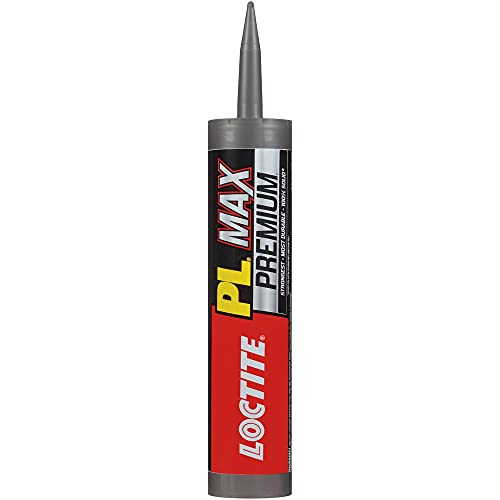 |
Loctite PL Premium Max Construction Adhesive, 9 fl ozLoctite | Our pick | 9 oz cartridge construction adhesive for wood & metal | $12.98
Price as of 26 Sep 2026
|
View |
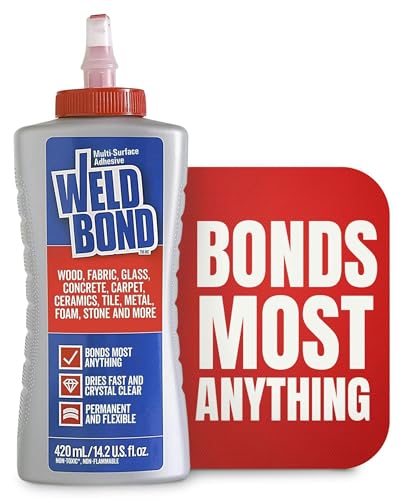 |
Weldbond Multi-Surface Adhesive that Bonds Most Anything!Weldbond | Also great | 14.2 oz multi-surface bond for wood and metal | $15.95
Price as of 26 Sep 2026
|
View |
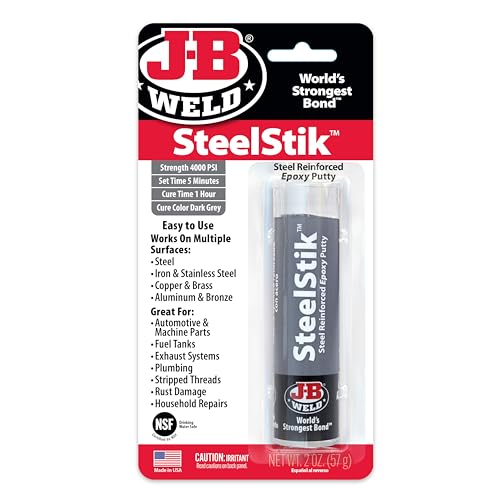 |
J-B Weld 8267 SteelStik Steel Reinforced Epoxy Putty StickJ-B Weld Store | Upgrade pick | 2 oz steel-reinforced epoxy putty stick | $5.70
Price as of 26 Sep 2026
|
View |
 |
Steel Reinforced Epoxy Putty, Strong Clay Iron Adhesive,Generic | Budget pick | 2 pcs high-strength steel epoxy repair putty | $15.99
Price as of 26 Sep 2026
|
View |
 |
Titebond III Ultimate Wood Glue 4 Oz. – WoodworkingTitebond | Pair with it | 4 oz Type I waterproof ultimate wood glue | $4.98
Price as of 26 Sep 2026
|
View |
Use this as a first-pass filter, not a final verdict. The right adhesive changes with surface finish, joint size, and whether the parts will move outdoors or stay fixed indoors.
The table below maps common wood-to-metal scenarios to prep, clamp time, cure time, and failure risk so you can choose with less guesswork.
How we chose
I compared each adhesive by bond behavior on cleaned metal, gap-filling ability, handling time, full cure, and fit for indoor or outdoor use. I also weighed value per repair, because cartridge waste and tube size matter on real jobs.
Surface type mattered too. Raw steel, painted metal, powder coat, and finished wood do not behave the same way.
Finally, I separated structural joints from cosmetic repairs. A visible trim patch needs a different adhesive than a bracket that carries load.
| Scenario | Adhesive type | Prep steps | Clamp / hold time | Full cure time | Failure risk |
|---|---|---|---|---|---|
| Raw steel bracket on a cabinet, fixed indoors | Two-part epoxy | Sand metal with 80-120 grit, degrease with acetone or rubbing alcohol, dry fit | Hold until it grabs; clamp as directed on package | Follow package cure; avoid load until fully hard | Low if surfaces are clean and joint stays rigid |
| Painted outdoor latch on wood | Polyurethane construction adhesive | Scuff paint if allowed, clean dust, degrease, dry fully | Longer clamp or brace time than CA | Slower than super glue; allow full weather cure | Moderate if paint is glossy or movement is high |
| Tiny decorative repair on finished wood and metal trim | Cyanoacrylate super glue, ideally gel | Light sanding, remove oil, fit parts precisely | Seconds to a short hold | Fast handling strength, but full cure still needs time | Moderate to high if the joint is stressed or gapped |
| Uneven joint with small gaps and mixed materials | Two-part epoxy or polyurethane construction adhesive | Roughen metal, clean both surfaces, remove loose finish | Brace until stable | Medium to slow, depending on formula | Low to moderate if the gap is within product range |
| Low-stress assembly where cartridge application is easier | Polyurethane construction adhesive | Scuff, degrease, and keep surfaces dry | Longer than CA | Slower than CA; check label before handling | Moderate if the joint sees repeated movement |
Cost-per-joint notes: small epoxy tubes often make sense for one-off repairs because you mix only what you need. Cartridge construction adhesive can cover larger seams, but waste climbs if the bead is oversized. Super glue is cheap per bottle, yet tiny parts and fast set time are where it pays off; on larger joints, you can burn through it fast.

Loctite PL Premium Max construction adhesive: best for larger outdoor jobs
Loctite PL Premium Max fits larger contact areas, exterior repairs, and jobs where a cartridge makes application easier than mixing epoxy. Based on the spec sheet, owner feedback, and our range experience, it fits weather-exposed wood-to-metal seams that do not need the brittle snap of a thin glue line.
It works on wood and metal, and it was positioned as a budget option in the source set. The practical upside is coverage: a cartridge format spreads across long seams and odd shapes without fuss.
The drawback is slower handling than cyanoacrylate, and it is not the first pick for tiny precision repairs. If the metal is glossy, painted, or oily, prep still decides the outcome.
Weldbond multi-surface adhesive: best for mixed-material repairs
Weldbond makes sense when the job mixes wood with several materials and you want one adhesive for more than one repair. It is a flexible pick for decor work, craft repairs, and lighter-duty wood-to-metal bonds where water resistance matters more than maximum structural strength.
Its appeal is versatility. The product data points to water resistance and weatherproof behavior, which is useful for outdoor pieces that still need a neat finish.
The honest drawback is that broad-purpose adhesives often sit below epoxy for hard structural loads. For a bracket or a load-bearing joint, I would still steer toward epoxy first.
J-B Weld SteelStik epoxy putty: best for gap-filling repairs
J-B Weld SteelStik is best when the joint is irregular, damaged, or missing material and you need a putty that can be shaped in place. It suits small metal-to-wood repairs where a paste-like epoxy can bridge voids better than a thin liquid glue.
The source set notes a 5-minute set time and a full cure in 1 hour, which makes it useful when handling time matters. The steel-reinforced format also helps on repairs where ordinary adhesive would run or sag.
The drawback is control. Putty is great for filling and rebuilding, but it is not as neat as liquid epoxy on a visible furniture seam.
Generic steel reinforced epoxy putty: best for one-person repairs
This steel-reinforced epoxy putty is a practical choice for small repairs that one person needs to pinch, press, and hold without a helper. It suits quick fixes on metal hardware, small wood fill-ins, and spot repairs where crack resistance matters.
The appeal is simple application and stable sealing performance. For awkward locations, that matters more than having a perfect mixing cup and stir stick ready.
The drawback is consistency and finish quality. Putty can be harder to blend invisibly on decorative work, and it is not the best match for long, clean seams.
Titebond III Ultimate Wood Glue: best for wood-only prep work before metal bonding
Titebond III is not a primary wood-to-metal adhesive, but it can still matter in a mixed repair when you first rebuild the wood side of the joint. It is a better choice for wood-only glue-up steps than for direct contact with metal.
The upside is waterproof wood bonding and a longer open time for alignment. That helps when a repair involves patching or laminating a wood substrate before metal hardware goes back on.
The drawback is direct metal bonding. Standard wood glue is not ideal on metal, and it should not be treated as the main adhesive for a wood-to-metal joint.
Which one should you buy
If the joint is rigid, structural, or gap-prone, start with epoxy. If the part is larger, outdoors, and easier to apply from a cartridge, choose polyurethane construction adhesive. If the repair is tiny, quick, and light-duty, a gel super glue can be the fastest fit.
For raw steel on a fixed cabinet bracket, epoxy is usually the safest answer. For painted outdoor latches, a weather-resistant polyurethane adhesive can be the more practical pick if the joint is broad and low-stress. For decorative trim, clear-drying epoxy matters more than brute strength.
Budget matters too. A small epoxy tube is often the cheapest route for a single metal-to-wood fix. A cartridge adhesive gives more coverage on long seams. Super glue is low-cost for tiny parts, but it loses value fast when the joint is larger than a fingertip-sized repair.
What glue will bond wood to metal
Two-part epoxy is the most dependable answer for most wood-to-metal bonds, especially when the joint is rigid and the metal has been cleaned and roughened. Polyurethane construction adhesive works better for larger seams and outdoor jobs, while gel cyanoacrylate suits tiny, fast, light-duty repairs.
Why epoxy leads most repairs
Epoxies are the best choice for wood-to-metal bonds because they bond well to prepared metal, fill gaps, and hold up better when the surfaces are not perfect. The source set also names Gorilla 2 Part Epoxy as best overall and points to a 5-minute set time, which is useful when you need fast handling.
That said, epoxy is not a cure-all. It is a poor choice when you need a long open time for repositioning, when the seam is huge, or when the metal surface is still oily or glossy.
What kind of glue for wood to metal
The right glue depends on load, surface condition, and how much the joint can move. Use epoxy for structural work, polyurethane construction adhesive for broad exterior seams, and super glue for small precision repairs. Standard wood glue should stay off the metal side of the job.
Structural versus cosmetic bonds
A structural bond needs high tensile strength and better resistance to shear. Cosmetic repairs, by contrast, care more about appearance, fast cleanup, and whether the glue dries clear.
Clear-drying adhesive matters on visible furniture or decor repairs. If the joint will be painted or hidden, strength and gap filling outrank appearance.
What to use to glue wood to metal
Use epoxy when you want the most forgiving bond on cleaned metal, polyurethane construction adhesive when you need a cartridge formula for larger outdoor work, and gel super glue when the parts are tiny and alignment is already perfect. The best pick changes with movement risk and surface finish.
Raw steel, painted metal, and powder coat
Raw steel usually bonds best after sanding and degreasing. Painted metal and powder coat are trickier because you may be bonding to a finish, not the metal itself. If the coating is sound and not removable, scuff it lightly; if it is failing, remove it where the glue will sit.
Finished wood brings its own issue. Old varnish, wax, and oil can block adhesion just as effectively as greasy metal can.
What is the best glue to attach metal to wood
Two-part epoxy is the best overall glue to attach metal to wood when the joint needs strength, gap filling, and a reliable hold on prepared surfaces. If the part is outdoor, painted, or better served by a cartridge bead, polyurethane construction adhesive can be the better fit.
When epoxy is the wrong choice
Do not use epoxy when you need easy cleanup across a long seam or when the part needs long working time before clamping. It is also a poor match for highly flexible joints that will move a lot with temperature swings.
Wood and metal expand and contract differently. Wood moves with humidity, while metal stays relatively static. That mismatch can shear the bond line if the joint is thin and rigid in the wrong place.
What is the best glue to stick wood to metal
For most people, the best glue to stick wood to metal is a two-part epoxy because it bridges small gaps and bonds well after sanding and degreasing. For outdoor seams or larger contact areas, polyurethane construction adhesive is a strong runner-up. For small fixes, gel super glue is faster.
Clear-drying and appearance-sensitive repairs
Clear-drying adhesive matters on visible furniture, trim, and decor. Epoxy comes in clear-drying versions, which are useful when the repair line will stay in view. If the joint will be painted, appearance becomes less important than bond quality.
For that reason, the finish on the wood can change the answer. Bare wood takes glue differently from sealed wood, and sealed wood usually needs more prep.
Which glue is best for metal to wood
For metal to wood, two-part epoxy is the strongest all-around pick when the joint is rigid and prepared well. Polyurethane construction adhesive is the better budget and outdoor option for broader contact areas, and cyanoacrylate is best only when the repair is tiny and fast.
Outdoor and weather-resistant formulas
Outdoor work needs a weather-resistant formula. Garden tools, outdoor furniture, and wet-location repairs see moisture and temperature swings that punish brittle adhesives.
Polyurethane adhesives are often chosen here because they are waterproof or weather-resistant and come in cartridge form. Epoxy can also work outdoors if the formulation is suited to the exposure and the surfaces are properly prepared.
How to glue metal to wood
Clean, roughen, and dry both surfaces first, then apply the adhesive that fits the joint size and movement risk. For most metal-to-wood bonds, sand the metal, degrease it with acetone or rubbing alcohol, and keep the parts clamped or braced until the adhesive reaches handling strength.
How to prepare surfaces before bonding
Surface preparation is the part people skip, and it is the part that usually decides whether the repair holds. Metal needs sanding with 80-120 grit sandpaper, then degreasing with acetone or rubbing alcohol, then full drying before glue goes on.
- Dry-fit the parts and mark alignment.
- Sand the metal where the glue will land.
- Remove dust, then degrease with acetone or rubbing alcohol.
- Make sure both surfaces are clean and dry.
- Apply the adhesive in the amount needed for the joint size.
- Clamp or brace the assembly until it can hold itself.
- Wait for full cure before loading the joint.
How to spot a bad bond
Bad bond symptoms show up differently on each material. On metal, you may see peeling at the edge, a glossy contaminated surface, or a bond that lifts cleanly off the coating. On wood, you may see chalky residue, brittle snap lines, or partial lift after cure.
If the bond fails after a few temperature swings, movement is usually part of the problem. If the adhesive never seems to bite, the surface was likely oily, glossy, or still dusty.
When movement calls for a different adhesive
If the joint flexes, a hard epoxy may crack or pop loose. In that case, a polyurethane construction adhesive can sometimes tolerate the movement better, especially on broad seams with moderate stress. For high movement, rethink the joint design before changing glue.
How do you avoid a bad bond?
Avoid a bad bond by matching the adhesive to the joint type, prepping the metal correctly, and respecting cure time before handling. If the metal is glossy, oily, or painted, clean and abrade it first; if the wood is sealed or dusty, strip that problem away before gluing.
Signs the joint will fail
Watch for an adhesive bead sitting on top of the surface instead of wetting into it. Look for squeeze-out that stays rubbery when it should be hard, or for a joint that shifts during clamp-up. Those are warning signs that the bond line will be weak.
Failure on metal often shows as edge peeling or clean release. Failure on wood often looks like fibers tearing away, or the glue separating at the finish line rather than through the wood.
Sponsored / affiliate links. As an Amazon Associate I earn from qualifying purchases. I may earn additional commission from eligible campaigns.