Best Plywood for Outdoor Use (2026): we compared
The best plywood for outdoor use is exterior-rated plywood matched to exposure: use marine or other fully exterior-grade panels for direct weather, and use exterior plywood only where edges stay sealed and the panel stays mostly covered. Pick the wrong sheet, and edges swell, glue lines fail, and the panel can warp or rot quickly. This guide shows how to pick plywood for decks, sheds, fences, planters, furniture, and soffits by water, sun, and edge exposure.
Quick comparison
| Product | Badge | Best for | Price | ||
|---|---|---|---|---|---|
 |
Baltic Birch Plywood Custom Cut, Customized to Size 3/4Woodpeckers | Our pick | 3/4 Inch Thick B/BB Grade Craft Wood | $19.99
Price as of 11 Oct 2026
|
View |
 |
RecPro 3/4" Marine Grade Plywood | 48" x 96" | 10 PackRecPro | Upgrade pick | 3/4" Marine Grade Plywood 10 Pack | $2,494.95
Price as of 11 Oct 2026
|
View |
 |
ZEONHAK 50 Pack 4 x 8 Basswood Sheets, Unfinished PlywoodZEONHAK | Budget pick | 1/16 Inch Thin Basswood Board 50 Pack | $16.99
Price as of 11 Oct 2026
|
View |
 |
Clear Waterproof Sealant, SUWHXUE 35oz/1KG Water-BasedSUWHXUE | Also great | 35oz Water-Based Transparent Waterproof Leak Repair Coating | $21.99
Price as of 11 Oct 2026
|
View |
The right panel depends on how much water reaches the sheet, especially the edges and cutouts. A higher grade means little if the project traps moisture or leaves fasteners exposed to corrosion.
How we chose
The core filter here is exposure level: covered, intermittently wet, or fully exposed. After that, the deciding factors are glue line, void content, edge durability, finish burden, and fastener compatibility.
APA stamps matter too. Exterior and Exposure 1 are not the same, and neither one means the sheet can stay wet indefinitely without sealing and detailing.
We also weighed practical jobsite issues: whether the panel will need paint, whether cut edges will be visible, and whether the project demands galvanized or stainless fasteners.
What makes plywood suitable for outdoor use?
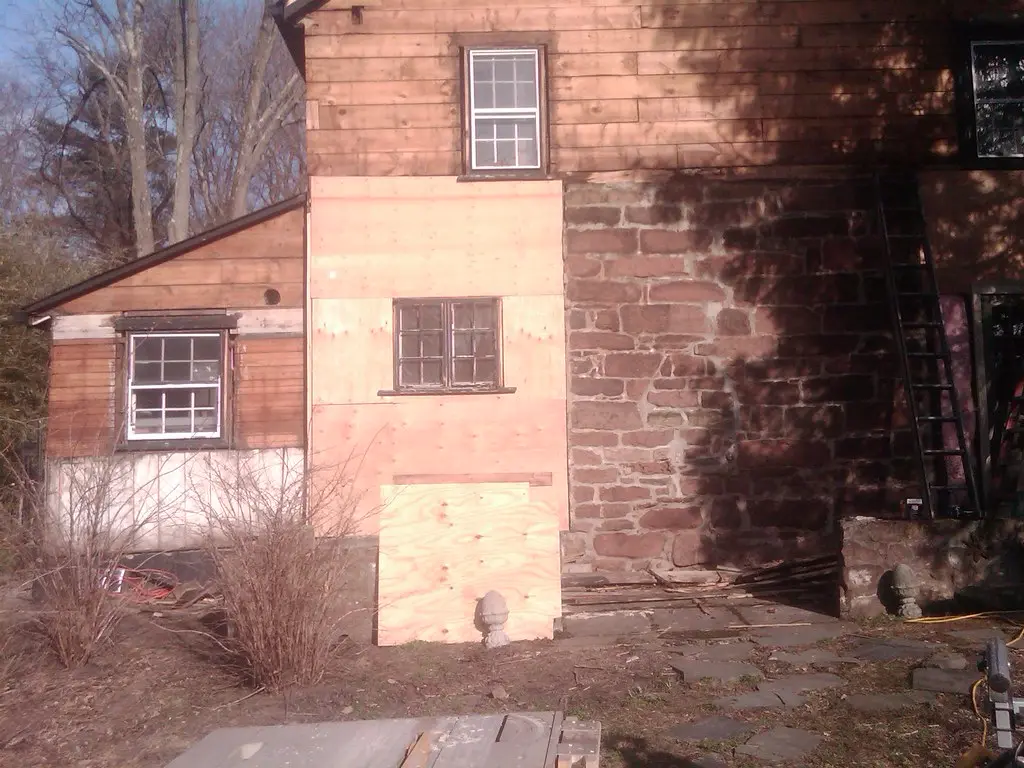
Plywood is suitable outdoors when the adhesive bond resists moisture, the core has few voids, and the panel is detailed so water cannot sit in edges, holes, or joints. Exterior glue matters more than face veneer alone, because the faces can look fine while the bond line fails first.
Exterior glue versus interior glue
Interior plywood uses adhesives meant for dry service. Exterior plywood uses waterproof or weather-resistant resins, often phenolic or other exterior-rated systems, so the glue line is less likely to separate when humidity rises or rain reaches the panel.
That still does not make the sheet maintenance-free. If you leave raw edges, unsealed penetrations, or trapped moisture behind trim, even an exterior-rated panel can fail early.
APA Exposure 1 and Exterior stamps
An APA Exposure 1 stamp generally indicates the panel is meant for temporary exposure during construction rather than long-term weather exposure. APA Exterior is the more weather-ready outdoor designation and is generally intended for longer-term exposure, but it still needs proper edge protection and finishing when used outside.
Face grade is only part of the story. A smooth face does not matter much if the core is voided, the glue line is not rated for weather, or the panel is installed where water pools.
Why face veneer grade is not the whole story
Two sheets can look similar on the shelf and perform very differently outdoors. The face may be cosmetic, while the core construction, adhesive type, and edge behavior determine whether the panel holds up after repeated wetting and drying.
Exterior plywood: best for covered outdoor projects
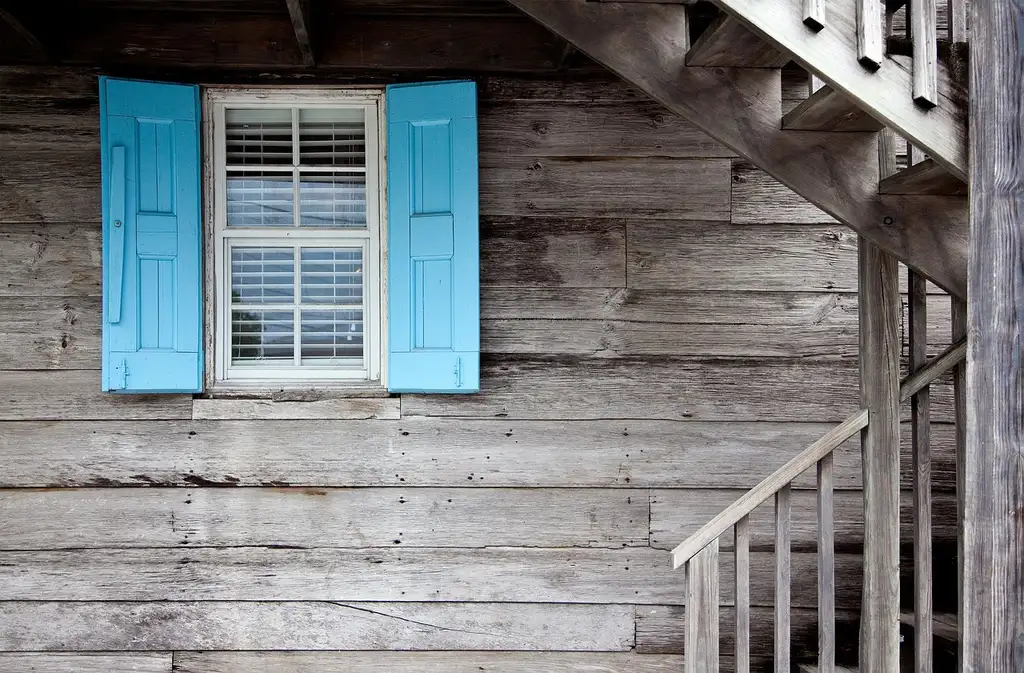
Exterior plywood is the best fit for covered outdoor work where rain does not hit the sheet directly but humidity, splashes, and edge exposure still matter. It is a practical choice for soffits, covered panels, and protected shed parts, especially when you need a better-looking sheet than CDX.
What stands out is its intended outdoor use and the need for edge protection. The useful part is not a magic face veneer; it is the exterior bond and the ability to finish and seal the panel properly.
The drawback is simple: if the panel is left raw, the edges and cut ends will still absorb water. It is also not the right answer for fully exposed horizontal surfaces that will see standing water or sun-driven checking.
What the label means
Exterior plywood is built with weather-resistant adhesive and is meant for outdoor exposure. Depending on the face grade, it may be suitable for visible work, but it still needs primer, paint, or another finish system if it will live outside.
Best uses and limits
Use exterior plywood for covered trim panels, sheltered shed walls, soffit backers, and some outdoor furniture parts that are protected by design. Do not treat it as a raw, install-and-forget material.
CDX plywood: best budget choice for sheathing
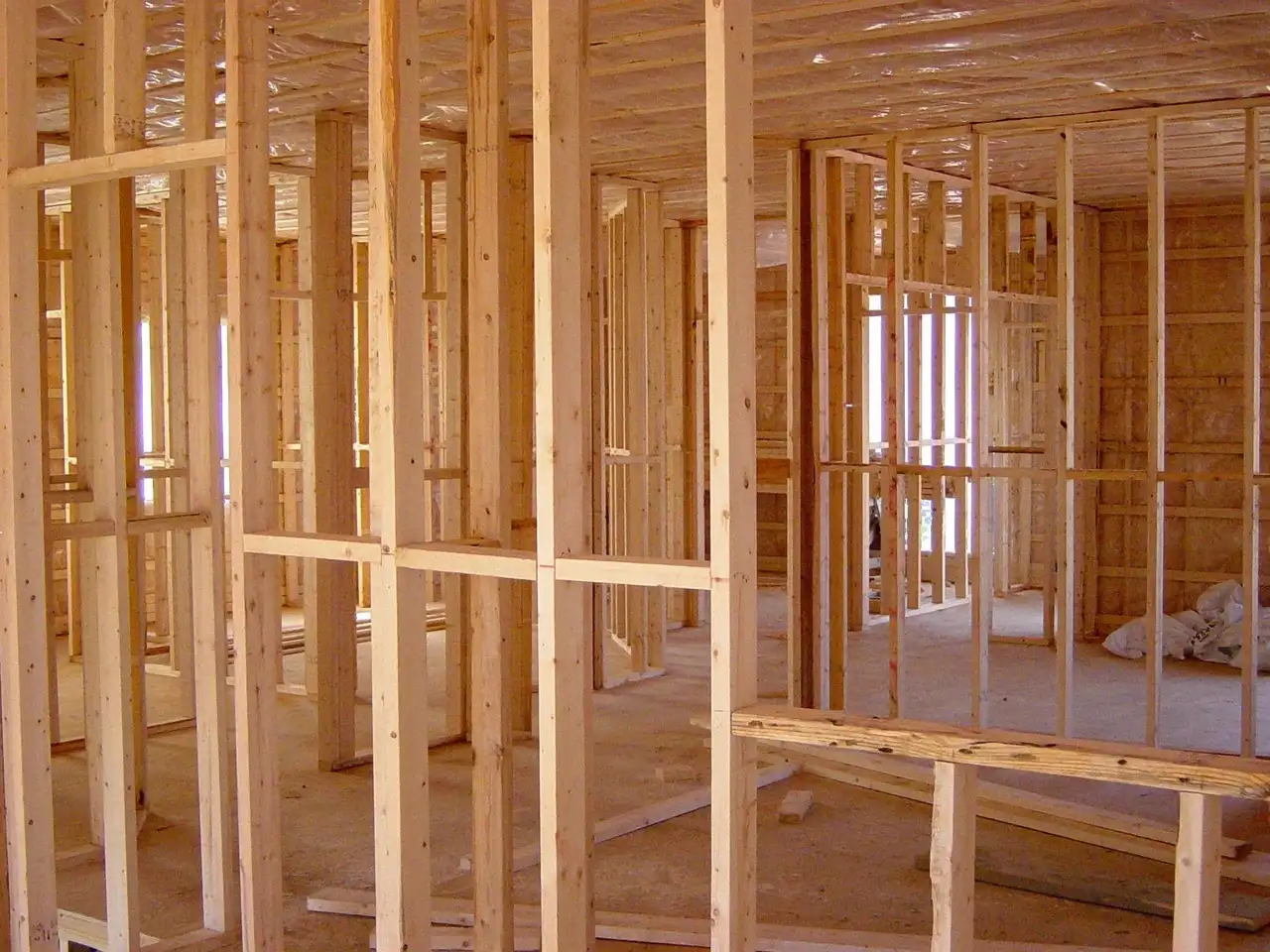
CDX is the common budget answer for exterior construction sheathing, especially when the panel will be hidden behind siding, roofing, or another finish layer. It is a sensible pick for walls, sublayers, and temporary outdoor structures when price matters more than appearance.
What stands out is the construction panel format: roughly 7-ply construction, waterproof glue, and a near void-free core are the kinds of details buyers often look for in this category. Typical sheet sizes are often 4 x 8 feet, and common thicknesses in exterior sheathing runs often include around 1/2 inch, 5/8 inch, and 3/4 inch.
The drawback is also obvious. CDX is not a finish-grade panel, so it looks rough, needs paint or sealing if exposed, and should not be chosen for a visible outdoor surface that needs a clean appearance.
Typical construction use
CDX is often used where structural function matters more than looks. It can work outdoors in covered or semi-exposed assemblies, but it performs best when another layer protects it from direct weather.
Why it needs paint or sealing outdoors
If CDX is left exposed, water will find cut edges and fastener holes first. A primer and topcoat, or at minimum an edge-sealing plan, is the difference between decent service life and early delamination.
Pressure-treated plywood: best for damp, high-risk details
Pressure-treated plywood is useful when a project sees frequent dampness, splashback, or close contact with wet framing and high-risk details. It is not required for every outdoor build, and in many projects a better detail plan with exterior-rated plywood is the smarter move.
Its benefits come with tradeoffs: treatment can affect fastener choice, corrosion risk, and sometimes glue or finish compatibility. You need to check whether the panel is compatible with your adhesive, primer, paint system, and intended hardware.
Use it where moisture exposure is persistent, such as low, poorly ventilated assemblies or parts near grade. Do not choose it just because it sounds tougher; that can add cost and complication without improving the actual failure point.
Where it makes sense
It makes sense in damp details, not automatically in visible outdoor furniture or dry soffits. If the design already keeps the panel out of direct wetting, standard exterior plywood may be enough.
Fasteners, corrosion, and compatibility
Pressure-treated panels can accelerate corrosion if you use the wrong screws or nails. Galvanized or stainless fasteners are the usual choices, and you should confirm that your finish and adhesive will bond to the treated surface.
Marine plywood: best for fully exposed projects
Marine plywood is the top pick for serious wet exposure because it combines waterproof glue with low-void construction, which helps resist delamination and edge failure in demanding conditions. It is the right category for direct weather, splash zones, and projects where the panel faces repeated wetting.
What stands out is the construction quality: a roughly 7-ply build, a near void-free core, and water-resistant adhesive are the features that matter when moisture is unavoidable. In that sense, marine plywood is less about appearance and more about keeping the panel intact.
The drawback is cost. Marine plywood usually costs more than construction plywood, and it is wasteful overkill for covered sheds or sheltered panels where exterior plywood would do the job.
Why it earns the top spot for wet exposure
Marine plywood is built to reduce internal voids and improve bond reliability. That lowers the risk of hidden decay paths, especially at cut edges, corners, and fastener penetrations.
Where it is overkill
If the panel will stay mostly dry under a roof overhang, marine plywood may be more expensive than necessary. A covered utility box, for example, usually does not need the same panel as a boat component or a constantly splashed planter liner.
Decision matrix: choose by exposure, not by price
The best choice follows the project, not the store tag. Start with where water lands, how long it stays there, and whether the edges are sealed by design.
| Project type | Exposure level | Recommended plywood | Finish system |
|---|---|---|---|
| Soffit panel under a roof overhang | Covered, low splash | Exterior plywood | Primer plus exterior paint; seal cut edges |
| Shed wall behind siding | Intermittently wet during construction, then protected | CDX plywood | Housewrap or cladding; seal exposed cuts if needed |
| Outdoor bench top under partial cover | Intermittently wet, sun exposure | Exterior plywood or marine plywood | Exterior paint or spar-type finish system; edge sealing required |
| Planter liner or splash-prone box | Fully exposed, frequent wetting | Marine plywood or pressure-treated plywood where compatible | Heavy edge sealing plus a waterproof coating |
| Temporary site barrier or formwork | Short-term outdoor exposure | CDX plywood | Limited sealing; replace when wear starts |
Covered projects
For covered work, exterior plywood is usually the sweet spot. It balances durability, appearance, and price without pushing you into marine-grade cost.
Intermittently wet projects
When rain may hit the panel but not every day, choose exterior plywood if edges can be sealed well, or marine plywood if the design traps water or gets repeated splash exposure.
Fully exposed projects
For direct weather, choose marine plywood or another truly exterior-rated panel with low voids and careful sealing. In that setting, glue line and core quality matter more than saving a little money up front.
Which one should you buy?
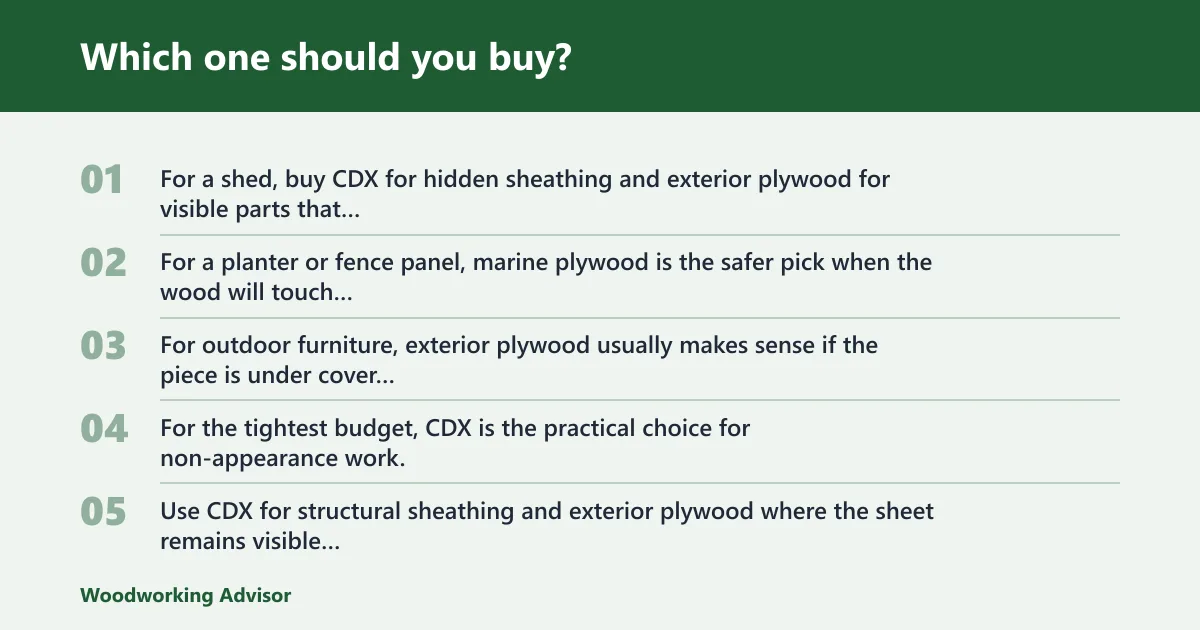
For a shed, buy CDX for hidden sheathing and exterior plywood for visible parts that stay covered. For a planter or fence panel, marine plywood is the safer pick when the wood will touch water often, while pressure-treated plywood can help in wet, low-ventilated details.
For outdoor furniture, exterior plywood usually makes sense if the piece is under cover and fully sealed. For the tightest budget, CDX is the practical choice for non-appearance work, but it should be painted or hidden from direct weather.
Best choice for a shed
Use CDX for structural sheathing and exterior plywood where the sheet remains visible under a protected overhang. That keeps cost reasonable while matching each part to its exposure.
Best choice for a planter or fence panel
Choose marine plywood if the panel will see standing moisture, wet soil contact, or frequent rain. A common first-timer mistake is using a cheaper panel for the sides and leaving the cut edges raw; that usually fails at the seams first.
Best choice for outdoor furniture
Exterior plywood is usually enough for benches, cabinet carcasses, or storage pieces that stay under cover. Suppose a 24 x 48-inch seat panel sits on a porch but gets wind-driven rain at the corners; sealing the edges and using exterior fasteners matters more than the face veneer.
Best choice when budget matters most
Start with CDX for non-visual construction, then spend the savings on proper paint, sealant, and corrosion-resistant hardware. That trade often gives better service life than buying a pricier panel and skipping the finish work.
Sealants, edge sealers, and finishing
Edge protection is not optional outdoors. End grain drinks water fast, so the first coat belongs on cut edges, drilled holes, and any routed recesses before you finish the faces.
Use an edge sealer or primer that is compatible with the final coating. Most exterior paint systems work best when the sealer and topcoat are from the same general finish family, and most projects need more than one coat on exposed edges.
Maintenance matters too. If a panel lives outdoors, inspect it at least once a year, and reseal when the coating starts to chalk, crack, or open at joints.
Number of coats and maintenance cycle
A practical approach is two coats on exposed edges and one or two on faces, depending on the product system. Recoat before bare wood shows, not after the panel starts swelling.
Fasteners for exterior plywood
For exterior plywood, use corrosion-resistant fasteners such as galvanized or stainless screws. The right fastener reduces rust streaks, joint failure, and staining around the hole.
Screw length should suit the assembly thickness; as a general rule, aim for at least 1 to 1-1/2 inches of penetration into the framing member after the sheet thickness is counted. Pre-drilling helps near edges, at hard species, and around treated material where splitting or fastener drag can be an issue.
Fastener choice is not cosmetic. If the wrong screw rusts, the surrounding wood can hold moisture and fail sooner even when the panel itself is still sound.
Failure checklist for outdoor plywood
- Check that the panel rating matches the exposure: Exterior, not just Exposure 1, for permanent weather.
- Seal all cut edges, drilled holes, and routed openings before final assembly.
- Use galvanized or stainless fasteners in exposed or treated assemblies.
- Avoid trapping water behind trim, trim caps, or overlapping joints.
- Keep the panel off soil and away from standing water whenever possible.
- Inspect for edge swelling, veneer lift, rust bleed, and cracked finish at least yearly.
Frequently asked questions
What is the best plywood for outdoor use?
Marine plywood is the best plywood for outdoor use when the panel will face direct weather, repeated wetting, or hard-to-protect edges. For covered outdoor work, exterior plywood is usually the better value. The right answer depends on exposure, not price alone or face appearance.
What is the best type of plywood for outdoor use?
The best type of plywood for outdoor use is the one that matches the moisture level of the project. Marine plywood is best for severe exposure, exterior plywood works well for protected outdoor parts, and CDX is better for hidden construction than for visible outdoor surfaces.
What is a good plywood for outdoor use?
A good plywood for outdoor use has exterior-rated glue, limited voids, and edges you can seal properly. Exterior plywood is a strong general-purpose option, while marine plywood is better when water exposure is heavy or ongoing. The finish system matters as much as the sheet.
What type of plywood is best for outdoors?
The best type of plywood for outdoors depends on whether the sheet is covered, splashed, or fully exposed. Exterior plywood is the common pick for covered areas, marine plywood for wet service, and CDX for structural work that will be hidden behind another layer.
What kind of plywood is best for outdoors?
The best kind of plywood for outdoors is one with weather-resistant adhesive and a core that resists void-related failure. If the project will stay dry under cover, exterior plywood is usually enough. If it will be wet often, marine plywood or a treated alternative makes more sense.
What plywood is good for outside?
Plywood that is good for outside use has an exterior or marine rating, plus a finish plan that protects the edges and fasteners. CDX can work for hidden construction outdoors, but it should not be mistaken for a finish panel. Raw plywood is always a short-life choice outside.
Sponsored / affiliate links. As an Amazon Associate I earn from qualifying purchases. I may earn additional commission from eligible campaigns.
 Baltic Birch Plywood Sheets Box of 45 - Laser Engraving Cutting, Scroll Saw Nature Veneer Color, Stronger Than Basswood, A/A Grade,12 x 12 x 1/8”, 3mm Thickness Perfect for Wood Burning
 Baltic Birch Plywood 1/8'' x 12'' x 18'', 6 Pack, B/BB Grade, Void-Free Core, Laser Cutting Ready, Flat Sheets for CNC, Engraving, DIY Crafts, Art Painting, Wood Burning, Staining