Is Hardwood Plywood Worth the Extra Cost Over Softwood Plywood?
Hardwood plywood is worth the extra cost when the panel will stay visible, take a stain or clear coat, or need stable, repair-friendly faces; for hidden carcasses, painted utility work, or shop projects, softwood plywood usually wins on total cost. Choosing the wrong panel can mean extra sanding, filler, edge banding, and even replacement, which can cost more than the sheet-price gap. This guide compares material price, finishing labor, waste, and project type so you can choose the cheaper finished result.
Hardwood vs. softwood plywood
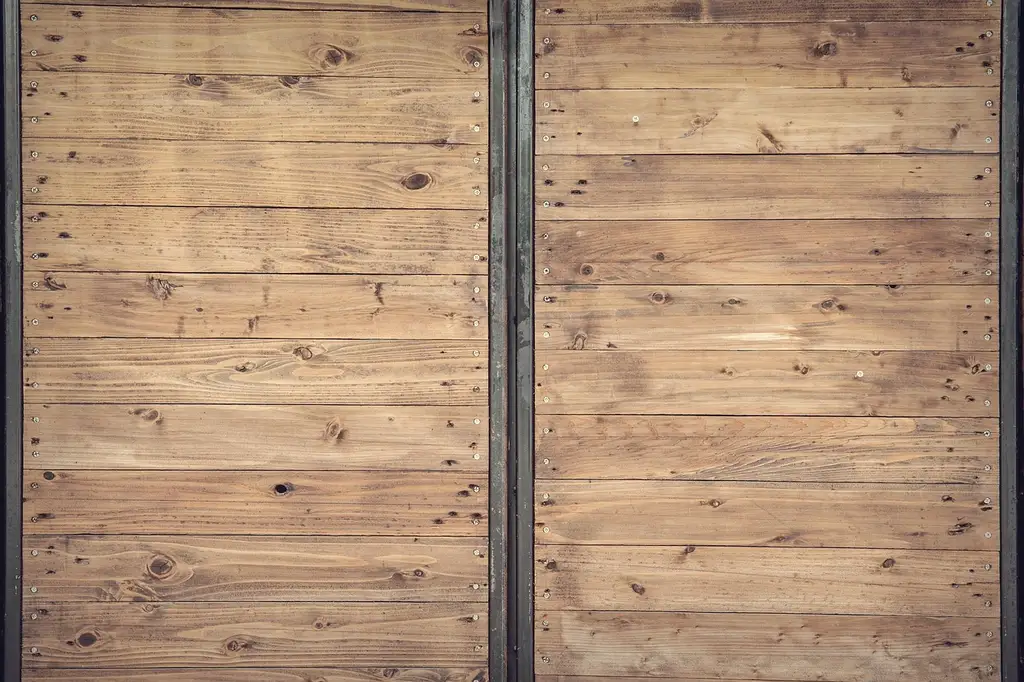


Hardwood plywood uses hardwood face veneers such as birch, maple, oak, or poplar over a plywood core. Softwood plywood usually uses pine, fir, or spruce and is sold more often as structural or general-purpose sheet stock. The sheet price is only one part of the decision; the better choice depends on how visible the panel will be and how much work the surface will need.
What each panel type is made
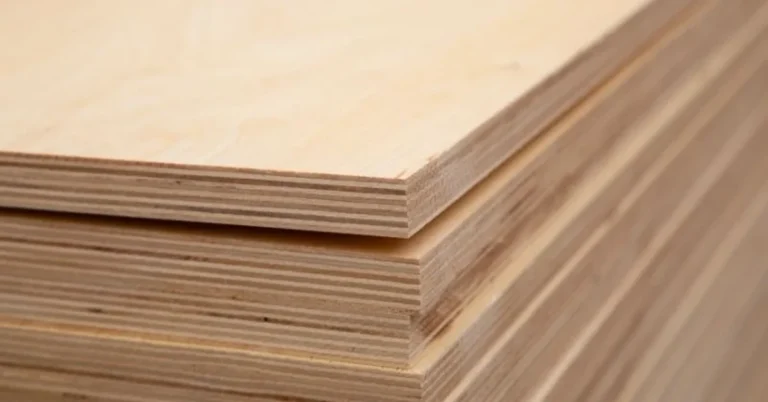
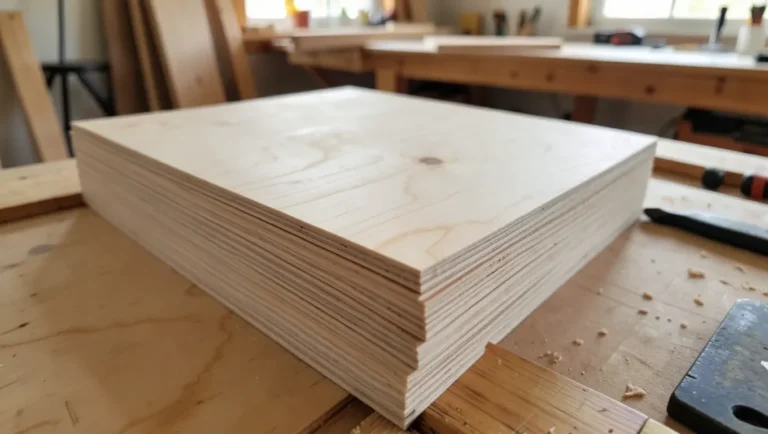
Both types are built from thin veneer plies glued in alternating grain directions. Hardwood plywood is usually sold as a higher-appearance panel, often with better face and back grades, while softwood plywood is often optimized for strength, span, and low cost. Either type may use a void-free or low-void core, but the exact core quality varies by grade and price point.
The cost trade-off in one sentence
Hardwood plywood costs more at the sheet level, but it can cut finishing labor, edge treatment, and waste on visible parts. Softwood plywood costs less up front, but it may need more patching, more sanding, and more covering if appearance matters.
Where each one usually fits
Hardwood plywood is commonly used in cabinets, furniture, shelving, and other projects where the face will be seen. Softwood plywood is common in sheathing, subfloors, utility panels, shop cabinets, and hidden parts where appearance grade adds little value.
Plywood decision matrix
This matrix compares the total-project cost trade-off, not just the sticker price. A sheet that looks cheaper can become the expensive choice if it needs filler, extra sanding, edge banding, or a redo after finish defects show through.
| Project type | Sheet cost | Finishing labor | Edge treatment | Visibility | Recommended choice |
|---|---|---|---|---|---|
| Painted cabinets | Softwood is lower; hardwood costs more | Hardwood usually needs less filling and patching | Both need edge banding or solid edging on exposed edges | Visible faces, but paint hides grain | Hardwood if the face grade is smooth; softwood only if the surface is already suitable and defects are minor |
| Clear-finished cabinets | Hardwood is higher | Hardwood usually wins because it sands and finishes more cleanly | Edges are often left visible, so matching matters | High visibility | Hardwood plywood |
| Shop cabinets | Softwood is lower | Softwood is usually acceptable if the faces stay hidden | Simple edging or no edging on hidden parts | Low visibility | Softwood plywood |
| Shelving | Hardwood costs more per sheet | Hardwood reduces surface prep on open shelves | Exposed edges matter on open shelving | Moderate to high visibility | Hardwood for exposed shelves; softwood for enclosed or painted shelves |
| Furniture | Hardwood is higher | Hardwood usually saves time on visible parts | Edge quality is part of the finished look | High visibility | Hardwood plywood |
| Utility panels | Softwood is lower | Hardwood offers little labor savings here | Usually minimal or hidden | Low visibility | Softwood plywood |
Suppose a 3/4-inch panel will form the side of a painted pantry cabinet. If the cheaper sheet arrives with voids, rougher faces, or edge breakage, the savings can disappear after filler, sanding, and extra trim work. In that case, a better cabinet-grade panel can cost less in the finished cabinet than a bargain sheet with flaws.
A common first-timer mistake is buying structural plywood for an open shelf because the sheet price can look attractive. If the shelf is about 12 inches deep and the front edge is exposed, grain roughness, patching, and a visible grade stamp can turn a low-cost panel into extra labor and a weaker-looking result.
What makes hardwood plywood cost more?
Hardwood plywood costs more because it usually uses better face veneers, tighter grading, and more careful core construction than general softwood sheets. That premium is not only for appearance. It can also reflect flatter panels, fewer voids, and less time spent fixing defects before finish goes on.
Face veneer species and grade
Common hardwood veneer species include oak, birch, maple, and poplar. Oak shows more open grain and usually takes stain in a familiar way. Birch and maple give a smoother, tighter face, which is often preferred for paint and clean clear finishes. Poplar is often used where a paintable surface matters more than visible grain. Better face grades cost more because they have fewer patches, knots, and sanding marks.
Softwood plywood commonly uses pine, fir, or spruce faces, often in structural grades. These can be perfectly useful, but the face quality is usually less suited to visible cabinetry or fine furniture. Stain can look uneven on some softwood faces because of grain contrast, resin pockets, and patching.
Core construction and voids
Plywood strength and flatness depend on the core as much as the face. More plies can improve stability, and balanced construction helps the panel resist warp. Void-free or low-void cores cost more, but they improve edge quality and reduce hollow spots that show up during machining or edge banding.
Voids matter on routed edges, shelf fronts, and cabinet parts that may be shaped or trimmed. A panel with internal gaps can chip, crumble, or leave a weak edge that needs filler or solid lipping. That hidden labor is part of the true cost.
Edge treatment and finishing labor
Hardwood plywood often saves time where edges are visible because the face veneer is cleaner and the edge can be banded, lipped, or finished with less repair. Softwood plywood often needs more attention at the edge because voids, patches, and rougher plies can telegraph through paint or remain visible after clear finish.
For a painted cabinet, the question is not whether the sheet is cheaper. The question is whether the lower-priced panel adds enough sanding, patching, and touch-up to erase the savings.
Is hardwood plywood stronger than softwood plywood?
Not automatically. Strength depends more on core construction, thickness, span, and grade than on whether the face veneer is hardwood or softwood. A high-grade softwood structural panel can outperform a thin, low-quality hardwood appearance panel in stiffness and load carrying.
Strength, stiffness, and span
For shelving or cabinets, stiffness matters as much as raw strength. A 3/4-inch panel will usually sag less than a 1/2-inch panel of the same construction, depending on the veneer species. The thicker panel has a better chance of staying flat across a longer span.
Structural plywood is usually chosen for sheathing and subfloor work because span ratings, fastener holding, and exposure resistance matter there more than face appearance. Cabinet-grade plywood is chosen for flatness and surface quality, not for sheathing duty.
Fastener holding and screw pullout
Fastener performance depends on the core and the plies. More consistent veneers and fewer voids help screws bite cleanly. If a panel has hollow spots, screw holding can suffer near edges or around hardware, no matter what the face veneer is made from.
How thickness changes the answer
Nominal thickness is not the same as actual thickness. Common panels labeled 1/4, 1/2, and 3/4 inch are often slightly thinner in actual size. For furniture and cabinets, the thickness you choose affects both stiffness and joinery fit, so measure the actual sheet before cutting dados, grooves, or edge treatments.
Does hardwood plywood finish better?
Usually yes, especially for visible work. Hardwood plywood often gives a smoother face, more predictable sanding, and a cleaner result under stain or clear coat. Softwood plywood can finish well in the right grade, but the surface more often needs extra prep, and the results are less forgiving once finish goes on.
Painted surfaces and sanding
For paint, the best panel is the one that needs the least filling and spot sanding before primer. Hardwood plywood with a cabinet-grade face often starts smoother than softwood plywood and hides less under paint. That can save time on broad cabinet sides, doors, and exposed shelving.
Stain and clear coat results
For stain and clear coat, species choice matters. The same source gives a strong visible grain. Birch and maple look cleaner and more uniform. Poplar is often used where paint is the goal because its appearance is less predictable under stain. Softwood species such as fir and pine can look good in rustic work, but they may blotch or show resinous variation that complicates finishing.
Edge banding and visible faces
Cabinet-grade plywood is often chosen because its smooth face veneer accepts edge banding well and helps keep the panel flat. If the edge will be seen, the panel core matters too. A cleaner edge reduces how much filler, sanding, and touch-up you need after the banding goes on.
When should I use hardwood plywood instead of softwood plywood?
Use hardwood plywood when the panel will remain visible, will be stained or clear finished, or will be part of a piece where appearance and repair time matter. Use softwood plywood when the part is hidden, painted over, structurally loaded, or likely to be cut into utility pieces where surface quality does not repay the premium.
Best choice by project type
- Choose hardwood plywood for clear-finished cabinets, furniture, and exposed shelving.
- Choose hardwood plywood for painted cabinets if the sheet quality lowers prep time and gives a flatter face.
- Choose softwood plywood for shop cabinets, utility panels, sheathing, and subfloor work.
- Choose softwood plywood for hidden carcass parts when the face will never be seen.
The premium pays back when a better face grade removes steps from the build: less patching, less sanding, fewer visible defects, and less waste from rejected sheets. It also pays back when edge treatment would be awkward on a rougher panel, such as on open shelves or visible cabinet ends.
When the cheaper sheet is enough
Softwood plywood is enough when the panel will be covered, trimmed, painted without close inspection, or used for structure. In those cases, a stronger structural rating or a flatter sheet may matter more than veneer species.
Which plywood lasts longer in interior projects, hardwood or softwood?
Either can last a long time indoors if the grade, core, thickness, and finish are right. Hardwood plywood usually holds up better in visible interior work because its face veneer and edge treatment are often better suited to wear, cleaning, and refinishing. Softwood plywood can last just as long where the panel is protected and not heavily exposed.
Interior wear and repair
Interior cabinets and furniture often fail visually before they fail structurally. A better hardwood face is easier to touch up, refinish, or keep looking clean. Softwood plywood can be durable enough for utility interiors, but dents, edge damage, and patch visibility can show sooner.
Exposure and moisture inside a building
For kitchens, baths, and laundry areas, choose the right exposure rating and finish system before worrying about veneer species. A good interior panel still needs a suitable coating, sealed edges, and dry service conditions. Without those, appearance-grade plywood can still degrade.
Choose hardwood plywood if… / Choose softwood plywood if…
Choose hardwood plywood if the panel will be seen, stained, clear-coated, or judged on edge quality as much as on flatness. Choose softwood plywood if the panel is hidden, structural, painted with little scrutiny, or part of a shop or utility build where low material cost matters more than face quality.
Choose hardwood plywood if…
- You are building clear-finished cabinets, furniture, or open shelving.
- You want smoother faces that reduce sanding, patching, and touch-up.
- You need edge banding or visible edges to look clean after finishing.
- You can recover the higher sheet price through lower labor or less waste.
Choose softwood plywood if…
- The panel will be hidden inside a carcass or behind trim.
- You need sheathing, subflooring, or another structural use.
- You are building shop cabinets or utility parts where appearance does not matter.
- You need the lowest sensible cost and can accept a rougher surface grade.
Frequently asked questions
Is hardwood plywood worth the extra cost over softwood plywood?
Yes, when the sheet stays visible or needs a good finish. The added cost can be offset by less sanding, fewer patched defects, and better-looking edges. For hidden or structural parts, softwood plywood usually gives the better total cost because the appearance premium brings little return.
What is the difference between hardwood plywood and softwood plywood?
Hardwood plywood uses face veneers such as oak, birch, maple, or poplar and is usually sold in appearance grades for cabinets and furniture. Softwood plywood usually uses pine, fir, or spruce and is more common in structural work, shop builds, and panels where low price matters more than face quality.
Is softwood plywood good enough for cabinets or furniture?
Yes, for hidden carcasses, utility cabinets, and shop furniture where the face will not be seen. It is less ideal for exposed furniture or finished cabinetry because rougher faces, patching, and edge quality can increase prep time and reduce the final appearance.
How much more does hardwood plywood cost than softwood plywood?
The premium varies by region, veneer species, grade, thickness, and availability. In many stores, hardwood plywood costs noticeably more per sheet, sometimes enough that better finish quality and less labor are the real reasons to buy it. Compare the finished cost, not just the sheet price.
Sponsored / affiliate links. As an Amazon Associate I earn from qualifying purchases. I may earn additional commission from eligible campaigns.
 Baltic Birch Plywood Sheets Box of 45 - Laser Engraving Cutting, Scroll Saw Nature Veneer Color, Stronger Than Basswood, A/A Grade,12 x 12 x 1/8”, 3mm Thickness Perfect for Wood Burning
 Baltic Birch Plywood 1/8'' x 12'' x 18'', 6 Pack, B/BB Grade, Void-Free Core, Laser Cutting Ready, Flat Sheets for CNC, Engraving, DIY Crafts, Art Painting, Wood Burning, Staining