Best Plywood for Cabinets (2026): research shows
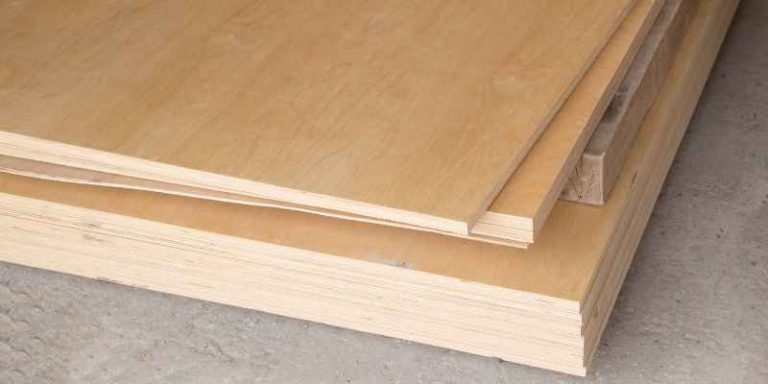
The best plywood for cabinets is usually cabinet-grade hardwood plywood with a veneer core and a stable face veneer. Use roughly 3/4-inch for boxes and about 1/4-inch for backs, then choose paint-grade MDF-core or stain-grade birch, maple, or oak faces based on your finish goal. Bad sheet choice leads to sagging shelves, chipped edges, visible voids, and doors or panels that move with humidity. This guide breaks down which plywood works best for cabinet boxes, backs, shelves, doors, and painted or stained finishes.
This guide is part of our Plywood sizes, cuts and prices guide series.
Quick comparison
| Product | Badge | Best for | Price | ||
|---|---|---|---|---|---|
 |
Baltic Birch Plywood 24 x 24 x 3/4 Inch – 18 mm Craft Wood,Woodpeckers | Our pick | 24×24 in · 3/4 in · Baltic Birch | $45.89
Price as of 9 Oct 2026
|
View |
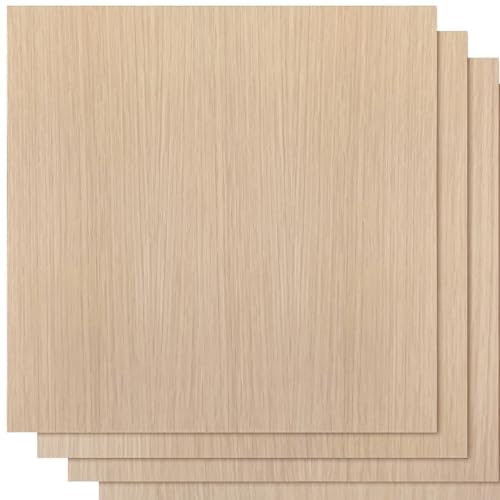 |
Proflex White Oak Plywood 6pcs, 1/8" x 12” x 12” Real WoodPRO FLEX | Also great | 1/8 in · White Oak · Smooth Sanded | $29.99
Price as of 9 Oct 2026
|
View |
 |
5 Pack Walnut Plywood Sheets 12x18x1/8 Inch, 3mm PlywoodVKIZA | Budget pick | 1/8 in · Walnut · 5-Pack | $27.99
Price as of 9 Oct 2026
|
View |
 |
Edge Supply Birch 3/4 inch X 50 ft Roll of Plywood EdgeEdge Supply | Pair with it | 50 ft · Birch · Pre-glued Veneer | $15.99
Price as of 9 Oct 2026
|
View |
Start with the cabinet part, then match the finish. That keeps you from paying for a premium sheet where a lower-cost panel will do the job, or buying a bargain sheet that fails at screws, edges, or paint quality.
How we chose
The ranking below uses four cabinet-specific criteria: core quality, face quality, moisture behavior, and how well it fits the finish you want.
We also weighed screw-holding needs, edge appearance, and how each panel type behaves in boxes, backs, doors, and shelves.
Finally, we favored sheets that fit common cabinet work: stable, predictable, and available in sizes and thicknesses that make installation easier.
Cabinet-grade hardwood plywood: best for most cabinet boxes
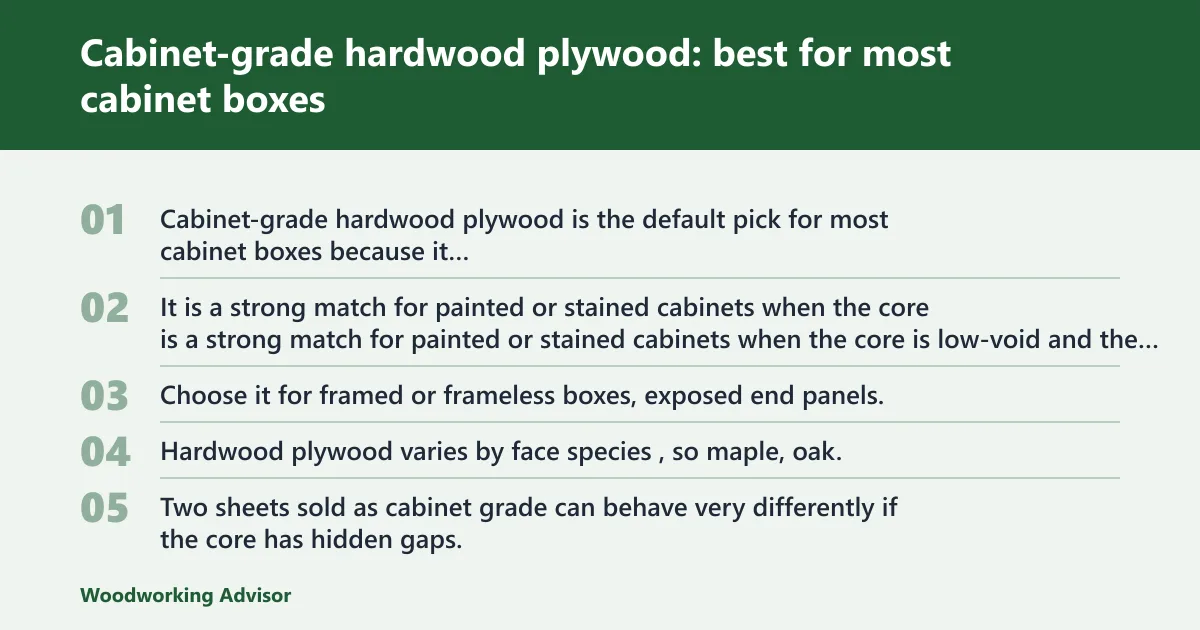
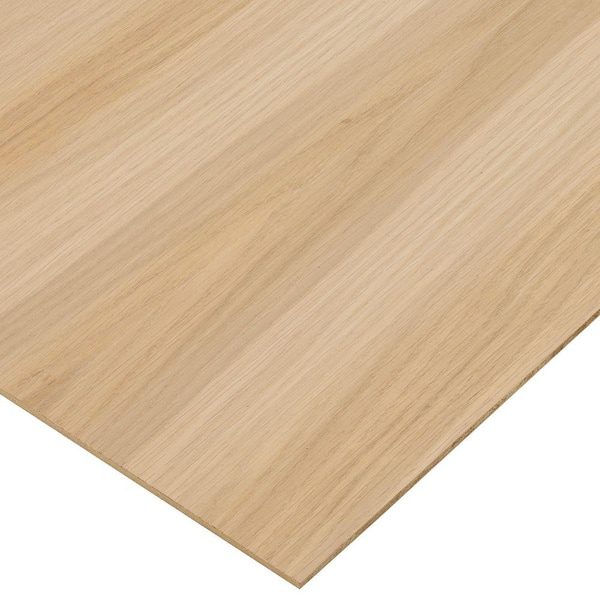
Cabinet-grade hardwood plywood is the default pick for most cabinet boxes because it gives you a smooth veneer face, better appearance on visible parts, and enough stability for everyday carcass work. It is a strong match for painted or stained cabinets when the core is low-void and the face veneer is consistent.
Choose it for framed or frameless boxes, exposed end panels, and shelves that need a clean edge. Hardwood plywood varies by face species, so maple, oak, and cherry all fit different looks without changing the basic cabinet-building workflow.
The main drawback is quality spread. Two sheets sold as cabinet grade can behave very differently if the core has hidden gaps, the veneer is thin, or the plies are not well bonded. Check edges at the store before you buy.
Why it fits painted or stained cabinet boxes
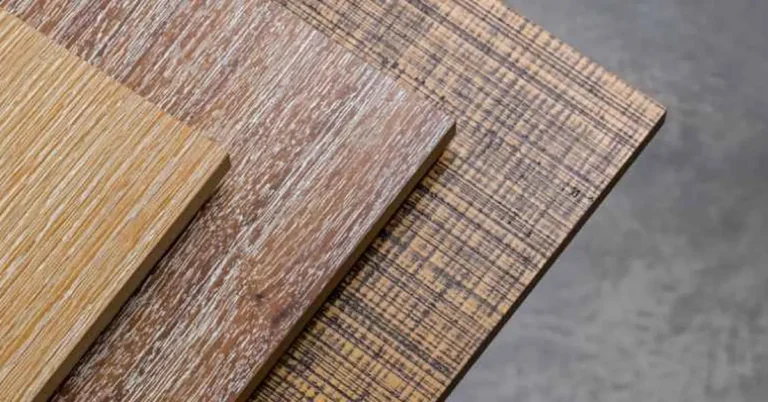
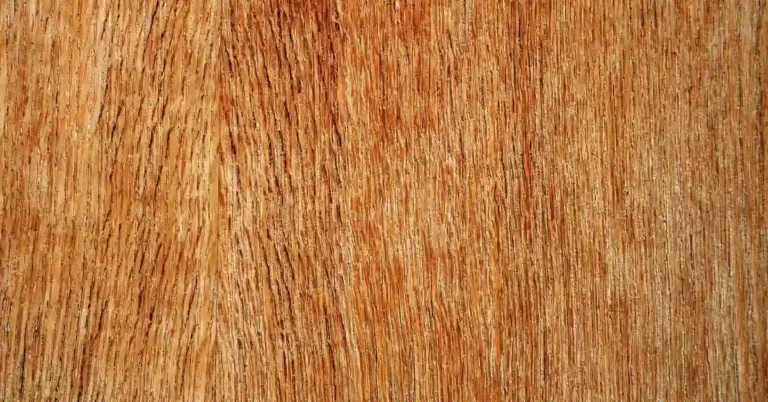
Cabinet-grade hardwood plywood works for both paint and stain, but the better face veneer matters more than the species name alone. A clean veneer face sands more evenly, shows fewer patches after primer, and gives you a better chance at consistent stain absorption.
For paint, you want a smooth, defect-free face. For stain, you want a face species whose grain pattern matches the room and a veneer that is thick enough to tolerate sanding without burn-through.
What veneer grade and core quality to check
Look for a face veneer with few repairs, minimal overlap, and no telegraphed grain defects near the edge. Then check the core. Plywood core quality affects edge chipping, screw holding, and how much confidence you have when you rout a dado or drill hinge cups.
A low-void or void-free core is the safest choice for cabinet work. Voids can leave weak spots at fasteners and create brittle edges that chip during machining.
Baltic birch plywood: best for heavy-duty boxes and shelves
Baltic birch is often a good call when screw-holding and all-ply stability matter more than face species. Its multi-ply construction gives you consistent edges and a reputation for dependable joinery, which is why it shows up often in cabinet and furniture work.
Use it for heavy box sections, drawer parts, wide shelves, and places where repeated fastening matters. The all-ply structure is especially useful when you want cleaner dados and less surprise at the edge.
The downside is cost and weight. It is a premium sheet compared with many standard hardwood panels, and the extra plies can add mass to a finished cabinet run.
Why all-ply construction matters for screws and edges
More uniform plies usually mean fewer weak pockets at the edge and better resistance to blowout during cutting. That helps when you drive screws near the panel edge or cut joinery that exposes the core.
It also helps with cabinet longevity. A more even core is less likely to surprise you with a soft patch under a hinge screw or shelf pin line.
When the extra weight and cost make sense
Choose Baltic birch when the cabinet will carry heavy dishes, files, tools, or hardware, or when the design leaves more plywood visible at the edge. It is also a smart pick for premium furniture-style cabinets where clean joinery matters as much as face appearance.
If the cabinet is large and the install will already be tight, remember that extra panel weight affects handling, leveling, and hinge adjustment.
MDO/HDO plywood: best for painted cabinets in humid spaces
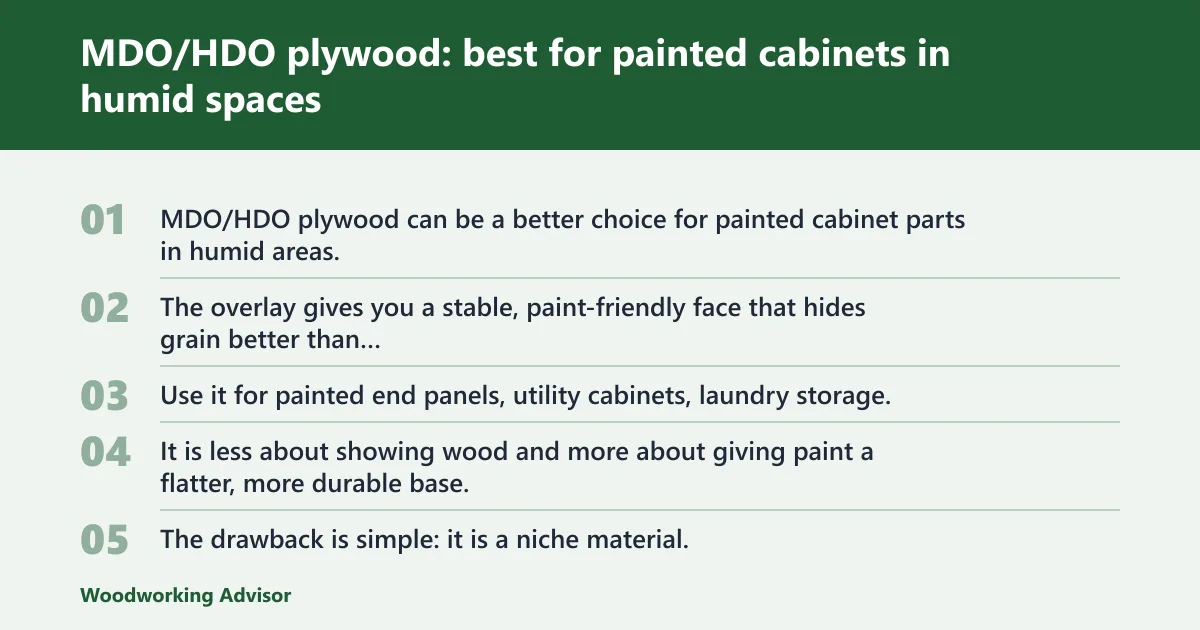
MDO/HDO plywood can be a better choice for painted cabinet parts in humid areas, especially where wear resistance and a smoother paint surface matter. The overlay gives you a stable, paint-friendly face that hides grain better than standard hardwood plywood.
Use it for painted end panels, utility cabinets, laundry storage, or bathroom cabinetry where moisture exposure is higher. It is less about showing wood and more about giving paint a flatter, more durable base.
The drawback is simple: it is a niche material. If you want a stained wood look, MDO/HDO is the wrong starting point, and you may still need careful edge treatment for a finished cabinet build.
Why the overlay helps paint and wear resistance
The face overlay sands and paints well, and it is designed to take finishing better than a raw construction-grade surface. That makes touch-up easier and gives the cabinet a cleaner painted look with less telegraphing from the substrate.
In cabinet work, that matters where doors close against frames, where toe-kick abuse is common, and where moisture wipe-downs are routine.
Where it fits better than standard hardwood plywood
Pick MDO/HDO over standard hardwood plywood when paint is the only finish goal and the cabinet will see more humidity or cleaning. It is a better fit for utility areas, bath vanities, and other painted installations where the face surface is more important than visible wood grain.
What plywood is best for cabinet boxes?
For cabinet boxes, cabinet-grade hardwood plywood is usually the best all-around choice, with 3/4-inch sheet goods for carcasses and 1/4-inch for backs. Choose a low-void core so the box stays square, screws hold well, and the edges do not chip during cutting or assembly.
Box rigidity and thickness choices
Many cabinet boxes use sheet goods like plywood, MDF, or similar materials, and plywood is often a strong default because it is lighter than solid wood and easier to install. Common cabinet thicknesses are 3/4-inch for sides, tops, bottoms, and shelves, with 1/4-inch or similar backs.
Use thicker material when the span is wide, the shelf load is heavy, or the hardware depends on stiffness. Thin panels save weight, but they can sag and make hinge and drawer alignment harder.
Back panels, stretchers, and carcass layout
A stiffer back panel helps square the box during formal cabinet installation. That matters because level cabinets make hinge alignment, drawer fit, and door reveals much easier to tune.
Stretchers and fixed shelves can also add rigidity, but they should not be used to excuse a weak core. If the sheet has voids or loose internal plies, the whole carcass becomes harder to trust.
What plywood is best for painted cabinets?
For painted cabinets, MDO/HDO is often the best paint-first choice, with cabinet-grade hardwood plywood close behind if the face veneer is smooth and the core is sound. Paint rewards flatness, stable edges, and surfaces that sand without fuzzy patches or hidden voids telegraphing through the finish.
Paint-first veneer grades
Look for a smoother face veneer and fewer repair patches than you would tolerate on a utility panel. A paint grade does not need decorative grain, but it does need a surface that primes evenly and does not open up at the edge after sanding.
If you want the paint film to look clean under side light, MDO/HDO is the safer path. Standard hardwood plywood can still work, but it usually needs more prep at the seams and edges.
Edge sealing and sanding before finish
Cabinet edges can make plywood visible in a kitchen design, so edge banding or another edge treatment is often needed on exposed parts. Sand the face lightly, seal cut edges, and pay attention to glue squeeze-out before primer goes on.
Say your cabinet side is 24 by 30 inches and one long edge is exposed. A rough edge will telegraph through paint much faster than a smooth, sealed edge, especially near under-cabinet lighting.
Which one should you buy?
If you want one simple rule, buy cabinet-grade hardwood plywood for most cabinet boxes, Baltic birch for heavier-duty joinery and shelves, and MDO/HDO for painted cabinets in damp or high-wear spaces. Match the sheet to the part, then match the face to the finish.
Best choice by budget
On a budget, cabinet-grade hardwood plywood is the practical default. It gives you the cabinet look and the dimensional stability you need without paying for all-ply construction everywhere.
A common first-timer mistake is spending on decorative face veneer for hidden parts and then saving money on a weak core. That trade usually backfires when screw holes strip or edges chip during assembly.
Best choice for kitchens and baths
For kitchens and baths, choose better core quality first, then add moisture protection at cut edges and seams. Plywood can absorb a small amount of moisture without bending or warping, but it still needs sealing where water can sit or steam can collect.
Solid wood is more prone to moisture problems than plywood, which is why sheet goods are so common in cabinet boxes. Even so, no panel should be left with raw edges in a humid sink base or vanity.
For premium cabinets, Baltic birch is the best structural pick when the edge will be visible or the cabinet will take repeated hardware loads. If the look is stained, choose a face species that matches the rest of the room; if it is painted, spend more on the core and less on decorative grain you will cover anyway.
Suppose you are building a 30-inch pantry cabinet with adjustable shelves and concealed hinges. A stiffer, cleaner core makes hinge alignment easier and reduces the chance of shelf sag after the cabinet is loaded.
What is the best plywood for cabinet making?
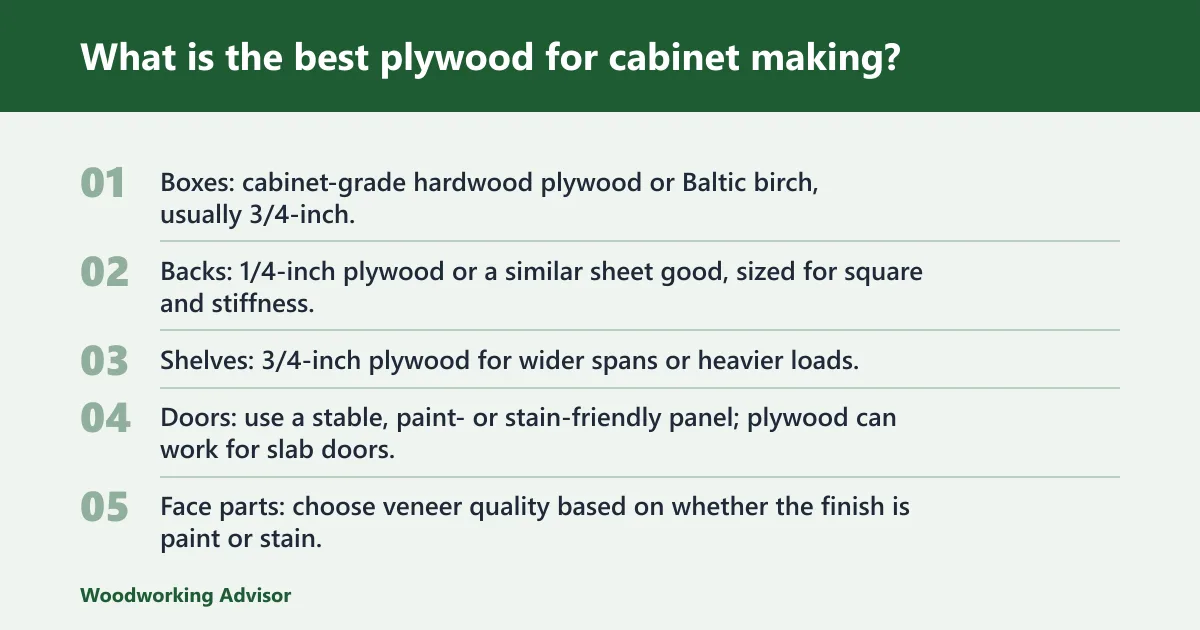
For cabinet making, cabinet-grade hardwood plywood is the safest starting point because it fits most carcasses, shelves, and exposed panels without forcing a special workflow. Use Baltic birch when screw-holding, edge quality, and all-ply construction matter more than face species or cost.
Part-by-part guidance
- Boxes: cabinet-grade hardwood plywood or Baltic birch, usually 3/4-inch.
- Backs: 1/4-inch plywood or a similar sheet good, sized for square and stiffness.
- Shelves: 3/4-inch plywood for wider spans or heavier loads.
- Doors: use a stable, paint- or stain-friendly panel; plywood can work for slab doors, but it is not the only choice.
- Face parts: choose veneer quality based on whether the finish is paint or stain.
Store-floor warning signs to reject
- Visible voids at the edge.
- Loose plies or gaps between layers.
- Edges that chip or crumble when lightly handled.
- Face veneer with patches, burn marks, or broken grain.
- Delamination, bubbling, or separated layers near corners.
- Sheets that bow badly before you cut them.
Frequently asked questions
what is the best plywood for cabinets
Cabinet-grade hardwood plywood is usually the best plywood for cabinets because it balances appearance, stability, and availability. For most builds, 3/4-inch sheets for boxes and 1/4-inch backs give you a practical starting point. Choose a low-void core if you want better screw holding and cleaner edges.
what is the best plywood for cabinet boxes
The best plywood for cabinet boxes is cabinet-grade hardwood plywood with a stable core, or Baltic birch if you need more uniform plies and stronger edge performance. For most homeowners and DIY builders, the cabinet-grade option is the easier fit because it is common, versatile, and easier to finish.
what is the best plywood for cabinet doors
For cabinet doors, the best plywood is usually a high-quality, flat sheet with a smooth face veneer and stable core, especially for slab-style doors. If the doors are painted, a smoother paint-grade panel such as MDO/HDO can work well. Avoid sheets with voids because door edges show flaws quickly.
what is the best plywood for kitchen cabinets
The best plywood for kitchen cabinets is cabinet-grade hardwood plywood for most carcasses, with moisture protection at cut edges and joints. If the kitchen is humid or the cabinets will be painted, MDO/HDO is a strong option for exposed parts. Baltic birch is the premium structural choice.
what is the best plywood for painted cabinets
MDO/HDO is often the best plywood for painted cabinets because its overlay gives you a flatter paint surface and better wear resistance. If you use cabinet-grade hardwood plywood instead, pick a sheet with a clean face veneer, sand it carefully, and seal every exposed edge before priming.
what kind of plywood do you use for kitchen cabinets
For kitchen cabinets, use cabinet-grade plywood for the boxes and backs, then choose the face veneer based on the finish. In humid areas, better core quality and sealed edges matter as much as the species name. That helps reduce swelling, warping, and finish failure over time.
Sponsored / affiliate links. As an Amazon Associate I earn from qualifying purchases. I may earn additional commission from eligible campaigns.
 Baltic Birch Plywood Sheets Box of 45 - Laser Engraving Cutting, Scroll Saw Nature Veneer Color, Stronger Than Basswood, A/A Grade,12 x 12 x 1/8”, 3mm Thickness Perfect for Wood Burning
 Baltic Birch Plywood 1/8'' x 12'' x 18'', 6 Pack, B/BB Grade, Void-Free Core, Laser Cutting Ready, Flat Sheets for CNC, Engraving, DIY Crafts, Art Painting, Wood Burning, Staining