Best Clear Coat for Outdoor Wood Furniture (2026): We Compared
For outdoor wood furniture, the best clear coat is TotalBoat Gleam Marine Spar Varnish when the piece lives in full sun or sees regular weather. Its flexible spar-varnish film and UV blockers fit exposed furniture better than harder interior finishes, while a penetrating finish is the lower-maintenance choice if you can live without a true topcoat.
Quick comparison
| Product | Badge | Best for | Price | ||
|---|---|---|---|---|---|
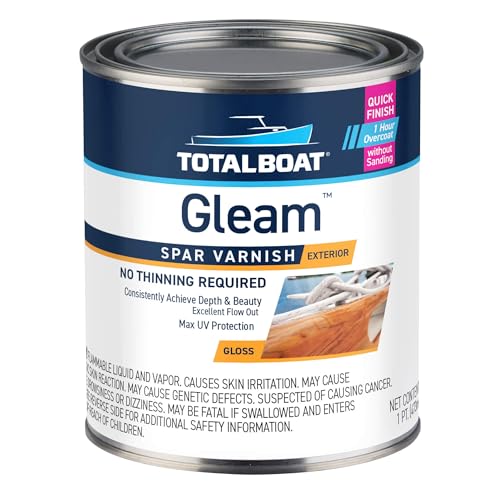 |
TotalBoat Gleam Marine Spar Varnish for Boats & OutdoorTotalBoat | Our pick | Pint · Oil-Based · Gloss | $30.99
Price as of 29 Oct 2026
|
View |
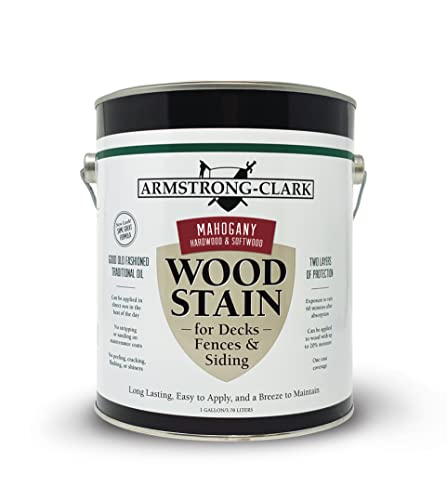 |
Armstrong-Clark Oil-Based Wood Stain for Decks, Fences,Armstrong-Clark | Upgrade pick | 1 Gallon · Oil-Based · Mahogany | $94.95
Price as of 29 Oct 2026
|
View |
This comparison is built around exposure, upkeep, and wood type. Use it to sort a covered patio chair from a full-sun dining set before you think about brand names.
How we chose
The picks below come from manufacturer specs, listing details, and published buyer feedback. Priority went to UV protection, moisture resistance, outdoor compatibility, recoat behavior, and maintenance tolerance.
The list keeps finish families separate so you can compare real options, not labels that sound similar but behave differently outdoors.
- TotalBoat Gleam Marine Spar Varnish for exposed outdoor furniture that needs UV blockers and a flexible film.
- Armstrong-Clark Oil-Based Wood Stain for owners who want a penetrating exterior finish and lower-maintenance upkeep, even though it is not a true clear coat.
| Pick | Best for | Key facts from listing | Price |
|---|---|---|---|
| TotalBoat Gleam Marine Spar Varnish | Full sun, rain, and furniture that needs a flexible exterior film | Premium tung oil, UV blockers, flexible finish that helps prevent peeling or cracking | $30.99 |
| Armstrong-Clark Oil-Based Wood Stain | Maintenance-first owners who prefer penetration over film build | Advanced conditioning oils, exterior use on wood surfaces, can be applied in direct sunlight and warm temperatures | $94.95 |
TotalBoat Gleam marine spar varnish: best for full sun
If your furniture sits where sunlight and weather hit it directly, this is the stronger fit. Based on the published product details, TotalBoat Gleam uses premium tung oil and UV blockers, and its flexible finish is meant to resist peeling or cracking on above-waterline exterior wood.
Outdoor wood fails from more than sun alone. Sun, water, humidity, and temperature swings work together, so a rigid film can split at joints and edges first. A spar varnish is built for that movement better than a harder interior finish.
Use this on chairs, tables, and rails that need a glossy marine look and stronger weather tolerance. It is also the better choice if you want a traditional varnish appearance with more protection than a maintenance-only penetrating finish.
The drawback is upkeep. Spar varnish still needs regular inspection, and if you let the film age too long, you can see chalking, edge checking, or peeling where moisture and movement concentrate.
Why it fits exposed furniture
This product belongs near the top when the furniture is out in the open. UV blockers matter here, because the label should state that the finish is meant to slow fading, greying, and film breakdown under full-sun exposure.
It is also a better match for pieces with end grain, joints, or slatted construction, where moisture can enter fast and movement can stress the coating. A flexible film gives you more margin than a brittle clear coat.
Failure mode to watch
When maintenance slips, the failure usually starts at thin edges, corners, and joints. The finish can lose elasticity, then crack or peel in patches. If water reaches the wood under the film, adhesion drops fast and recoating becomes more involved.
Armstrong-Clark oil-based wood stain: best for maintenance-first use
This is the lower-maintenance choice for owners who care more about easy renewal than a clear film. Armstrong-Clark is a penetrating exterior finish, so it soaks into wood fibers instead of building a hard surface coat, and that lowers the risk of peeling.
That tradeoff matters. Penetrating finishes usually breathe better and are easier to refresh, but they do not give the same abrasion resistance or surface build as a true varnish. For some outdoor pieces, that is the point.
It can suit cedar, teak, and other woods where repeated film build is not the goal. It also makes sense for furniture you want to keep simple to maintain, even though it is not a clear topcoat in the usual sense.
The drawback is obvious: less surface build means less protection against scuffs and less of the glossy, furniture-grade look many buyers want. You will need to reapply more often to keep water repellency where you want it.
Why it fits easy upkeep
A penetrating sealer or oil finish absorbs into the fibers and leaves a breathable barrier. That can reduce peel risk on outdoor pieces that move a lot with weather changes, especially where the owner prefers simple reapplication over sanding failed film.
For maintenance-first users, that is a practical advantage. You are trading maximum film life for easier renewal and lower drama when the coating ages.
Failure mode to watch: the common failure is not
The common failure is not peeling. It is wearing thin, especially on horizontal surfaces and high-touch areas. Once the water repellency fades, rain exposure and UV can push the wood toward greying and surface dryness unless you recoat on schedule.
Which clear coat fits your outdoor furniture?
Use this matrix to match finish family to real conditions. The best choice changes with sun, rain, wood type, sheen preference, odor tolerance, and how often you want to maintain the piece.
| Condition | Recommended finish family | Failure mode to watch |
|---|---|---|
| Full sun, direct weather, uncovered seating | Marine spar varnish with stated UV blockers | Greying, chalking, or edge checking if UV protection is weak or maintenance slips |
| Covered patio, light splash, occasional condensation | Water-based polyurethane or spar varnish | Peeling at joints if the film is too rigid or surface prep was weak |
| Frequent rain, temperature swings, open-air placement | Flexible spar varnish | Water intrusion at end grain and seam lines if the coating breaks down |
| Cedar, redwood, or other porous softwood | Penetrating sealer or spar varnish | Moisture soak and uneven film adhesion on thirsty grain |
| Teak or other oily hardwood | Penetrating finish or marine varnish after thorough prep | Poor adhesion or poor recoat bonding if oils remain on the surface |
| Pressure-treated pine | Penetrating sealer or spar varnish after drying and degreasing | Blistering or flaking if trapped moisture stays in the wood |
| Gloss look with the highest film build | Oil-based spar varnish | Visible scratches and peel lines if the finish ages too long before recoating |
| Satin, lower-glare appearance | Satin spar varnish or satin water-based polyurethane | Slightly lower apparent depth; a flatter look can hide wear less well over time |
| Low-VOC or odor-sensitive indoor-outdoor area | Water-based polyurethane for sheltered furniture | Limited exterior life compared with spar varnish in full sun |
| Maintenance-first, easy reapplication | Penetrating sealer | Less abrasion resistance and more frequent refresh cycles |
Why the matrix separates wood type
Teak, cedar, and pressure-treated pine do not behave the same way. Teak brings natural oils, cedar moves and weathers quickly, and pressure-treated pine can hold moisture longer, so the finish has to match the wood’s surface behavior as well as the weather exposure.
What is the best clear coat for outdoor wood furniture?
The best clear coat for outdoor wood furniture is a marine spar varnish when the piece faces real weather, especially sun and rain. If the furniture sits under cover, a water-based polyurethane can work for lower odor and faster drying, but it is a narrower choice outdoors. Penetrating finishes fit owners who value easy upkeep more than a hard film.
For a clear film, UV blockers matter. The label should say the finish is intended for exterior use and should mention UV absorbers or stabilizers, because those ingredients help slow greying, fading, and coat breakdown in full sun.
Gloss, satin, semi-gloss, and dead flat
Gloss usually gives the strongest depth and the most classic varnish look. Satin and semi-gloss soften glare, but the tradeoff is mostly appearance, not extra durability; the protection comes from chemistry, build, and maintenance. Dead flat is the most muted look, yet it can show wear sooner on outdoor furniture because you lose some visual depth.
Should I use a spar varnish or polyurethane on outdoor furniture?
Use spar varnish for exposed outdoor furniture. Use polyurethane only when the piece is sheltered, the surface sees less direct weather, and you want faster dry time or lower odor. For outdoor use, spar varnish usually handles movement and moisture swings better because it stays more flexible.
Water-based polyurethane can be used outside in limited settings, but it is not the first choice for full sun or regular rain. It dries faster, cleans up with water, and usually stays clearer over time, yet exterior durability is lower than a proper spar varnish. Oil-based polyurethane adds more warmth and scratch resistance, but it still suits sheltered furniture better than fully exposed pieces.
What failure looks like on each finish
Spar varnish tends to fail by chalking, checking, or peeling when upkeep is delayed. Polyurethane tends to fail by peeling or poor recoat adhesion if the film gets too old or the prep was weak. In both cases, water at joints and end grain makes the problem worse.
What finish works best for full-sun outdoor furniture?
For full-sun outdoor furniture, a marine spar varnish with stated UV blockers is often a good fit. Sun exposure drives greying and film breakdown faster than most owners expect, so the finish needs both UV resistance and enough flexibility to move with the wood as temperatures change.
If the furniture will live in direct sun year-round, choose a finish family that is meant to be renewed before failure, not after it. That is the difference between scheduled maintenance and a peeling repair job.
Why the label matters
Do not assume every exterior clear coat has meaningful UV protection. Look for UV absorbers or stabilizers on the label, because that is the part that helps protect both the wood color and the coating itself. Without that, the finish can break down even if it still beads water for a while.
How many coats does an outdoor clear finish need?
Most outdoor clear finishes need enough coats to build a continuous film, especially on exposed wood, but the exact count depends on the product and the substrate. Follow the manufacturer’s listing for coat count and recoat timing; for outdoor work, missed prep or rushed recoating usually causes more trouble than the number itself.
Surface prep matters before the first coat and between coats. Clean the wood, remove grease, sand lightly, and make sure the existing finish is compatible with the next coat. Poor adhesion often starts with dust, oil, or a glossy old surface that was not broken properly.
Prep steps that matter most
- Clean the surface to remove dirt, mildew, and loose residue.
- Degrease oily woods such as teak before coating.
- Sand lightly so the next coat has mechanical grip.
- Wipe away dust before recoating.
- Check that the finish family is compatible with the previous coat.
A common first-timer mistake is coating a dusty, shiny surface and expecting the new film to bond anyway. That usually shows up later as peeling along edges or poor recoat adhesion at the first stress point.
Can I use a water-based clear coat outside?
Yes, but only in limited outdoor situations. A water-based clear coat can work on covered patios, shaded furniture, or pieces that need low odor and fast dry time more than maximum weather life. It is a weaker choice for direct sun, hard rain, and temperature swings.
Water-based polyurethane is attractive because it dries faster, cleans up with water, and usually stays non-yellowing. The limitation is exterior durability. For furniture that sees weather, spar varnish or a penetrating maintenance plan is usually the safer path.
When water-based makes sense
Choose it for a screened porch, a covered bench, or a project where odor sensitivity matters. If the furniture is only lightly exposed, the convenience can outweigh the shorter exterior life.
Choose something else if the piece is in full sun or takes rain on the top rail. That is where the coating needs more UV protection and more flexibility than many water-based clears can provide.
Which one should you buy?
Choose TotalBoat Gleam Marine Spar Varnish if your furniture is in full sun, gets rain, or needs a true clear film with better exterior behavior. Choose Armstrong-Clark Oil-Based Wood Stain if you want easier maintenance and can accept a penetrating finish instead of a clear topcoat.
If you want the most durable clear finish for outdoor wood, the answer is still a flexible marine spar varnish used with good prep and regular upkeep. If you want the easiest upkeep, a penetrating finish wins. If you want lower odor and faster dry time, water-based polyurethane belongs only on sheltered furniture.
For teak, start with a penetrating option only if you are comfortable refreshing it often. For cedar, spar varnish usually gives more surface protection, but only if you keep up with inspection. For pressure-treated pine, let the wood dry fully, then choose the finish based on how much sun and rain the piece will face.
Scenario examples
Suppose your teak bench stays on a patio and only catches occasional drizzle and sun after you apply a clear coat. A water-based polyurethane can make sense here because odor and dry time matter, yet the exposure is limited enough that you are not asking the finish to survive full sun and standing moisture.
Suppose your teak side table sits on an uncovered deck beside a grill. A penetrating finish will be easier to renew, but a flexible spar varnish will hold a clearer film longer if you are willing to keep up with recoating before the edges fail.
Frequently asked questions
What is the best clear coat for outdoor wood?
The best clear coat for outdoor wood is a marine spar varnish with UV blockers when the piece sees sun and weather. For sheltered pieces, water-based polyurethane can work, but its outdoor life is shorter. If you want the least upkeep, a penetrating finish is easier to renew, though it is not a true clear topcoat.
What is the best clear coat for outdoor furniture?
The best clear coat for outdoor furniture depends on exposure. For uncovered seating, choose a marine spar varnish. For covered furniture, a water-based polyurethane is acceptable if odor and dry time matter more than weather life. For maintenance-first owners, a penetrating sealer is often easier to keep up.
What is the best exterior clear coat for wood?
The best exterior clear coat for wood is a finish family that explicitly lists UV protection and exterior use. Marine spar varnish is the strongest all-around choice for exposed wood, while oil-based polyurethane is better reserved for sheltered furniture. Outdoor labels should mention moisture resistance and UV stabilizers.
What is the most durable clear coat for wood?
For outdoor wood, durability depends on both film strength and flexibility. A marine spar varnish is usually the most durable clear option for exposed furniture because it is built for UV, water, and movement. Harder interior-style clears can last well indoors, but they often fail faster outside.
What is the best clear coat for outdoor wood furniture: the best clear coat?
The best clear coat for outdoor wood furniture is marine spar varnish for exposed pieces and water-based polyurethane for covered pieces where low odor matters. If you want the easiest upkeep, a penetrating finish is worth considering, but it will not give the same hard, clear film.
What is the best clear finish for outdoor wood furniture?
The best clear finish for outdoor wood furniture is one that matches the furniture’s exposure and your maintenance tolerance. Spar varnish offers the best balance for full sun. Water-based polyurethane works in sheltered settings. Penetrating finishes are simpler to renew, but they need more frequent attention.
Sponsored / affiliate links. As an Amazon Associate I earn from qualifying purchases. I may earn additional commission from eligible campaigns.