Best MDF Saw Blades for Clean Cuts (2026): research shows
For MDF, use a carbide blade with 60 to 80 teeth for straight cuts. For a circular saw, around 60 teeth with an ATB grind is a practical target; on a table saw, many makers move to roughly 80 teeth or a fine finish-cut grind. For laminate-faced MDF, use a high-tooth-count blade or a triple-chip grind, and for curves use a fine-tooth jigsaw or a narrow-kerf blade. The wrong blade leaves fuzzy edges, chipped veneer, and extra sanding or scrap. This guide compares blade specs by cut type, saw type, and edge-failure risk so you can choose the right MDF blade fast.
This guide is part of our MDF board guide: properties, uses, and care series.
Quick comparison
| Product | Badge | Best for | Price | ||
|---|---|---|---|---|---|
 |
TWIN-TOWN 12-Inch 80-Tooth ATB Fine Finish Wood CuttingTWIN-TOWN | Upgrade pick | 12-Inch 80-Tooth ATB Fine Finish | $33.99
Price as of 12 Oct 2026
|
View |
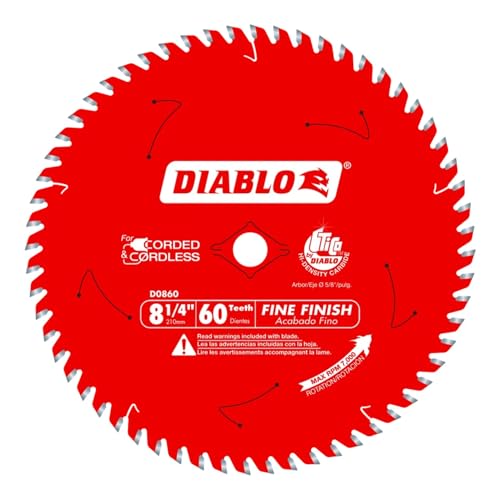 |
Diablo Fine Finish Saw Blade – 8-1/4 in Diameter, 60 ATBDiablo | Our pick | 8-1/4 in Diameter, 60 ATB Teeth | $48.14
Price as of 12 Oct 2026
|
View |
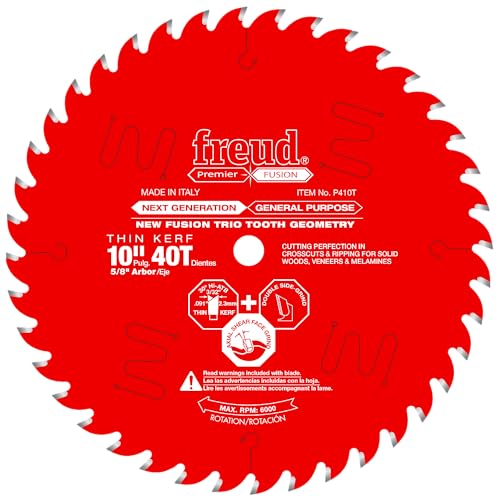 |
Freud 10" Thin Kerf Next Generation Premier Fusion GeneralFreud | Also great | 10" Thin Kerf 40-Tooth Fusion Trio | $66.24
Price as of 12 Oct 2026
|
View |
 |
CMT Orange Tools 256.050.10 – Combination Saw Blade D=10CMT ORANGE TOOLS | Pair with it | 10" Combination Saw Blade | View | |
 |
Keuaaao 50PCS Jigsaw Blades Set, Sharp and Durable T-ShankKeuaaao | Budget pick | 50PCS Jigsaw Blades Set | $6.99
Price as of 12 Oct 2026
|
View |
MDF is cheap and hard on edges. The fastest way to improve the cut is to match tooth count, grind, and saw type to the failure mode you want to avoid.
📊 The table saw MDF pick uses 80 teeth. Source: How to Cut MDF Without Chipping: Best Blade for Every Saw.
How we chose
The main filter was edge quality by cut type. Straight MDF cuts need a different blade geometry than laminate-faced MDF, and curved work needs a different blade again.
We also weighed kerf, tooth count, and saw load. Higher tooth count cuts cleaner, but it also slows feed rate and can add drag and dust load.
Dust control and respiratory safety also mattered. MDF makes fine binder dust, so the blade choice had to fit a setup that includes dust collection and a P100 respirator or proper dust mask.
Finally, we favored options that solve common failure cases: chipping, fuzzing, burning, and face tear-out. That keeps the choice tied to the cut you actually need, not a generic “fine finish” label.
Diablo Fine Finish 60 ATB: best for long straight cuts
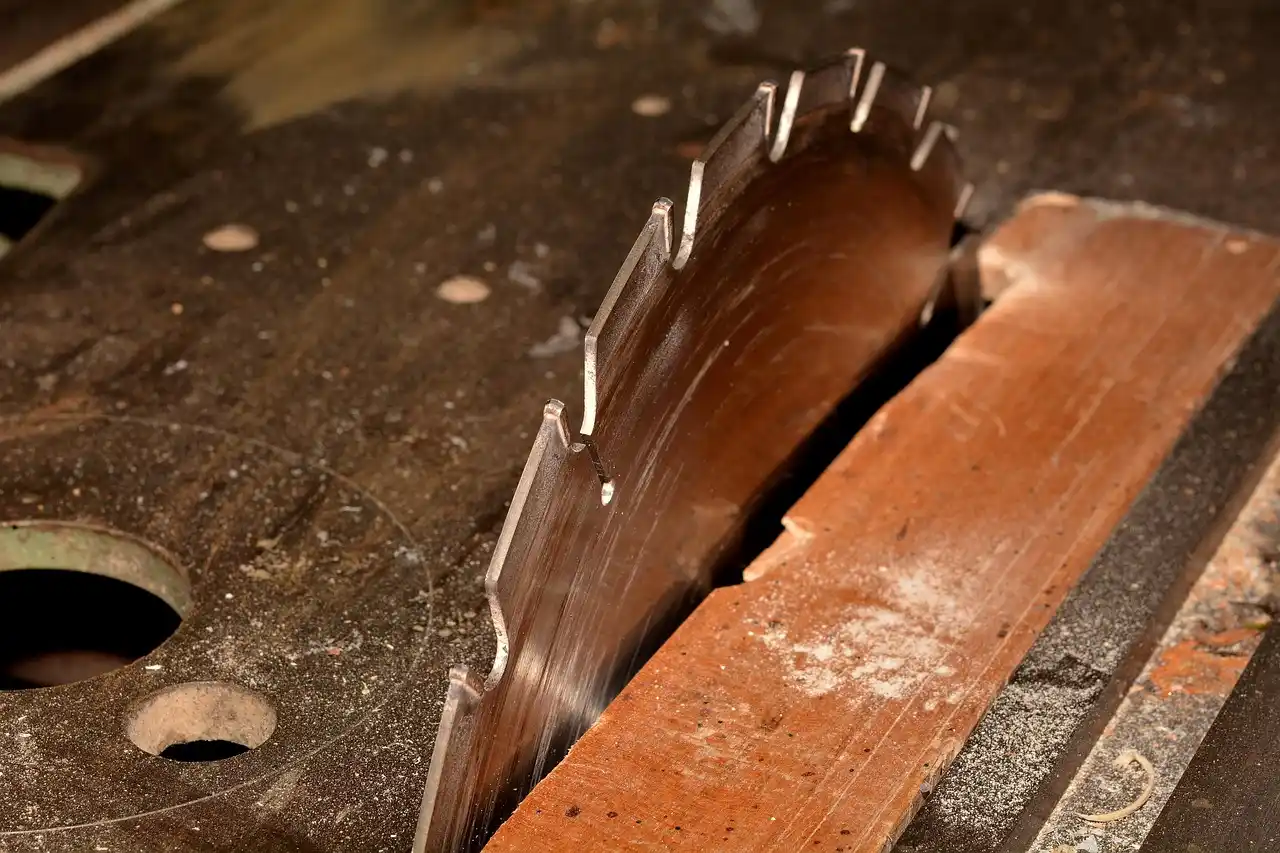
This is the safest all-around pick for long straight MDF cuts when chip risk matters more than speed. A 60-tooth carbide blade with an ATB grind matches the common recommendation for circular saw MDF work and fits the “straight cuts first” use case well.
It suits DIY sheet breakdown, shelving, and trim parts where you want a smoother edge without moving all the way into a slow, ultra-fine blade. Based on the spec sheet and reviews, the Hi Alternate Top Bevel grind is a good fit for reducing exit-side chipping on MDF.
The drawback is simple: it is not the best choice for curves, and it is not the cleanest option for laminate-faced boards. A 60-tooth blade still leaves some sanding, especially on cut edges that will be seen up close.
TWIN-TOWN 80-Tooth ATB: best for repeat shop cuts
This is a better match for repeat rip cuts and cabinet parts on a table saw, where the lowest chip risk matters more than feed speed. The 80-tooth carbide spec lines up with the table saw MDF pick, and the thin-kerf design helps on long sheet cuts.
It is aimed at clean, repeatable shop work. For cabinet sides, face-frame parts, and shelf parts that must match, an 80-tooth finish blade usually gives you the steadiest edge quality and the least cleanup.
The tradeoff is cutting resistance. More teeth mean a smoother edge, but they also slow the cut and can increase heat and dust if you push too hard through dense sheets.
Keuaaao jigsaw blade set: best for curves and cutouts
This is the right category for sink cutouts, outlet openings, and curved trim notches. A jigsaw with a fine blade, orbital action off, is the practical option when the cut is not straight, and laminate-faced MDF benefits from a down-cut style that leaves a cleaner top edge.
The set format is useful because different blade shapes cover different jobs. A fine blade helps keep the kerf narrow, which matters on brittle laminate faces and short inside curves where tear-out starts fast.
The drawback is that a jigsaw rarely leaves the same edge quality as a saw blade or router. Even with a good blade, you should expect more cleanup on visible edges.
Freud 10-inch thin-kerf Fusion blade: best for lower-power saws
This blade makes sense when you want less resistance from the saw and less material waste. A thin-kerf blade is useful on lower-power saws, long panel cuts, and jobs where blade drag matters as much as edge quality.
The Fusion Trio geometry is meant to balance crosscuts and rips, so it is more versatile than a pure finish blade. That makes it a practical choice for a general-purpose shop saw that sees MDF, plywood, and solid stock.
The drawback is that it is not the cleanest MDF-specific option in this group. With fewer teeth than a dedicated finish blade, it may leave more cleanup on visible edges and laminate faces.
CMT Orange Tools combination blade: best for mixed-material shops
This is the broadest shop option for users who cut MDF along with plywood and solid wood. The ATB plus flat-tooth layout gives you more versatility than a blade tuned only for one material.
It is a sensible fallback if you need one blade for varied tasks and cannot dedicate a saw to MDF alone. For routine cabinet work, that kind of all-purpose balance can be useful.
The drawback is that combination blades usually do not beat a purpose-built fine-finish blade on MDF edge quality. If your main problem is chipped MDF, a more tooth-dense option is the safer buy.
What saw blade is best for cutting MDF without chipping?
The best all-around MDF blade for straight cuts is a carbide blade in the 60-to-80-tooth range, with 60 teeth on a circular saw and 80 teeth on a table saw. For laminate-faced MDF, a higher tooth count or a laminate-specific grind does a better job of controlling face tear-out.
Why MDF chips at the edge
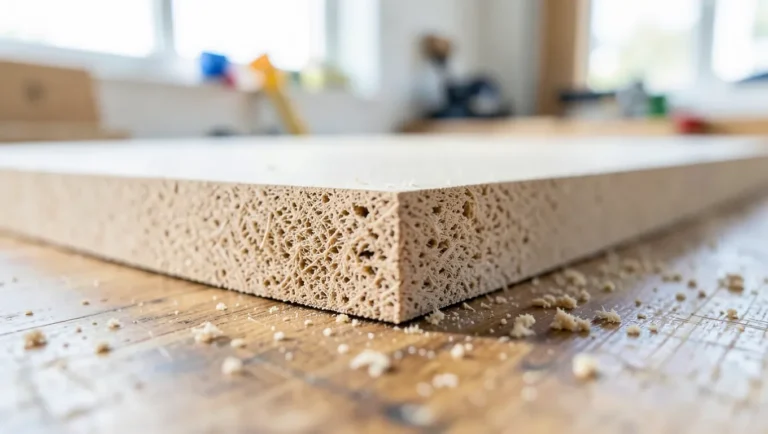
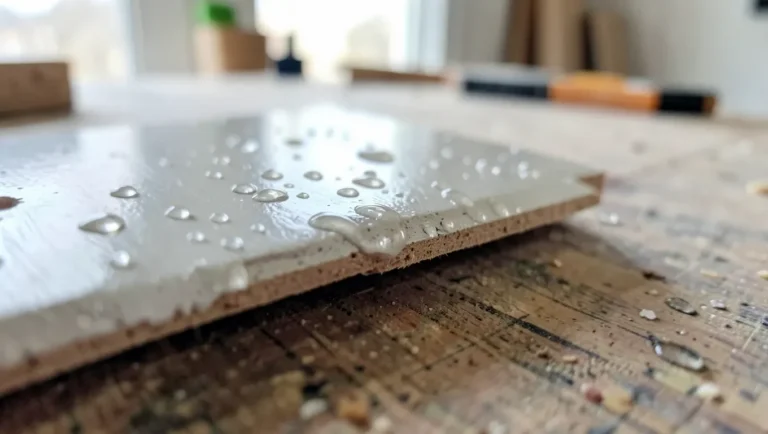
MDF is made from fine fibers and binder, so the cut edge can break down where teeth exit the board. Chips often start on the back side of a straight cut, where support is weakest and the blade is lifting fibers instead of shearing them cleanly.
Laminate-faced MDF fails differently. The top face can blow out if the teeth enter too aggressively, which is why down-cut jigsaw blades and laminate-specific saw blades reduce visible tear-out.
Tooth count versus speed
Higher tooth count usually means a smoother cut, but it slows the cut and can increase drag. One competitor says at least 20 TPI for a clean cut, which reflects the same basic rule: more cutting edges improve finish, but they do not make the saw faster.
That tradeoff matters on MDF sheets. A fast, coarse blade may get through the cut quickly, but it leaves more fuzzing, more cleanup, and a higher chance of chip-out.
How many teeth should a circular saw blade have for MDF?
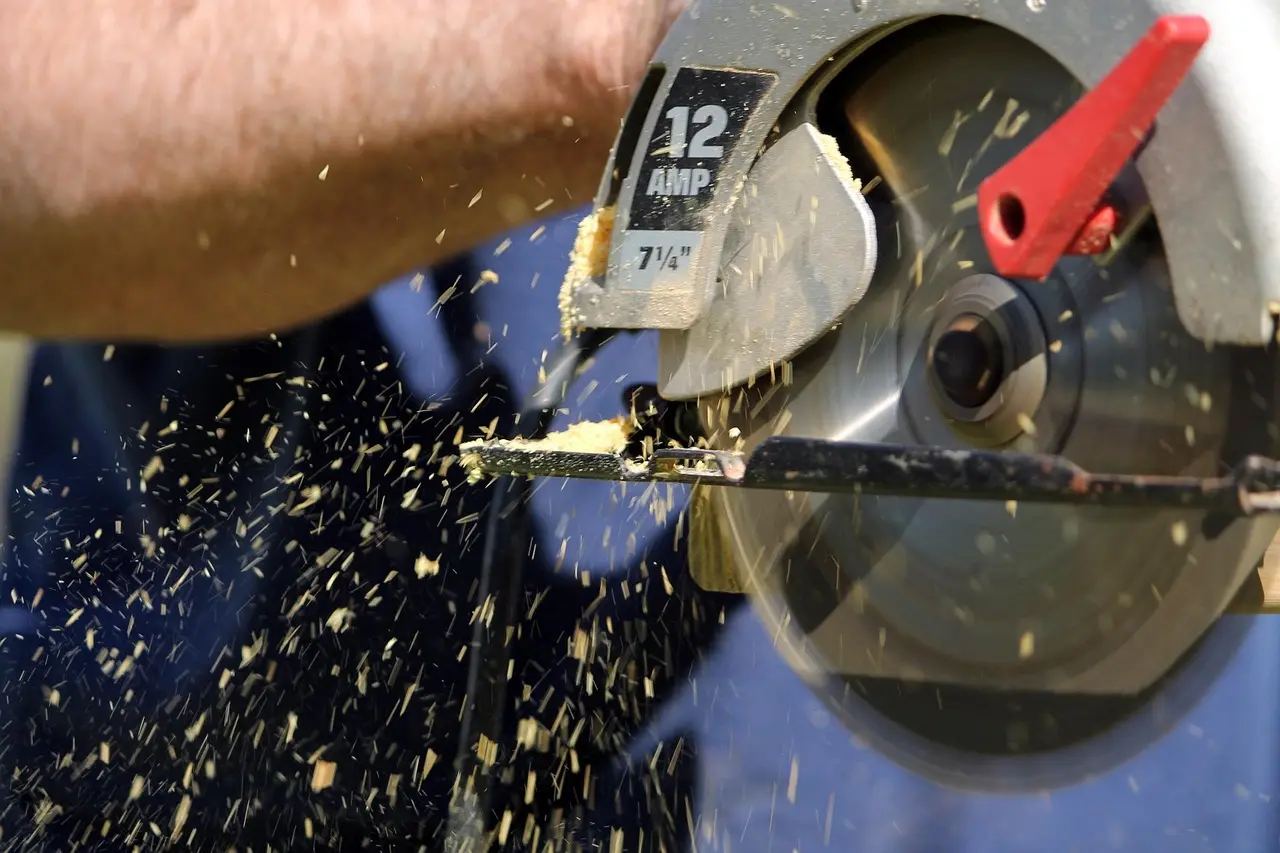
A circular saw blade should usually have 60 teeth for MDF when you want a clean straight cut without excessive slowdown. That tooth count is the practical middle ground for sheet breakdown, trim parts, and cabinet panels cut with a 7-1/4 inch saw.
When to go higher than 60 teeth
Move above 60 teeth when the edge will stay visible or when you are cutting laminate-faced MDF. More teeth reduce chipping, but they also demand more from the saw and can make feeding slower, especially on thicker stock.
Suppose you are ripping a 4 x 8 sheet into cabinet sides that will be edge-banded. A 60-tooth blade is usually enough, because the edge will be covered later and you get a good balance of speed and finish.
Is a table saw or circular saw better for clean MDF cuts?
A table saw is usually better for the cleanest repeat rip cuts, while a circular saw is better for long breakdown cuts on full sheets. Both do well with a 60-to-80-tooth carbide blade, but the table saw has the edge when you need the lowest chip risk on repeated parts.
Why the table saw wins for repeat parts
The workpiece stays supported and the fence keeps the feed path stable. That setup helps control exit-side chipping, which is one of the main reasons MDF edges fail on handheld straight cuts.
An 80-tooth carbide table saw blade, preferably thin-kerf or finish-cut spec, is the best choice when you are making repeated rip cuts for cabinet parts or shelving.
When the circular saw is the better tool
For sheet breakdown, the circular saw is usually more practical. A 7-1/4 inch, 60-tooth carbide blade with an ATB grind is a strong choice for long straight cuts with low chip risk, especially when you use a straightedge guide.
What blade should I use to cut laminated MDF without tear-out?
For laminated MDF, use a fine down-cut jigsaw blade for curves and a high-tooth-count carbide blade for straight cuts. Laminate faces chip on the top surface if the teeth enter too aggressively, so you want a blade geometry that supports the face instead of lifting it.
Down-cut blades for curves and cutouts
The jigsaw laminate pick is a Bosch Special-for-Laminate blade. A down-cut blade pushes the cut fibers down into the board and leaves a cleaner top face, which is useful on visible laminate edges and small cutouts.
Keep orbital action off. Orbital motion speeds cutting in soft material, but it usually increases tear-out on laminate and makes the edge harder to clean up.
When a router beats a saw
A router with a straight bit and a clamped straightedge produces the cleanest MDF edge. The common method is 2-3 light passes rather than one deep pass, which reduces chatter and leaves a more consistent edge on grooves, dados, and exposed edges.
Picture a 3/4-inch laminated shelf with a front edge that will stay exposed. A saw can size it, but a router pass on a straightedge often gives the cleanest visible edge and the least touch-up.
How do I reduce fuzzy edges when ripping MDF sheets?
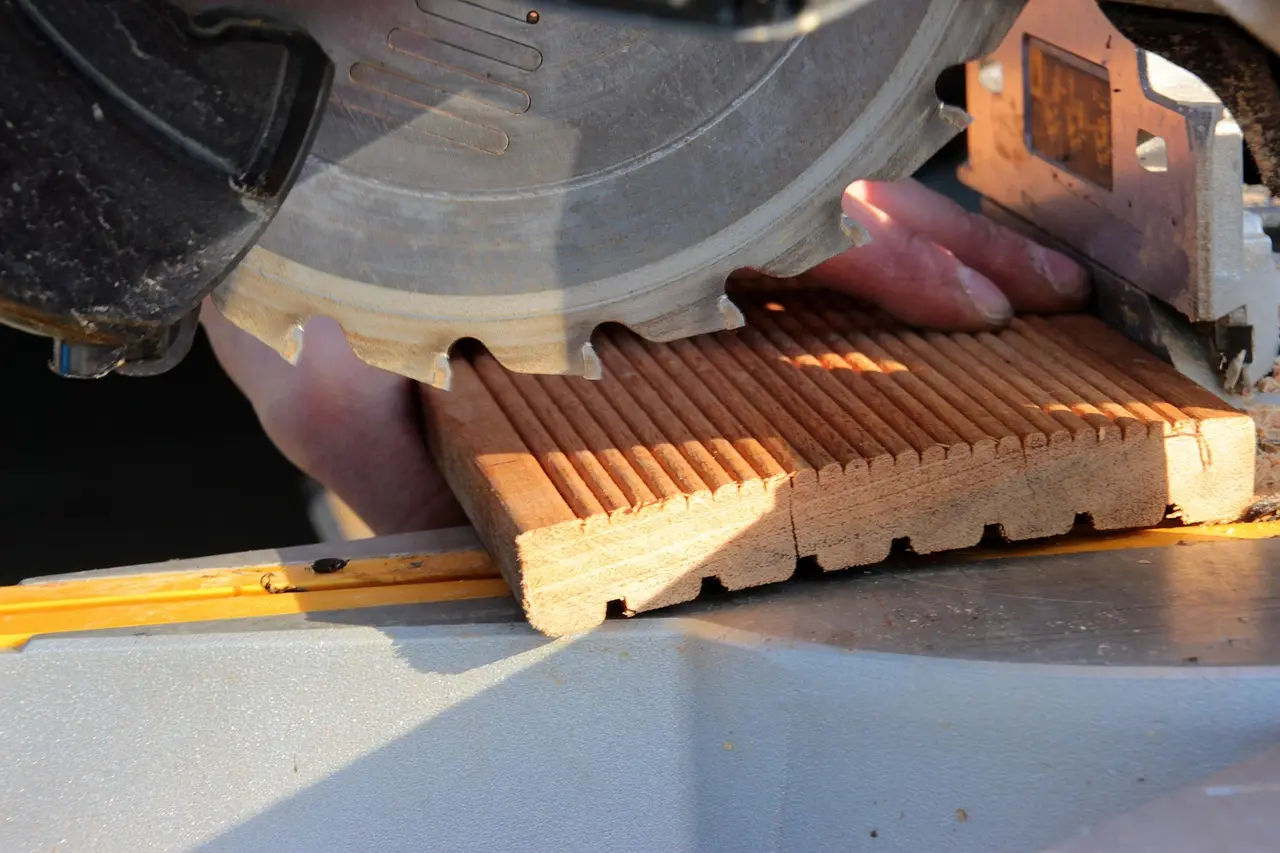
Fuzzy edges usually mean the blade is cutting too aggressively or the tooth geometry is wrong for MDF. Use a higher tooth count, choose a fine carbide blade, and slow the feed just enough to keep the cut stable without burning the edge.
Check the blade geometry first
The wrong tooth count is the number-one cause of chipped MDF edges. For straight cuts, a 60-tooth circular saw blade or an 80-tooth table saw blade is the safer place to start than a coarse framing blade.
One competitor says MDF blades should be carbide-tipped because of glue content, and that same guidance favors a high or positive hook angle for the material. In practice, MDF usually does better with a less aggressive setup than a framing-style blade, because aggressive hook can increase tear-out and edge damage.
Use the right kerf for the saw
Thin-kerf blades reduce material waste and power draw. That helps on lower-power saws, and it can make long sheet cuts easier to control. A thinner kerf also leaves less material to remove, which can reduce load on the saw motor.
Full-kerf blades can still be useful on heavier saws that have enough power to keep feed speed steady. If the saw bogs down, a thin-kerf blade may produce a cleaner result simply because the cut stays more controlled.
Seal the edge after cutting
MDF cut edges often need sanding, sealing, or finishing after the cut. That is especially true on exposed edges, because the fibers stay open and can drink finish unevenly if you skip this step.
MDF blade selection table and failure-mode checklist
The table below ties saw type and blade geometry to the edge problem you are trying to avoid. Use it as a quick match between cut type, finish level, and blade load.
| Saw type | Tooth count | Grind | Kerf | Best use | Expected edge quality |
|---|---|---|---|---|---|
| Circular saw | 60 teeth | ATB | Thin-kerf or standard finish | Long straight cuts | Good, low chip risk |
| Table saw | 80 teeth | Finish-cut or fine ATB | Thin-kerf | Repeat rip cuts | Very good, lowest chip risk |
| Jigsaw | Fine blade, down-cut style | Down-cut | Narrow kerf | Curves and cutouts | Fair to good on laminate faces |
| Router | Straight bit, not tooth count | Straight bit with guide | Small removal per pass | Grooves, dados, exposed edges | Cleanest edge |
Failure-mode checklist
- Chipping on the back edge: raise tooth count, support the cut line, and use a table saw or guided circular saw with an ATB finish blade.
- Fuzzing on the edge: slow the feed slightly, switch to a sharper fine-tooth carbide blade, and avoid forcing the cut.
- Burning: check for a dull blade, too-slow feed, or too-aggressive hook angle for MDF.
- Laminate blowout: use a down-cut jigsaw blade for curves or a laminate-specific finish blade for straight cuts.
- Excess dust: use dust collection and a P100 respirator or proper dust mask before cutting begins.
Which one should you buy?
If you want one blade for most straight MDF cuts, buy the 60-tooth Diablo Fine Finish blade. If your work is mostly cabinet parts on a table saw, choose the 80-tooth TWIN-TOWN finish blade. For curves and cutouts, add the Keuaaao jigsaw set, and for the cleanest visible edges, plan on a router and straight bit.
Budget pick
The Keuaaao jigsaw blade set is the lowest-cost entry if your MDF work is mostly cutouts and small curved work. The tradeoff is edge cleanup, because a jigsaw still leaves more visible cleanup than a fine saw blade or router.
Best for cabinet parts
The TWIN-TOWN 80-tooth blade is the strongest pick for repeat cabinet cuts where edge quality matters. It is best when you are working from a table saw and want the lowest chip risk on repeated rips.
Best for trim and finish work
The Diablo 60-tooth ATB blade is the safer all-around choice for straight trim cuts and sheet breakdown on a circular saw. It balances finish quality and cutting speed better than a more extreme ultra-fine blade.
Best for curves and cutouts
The Keuaaao jigsaw set is the right category for curves, sink openings, and awkward notches. If the edge is highly visible and the material is laminate-faced, turn orbital action off and cut slowly.
Frequently asked questions
Can I cut MDF with a jigsaw without chipping the edges?
You can reduce chipping, but a jigsaw is not the cleanest tool for MDF edges. Use a fine blade, turn orbital action off, and support the work well. For visible straight edges, a saw blade or router will usually leave a better result.
Does a thin-kerf blade help when cutting MDF?
Yes. A thin-kerf blade reduces material waste and power draw, which helps on lower-power saws and long cuts. It does not guarantee a perfect edge, but it can make the cut easier to control and reduce strain on the saw.
What blade angle or tooth grind works best for MDF?
An ATB grind is a strong choice for straight MDF cuts, and carbide teeth are the safer pick for glue content. Some sources favor a positive hook angle for MDF, but a less aggressive setup often controls tear-out better than a framing-style blade.
Sponsored / affiliate links. As an Amazon Associate I earn from qualifying purchases. I may earn additional commission from eligible campaigns.