Best Way to Cut Wood: Clean Safe Techniques
Cutting wood might sound simple, but getting it right without mistakes or getting hurt can be tricky, especially when you’re just starting out. Many people wonder about the Best Way to Cut Wood: Clean, Safe Techniques because there are so many tools and methods. Don’t worry!
We’re going to break it down step-by-step so you can cut wood like a pro. Let’s get your wood cut cleanly and safely.
Why Clean and Safe Wood Cutting Matters
When you cut wood, doing it the right way makes a big difference. A clean cut looks better and fits together more precisely, which is super important for projects. Think about building a birdhouse or a bookshelf.
If the pieces aren’t cut straight, the whole thing might be wobbly or not fit properly. Safety is just as important. Woodworking tools can be sharp and powerful, so knowing how to use them safely keeps you from getting injured.
The Best Way to Cut Wood: Clean, Safe Techniques focuses on both getting a good result and making sure you stay unharmed.
Choosing the Right Tool for the Job
The first step to cutting wood well is picking the right tool. Different tools are made for different kinds of cuts and wood. Using the wrong tool can lead to rough cuts, damage to the wood, or even danger.
Hand Saws
Hand saws are the most basic tools. They don’t need electricity and are great for smaller jobs or when you don’t have power available. There are several types:
- Crosscut Saw: This saw is designed to cut across the grain of the wood. It has teeth that are shaped to slice through wood fibers.
- Ripsaw: A ripsaw cuts along the grain of the wood. Its teeth are shaped like chisels to remove wood in strips.
- Coping Saw: This has a very thin, flexible blade and is used for intricate curved cuts. It’s not for making straight, long cuts.
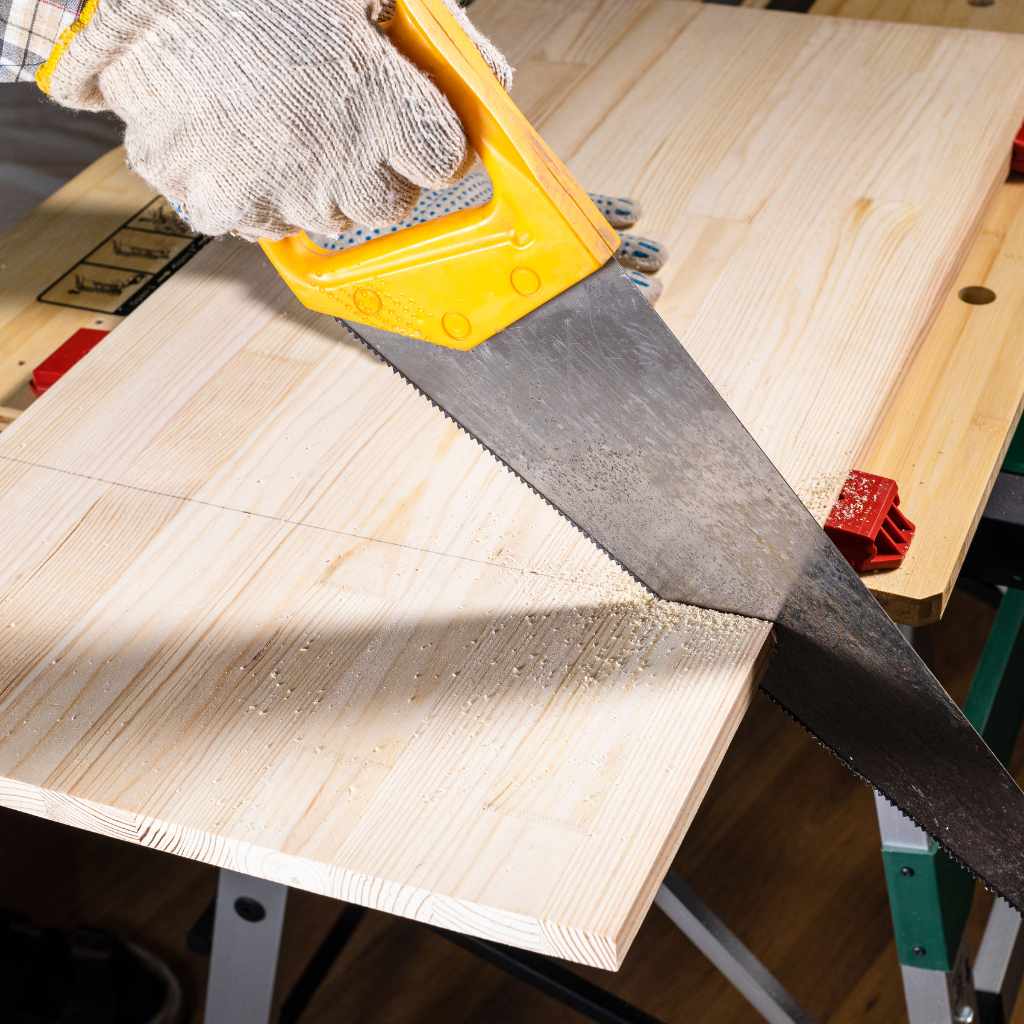
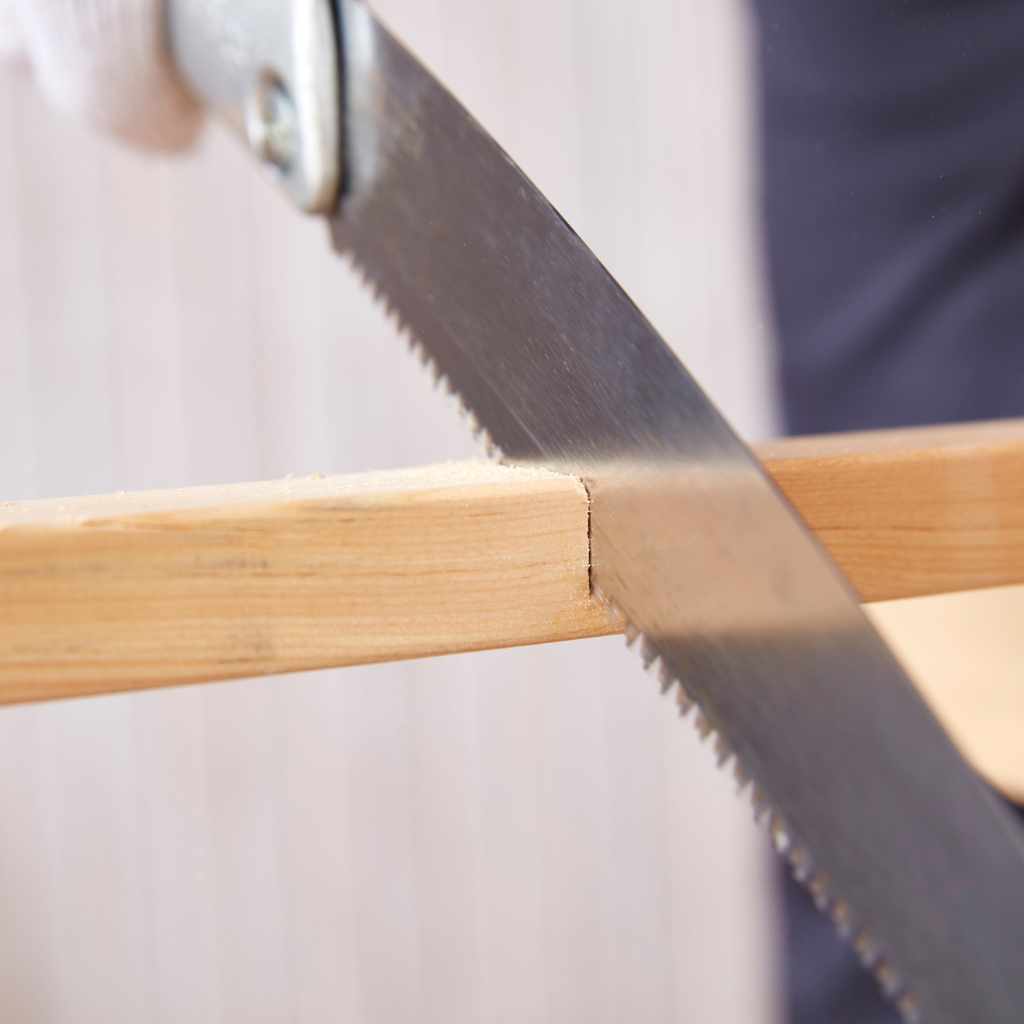
When using a hand saw, make sure the wood is held firmly. You want to make long, smooth strokes, letting the saw do the work. Don’t push too hard; it will just slow you down and make the cut rough.
Power Saws
Power saws make cutting faster and easier, but they require more caution. Here are some common ones:
- Circular Saw: This is a portable, handheld saw with a spinning blade. It’s excellent for making straight cuts through lumber quickly. You can use it for crosscuts and rip cuts. Always use a guide or fence for straighter lines.
- Jigsaw: A jigsaw has a reciprocating blade and is fantastic for cutting curves and shapes. It’s not ideal for long, straight cuts but is perfect for detailed work.
- Miter Saw: Also known as a chop saw, this stationary tool is designed for making precise angled cuts, especially for trim and framing. It makes repeated, accurate cuts easy.
- Table Saw: This is a powerful stationary saw with a blade that extends up through a table. It’s used for both ripping and crosscutting large pieces of wood accurately. It’s a serious tool that requires a lot of respect and practice.
With any power saw, safety gear is a must. You’ll also want to make sure you understand how the saw works before you start cutting.
Techniques for Clean Cuts
Getting a clean cut isn’t just about the tool; it’s also about how you use it and prepare the wood.
Marking Your Cut Line
Before you even pick up a saw, you need a clear line to follow. A pencil is fine for most rough work, but for more precise projects, a marking knife or a combination square is better. A marking knife creates a tiny groove that a saw blade can follow, preventing the wood from splintering along the edge.
Supporting the Wood
Wood needs to be supported properly so it doesn’t move during the cut. This is key for accuracy and safety.
- Sawhorses: These are essential for holding larger pieces of wood while you cut.
- Clamps: Use clamps to secure smaller pieces of wood to a workbench or sawhorses. Never try to hold the wood with one hand and cut with the other, especially with power tools.
- Support for Offcuts: When cutting a long board, the piece you cut off (the offcut) can fall and bind the saw blade or twist the wood. Make sure the offcut is supported as it begins to separate.
Blade Selection and Condition
The blade you use makes a huge difference. A sharp blade cuts cleanly and easily. A dull blade will tear the wood, make rough cuts, and require more effort, which can be dangerous.
- Tooth Count: For smooth cuts, especially on hardwoods or plywood, use blades with more teeth (finer teeth). For faster, rougher cuts on softwoods, fewer teeth are okay.
- Blade Type: Different blades are designed for different tasks. For example, a plywood blade has a higher tooth count to prevent tear-out.
- Sharpening: Keep your blades sharp. If you’re using a power saw, replace blades when they become dull or damaged.
Cutting Techniques for Specific Saws
Hand Saws
Start the cut by drawing the saw back a few times to create a small groove. Once the blade is set in the groove, push and pull the saw with long, even strokes. Let the weight of the saw do most of the work.
Keep the saw blade at a consistent angle to the wood.
Circular Saw
Set the blade depth so it cuts just slightly deeper than the thickness of the wood. Use a straight edge or guide to ensure a straight cut. Start the saw before it touches the wood, and let it reach full speed before you begin cutting.
Move the saw smoothly through the wood.
Jigsaw
For curves, guide the jigsaw slowly, letting the blade do the cutting. For straighter cuts with a jigsaw, you can use a clamped-on straight edge as a guide. Avoid forcing the saw; let the blade work.
Miter Saw
Ensure the wood is held firmly against the fence and the saw bed. Bring the spinning blade down smoothly into the wood. Let the blade stop spinning completely before lifting it back up.
Table Saw
Always use the blade guard and riving knife when possible. For rip cuts, use the rip fence. For crosscuts, use the miter gauge.
Never reach over the blade. Use push sticks to guide smaller pieces through the blade.
Ensuring Safety While Cutting Wood
Safety is not an option; it’s a requirement. Following these guidelines will help you avoid accidents.
Personal Protective Equipment (PPE)
This is non-negotiable:
- Safety Glasses: Always wear safety glasses or a face shield to protect your eyes from sawdust and flying debris.
- Hearing Protection: Power saws can be very loud. Wear earplugs or earmuffs to protect your hearing.
- Dust Mask: Sawdust can be harmful to your lungs. Wear a dust mask, especially when working with treated lumber or MDF.
- Gloves: While some prefer not to wear gloves when using saws to maintain grip, consider them for handling rough lumber or moving materials to avoid splinters. If you wear gloves, ensure they are not loose-fitting.
- Work Clothes: Wear close-fitting clothing that won’t get caught in machinery. Avoid loose sleeves, jewelry, or anything that could snag.
Workspace Safety
Your cutting area should be safe and well-organized:
- Clear Area: Keep your workspace free of clutter. Tripping hazards can lead to accidents.
- Good Lighting: Make sure the area is well-lit so you can see exactly what you are doing.
- Stable Surfaces: Ensure sawhorses, workbenches, and other surfaces are stable and won’t move while you are cutting.
- Ventilation: Work in a well-ventilated area to reduce dust buildup.
Tool Safety
Know your tools and use them correctly:
- Read Manuals: Always read the manufacturer’s instructions for any power tool before using it.
- Inspect Tools: Before each use, check your tools for damage, frayed cords, or loose parts.
- Keep Guards in Place: Never remove or bypass safety guards on power tools.
- Unplug Tools: Always unplug power tools before changing blades or making adjustments.
- Kickback Awareness: For saws like circular and table saws, be aware of kickback. This is when the wood is suddenly thrown back at the operator. Proper support and technique help prevent this.
Proper Cutting Techniques for Safety
- Never Force a Cut: If a saw is struggling, the blade might be dull, or you might be pushing too hard. Back off and check your tool and technique.
- Stand Clear of the Blade Path: Position yourself so that if kickback occurs, the wood won’t hit you.
- Keep Hands Away from Blades: Always be aware of where your hands are in relation to the blade. Use push sticks or blocks for small pieces.
- Cut on a Stable Surface: Never cut freehand if you can avoid it.
Dealing with Different Wood Types
The type of wood you’re cutting can also affect the best way to cut it.
Softwoods (e.g., Pine, Fir)
Softwoods are generally easier to cut. They are less dense, so they cut faster. However, they can also be prone to splintering, so using sharp blades and taking care with your cut line is still important for a clean finish.
Hardwoods (e.g., Oak, Maple)
Hardwoods are denser and require more effort to cut. They also tend to dull blades more quickly. For hardwoods, you’ll want sharp blades with a finer tooth count for cleaner cuts and less resistance.
A powerful saw is often beneficial.
Plywood and Composite Boards
These materials can be tricky because they have layers or are made of small particles. The biggest challenge is tear-out, where the top layer of veneer splinters as the saw blade exits the material. To minimize this:
- Use a Plywood Blade: These blades have more teeth per inch.
- Score the Cut Line: Lightly score the cut line with a utility knife before sawing.
- Tape the Cut Line: Apply painter’s tape along the cut line. This can help hold down the wood fibers and prevent splintering.
- Support the Back: Ensure the underside of the plywood is well-supported to prevent the edge from breaking away as the blade cuts through.
Frequently Asked Questions
Question: What is the easiest way to get a straight cut?
Answer: For hand saws, using a miter box or a clamped-on straight edge will help guide your saw. With power saws, a circular saw with a guide, a miter saw, or a table saw are designed for straight cuts. Always mark your line clearly.
Question: How do I prevent wood from splintering when cutting?
Answer: Use a sharp blade appropriate for the wood type. For plywood, use a blade with many teeth. For other woods, consider scoring the cut line with a marking knife or applying painter’s tape along the line to help hold the wood fibers together.
Question: Is it safe to use a hand saw without clamping the wood?
Answer: It is much safer and more effective to clamp your wood. Holding the wood with one hand and sawing with the other, especially with power tools, is very dangerous. Clamps ensure the wood stays still and your hands stay clear.
Question: What is the most common safety mistake people make when cutting wood?
Answer: Not wearing safety glasses is a very common and dangerous mistake. Also, not using push sticks with table saws or trying to cut without proper support for the wood can lead to serious accidents.
Question: Can I use any saw for any type of cut?
Answer: No, different saws are designed for specific tasks. A jigsaw is for curves, a miter saw for angles, and a circular saw or table saw for long straight cuts. Using the wrong saw can result in poor cuts and safety hazards.
Final Thoughts
Achieving the Best Way to Cut Wood: Clean, Safe Techniques is about combining the right tools with careful practices. Every cut starts with a clear plan and a well-marked line. Selecting a sharp blade that matches your wood type and the cut you need to make is essential for both a clean finish and easier sawing.
Proper support for your workpiece prevents movement and binding, leading to more accurate results and significantly reducing safety risks. Always remember that your personal protection comes first; safety glasses, hearing protection, and dust masks are your best defense against the hazards of woodworking. Practicing these techniques will build your confidence and skill.
Keep exploring and refining your methods with each project, focusing on precision and safety to achieve excellent results every time.