Best Way to Pour Paint from a Can: Expert Tips for a Mess-Free Pour
Pouring paint from a can might seem simple, but if you’ve ever dealt with spills, drips, or wasted paint, you know it’s not always easy. Getting it right can save you time, money, and a big mess.
You’ll discover the best way to pour paint smoothly and cleanly every time. Whether you’re a first-timer or a seasoned painter, these tips will help you protect your space and make your project flow effortlessly. Keep reading to learn how to pour paint like a pro and avoid common mistakes that slow you down.
Choose The Right Tools
Choosing the right tools makes pouring paint easier and cleaner. The right tools help control the flow and reduce spills. They also make mixing paint smooth and simple. Use tools that fit your project and paint type. This saves time and keeps your workspace tidy.
Pick A Suitable Pouring Spout
A pouring spout directs paint flow from the can. It prevents drips and mess on the can’s edge. Look for a spout that fits snugly on the paint can. Plastic or metal spouts work well for most paints. They help pour paint smoothly onto brushes or trays.
Use A Paint Can Pouring Lid
A pouring lid snaps on top of the paint can. It controls paint flow without opening the whole lid. These lids have a small hole or spout for easy pouring. They keep paint fresh and reduce spills. Using a pouring lid keeps your hands clean too.
Select The Best Container For Mixing
Choose a container that suits your paint type and amount. Use a clean bucket or tray for mixing paint. Plastic containers are light and easy to handle. Clear containers help see paint color and consistency. Mixing paint well ensures even color and smooth finish.
Prepare The Paint Can
Preparing the paint can is the first step for a smooth and clean pour. It helps avoid spills and keeps the paint fresh. Taking time to prepare the can makes painting easier and less messy.
Follow these simple steps before pouring paint from the can.
Clean The Can Rim
Wipe the rim of the paint can with a clean cloth. This removes dried paint and dust. A clean rim prevents paint from dripping down the sides. It also helps the lid seal tightly after use.
Stir The Paint Thoroughly
Use a paint stirrer to mix the paint well. Stirring blends the color and ingredients evenly. Paint that is not stirred can have uneven color and texture. Stir for at least two minutes for the best results.
Remove Excess Paint From The Lid
Check the inside of the lid for leftover paint. Wipe off any excess with a rag or paper towel. This prevents old paint from falling back into the can. It also helps keep the lid clean and easy to close.
Pouring Techniques
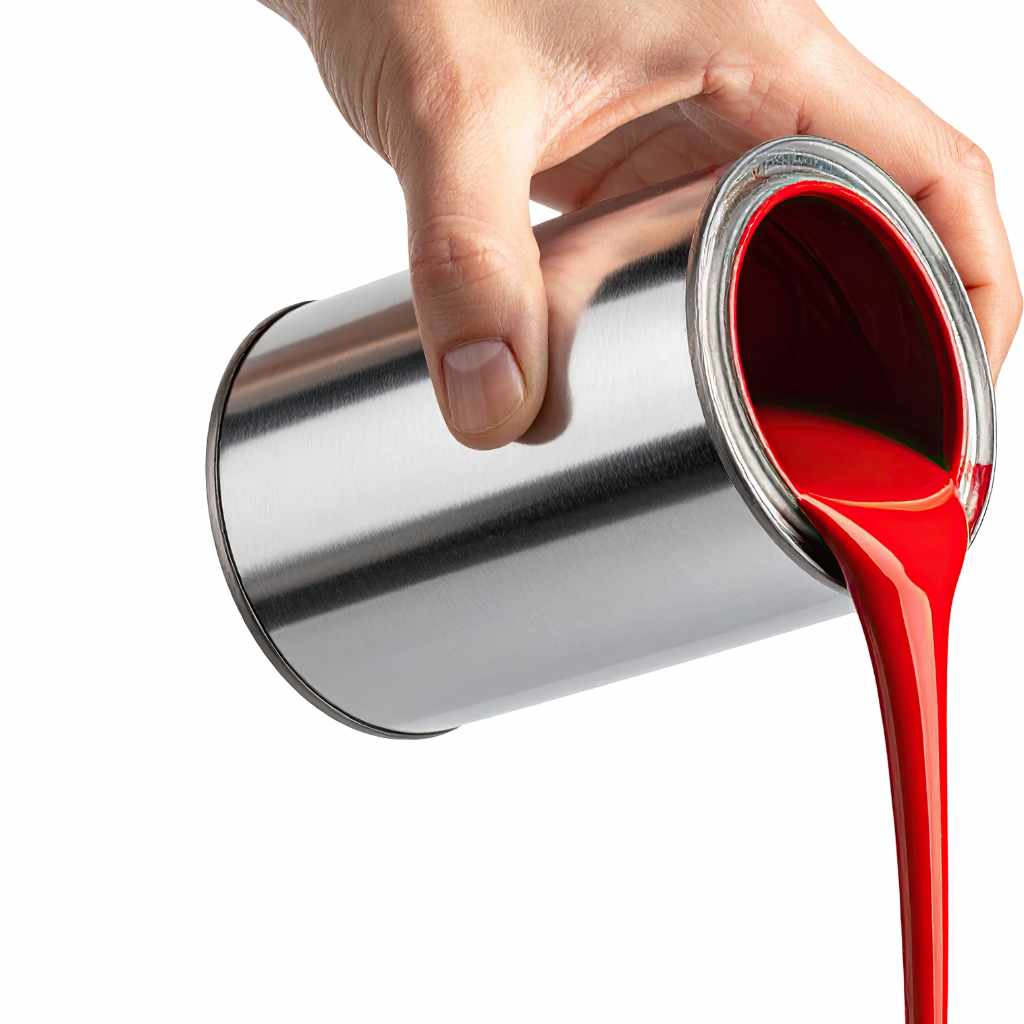
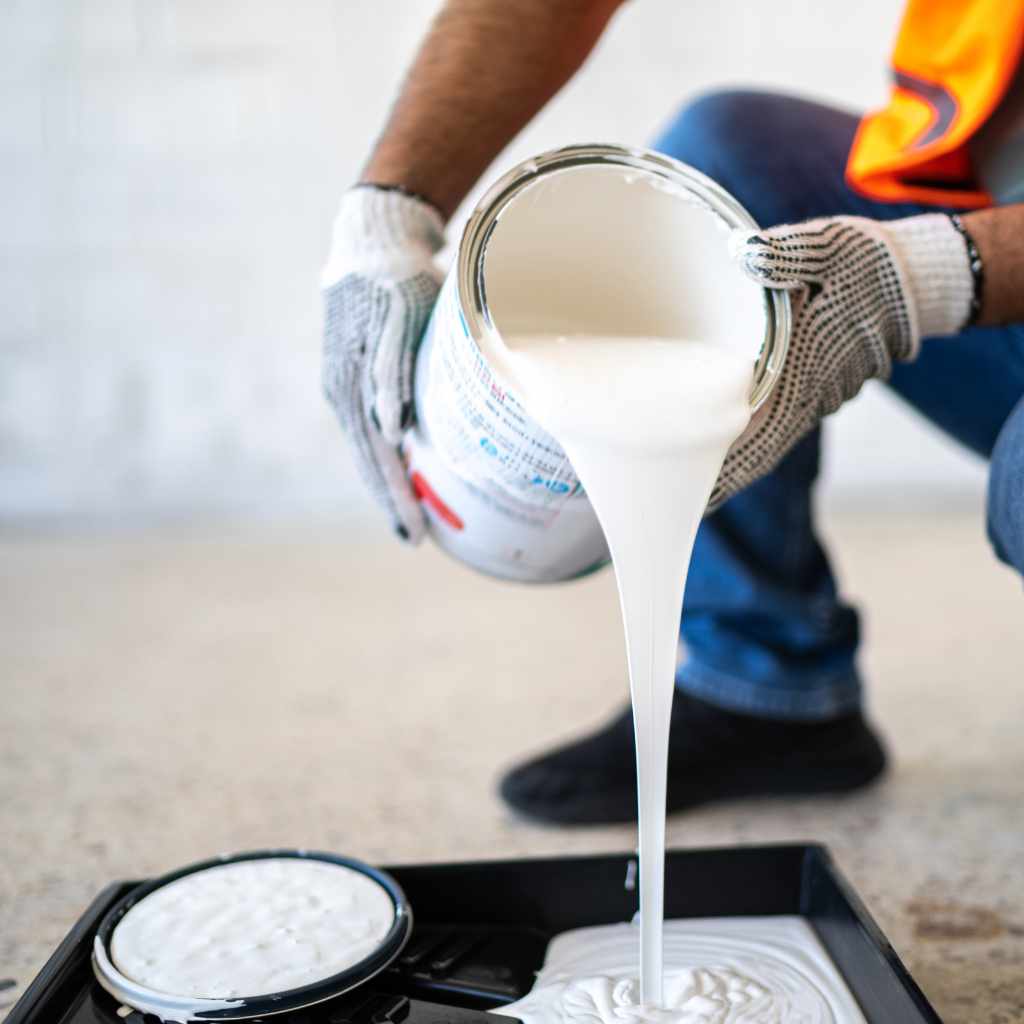
Pouring paint from a can may seem simple, but using the right techniques makes the job cleaner and easier. Good pouring methods reduce spills and waste. They also help control how much paint you pour at once. Using steady hands and proper angles keeps your workspace neat.
Focus on slow, controlled movements. This prevents splashes and drips. Pouring along the edge of the container helps guide the flow. These small steps improve your painting experience and save time on clean-up.
Tilt The Can Slowly
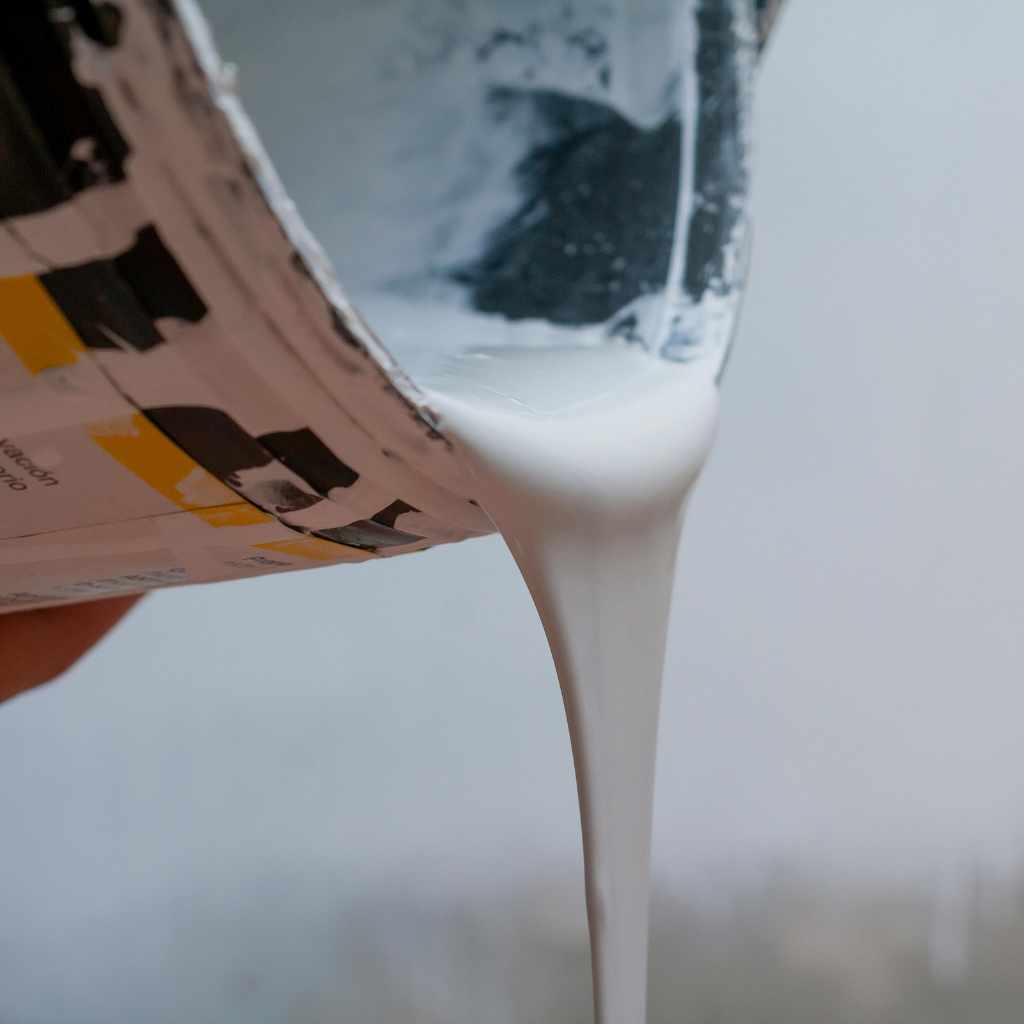
Start by tilting the paint can slowly toward the container. A fast tilt causes paint to splash out. Slow tilting lets the paint flow smoothly. It also helps you see how much paint you pour. Stop tilting when you reach the right amount.
Use Controlled, Steady Movements
Keep your hand steady while pouring. Quick or shaky movements make paint drip or spill. Controlled pouring helps keep paint inside the container. Take your time. Slow and steady is better than fast and messy.
Pour Along The Edge Of The Container
Pour the paint along the edge of the container or tray. The edge guides the paint and slows the flow. This reduces splashing and dripping. It also helps spread the paint evenly. Aim the paint stream close to the edge for best results.
Avoiding Common Messes
Pouring paint from a can can create a mess fast. Avoiding common messes saves time and keeps your work clean. Simple steps help control drips and spills. Protecting your area stops damage to floors and furniture.
Prevent Paint Drips
Hold the paint can close to your container. Pour slowly and steadily to control flow. Use the can’s rim to wipe the brush or pouring edge. This stops paint from dripping down the side. Keep a rag nearby for quick wipe-ups.
Handle Spills Quickly
Spills happen even with care. Keep paper towels or rags ready. Wipe spills immediately before they dry. For large spills, use a small scoop or putty knife to remove excess paint. Quick action prevents stains and tough cleanup later.
Keep Work Area Protected
Cover floors and furniture with plastic sheets or old newspapers. Tape edges to keep covers in place. Use a drop cloth under the paint can and brushes. This stops paint from reaching unwanted surfaces. Clean protection makes cleanup easier and faster.
Cleaning Up After Pouring
Cleaning up after pouring paint helps keep your workspace neat. It also makes the paint last longer and prevents messes. Taking a few minutes to clean the can and store paint right saves time later. This section shows easy steps to clean up smartly after pouring paint.
Wipe The Can Rim And Spout
Wipe paint off the rim and spout of the can with a rag. This stops paint from drying and clogging the opening. Use a clean cloth to avoid mixing colors. Removing paint from these spots keeps the can sealed tightly.
Store Paint Properly
Seal the paint can lid firmly to keep air out. Store the can in a cool, dry place. Avoid storing paint where it can freeze or get too hot. Proper storage helps the paint stay fresh for your next use.
Dispose Of Leftover Paint Safely
Do not pour leftover paint down drains or on the ground. Check local rules for paint disposal or recycling. Dry small amounts of paint before throwing them in the trash. Safe disposal protects the environment and your home.
Frequently Asked Questions
How Do I Pour Paint Without Making A Mess?
Use a paint can pour spout or a clean funnel. Pour slowly and steadily to avoid drips. Wipe the rim before closing the lid to prevent spills. These tips help keep your workspace clean and save paint.
What Is The Best Tool To Pour Paint Neatly?
A paint can pour spout is the best tool. It fits on the can’s rim and controls paint flow. This reduces drips and spills. Many hardware stores sell them at low cost for easy paint pouring.
Can I Pour Paint Directly From The Can?
Yes, but it’s tricky to avoid spills. Pour slowly and steady from the edge of the can. Use a stir stick to guide the flow. For a cleaner pour, use a pour spout or funnel instead.
How To Prevent Paint Drips When Pouring?
Attach a pour spout or use a funnel. Pour paint slowly and hold the can steady. Wipe off any drips immediately with a rag. These practices keep your surface and hands clean.
Conclusion
Pouring paint from a can is simple with the right steps. Use a clean, steady hand to avoid spills. Always pour slowly to keep the paint smooth. Wipe the rim to stop drips and save paint. These small tips help you work neat and fast.
Keep your tools ready and your space tidy. Enjoy your painting project without mess or waste. Following these easy ideas makes painting more fun. Try them next time you open a paint can!