Best Mahogany Substitutes for Furniture (2026): We Compared
For most furniture, sapele is the best mahogany substitute because it looks close, machines cleanly, and is usually easier to source. Choose African mahogany for easier finishing and a lighter color, or sapele and Khaya when you need a closer grain match. Pick badly, and you can end up with visible color mismatch, blotchy stain, movement problems, or a lumber bill that makes no sense. This guide compares sapele, African mahogany, red oak, genuine mahogany, oak, and veneer systems for furniture, cabinets, tables, and casework by appearance, workability, stability, and sourcing risk.
Quick comparison
| Product | Badge | Best for | Price | ||
|---|---|---|---|---|---|
 |
Red Oak Project BoardWaddell | Our pick | ½ x 4 x 24 in · red oak · unfinished | $21.36
Price as of 4 Nov 2026
|
View |
 |
5 Pieces African Mahogany Kiln Dried Hardwood Lumber BoardsExotic Wood Zone | Also great | $45.57
Price as of 4 Nov 2026
|
View | |
 |
THE HARDWOOD EDGE The Hardwood Edge Cherry Craft Boards 1/4THE HARDWOOD EDGE | Also great | ¼ x 4½ x 18 in · cherry · 4-pack | $25.84
Price as of 4 Nov 2026
|
View |
The core trade-off is simple: the closer a wood looks to mahogany, the more you need to watch grain reversal, finish color, and documentation. A wood that machines easily may still finish too light, while a stable panel material may look right only if the veneer and topcoat are chosen carefully.
How we chose
The comparison below weighs four things that matter for furniture: visual similarity to genuine mahogany, workability, dimensional stability, and sourcing risk. It also accounts for finish behavior, because oil, shellac, lacquer, and clear waterborne coatings can change the final look more than many buyers expect.
We also separate solid wood from veneer. That matters for cabinets and wide parts, where movement, substrate choice, and finish testing can decide whether the piece looks right after assembly or looks off after the first coat.
- Check the species name, not just the trade name.
- Match the wood to the part: door, panel, table top, chair frame, or face frame.
- Compare grain, pore size, and figure after finishing, not just in the rough board.
- Confirm movement allowance for wide parts and panel work.
- Ask for harvest country, grade, and chain-of-custody paperwork when the source matters.
Sapele: best for the closest look
Sapele is the best choice when you want a mahogany-like appearance with the strongest visual overlap. It is commonly sold as a mahogany substitute, and its interlocked grain and ribbon figure can read convincingly once the board is milled and finished.
It is a strong fit for cabinet doors, decorative panels, and furniture parts where the goal is a warm red-brown look without paying for genuine mahogany. Based on published product details and buyer feedback, it is also a practical choice when you want kiln-dried hardwood stock for furniture making, cabinetry, carving, and general DIY work.
The drawback is finish risk. Sapele can machine differently from genuine mahogany, and that interlocked grain can tear out if you plane against the run or sand too aggressively. Its final color can also differ enough from mahogany that a stain or clear coat sample is worth making before you commit.
African mahogany: best for easy machining
African mahogany is a good choice when you want a softer visual read and easier handling during layout, cutting, and sanding. For furniture buyers, it often lands between genuine mahogany and sapele in both look and workability, which makes it useful for smaller parts, accents, and lighter cabinet work.
Its subtle, straight grain and reddish-brown heartwood make it suitable for projects where a calmer face is better than strong ribbon figure. Based on the manufacturer’s specs and buyer feedback, the boards are kiln dried and sanded smooth, which helps when you need ready-to-work stock for craft parts or furniture details.
The drawback is that it is not a guaranteed mahogany match. Color, pore structure, and movement can differ from Swietenia, so it may not blend with existing mahogany furniture without careful finish testing. If the supplier does not state the botanical name and harvest source, treat the label as incomplete until you verify it.
Red oak: best for durable furniture at lower risk
Red oak is the safest practical benchmark when you want strong, familiar furniture stock and are less concerned about matching mahogany exactly. Oak has an open, coarse grain with twists, swirls, and knots, so it will never read as genuine mahogany at first glance, but it is dependable for furniture and cabinets.
This board is surfaced on all four sides, has no finger joints, and comes in multiple size options, which makes it useful for shop-made parts that need predictable sizing. It also stains and glues well, and its durability makes it a sound choice for utility furniture, painted cabinet parts, or pieces where the grain can be part of the design.
The drawback is appearance. Oak’s coarse grain is a poor stand-in when you need a close mahogany visual, and its open pores will stay visible even under a careful finish. If your goal is a classic mahogany look, oak only works when the design leans into oak rather than trying to disguise it.
Genuine mahogany: best when you need the real thing
Genuine mahogany means Swietenia, not just a reddish-brown board. It has a pale pinkish-brown to reddish-brown color that darkens over time, a close, small, straight grain with some interlocking, and a warm depth under oil, shellac, or lacquer.
Use it when the piece needs the exact furniture character associated with fine doors, cabinets, veneers, musical instruments, boats, turning, and carving. It works easily by hand and machine tools, but movement is not zero, so doors, panels, and casework still need proper allowance.
The drawback is cost, availability, and documentation risk. Mahogany is a market term covering genuine Swietenia and several substitutes, so a reddish brown face is not enough to identify it. If the supplier cannot provide botanical name, harvest country, grade, and chain of custody, you are buying on hope.
Oak: best for durable furniture at lower risk
Oak is a solid choice when the priority is durability, easy maintenance, and predictable shop behavior rather than a mahogany match. It stains and glues well, and it holds up well in furniture and cabinets where the grain is meant to be seen instead of hidden.
It is also a useful contrast wood. Because oak is open and coarse, you can quickly see why it is a poor mahogany substitute visually, yet still a smart furniture wood in its own right. That makes it handy for painted casework, rustic designs, and parts where toughness matters more than visual similarity.
The drawback is obvious grain mismatch. If you need a refined red-brown face with small grain and minimal pore visibility, oak will fight that goal from the start. It also tends to read heavier in style than a slender mahogany piece, especially under dark glossy finishes.
Veneer and engineered cores: best for budget and appearance control
Veneer is the lower-cost route when genuine mahogany is rare or expensive and you still want the look on a cabinet face, table apron, or large panel. It gives you more control over appearance than solid stock, but only if the substrate, edge treatment, and topcoat are chosen together.
For casework and large flat parts, a stable engineered core can reduce movement concerns while the face veneer carries the mahogany appearance. That is often the most practical route for wide doors, matching cabinet runs, and furniture that needs consistent color across several panels.
The drawback is that veneer is not solid wood, and it will expose weak substrate choices fast. A cheap core can telegraph movement, edge lines, or color mismatch, and a finish that looks fine on one sample can read cooler or flatter on the real panel. Test the full cured schedule on the actual material before production.
Furniture decision table
| Option | Visual similarity to mahogany | Workability | Dimensional stability | Best furniture application | Score | Best for | Common failure mode |
|---|---|---|---|---|---|---|---|
| Sapele | High; ribbon figure can read close after finish | Medium; interlocked grain can plane against the run | Medium | Cabinet doors, panels, furniture faces | 4/5 | Closest look | Finish color shift; tearout on figured grain |
| Khaya | High to medium, depending on species and cut | Good when grain is straight | Medium | Traditional furniture parts, casework | 4/5 | True trade substitute | Species confusion; pore and movement differences |
| African mahogany | Medium to high | Good | Medium | Smaller furniture parts, trim, accents | 4/5 | Easy machining | Color may not match a Swietenia sample |
| Oak | Low | Good | Medium to good | Durable furniture, cabinets, painted parts | 2/5 for mahogany look | Durability and access | Open grain reads unlike mahogany |
| Genuine mahogany | Exact benchmark | Very good | Medium; movement still needs allowance | Fine furniture, doors, veneers, instruments | 5/5 | Authentic result | Price and sourcing risk |
| Mahogany veneer on engineered core | High if the face and finish are matched well | Depends on the substrate and edge work | High for flat parts | Cabinet doors, panels, large casework | 4/5 | Budget appearance control | Core mismatch, edge reveal, finish mismatch |
Choose sapele if… / Choose khaya if…
Choose sapele if you want the closest visual match after finishing, you are comfortable managing interlocked grain, and the piece is a door, panel, or furniture face where ribbon figure will look intentional. It is also a good fit when you need a common mahogany substitute that is usually easier to source than genuine mahogany.
Choose khaya if you want a true mahogany trade substitute and the supplier can confirm the botanical name, harvest country, and paperwork. It is the better path when grain behavior, legal status, or documentation matters more than getting the strongest ribbon figure.
Say your client wants a 60-inch sideboard in a warm red-brown tone, but the sample board is 2 shades lighter than the room trim. That is the moment to test a finish sample on the actual material, because a clear waterborne coat can read cooler than shellac or lacquer and change the match enough to matter.
Which one should you buy?
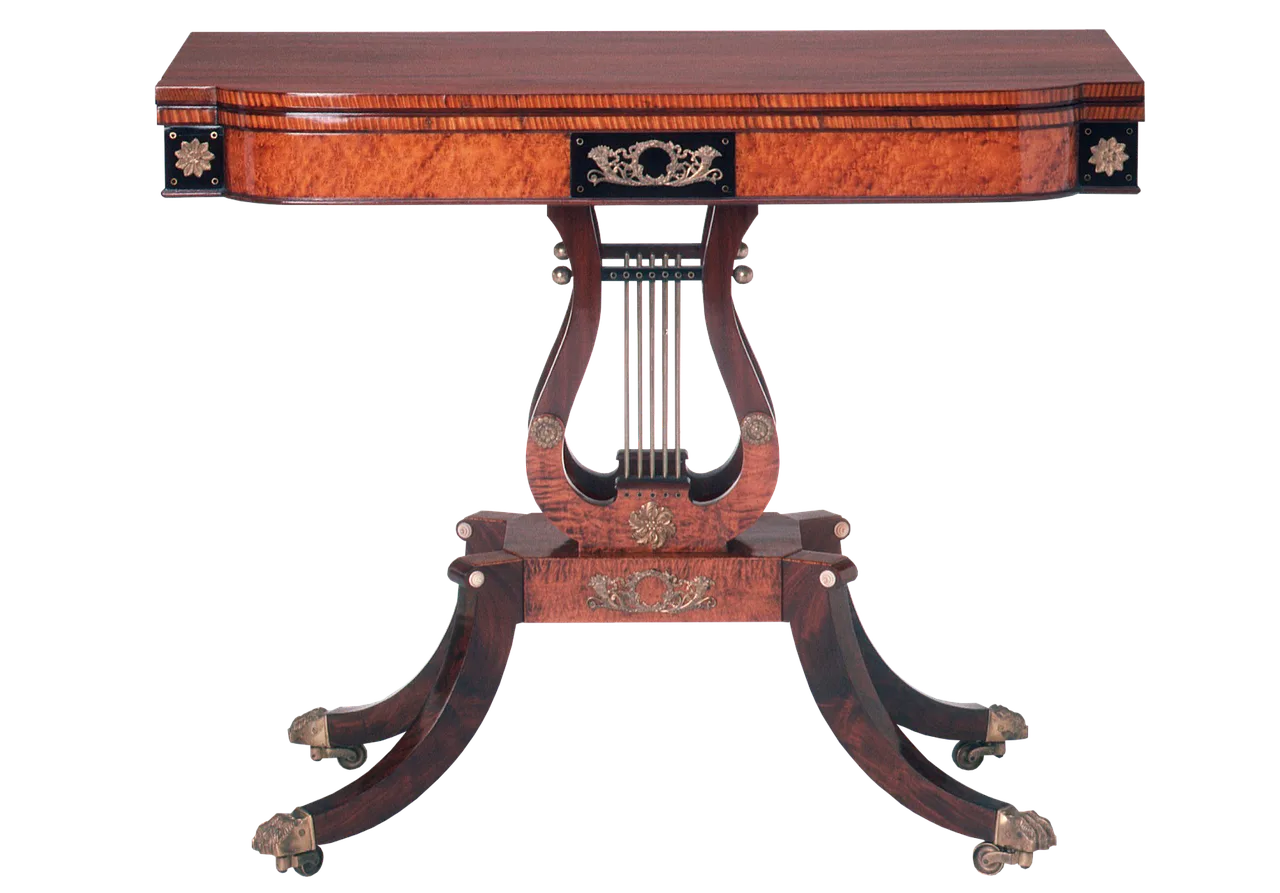
For a dining table or sideboard, sapele is often the best starting point if you want the closest mahogany look without chasing scarce stock. For cabinet doors, veneer on a stable core can be the better buy if you need flatness, repeatable color, and controlled cost.
For chairs or smaller framed furniture, choose genuine mahogany or a well-verified African mahogany if machining and movement are the priority. For painted cabinets or utility furniture, oak is usually the smarter buy because it is durable, easy to maintain, and does not pretend to be mahogany.
If supply is limited, buy the species that comes with the best documentation and the least risk of finish surprise. That often means a verified Khaya or a documented sapele shipment rather than a vague “mahogany” label with no botanical name behind it.
When documentation matters, ask for the supplier’s botanical name, country of harvest, grade, and chain of custody or comparable paperwork. If the seller cannot give that, the piece may still be useful, but you should not assume it will match genuine mahogany in color, movement, or legal status.
- Pick the part first: door, panel, tabletop, or frame.
- Decide whether you need the look of mahogany or the behavior of a furniture hardwood.
- Verify the botanical name and source paperwork.
- Make a finish sample with the final schedule.
- Allow for movement in wide boards, doors, and panels.
Suppose you are building a pair of cabinet doors and the supplier offers “mahogany” without a botanical name. That is a warning sign, because a reddish brown face is not enough to identify mahogany, and the same label can hide species with different pores, movement, and finish results.
Is mahogany good for furniture?
Yes. Genuine mahogany is a classic furniture wood because it works easily, finishes well, and has the warm reddish-brown color many buyers want. It is used for tables, chairs, cabinets, veneers, and fine interior parts, but it still moves with humidity and needs proper joinery and clearance.
The best results come when you treat it like a quality furniture hardwood, not a dimensionally fixed material. Doors, panels, and wide casework still need room to move, and a finish sample is still worth making before production.
Is mahogany easy to work with?
Yes. Mahogany is easy to work with by hand and machine tools, which is one reason it stays popular for furniture and decorative joinery. It sands and finishes well, and it generally behaves predictably when the stock is straight and properly dried.
The catch is that not every mahogany-like board behaves the same way. Sapele and some other substitutes can have more interlock, which raises tearout risk, so the tool setup and feed direction matter more than the name on the rack.
How do I choose between genuine mahogany and a substitute?
Choose genuine mahogany when the piece needs the exact look, feel, and status of Swietenia, and the supplier can document it clearly. Choose a substitute when the budget, supply, or legal risk makes that a better tradeoff, but match the species to the part and test the finish first.
For face frames and cabinet doors, sapele or veneer over a stable core is often the most practical answer. For premium furniture where the grain should be calm and the finish depth should stay classic, verified mahogany or a close African mahogany can be a better fit.
What wood is similar to mahogany?
Sapele and Khaya are the most common mahogany-like choices because they can land in the same red-brown family and are often sold under mahogany trade names. They are not identical to Swietenia, though, so you need to check grain, pore structure, movement, and finish color before assuming the match will hold.
Oak is not visually similar, but it is useful as a furniture benchmark because it is dependable, easy to maintain, and widely available. Veneer over a stable core can also copy the appearance well when the goal is a mahogany face rather than a solid-wood substitute.
Frequently asked questions
Which wood looks most like mahogany after finishing?
Sapele often looks most like mahogany after finishing because its red-brown tone and ribbon figure can echo the classic look. That said, the final result depends on the finish schedule, grain fill, and light in the room. A sample board is the safest check.
What wood is cheaper than mahogany but still suitable for furniture?
Red oak is usually cheaper and still fully suitable for furniture, especially when you want durability more than a mahogany match. Sapele can also be less costly than genuine mahogany in some markets, though the price gap changes with source and grade.
What are the differences between mahogany and sapele?
Genuine mahogany is Swietenia, with a close, small, straight grain and warm reddish-brown color. Sapele often has stronger interlocked grain and ribbon figure, which can look attractive but may machine differently and finish to a noticeably different color. That is why samples matter.
What should I use instead of mahogany for cabinets or tables?
For cabinets, sapele or veneer on a stable core is often the best choice because it gives a convincing look with better control over flatness and cost. For tables, sapele or verified African mahogany works well if you account for movement and test the finish on the actual material.
Sponsored / affiliate links. As an Amazon Associate I earn from qualifying purchases. I may earn additional commission from eligible campaigns.