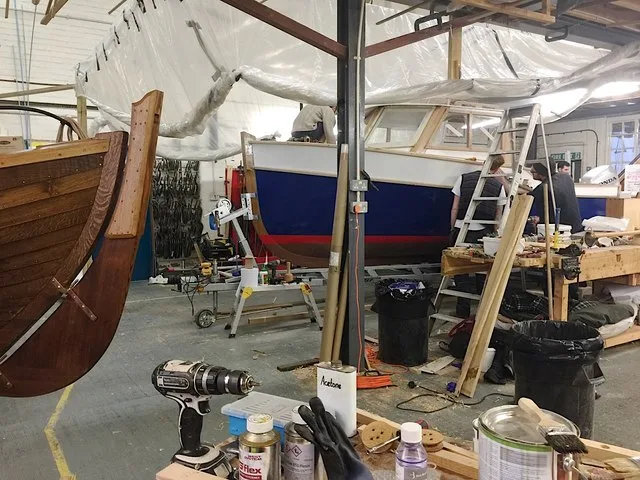
Best Wood Glue for Oily Hardwood Species (2026): we compared
For oily hardwoods, I use epoxy on structural joints and on species that bleed resin hard. For small repairs, polyurethane or thickened epoxy does the job. Fresh PVA is what I keep on hand for cleaned white oak or lightly oily wood, and if the bond line matters I clean the surface first and clamp promptly. Pick the wrong glue and you get creep, failed repairs, and scrap. This guide gives a practical adhesive-selection matrix for teak, ipe, walnut, rosewood, cocobolo, bubinga, white oak, and other dense woods.
This guide is part of our Wood glue essentials: types, uses, and cure times series.
What you’ll need
- Acetone or naphtha for solvent wiping
- Fresh medium-grit sandpaper
- Vacuum or brush for dust removal
- Clean rags or lint-free wipes
- Clamps sized for the joint
- Mixing cups and stir sticks for epoxy
- Scrap pieces from the same species for test bonds
- Epoxy, polyurethane glue, CA glue, or PVA as the joint calls for
Quick comparison
| Product | Badge | Best for | Price | ||
|---|---|---|---|---|---|
 |
Grizzly Glue One Polyurethane Wood Glue – WaterproofGrizzly Glue | Our pick | 16 Ounce Polyurethane Waterproof Formula | $27.50
Price as of 26 Sep 2026
|
View |
 |
Teexpert Epoxy Resin Crystal Clear: 64OZ Epoxy Resin kitTeexpert | Upgrade pick | 64OZ Crystal Clear Epoxy Resin Kit | $29.99
Price as of 26 Sep 2026
|
View |
 |
Titebond III Ultimate Wood Glue, 16-Ounces #1414Titebond | Budget pick | 16-Ounces Ultimate Wood Glue | $9.58
Price as of 26 Sep 2026
|
View |
 |
CA Glue with Activator, Medium Viscosity, 2 Oz Glue + 4.1Dreyoo | Also great | Medium Viscosity CA Glue with Activator | $18.99
Price as of 26 Sep 2026
|
View |
 |
Yeardera Heavy Duty Construction Adhesive, 7.4 Ounce CementYeardera | Our pick | $9.99
Price as of 20 Oct 2026
|
View |
Match the glue to the joint, not the species name alone. I have seen cocobolo bead water on the surface while white oak still takes glue well after careful prep, so the real call comes down to oiliness, fit, and whether the joint is decorative, repaired, or load-bearing.

How we chose
The comparison centers on adhesion to oily surfaces, joint type, open time, cleanup, and cure window. It also weighs whether the adhesive can tolerate imperfect fit, because dense exotics and dirty glue lines punish guesswork.
Cost and availability matter too. Small shops need an adhesive that is easy to source, easy to store, and not wasteful when only a few joints need attention.
Decision matrix for oily hardwoods
| Species severity | Joint type | Best adhesive family | Prep steps | Clamp and cure expectation | Common failure mode |
|---|---|---|---|---|---|
| Lightly oily, such as some walnut or clean white oak | Edge glue-up | PVA wood glue | Fresh sanding, dust removal, solvent wipe if needed | Clamp firmly, not hard; leave clamped per label, then allow full cure | Poor wetting if the wipe is skipped |
| Moderately oily, such as teak or ipe | Small repair | Polyurethane or thickened epoxy | Solvent wipe, fresh sanding, second wipe if the first leaves residue | Clamp just enough for contact; keep pressure modest through cure window | Foam contamination or weak surface bond |
| Highly oily, such as rosewood or cocobolo | Structural joint | Epoxy adhesive | Solvent wipe, medium-grit sanding, dust removal, re-sand after wipe if the surface glazed over | Clamp to contact only; full cure before stressing the joint | Delayed bond failure from contaminated fibers |
| Very dense and oily, such as bubinga | Structural joint with tight fit | Epoxy, or mechanical reinforcement plus epoxy | Fresh sanding, wipe, and immediate glue-up | Keep clamp pressure even; do not chase squeeze-out | Starved joint or poor wetting |
| Small part, short-grain chip, or pin repair | Small repair | CA glue | Clean, dry surface; light sanding; remove dust | Clamp or hold briefly; full strength still needs time to settle | Brittle line or weak gap fill |
Epoxy: best for structural joints and contaminated surfaces
Epoxy is my safest default for highly resinous hardwoods and structural work because it does not depend on deep grain penetration. I use it when the joint is dense, a bit dirty, or too valuable to trust to a thin water-based bond.
The tradeoff is cleanup and cure time. Two-part epoxies need the right mix ratio, and a rushed mix leaves soft spots or incomplete cure. Full cure takes longer than a clamp-release moment suggests, so I leave the joint alone until the adhesive has fully set.
Failure usually comes from poor mixing, oily residue trapped in the bond line, or a fit that is too loose. On oily hardwoods, epoxy still wants a sound joint, not a sloppy one.
Polyurethane glue: best for rough-fit repairs and mixed substrates
Polyurethane glue is useful when the part is awkward, the surfaces are mixed, or the repair needs a non-water-based option that will bond to troublesome wood. I also reach for it when the stock is slightly damp and the joint is not perfect.
The downside is foam expansion. That foam can fill voids, but it can also shove parts out of alignment and leave a weak-looking bond line if the fit is poor. It should be activated with water just before gluing, and clamp pressure should be enough to hold the parts together without squeezing the joint dry.
On oily hardwoods, polyurethane can work, but it is not a cure-all. If the bond line matters visually, the foam can be a liability.
CA glue: best for small parts and quick repairs
CA glue makes sense when the parts are fairly small, the break is clean, and speed matters more than open time. For chips, corners, and tiny trim repairs on oily species, it can be the fastest practical fix.
Thick CA is the better pick when there is a little gap or the part needs placement control. Thin CA wicks fast, but it gives less room to position the repair and does little for a rough joint.
The limit is strength and gap fill. CA is not the right answer for a loaded chair rail, a wide edge glue-up, or any joint that will see movement.
PVA wood glue: best for lightly oily species after careful prep
PVA can work on cleaned white oak or lightly oily walnut, but it is less reliable than non-water-based options on teak, rosewood, cocobolo, and similar species. Water-based glues rely on penetrating into the grain before hardening, and oily surfaces block that process.
For best results, sand fresh, remove dust, wipe with solvent, let it flash off, and glue promptly. Titebond II or III are usually better on oily woods than Original, but “better” is not the same as “ideal.”
The drawback is simple: PVA has limited gap-filling ability and can fail when the surface is too oily or the joint sits too long after prep.
How to glue oily hardwoods without losing the bond
- Choose the adhesive family from the matrix, not from habit.
- Sand with fresh medium grit to open the grain and expose uncontaminated fibers.
- Remove all dust, then wipe the mating faces with acetone or naphtha.
- Let the solvent flash off fully; if the surface feels glazed, sand again lightly.
- Apply glue immediately, assemble the joint, and clamp for intimate contact only.
- Leave the part undisturbed through the full cure window before stressing it.
Clamp pressure and fit quality
Use enough pressure to close the joint, not enough to starve it. On oily hardwoods, too much clamp force often makes things worse by forcing adhesive out and leaving a dry line that fails later.
A well-fit joint is doing half the work. If the fit is loose, move up to epoxy or add mechanical reinforcement instead of trying to rescue it with more clamp force.
Common failure modes
Oily squeeze-out contamination is a common one. If the squeezed-out glue spreads back across the joint face, it can block adhesion on the next clamp-up or finish pass.
Starved joints happen when pressure is too high or the fit is too perfect for the glue family chosen. Poor wetting shows up as shiny, disconnected areas instead of a fully contacted bond line. Delayed bond failure is the frustrating one: the joint looks fine at release, then opens later under load.
If that didn’t work, try this next
- Disassemble before full cure if possible and re-prep with a fresh sanding pass.
- Wipe again with solvent and extend the flash-off time until the surface is dry to the touch.
- Switch to epoxy for the next attempt if the first glue was water-based or polyurethane.
- Add dowels, screws, splines, or other mechanical reinforcement if the joint is structural or the stock is too oily for confidence.
Will PVA wood glue bond teak or white oak?
PVA may bond clean white oak after fresh sanding and solvent wiping, but teak is a much tougher ask because the oil load is higher and the surface often resists wetting. On teak, PVA is a gamble unless the piece is lightly contaminated and the joint is noncritical.
White oak is the more reasonable candidate, especially for edge glue-ups with excellent fit. Teak should usually move to epoxy or polyurethane instead.
Do I need to wipe oily wood before gluing?
Yes. A solvent wipe can remove surface oils before gluing, and skipping it is a common reason an otherwise good joint fails. For oily hardwoods, wiping is not optional cleanup; it is part of the bond prep.
Use acetone or naphtha, then let the surface flash off completely. If the wood still feels greasy, sand again and wipe once more.
Is polyurethane glue better than PVA for oily hardwood?
Usually yes, but only for the right joint. Polyurethane glue is a non-water-based option for troublesome woods and can beat PVA on oily surfaces, especially when the fit is not perfect. It is not magic, and the foam can weaken a sloppy joint.
For structural work, epoxy still wins more often because it is less dependent on perfect moisture conditions and can tolerate contamination better when the prep is good.
Should I use epoxy on oily hardwood joints?
Yes for structural joints, contaminated surfaces, and dense species like cocobolo, rosewood, and bubinga. Epoxy is the best all-around choice when the piece is too important for a thin water-based glue line or when the fit leaves little room for error.
Use the correct mix ratio, keep the bond line clean, and do not rush the cure. A clamp release is not the same as full strength.
How do you glue teak without the joint failing?
Use epoxy for the safest result, or polyurethane for a smaller, noncritical repair. Teak has enough surface oil that PVA is often unreliable unless the piece is exceptionally clean and lightly oily.
Sand fresh, wipe with solvent, re-sand if the surface reloads with residue, and clamp only for contact. If the joint carries load, add splines, dowels, or another mechanical backup.
What glue works best for walnut and mahogany?
Clean walnut often works with PVA if the surface is fresh and the joint fit is good. Mahogany is usually easier than the toughest exotics, but any contamination changes the answer fast.
If the piece has been sitting open, handled a lot, or wiped with finish-related residue, epoxy becomes the safer choice. For small chips, CA is often the quicker repair.
What is the strongest glue for hardwood furniture repair?
For loaded repairs on oily hardwood furniture, epoxy is usually the strongest practical choice because it handles dense, contaminated, or slightly uneven surfaces better than PVA. It is also the best option when the repair must bridge small gaps without collapsing.
Still, the strongest repair often combines glue with wood-to-wood fit and mechanical reinforcement. A good spline, dowel, or screw can do more for long-term durability than a more expensive adhesive alone.
Which one should you buy?
If the budget is tight and the wood is only lightly oily, buy PVA and reserve it for white oak or walnut after careful prep. If the job is a repair, a mixed-material assembly, or a small shop needs one adhesive that solves many problems, polyurethane is a useful middle ground.
For the hardest species and the most important joints, epoxy is the safer buy even though it costs more and takes longer to cure. CA is worth keeping on the bench for tiny parts, but it should not be the main plan for furniture joints.
If the joint is structural and the fit is poor, stop trusting glue alone. Add dowels, splines, biscuits, screws, or another form of reinforcement instead of hoping a different bottle will compensate for bad geometry.
Frequently asked questions
What is the best wood glue for oily hardwood species?
Epoxy is the best starting point for structural joints and highly oily species like cocobolo, rosewood, and bubinga. Polyurethane works well for smaller repairs, and CA is useful for tiny parts. PVA belongs only on cleaned, lightly oily wood with a tight fit.
Sponsored / affiliate links. As an Amazon Associate I earn from qualifying purchases. I may earn additional commission from eligible campaigns.