Best Wood Glue for End Grain Joints: What Actually Works
For raw end grain butt joints, no wood glue will hold on its own. If you must glue end grain, size the fibers first and expect about half the strength of a long-grain joint. Weak end grain joints fail quickly, and that means split boards, loose cutting boards, and repairs that peel apart under load. This guide shows which adhesive fits each failure mode, and when joint design matters more than glue.
This guide is part of our Wood glue essentials: types, uses, and cure times series.
What makes end grain hard to glue?


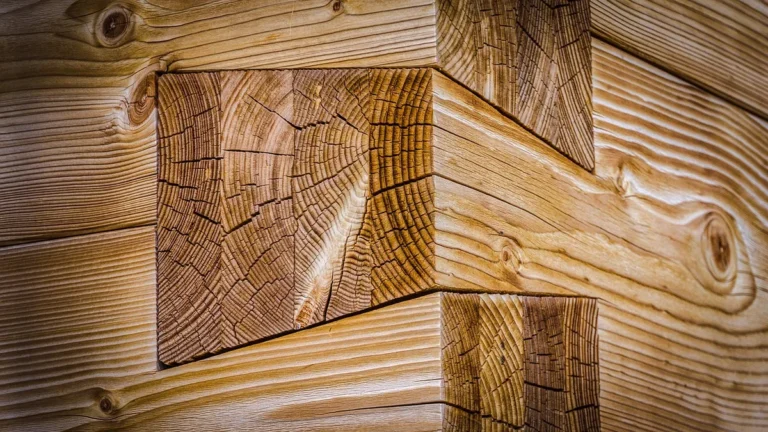
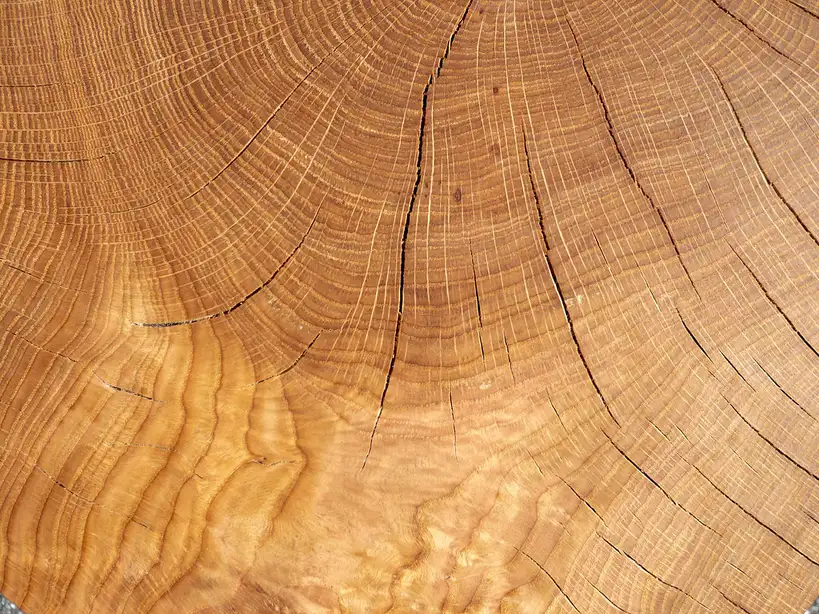
End grain is a bundle of straws. It pulls adhesive into the wood so fast that the surface can look wet while the bond line inside is dry, starved, or weak. A 2025 Forest Products Laboratory study cited in the brief found standard PVAs lose up to 40% strength on end grain, which is why this joint needs more than a quick squeeze and hope.
Suction, dry spots, and creep
The first failure mode is suction. Glue vanishes into the fibers before it can make a continuous film, and the joint ends up with dry spots. The second is creep under repeated load, especially when a joint sees moisture swings or ongoing stress. A wood glue that looks fine on face grain can still fail on end grain after a season of movement.
When the joint design matters more than the glue
Some joints are simply bad candidates for glue alone. WOODWEB states that gluing end grain without a special joint is very weak, and that warning fits raw butt joints, high-load repairs, and anything handled often. If the joint can be turned into a scarf, spline, dowel, or lap-style connection, that usually matters more than chasing a “stronger” bottle.
According to Ultimate Wood Turning Glue for End Grain Bonds (2026) — A 2025 Forest Products Laboratory study is cited as finding standard PVAs lose up to 40% strength on end grain.
Which glue works best on end grain joints?
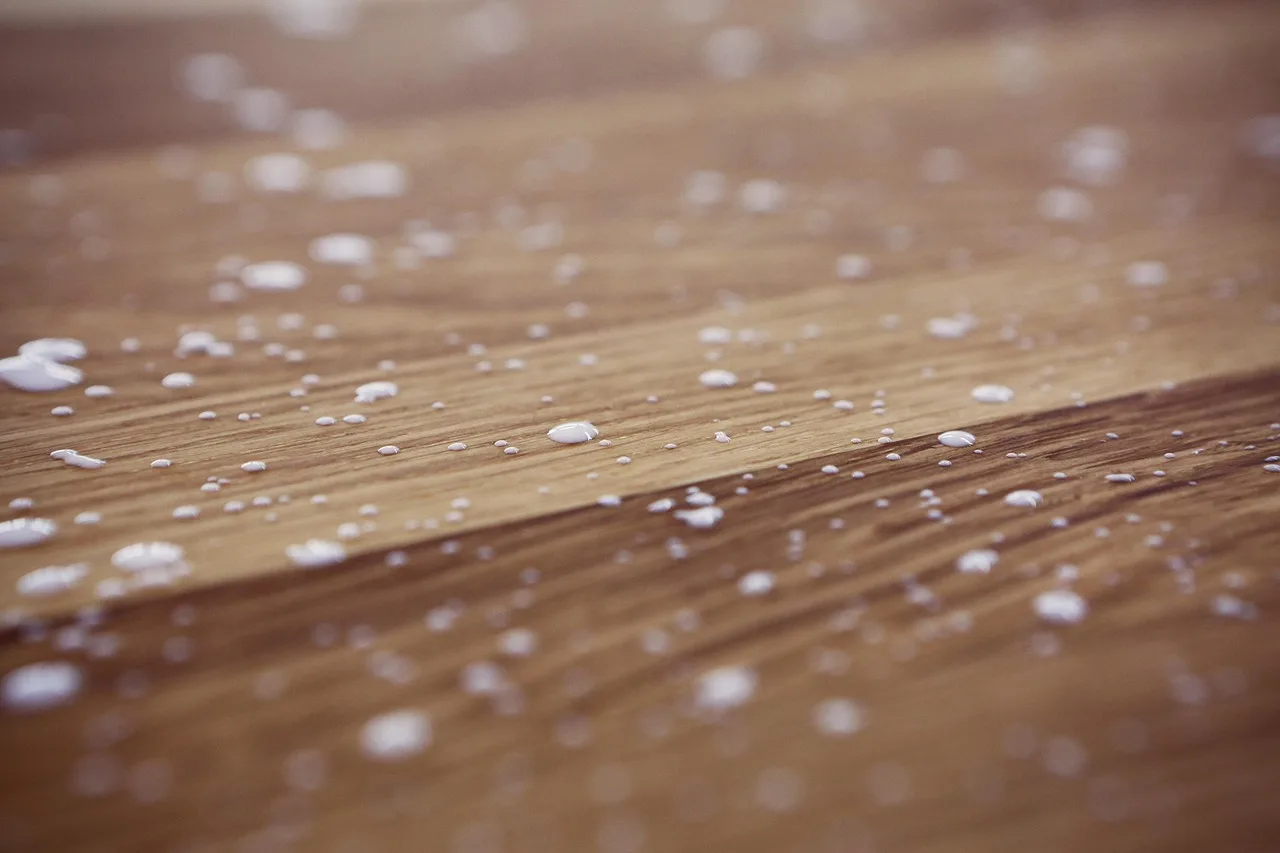
The best glue depends on the failure mode. For clean, porous work, PVA is usually the default. For outdoor work, oily species, or rough-fit repairs, polyurethane or epoxy can make more sense. For tiny parts, inlays, and segmented work, cyanoacrylate is often the fastest practical choice, especially when an activator is part of the process.
Quick comparison by glue family
| Glue family | Best use on end grain | Known limitation | Clamp or set behavior | Moisture resistance |
|---|---|---|---|---|
| PVA Type I | Clean porous joints, light furniture work | Can starve on thirsty end grain | Typical wood-glue clamp window; use firm, even pressure | Higher than basic PVA, but not a cure-all |
| PVA Type II | General shop work, moderate exposure | Still vulnerable to suction and creep | Typical wood-glue clamp window; avoid overclamping | Moderate water resistance |
| PVA Type III | Kitchen items and outdoor-adjacent work | Needs good prep and fit | Longer open time is helpful on larger glue-ups | Highest water resistance in the PVA group |
| Polyurethane | Outdoor use, tricky species, rougher fit | Foam is not strength; gap limits still apply | 10-15 minute open time and 1-2 hour clamp time | Good for moisture exposure |
| Epoxy | Repairs, gaps, oily or difficult wood | Cost, cure time, and mess | 4-24 hour clamp time | Excellent when correctly mixed and cured |
| Cyanoacrylate | Small parts, inlays, segmented work, fast fixes | Brittle on larger stressed joints | Sets in seconds | Poor choice for wet service unless sealed by design |
Brand examples that fit the category
Titebond III Ultimate Wood Glue is positioned for waterproof bonds on outdoor or kitchen items. Gorilla Wood Glue is presented as a budget-friendly everyday wood glue. Starbond Thin CA Glue is recommended for instant bonds in fine repairs, inlays, or segmented work, while Bob Smith Industries Insta-Cure+ is described as gap-filling CA glue for small repairs and tight joints.
When does PVA wood glue make sense?
PVA makes sense when the end grain is clean, the fit is honest, and the joint is not asked to carry abuse by itself. Type I, Type II, and Type III all work best on porous wood that can take a properly applied film, but they still need prep and clamping discipline to avoid a starved joint.
Type I, Type II, and Type III differences
Type I PVA is the stronger water-resistant option in the family, with a published range of 3,000-4,000 psi in the comparison table. Type II sits around 3,500-4,500 psi there, and Type III is the version to reach for when water resistance matters most, such as kitchen items or outdoor-adjacent work. Titebond III fits that role well.
Open time, clamp time, and cure time
PVA gives enough open time for a controlled glue-up, but end grain shortens the useful window because it pulls glue fast. Clamp time must be long enough for full contact, yet not so hard that all adhesive is pressed out. Cure time is longer than clamp time, and on end grain that gap matters because the inner bond can still be developing after the clamps come off.
Where to use it and where to avoid it
Use PVA on dry, clean, close-fitting end grain when the joint is reinforced or lightly loaded. Avoid relying on it alone for raw butt joints, outdoor work with frequent wetting, or joints that flex under use. If the part can be reworked into a spline or doweled connection, PVA becomes a much better option.
Should you use polyurethane or epoxy instead?
Use polyurethane when you need moisture tolerance and a little gap tolerance, but the fit is still reasonably close. Use epoxy when the wood is oily, the gap is real, or the repair is structural and can wait for a longer cure. Neither one fixes bad design; both still want a sound fit and clean wood.
Polyurethane glue on end grain and oily wood
Polyurethane glue expands as it cures, which can help bridge tiny voids but can also create cleanup problems if the fit is loose. It works well on end grain and is often a sensible choice for outdoor parts and some exotic species. Wetting end grain before application is a practical step here, because a little moisture helps the chemistry move.
Epoxy for structural repairs and gap filling
Epoxy is a two-part resin and hardener system that brings true gap-filling ability. It is the better choice for structural repair work, loose end grain repairs, and woods that fight ordinary PVA. The comparison table lists epoxy at 4,000-7,000 psi with 4-24 hour clamp time, which reflects why it is slower but more forgiving.
How to choose between them
Pick polyurethane if the joint is reasonably tight, moisture is part of the story, and you want a simpler field-friendly adhesive. Pick epoxy if fit is poor, species are oily or difficult, or the repair must bridge damage and still carry load. For anything decorative or tiny, CA may be the cleaner answer.
How do you make end grain joints stronger?
Start by cutting suction. Pre-coat or size the end grain so the first layer fills the thirsty fibers, then apply the final glue film. Add sensible clamp pressure, but stop before the joint starves. The biggest gains usually come from better prep and better geometry, not from switching to a hotter glue bottle.
Sizing or pre-coating the end grain
A thin coat of glue wiped or brushed into the end grain first can cut down the straw effect. After that layer grabs, the final glue coat has a fighting chance of staying at the bond line. This is especially useful on softwoods, open-pored hardwoods, and end-grain patches that look dry within seconds.
Clamp pressure without starving the joint
Clamp pressure should be firm enough to bring surfaces into full contact, but not so high that adhesive is squeezed out of the bond line. In normal woodworking, medium pressure is safer than brute force. If squeeze-out vanishes instantly and dry wood peeks through, the joint may already be starved.
Reinforcement methods that actually help
- Splines: excellent for end-grain miter or butt-style repairs because they add long-grain glue area.
- Dowels: useful for alignment and added shear resistance in furniture repairs.
- Biscuits: helpful for registration, though they are not a cure for a weak joint on their own.
- Scarf or miter alternatives: better than raw butt joints when the part can be redesigned.
- Thin plywood or lamination layers: useful when a larger glued face can replace a small end-grain contact patch.
Decision matrix: choose glue, prep, and reinforcement
Use this matrix as a failure-mode guide, not a popularity contest. It separates raw butt joints from cutting-board work, segmented parts, and repairs, because those jobs fail for different reasons and need different fixes.
| Joint type | Load | Wood species | Moisture exposure | Best adhesive | Prep method | Reinforcement | Cost per joint |
|---|---|---|---|---|---|---|---|
| Raw end-grain butt joint | Low | Porous softwood | Dry interior | PVA Type III if the joint must stay simple | Sand, clean, size the end grain, dry fit | Best to add splines or dowels | About $0.05 to $0.15 in glue |
| Cutting board lamination | Moderate | Hardwood | Frequent wet service | PVA Type III or epoxy for repairs | Flat faces, dry stock, light pre-coat on thirsty edges | Not usually needed if the grain direction and layout are correct | About $0.10 to $0.30 in glue |
| Segmented ring or turning blank | Moderate to high | Mixed hardwoods | Dry interior | Thin CA or epoxy depending on fit | Perfect dry fit, dust-free surfaces, fast assembly | Ring layout and segment count matter more than extra glue | About $0.20 to $0.60 in glue |
| Outdoor repair on oily species | Moderate | Teak-like or other difficult woods | Outdoor or damp | Epoxy, or polyurethane for tighter fits | Scrape to bare wood, wipe clean, control moisture | Dowels or a scarf joint if the part permits it | About $0.50 to $1.50 in glue |
| Small inlay or precision patch | Low | Stable interior stock | Dry interior | Thin CA or gap-filling CA | Dry fit, precise edges, minimal glue | Usually none | About $0.05 to $0.20 in glue |
How should you glue end grain cutting boards and butt joints?
For cutting boards, the reliable method is face-to-face or edge-to-edge long-grain bonding wherever possible, not raw end-grain contact. For furniture butt joints, use glue only when the joint is reinforced or lightly loaded. Dry fitting matters here because once clamps are on, there is little room to correct squeeze-out or misalignment.
Cutting board laminations and end-grain sections
Woodcraft’s end grain cutting board guide is explicitly about choosing glue for end grain cutting boards, and that category is where PVA Type III usually earns its keep. If the board is true end-grain style, expect more glue use, more surface prep, and more dependence on flat assembly. End grain cutting board work takes good PVA or epoxy better than raw butt joints do.
Furniture butt joints and repair work
For furniture butt joints, do not depend on glue alone if the part carries load. A dowel, spline, biscuit for registration, or a better joint shape usually matters more than the adhesive choice. For repair work, epoxy or gap-filling CA may save a damaged part, but only if the remaining wood is sound.
Frequently asked questions
What is the best wood glue for end grain joints?
The best wood glue for end grain joints depends on the job. PVA works for clean, porous, lightly loaded joints, polyurethane helps with moisture and tricky woods, epoxy is best for gaps and repairs, and CA is ideal for small precision work. Glue choice should follow failure mode, not brand hype.
Does PVA work on end grain joints?
Yes, PVA works on end grain joints when the wood is clean, dry, and sized first. It is weaker on raw end grain because the fibers pull in adhesive, and a 2025 Forest Products Laboratory study cited in the brief found standard PVAs lose up to 40% strength on end grain. Reinforcement helps a lot.
Is epoxy better than wood glue for end grain?
Epoxy is better than ordinary wood glue when the joint has gaps, oily wood, or repair damage that needs bridging. It is not automatically better for every end-grain joint, because it is slower, costlier, and still depends on good prep. For tight, dry joints, PVA can be simpler and fully adequate.
Should I use polyurethane glue on end grain?
Use polyurethane glue on end grain when the joint is outdoors, sees moisture, or involves species that do not bond well with PVA. Its expanding behavior can help on imperfect fits, but it is not a substitute for real contact. Wetting end grain before application only when the product instructions call for it.
How do you make end grain glue joints stronger?
Make end grain glue joints stronger by sizing the fibers first, keeping the wood clean, using moderate clamp pressure, and adding reinforcement. Splines, dowels, and better joint shapes usually add more strength than a thicker glue bead. If the part carries real load, redesign the joint before trusting the adhesive.
Can you glue end grain to end grain without a special joint?
You can, but it is a poor choice for anything structural. WOODWEB’s warning is blunt: gluing end grain without a special joint is very weak. If the parts cannot be redesigned, use sizing, reinforcement, and a more forgiving adhesive such as epoxy or polyurethane rather than plain end-grain butt glue.
Sponsored / affiliate links. As an Amazon Associate I earn from qualifying purchases. I may earn additional commission from eligible campaigns.