Best Wood Hardener for Rotted Wood Repair: we compared
Choose the best wood hardener by salvageability: use a penetrating epoxy hardener for soft, load-bearing wood, and use a light consolidant only when rot is shallow, dry, and very thin. Pick wrong, and the repair can stay brittle, fail under screws, or trap decay inside the piece. I sort repairs by what the wood still has left, then buy from there.
This guide is part of our Wood care and protection series.
Quick comparison
| Product | Badge | Best for | Price | ||
|---|---|---|---|---|---|
 |
Minwax High Performance Wood Hardener, 1 PintMinwax | Our pick | Deep-penetrating resin for rotted wood | $18.35
Price as of 8 Oct 2026
|
View |
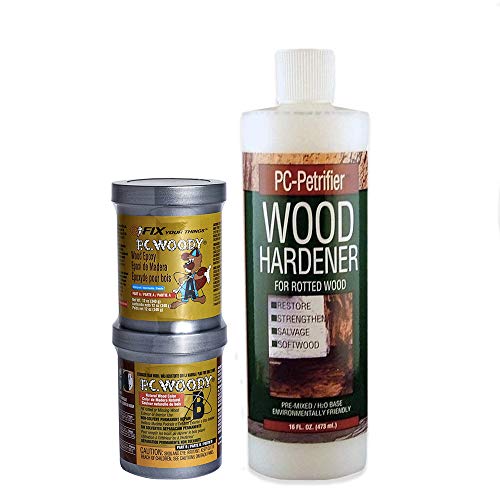 |
PC-Products PC-Woody Wood Repair Epoxy Paste, Two-Part 12PC Products | Also great | Hardener + epoxy paste repair kit | $23.59
Price as of 8 Oct 2026
|
View |
For most light-to-moderate rot repairs, the practical first choice is a penetrating consolidant such as J-B Weld Wood Restore Liquid Hardener because it fits the usual salvage path before filler or putty. When the damage is structural, the better path shifts to a two-part epoxy system, not a simple hardener.
How we chose
The main filter was salvageability. If the wood still holds shape after loose decay is removed, a penetrating hardener can usually stabilize it; if the part is carrying load, has deep rot, or keeps getting wet, epoxy or replacement moves ahead.
I also weighed how far the product reaches into softened fibers, whether it pairs cleanly with filler or putty, how much risk it leaves behind in a structural part, and whether the repair costs less than replacing the piece outright.
What is the best wood hardener for rotted wood repair?
The best wood hardener depends on damage severity. For shallow, dry surface rot, a single-part penetrating hardener is usually the right first step because it soaks into softened fibers and prepares them for filler. For structural repairs, a two-part epoxy wood hardener is the better match because it builds a stronger repair system.
In practice, the “best” choice is the one that matches the wood’s condition, not the one with the strongest label claim. If the part is still sound after loose rot is removed, a penetrant can save it. If the wood is carrying load or the decay goes deep, epoxy is the safer path.
Top pick for light-to-moderate rot
J-B Weld Wood Restore Liquid Hardener is the best fit for common trim and furniture repairs where the wood is softened but still salvageable. It comes in a 16 oz size, is priced at $11.99, dries clear, is water resistant, and is meant for wood and rotted wood.
It stands out because it follows the usual repair sequence: harden first, then fill. That matters on chair arms, casing, window trim, and other parts where the rotten area is small enough to stabilize before patching.
The drawback is simple. It is not a structural fix for crumbling joints, wet decay, or wood that has already lost its bearing strength.
Best fit for structural repair systems
When rot is severe or the part carries load, a two-part epoxy wood hardener system is the better choice. These systems are built to reinforce more damaged wood and work with epoxy fillers, which is why they are used on deeper repairs than a simple one-part consolidant.
The tradeoff is more work and more cost, but that is often worth it when the piece would otherwise need replacement. For fascia, rail ends, stair parts, and heavy furniture members, a structural epoxy path is usually the honest call.
J-B Weld Wood Restore Liquid Hardener: best for light surface rot
This is the right pick for dry, shallow rot where the remaining wood still has some body and the repair will be finished with filler or putty. Based on the spec sheet and owner feedback, it fits furniture and trim better than a heavy rebuild product because it penetrates softened wood and dries clear.
What stands out is the repair sequence. Strip out the loose, decayed fibers first, then brush on the hardener until the weak wood stops soaking it up, then wait for it to harden before filling. I use that timing on small soft spots all the time, especially where appearance matters.
The drawback is that it does not solve badly failed wood. If the end grain is crumbly, the part is wet, or a screw has nothing left to bite into, this kind of consolidant is the wrong tool.
PC-Products PC-Woody Wood Repair Epoxy Paste, Two-Part 12 oz, and PC-Petrifier Wood Hardener 16 oz, Kit: best for filling softened areas
This kit is for repairs that need hardening plus rebuild work. The hardener strengthens compromised wood, and the two-part epoxy paste fills the softened or missing area afterward, which makes it a better fit when the repair needs shape as well as stabilization.
It stands out because the paste can be painted or stained after cure, so it suits exterior trim, furniture edges, and other parts where a filler-only patch would not hold up. Based on specs and reviews, this kind of combined system is stronger than a basic wood filler used over soft fibers.
The drawback is cost and complexity. A kit like this makes sense when the repair is worth saving, but it is more product than a small cosmetic chip needs.
Should I use wood hardener or epoxy for rot?
Use wood hardener for shallow, dry, non-structural rot where the fibers are softened but still present. Use epoxy when the damage is deeper, the part carries load, or the wood has lost enough strength that a simple penetrant would only stiffen a failing shell.
This is where many repairs go wrong. People treat every rotten board the same way, then wonder why screws strip out or the repair cracks later. Light surface rot can usually be handled with a single-part penetrating hardener. Structural repairs call for a two-part epoxy wood hardener.
Cost matters too. A small penetrant repair is cheap compared with replacement, especially on trim or furniture parts. But once the wood is wet, deep, or structurally important, the labor and materials for epoxy can approach the cost of swapping the part entirely.
When is wood too far gone to harden?
Wood is too far gone when it stays soft after the loose material is removed, crumbles into fibers or dust, feels hollow, or keeps showing wet rot. If the part is structural and the damage has reached the load path, hardener is not the safe answer.
That threshold is about fiber quality, not appearance. Surface discoloration alone is not the issue. The warning signs are visible softness, depth beyond the outer layer, crumbly end grain, recurring moisture, and joints that no longer hold fasteners.
Replacement is the safer call when the part has failed in a way that hardener cannot restore. A rotted fence post base, a stair tread edge that flexes, or a joint that has turned punky across its thickness should not be treated like a trim patch.
Salvage-or-replace decision table
| Wood condition | Depth of rot | Moisture status | Structural part? | Best path |
|---|---|---|---|---|
| Firm outer shape, only surface softness | Under 1/4 inch | Dry, clean, no active leak | No | Penetrating hardener, then filler or putty |
| Softened fibers after loose rot is removed | Shallow to moderate | Dry enough for consolidation | No | Penetrating hardener with multiple coats, then epoxy putty |
| Crumbly end grain, hollow feel, or fibers breaking away | Deep | Dry but badly degraded | Maybe | Two-part epoxy repair system or replacement, depending on load |
| Wet, spongy, or recurring dampness | Any meaningful depth | Not dry | No or yes | Stop and fix moisture first; repair later or replace |
| Failed load-bearing joint, post, tread, or rail | Moderate to deep | Dry or wet | Yes | Replace or use a structural epoxy repair only if the repair design is sound |
What do I apply to rotted wood before epoxy putty?
Apply a wood hardener or consolidant before epoxy putty, after all loose, soft, or decayed material has been removed and the wood is dry and clean. The hardener saturates softened fibers, reinforces them, and gives the putty something firmer to bond to.
Epoxy putty should not be asked to stabilize mushy wood by itself. It is the rebuild step, not the consolidation step. J-B Weld Wood Restore Premium Epoxy Putty fits this role well because it comes after hardening and is meant for filling softened areas and rebuilding shape.
If the substrate is still dusty, oily, or damp, the bond suffers. Clean the surface fully, then harden, then fill.
Can I use wood hardener before wood filler?
Yes. That is the normal sequence. Wood hardener strengthens rotted or softened wood first, then filler or putty goes on once the substrate is firm enough to hold the patch. Using filler alone over soft fibers usually leads to a patch that breaks loose.
For the best result, strip out the decayed wood, let the piece dry, apply the hardener with a disposable brush, and keep going until the surface starts to look shiny from saturation. Multiple coats may be needed for better penetration.
After the hardener cures, a filler or epoxy putty can shape the repair. Then the surface can be sanded, painted, or stained as part of the normal finish sequence.
How long does wood hardener take to dry?
For the products in this repair path, the hardener should be allowed a few hours to harden before filling. That window gives the penetrant time to set up enough for epoxy putty or filler to bond properly instead of sinking into a weak surface.
Dry time changes with temperature, wood porosity, and how much product the repair needs. A dry, open-grained repair may firm up faster than dense trim, but the safer approach is to wait for the substrate to feel hard before moving to the next step.
If the surface still feels tacky or soft, stop and wait. Filling too early can trap solvent, weaken the bond, or make the repair cure unevenly.
Does wood hardener work on soft, decayed wood?
Yes, but only when the decay is still salvageable. A penetrating hardener can saturate softened wood, reinforce fibers, and help stop further decay after the loose material is removed. It works best on dry, shallow damage where the wood still has structure left to save.
It does not work well on wet wood, crumbly end grain, or wood that has already lost its shape. If the piece collapses when pressed or the rot extends into a joint or load path, hardener alone is not enough.
Think of it as fiber reinforcement, not resurrection. It can save a partly damaged piece. It cannot rebuild a failed one by itself.
When is a two-part epoxy wood hardener better than a penetrating hardener?
A two-part epoxy wood hardener is better when the repair has real structural risk, deeper rot, or a larger rebuild area. The extra strength and longer-lasting repair are worth the added cost when the part must carry weight, resist movement, or hold fasteners again.
Single-part penetrating hardener is the better choice for light surface rot because it is easier, faster, and usually enough for shallow damage. Once the wood is deep-soft, split, or structurally important, epoxy systems paired with epoxy filler become the more honest repair.
That split saves money over time. A small trim repair can be economical with a penetrant. A bad joint saved with the wrong product often costs more later than replacing the part now.
Which one should you buy?
For budget-friendly trim rot, buy a single-part penetrating hardener such as J-B Weld Wood Restore Liquid Hardener if the wood is dry, lightly softened, and not load-bearing. It fits the common repair path and keeps the process simple before filler or putty.
For furniture parts you plan to fill and paint, choose a hardener plus an epoxy putty system. The PC-Products kit is a strong fit when consolidation and rebuild work need to happen in the same repair, especially on edges, corners, and broken-out sections.
For structural damage, skip the idea that a light consolidant will be enough. A two-part epoxy wood hardener or outright replacement is usually the safer decision for rails, posts, treads, and joints that must stay strong.
Frequently asked questions
What is the best wood hardener for rotted wood repair?
The best wood hardener depends on damage severity. Light surface rot can usually be handled with a single-part penetrating hardener, while structural repairs call for a two-part epoxy wood hardener. The right choice is the one that matches the wood’s condition, not the one with the loudest claim.
Should I use wood hardener or epoxy for rot?
Use wood hardener when the rot is shallow, dry, and non-structural, especially after loose material has been removed. Use epoxy when the part carries load, the rot goes deep, or the wood needs more than consolidation to hold together. The split between them is about strength, not convenience.
How do I know if rotted wood is too far gone to harden?
If the wood stays soft after cleanup, crumbles into dust or fibers, feels hollow, or shows recurring moisture damage, it is usually too far gone for hardener alone. Structural parts with that kind of damage should be replaced or repaired with a structural epoxy system, not treated like a cosmetic patch.
Can I use wood hardener before wood filler?
Yes. Hardener should go on first, after all loose, soft, or decayed wood is removed and the surface is dry and clean. Once the fibers are reinforced and the surface has hardened, filler or epoxy putty can rebuild the missing shape without breaking through the weak wood underneath.
How long does wood hardener take to dry?
A good working rule is 2 to 4 hours before filling, though the exact feel depends on temperature, porosity, and how much product the wood absorbs. Wait until the surface is hard, not tacky. If it still feels soft, the repair is not ready for filler or putty.
What do I apply to rotted wood before epoxy putty?
Apply a wood hardener or consolidant first, but only after removing loose decay and making sure the wood is dry and clean. The hardener gives epoxy putty a firmer base to bond to and keeps the putty from sinking into weak fibers or failing at the edge of the repair.
Sponsored / affiliate links. As an Amazon Associate I earn from qualifying purchases. I may earn additional commission from eligible campaigns.