Best Wood Cleaner for Deck Furniture (2026): we compared
The best overall cleaner for weathered deck furniture is Supply Masters Sodium Percarbonate Powder because oxygen bleach fits gray oxidation, organic grime, and many mildew-stained outdoor woods without the bite of chlorine bleach. For tannin or rust marks, add an oxalic-acid brightener after cleaning.
Quick comparison
| Product | Badge | Best for | Price | ||
|---|---|---|---|---|---|
 |
Supply Masters Sodium Percarbonate Powder 5 lbs –Supply Masters | Budget pick | 5 lbs oxygen bleach powder | $28.99
Price as of 12 Oct 2026
|
View |
 |
TeakGuard Finish, Premium Teak Cleaner and Brightener,TeakGuard | Our pick | 64 oz water-based teak restorer | $68.70
Price as of 12 Oct 2026
|
View |
 |
Better Life Floor Cleaner Concentrate – Liquid MultipurposeBetter Life | Also great | 1 gal citrus mint floor concentrate | $38.99
Price as of 12 Oct 2026
|
View |
 |
Restore-A-Deck Wood Brightener – Neutralizes & BrightensRestore-A- Deck | Pair with it | Powdered wood brightener and neutralizer | $54.99
Price as of 12 Oct 2026
|
View |
 |
Furniture Clinic Garden Furniture Restoration Kit, RevivesFurniture Clinic | Upgrade pick | Garden furniture wood restoration kit | $69.95
Price as of 12 Oct 2026
|
View |
Use the table below to match the cleaner to the damage, not just to the furniture type. Weathered deck furniture often needs a cleaner plus a follow-up brightener, especially before oiling or sealing.
The right choice changes with the wood species, finish condition, and whether the problem is gray UV oxidation, mildew, grease, or tannin staining.
How we chose
Selection here rests on cleaner chemistry, outdoor-wood compatibility, and the job each product is made to do. We also weighed whether the product fits furniture slats, aged joints, and mixed-material pieces better than a generic deck wash.
Coverage control mattered too. For concentrates, a pump sprayer or pressure sprayer helps keep dwell time even. For aged wood, rinse safety and low-scratch agitation matter just as much as cleaning power.
Use Bob Vila’s testing frame as a reference point: 10 wood cleaners tested, 5 hours spent testing, and a price range of $5 to $24, with Murphy Original Formula Oil Soap as top overall and Howard Products Orange Oil Wood Polish as best for furniture.
Supply Masters Sodium Percarbonate Powder: best for gray weathering and grime
This is the cleaner to start with when weathered gray wood has surface dirt, pollen film, and dulling from sun exposure. Oxygenated wood cleaner works by releasing an oxidizing action in water, so it fits cedar, pine, teak, and pressure-treated furniture that needs a broad reset before any brightener step.
It is sold as a 5 lbs oxygen bleach powder, so you mix it with water before use. A pump sprayer gives you better coverage on slats and chair backs than pouring or brushing, and a soft-bristle brush helps work the cleaner into grain lines and corners without gouging the fibers.
The drawback is that oxygen bleach is not the best fix for dark tannin streaks, rust marks, or heavy mildew staining by itself. On those problems, you may still need a brightener or a dedicated mildew remover after the wash step.
TeakGuard Finish: best for teak restoration and protection
Choose this for teak furniture that has turned silvery gray and needs both color recovery and a protective finish step. TeakGuard is built for teak specifically, which matters because teak is oily, dense, and less forgiving of generic deck cleaners than softer woods.
The main advantage is that it combines cleaner, brightener, and protective function in a water-based, oil-free formula. That makes it a strong fit when you want a quicker restore path on outdoor teak chairs, benches, or tables that will later sit in sun and rain.
The drawback is its narrower fit. It is a teak-focused product, so it is less compelling if you are cleaning cedar, pine, painted furniture, or a mixed-material set with metal frames and wicker inserts.
Better Life Floor Cleaner Concentrate: best for intact finished furniture
This suits outdoor wood furniture that still has an intact finish and only needs routine soil removal. Based on the spec sheet and product positioning, it is the gentler choice when you are cleaning sealed surfaces rather than stripping gray oxidation or attacking mildew growth.
It is a no-rinse concentrate for mopping applications, which makes it better for maintenance cleaning than for restoration. That matters if the finish is sound and you want to avoid over-wetting joints, veneer edges, or decorative panels.
The drawback is that it is not a restoration cleaner. If the wood is weathered gray, chalky, or stained from mildew, this is too mild to do the real recovery work.
Restore-A-Deck Wood Brightener: best for restoring color after cleaning
This is the add-on step for wood that still looks flat or dark after cleaning. Wood brightener is usually oxalic-acid based, and it helps restore more of the original tone after the wash step while also neutralizing cleaner residue before sealing or staining.
It matters most on tannin stains, iron discoloration, and weathered surfaces that still read gray after the first rinse. A pump sprayer helps apply it evenly, then you rinse thoroughly so no brightener residue stays behind and interferes with stain adhesion.
The drawback is simple: it is not a standalone cleaner for grime or mildew. If you skip the wash step, the brightener can only do part of the job.
Furniture Clinic Garden Furniture Restoration Kit: best for a full restore sequence
This is the right pick when you want cleaning, brightening, and oiling in one planned sequence rather than buying each piece separately. It fits outdoor wood furniture owners who want a guided process for gray, tired surfaces before refinishing.
The kit format is useful for common first-timer mistakes, such as cleaning once and sealing too soon, or brightening without first removing dirt and mildew. It also helps when the furniture has slats, arms, and aprons that need a consistent sequence across every surface.
The drawback is cost and flexibility. A kit is convenient, but if your problem is only mildew or only oxidation, a single-purpose cleaner may be more efficient.
What is the best wood cleaner for weathered deck furniture?
For most weathered deck furniture, an oxygenated wood cleaner is the best starting point because it removes gray oxidation and organic grime without the harshness of chlorine bleach. If the wood also has tannin stains, rust marks, or black water streaks, add an oxalic-acid brightener after the wash. For mildew-heavy pieces, use a dedicated mildew remover first.
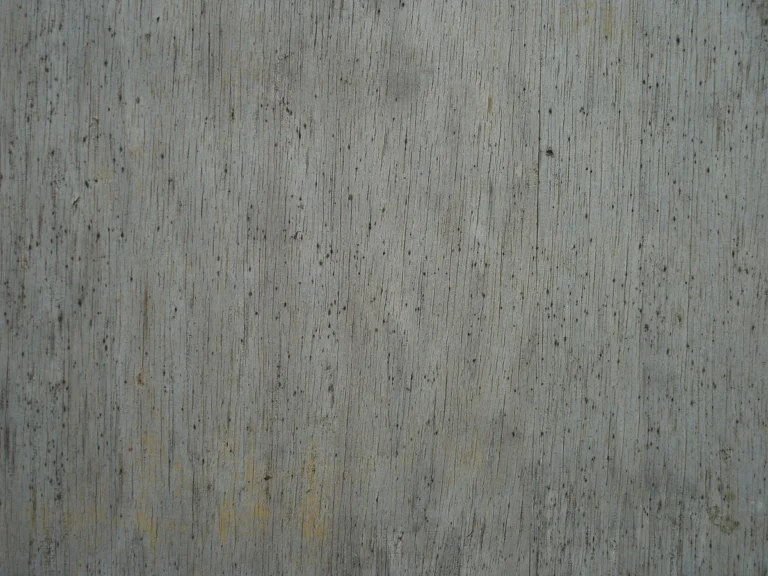
Weathered gray wood usually comes from UV oxidation plus surface dirt, so a mild wood soap rarely goes far enough. Suppose a cedar chair has turned flat gray on the arms and seat slats, with dark spots in the corners. An oxygen bleach cleaner with a soft-bristle brush is the correct first pass, followed by brightener if the tone still looks dull.
Can I use deck cleaner on outdoor wood furniture?
Yes, if the deck cleaner is made for exterior wood and the furniture has no fragile finish, loose glue joints, veneer, or mixed materials that could trap liquid. Furniture often needs gentler application control than deck boards, because slats, rails, and joinery can hold residue and moisture longer than open decking.
A deck cleaner is fine on many teak, cedar, pine, and pressure-treated pieces when you dilute it correctly and rinse completely. It is less suitable for painted furniture, sealed surfaces, wicker inserts, or pieces with metal hardware that may spot or corrode from runoff.
Do I need a wood brightener after cleaning gray furniture?
If the furniture is gray from sun exposure, a brightener is often worth adding after cleaning because it helps restore a more natural wood tone and prepares the surface for oiling or sealing. It is especially useful after oxygen bleach cleaning, which can leave wood clean but still flat in color.
Brightener matters most when you see tannin discoloration, iron staining, or a chalky cast that remains after rinsing. On teak and cedar, it can improve color consistency; on pine, it can help even out patchy cleanup before finish goes on.
What cleaner removes mildew from weathered wood furniture?
A dedicated mildew or mold remover is the best choice for shaded, damp furniture with active mildew staining. These products are made to kill mold and remove the stain, and they are typically paired with a rinse step so residue does not keep feeding discoloration or sticky buildup on the surface.
Use care with porous wood and older finishes. If the furniture is already weak, you should avoid soaking the joints. A soft-bristle brush and controlled spray application are safer than flooding the piece, especially on cedar and pine where fibers can lift fast.
Is a pressure washer safe for old outdoor wood furniture?
A pressure washer can damage old outdoor wood furniture if the pressure is too high or the nozzle is held too close, so a garden hose rinse is the safer default. On aged wood, the goal is to remove cleaner residue, not blast away fibers, joints, or finish edges.
If pressure is used at all, keep it low and wide, and avoid concentrating on end grain, glue lines, and softened corners. A soft-bristle brush still matters because it loosens grime from grain and slats without the fuzzing that can follow aggressive washing.
How do I clean weathered teak or cedar patio furniture?
Start with a wood cleaner matched to the damage: oxygen bleach for gray grime, mildew remover for damp shade stains, and brightener if the wood still looks dull after rinsing. Teak usually benefits from teak-specific care, while cedar responds well to controlled cleaning and a careful rinse before any seal or oil step.
A common first-timer mistake is to apply the cleaner and let it sit without scrubbing the grooves where weathered grime has settled. That leaves dirt in slat edges and around fasteners. Use a pump sprayer for even dwell time, scrub lightly with a soft-bristle brush, then rinse with a garden hose. If the cedar or teak is still blotchy, brighten before finishing.
Which wood cleaner works best before sealing outdoor furniture?
The best cleaner before sealing is one that leaves the wood clean, residue-light, and ready for even finish absorption. For most weathered furniture, that means oxygen bleach cleaning first, then a brightener to neutralize residue and even out color before oil or sealer goes on.
For teak, a teak cleaner and brightener system is the better fit. For pine or cedar, a standard oxygenated cleaner plus oxalic brightener usually gives a cleaner surface for sealers. Avoid oily furniture polishes right before sealing, because they can interfere with adhesion.
Which one should you buy
If you want one product for most gray, dirty outdoor furniture, buy the Supply Masters sodium percarbonate powder. If teak is the main material, TeakGuard is the most species-specific option. For a full restoration path, the Furniture Clinic kit is the most guided choice.
Choose Better Life only when the finish is intact and you are doing maintenance cleaning, not restoration. Choose Restore-A-Deck brightener when the wash step is done and the wood still looks flat, blotchy, or tannin-stained. For mildew in shade, a dedicated mildew remover is the right chemistry before anything else.
Budget also matters. Bob Vila’s testing frame put comparable wood-cleaner products in a $5 to $24 range, but specialty outdoor-furniture formulas can cost more because they solve more than simple dirt removal. If your piece needs cleaning plus brightening, the total cost may be lower when you buy one system rather than piecing it together.
Quick picks
| Problem type | Cleaner type | Tool | Dwell time | Rinse method | Brightener needed? |
|---|---|---|---|---|---|
| Gray oxidation | Oxygenated wood cleaner | Pump sprayer + soft-bristle brush | Per label, keep surface evenly wet | Garden hose; low-pressure rinse if needed | Often yes for color recovery |
| Mildew | Mildew/mold remover | Pump sprayer + brush in crevices | Per label, do not let it dry | Thorough hose rinse | Sometimes, if the wood stays gray |
| Grease | Mild wood soap or general exterior cleaner | Soft-bristle brush | Short dwell, then agitate | Hose rinse | No, unless color remains flat |
| Old finish | Cleaner matched to finish type, often oxygenated or maintenance soap | Brush for edges and slats | Short and controlled | Hose rinse; avoid soaking joints | Usually no unless you plan to strip and refinish |
| Tannin stains | Oxalic-acid wood brightener after cleaning | Pump sprayer | Per label | Full hose rinse | Yes, this is the right follow-up |
For most weathered deck furniture, the sequence is cleaner first, brightener second when needed, then rinse thoroughly and let the wood dry before oiling or sealing. That order keeps residue from getting trapped under a finish.
How to choose
Start with the damage, not the brand. Gray weathering calls for oxygen bleach; mildew calls for a mildew remover; tannin or rust marks call for oxalic acid brightener. If the finish is intact, use a milder cleaner and stop before the surface turns fuzzy.
- Identify the wood species: teak, cedar, pine, painted, or sealed.
- Match the cleaner chemistry to the stain or weathering pattern.
- Use a pump sprayer for concentrates so coverage stays even.
- Agitate slats and crevices with a soft-bristle brush.
- Rinse with a garden hose unless the product label clearly allows a low-pressure rinse.
- Add brightener only when the wood still looks gray, blotchy, or stained after cleaning.
- Let the piece dry fully before sealing, oiling, or painting.
Say your patio set has cedar arms, pine slats, and a few black mildew spots after a wet season. A dedicated mildew remover on the stained areas, followed by oxygen bleach on the gray panels and then a brightener, is more effective than one general cleaner used everywhere.
Frequently asked questions
How often should outdoor wood furniture be cleaned?
Most outdoor wood furniture should be cleaned at least once a season, and more often if it sits under trees, near sprinklers, or in shade where mildew builds faster. If the finish is intact, maintenance cleaning can be gentle. If the wood is graying or staining, move to a full restore sequence.
Sponsored / affiliate links. As an Amazon Associate I earn from qualifying purchases. I may earn additional commission from eligible campaigns.