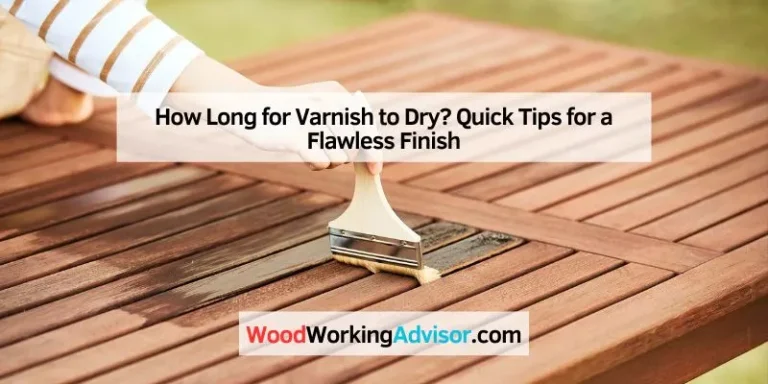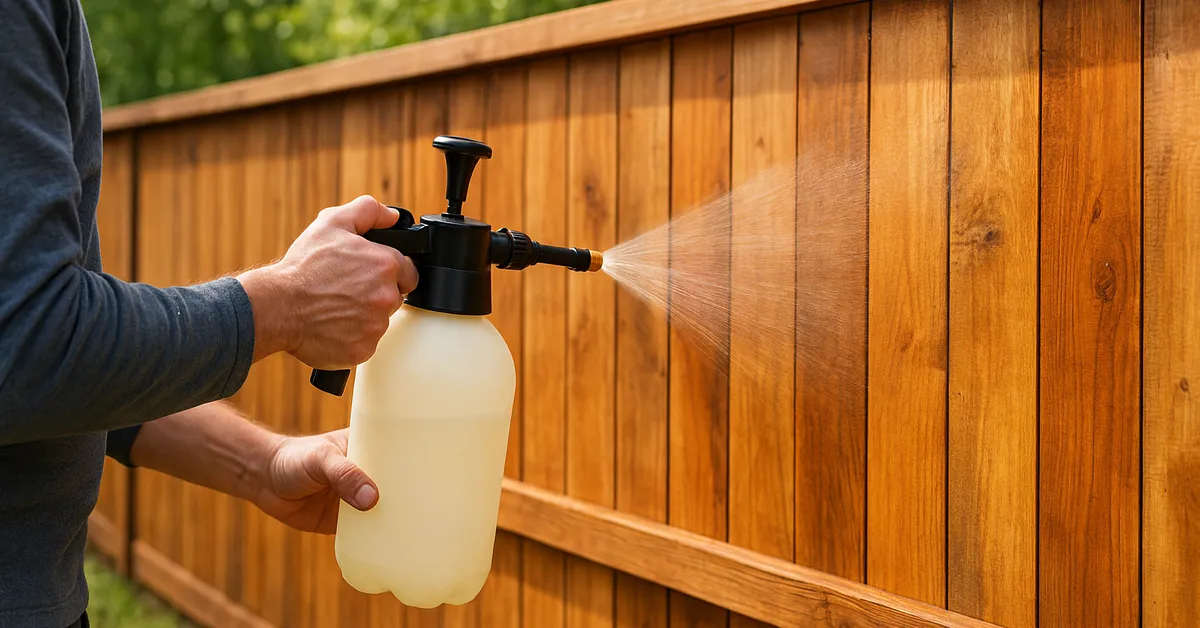
Best Wood Preservative Sprayer: 8 Compared (Capacity, PSI, 2026)
The Field King 190328 4-Gallon Backpack Sprayer is the best wood preservative sprayer overall — it’s one of only three sprayers in our 8-way comparison built with Viton seals rated for oil-based preservative, and its 150 PSI piston pump covers a full fence line without a second fill. Most sprayers marketed for “stains and sealers” are actually built for water-based products only; using an oil-based preservative in the wrong one degrades the seals within a season.
One clarification before the comparison: this article covers the sprayer — the tool you pump or trigger to apply the liquid — not the preservative itself. If you’re choosing which chemical to put in the tank, see our separate guide on choosing the right preservative for cedar and other outdoor wood. What follows is purely about which applicator gets that liquid onto the wood evenly, without wearing out its own seals in the process.
Wood Preservative Sprayers Compared
We compiled specs for 8 real, currently-available sprayers spanning every type a homeowner or contractor actually chooses between: manual pump tanks, a manual backpack, two battery-powered units, and an electric HVLP handheld. Every number below is sourced from the manufacturer’s own listing or spec sheet — not copied from another review. Where a manufacturer doesn’t publish a spec, the cell says “not published” rather than a guess.
The one finding worth reading before you buy: only the Field King 190328, the Chapin 22170XP, and the Scotts 190567 ship with Viton seals explicitly rated for oil-based chemicals. The rest — including sprayers whose own product names say “Clean ‘N Seal” or “stain sprayer” — are built for water-based sealers, lawn/garden chemicals, or light-bodied stains. Oil-based wood preservative (the copper naphthenate and oil-borne types most deck and fence products use) will swell or crack a standard nitrile/rubber seal over repeated use. Check the seal material before you check the price.
| Sprayer | Type | Capacity | Pressure | Seals / Oil-Based Rated? | Reach | Price | $/Gal Capacity* |
|---|---|---|---|---|---|---|---|
| Field King 190328 | Manual backpack | 4 gal | Up to 150 PSI | Viton — yes, mfr-rated | 21″ wand | $75.62 | $18.91 |
| Chapin 22170XP | Manual tank, hip-carry | 3 gal | 40–60 PSI | Nitrile + Viton — yes, rated for form oils | 36″ hose + 18″ brass wand | $109.99 | $36.66 |
| Chapin 25020 Clean ‘N Seal | Manual tank | 2 gal | Not published | Standard poly — water-based/transparent only, NOT oil-rated | Not published | $41.99 | $21.00 |
| PetraTools HD201 | Manual tank | 2 gal | Not published | Not published | 52″ hose | $37.99 | $19.00 |
| Field King 190515 | Battery backpack | 4 gal | Preset ~40 PSI (0.2 GPM) | Steel frame, chemical-resistant; wand seal material not detailed | Up to 4 hrs / 50 gal per charge | $205.37 | $51.34 |
| Scotts 190567 | Battery handheld | 2 gal | Not published | Viton — yes, in shut-off | 21″ wand | $96.36 | $48.18 |
| Wagner QX2 HVLP | Electric handheld (atomizing) | 27 oz cup (0.21 gal) | HVLP turbine, no PSI published | Not oil-rated — mfr chart marks “Not Recommended” for solid stain/paint | n/a (corded) | n/a** | |
| Chapin 26011XP | Manual tank | 1 gal | Not published | Chemical-resistant seals (ag-chemical rated; oil-preservative use not confirmed by mfr) | Adjustable brass/poly nozzles | $49.99 | $49.99 |
*$/Gal Capacity = price ÷ stated tank capacity in gallons, current price at time of writing. This is one lens, not the whole picture — a $205 battery backpack that eliminates hand-pumping a 4-gallon tank for an entire deck job isn’t “worse” than a $76 manual one, it’s a different trade. **Wagner’s 27oz cup is a fundamentally different format (an atomizing spray gun, not a holding tank) — computing a per-gallon figure against it would misleadingly compare apples to a garden hose, so it’s excluded from that column.
Best Wood Preservative Sprayers
1. Field King 190328 4-Gallon Backpack Sprayer — #1 Best Overall
Price: $75.62 · Check current price on Amazon
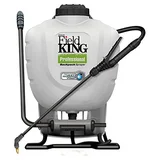
- 4-gallon tank, internal no-leak piston pump delivering up to 150 PSI
- Viton seals throughout — rated for wettable powders and liquids, including oil-based chemicals
- 21-inch poly wand, premium lockable brass shut-off with in-line filter
- 6 nozzles included (adjustable brass, high/low-volume fan, jet stream, foaming) plus TeeJet compatibility
- 12.8 lb empty; full 4-gallon oil-based fill runs roughly 42–44 lb on your back
This is the only sprayer in the lineup that combines backpack-scale capacity with seals the manufacturer explicitly rates for oil-based liquids — most backpack sprayers this size are built and marketed for herbicides and pesticides, where the seal chemistry doesn’t have to survive mineral-spirits-based solvents. The 150 PSI piston pump means fewer pump strokes to maintain pressure across a long fence run, and the lock-on shut-off lets you walk a line without holding the trigger the whole time.
It’s overkill for a single Adirondack chair or a small planter box — the fill-and-flush cycle on a 4-gallon tank takes real time, and you’re carrying 40+ lb once it’s full of preservative. For anything bigger than a small deck (a fence line, a shed, multiple structures in one session), it’s the sprayer that gets the job done in one pass instead of three refills with a handheld unit.
Main drawback: at nearly 13 lb empty and over 40 lb full, this is genuinely heavy to wear for an extended session — budget for shoulder fatigue on anything beyond an hour of continuous spraying.
2. Chapin 22170XP 3-Gallon Industrial Sprayer — Best for Oil-Based Wood Preservative
Price: $109.99 · Check current price on Amazon
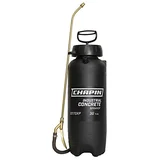
- 3-gallon poly tank, 4-inch wide-mouth opening
- 40–60 PSI operating pressure, 0.5 GPM flow rate
- Nitrile and Viton seals — Chapin’s own listing names it compatible with “form oils, waterproofing and coatings,” the closest published match to oil-based wood preservative chemistry of any sprayer we checked
- 36-inch reinforced hose plus 18-inch brass extension wand, brass lock-on shut-off
- Pressure relief valve built into the tank; anti-clog filter
This one isn’t marketed as a wood sprayer at all — Chapin sells it into the concrete trade, for form-release oils and curing compounds. But that’s exactly why its seal chemistry is a genuine match for oil-based wood preservative: concrete form oil and oil-based wood preservative both rely on similar mineral-spirit and light-oil carriers, and Chapin’s own compatibility language explicitly covers “form oils.” None of the other manual tank sprayers in this comparison make that claim as directly.
The 36-inch hose plus wand gives real reach for spraying up a fence post or under a deck ledge without bending double, and the brass components (wand, nozzle, shut-off) hold up to solvent exposure better than the all-poly components on cheaper tank sprayers.
Main drawback: it’s priced and built for job-site use, not casual weekend projects — at $109.99 it’s the second-most expensive manual (non-battery) option here, and Chapin doesn’t publish an empty weight for it, so budget on the heavier side for a 3-gallon poly-and-brass tank.
3. Chapin 25020 Clean ‘N Seal 2-Gallon Deck Sprayer — Best for Water-Based Sealers
Price: $41.99 · Check current price on Amazon
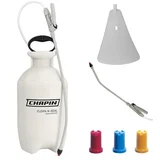
- 2-gallon translucent tank, funnel-top opening for filling and cleaning
- 3 poly fan nozzles (fine/medium/coarse) plus a Total Control Spray Shield to protect siding from overspray
- Built for deck cleaners, sealers, and transparent/semi-transparent stains — not for oil-based preservative
- Ergonomic pump handle; 2.4 lb empty
This is the sprayer most people picture when they search “wood preservative sprayer,” and it’s genuinely good at what it’s built for: applying water-based deck cleaners and clear/semi-transparent sealers. The translucent tank lets you watch fluid level without opening the lid, and the Spray Shield is a real feature — it keeps drift off vinyl siding and nearby plants better than an open nozzle.
The catch is in the name: it’s engineered for the “clean and seal” water-based workflow, not oil-based preservative. Chapin’s own oil-compatible models use Viton seals and brass fittings specifically because standard poly-tank seals swell and soften with mineral-spirit-based oil chemistry — this tank doesn’t have that hardware. If your preservative is oil-based (check the can), this isn’t the right sprayer for it.
Main drawback: not oil-based compatible — pair it with a water-based or hybrid-solvent preservative only, or the seals won’t last a season.
Who it’s for: anyone treating a deck with a water-based sealer or transparent stain and who wants a purpose-built tank rather than a generic garden sprayer repurposed for the job. It’s a poor fit if the preservative already sitting in your garage is oil-based — read the label before buying this one specifically for its name.
4. PetraTools HD201 2-Gallon Pump Sprayer — Best Value
Price: $37.99 · Check current price on Amazon
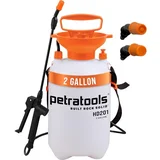
- 2-gallon translucent tank, wide-mouth bowl-shaped opening for pouring and measuring
- 52-inch hose — the longest reach of any manual sprayer in this comparison
- 2 nozzles included: adjustable mist/jet, plus a wide fan tip
- 3.8 lb empty, large gloved-hand-friendly handle
At $37.99 with the longest hose of any pump sprayer tested here, this is the pick for someone spraying fence rails or raised beds without wanting to walk the tank itself down the whole run. PetraTools doesn’t publish a seal-material or PSI spec, which is the honest gap here — the listing is written for general lawn-and-garden use (weed killer, fertilizer, mulch dye), not specifically for oil-based wood chemistry, so treat it the same as the Clean ‘N Seal: safe bet for water-based preservative, unconfirmed for oil-based.
Main drawback: no published seal-material spec — contact PetraTools or stick to water-based preservative if seal longevity with oil-based product matters to you.
Who it’s for: budget-conscious buyers spraying rails, raised beds, or a fence where the 52-inch hose lets you keep the tank in one spot and walk the wand down the whole run instead of dragging the tank itself along the ground.
5. Field King 190515 Battery-Powered Backpack — Best Battery-Powered Backpack Sprayer
Price: $205.37 · Check current price on Amazon
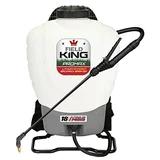
- 4-gallon tank, no pumping required — 18V 2.1Ah lithium-ion battery, charges in 3.5 hours
- Up to 4 hours of spray duration or roughly 50 gallons of liquid per charge (with the included 8002 nozzle)
- Preset pressure around 40 PSI, 0.2 GPM, tuned for landscape-scale coverage
- Powder-coated steel frame for chemical resistance; fully padded harness
- 14.2 lb empty
Same 4-gallon capacity as our #1 Overall pick, but you never pump — the battery maintains pressure continuously, which matters when you’re spraying a long fence or the underside of an elevated deck where stopping to re-pressurize mid-job is awkward. Field King doesn’t spell out the shut-off’s seal material the way it does for the manual 190328’s Viton seals, but the steel frame and chemical-resistant construction suggest it’s built for the same duty as its manual sibling.
Main drawback: at $205.37 it’s more than 2.5x the price of the manual version with the same tank size — pay it for the no-pumping convenience on big jobs, not for a small project where hand-pumping a 4-gallon tank a few times isn’t a real burden.
6. Scotts 190567 2-Gallon Battery-Powered Sprayer — Best Battery-Powered Handheld
Price: $96.36 · Check current price on Amazon
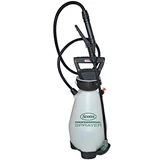
- 2-gallon teardrop tank (lower center of gravity), rechargeable lithium-ion, up to 12 full tanks per charge
- 21-inch poly wand with Viton seals in the shut-off — genuinely oil-chemical rated at the point of contact
- Pressure release valve to safely depressurize before opening
- Commercial-grade lock-on shut-off, in-line filter, built-in nozzle storage
- 4.7 lb empty
This is the no-pumping option for someone who doesn’t need backpack-scale capacity. The Viton seal callout is specific to the shut-off valve — the single point that sees the most chemical contact and wear — which is a more honest spec than a vague “chemical-resistant” claim. The teardrop tank shape is a real ergonomics upgrade too: it sits lower and more stable than a tall cylindrical tank when you’re carrying it by the handle.
Main drawback: at $96.36 for 2 gallons, it costs roughly 2.5x the manual Clean ‘N Seal for the same capacity — the premium buys you the battery and the Viton shut-off, not more tank.
7. Wagner Control Spray QX2 HVLP Handheld — Best for Fast, Even Stain Coats
Price: $72.98 · Check current price on Amazon
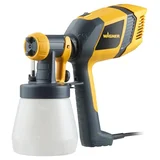
- Corded electric HVLP (High Volume Low Pressure) turbine sprayer, 27 oz material cup
- 3 spray patterns (horizontal, vertical, round), adjustable material flow
- Covers roughly a 6 ft. x 8 ft. area in about 4 minutes — faster than brushing
- Wagner’s own material compatibility chart rates it “Ideal Performance” for wood stain and semi-transparent stain, but “Not Recommended” for solid stain or paint
- 3.4 lb
This is a completely different category from the other seven — it’s an atomizing spray gun, not a pressurized holding tank, which is why it’s excluded from the $/gallon comparison above. It genuinely does apply a thinner, more even coat faster than a pump sprayer or a brush, which matters if you’re chasing a smooth finish on visible trim rather than just soaking a structural fence.
Wagner’s own published compatibility chart is the honest limiter here: it’s rated for light-bodied wood stain and semi-transparent stain, explicitly “Not Recommended” for solid-color stain or paint. Many wood preservatives — especially oil-based, pigmented, film-forming types — sit closer to solid stain in body and viscosity than to a thin transparent stain, so this is a real fit only for thin, penetrating preservative formulas, not the heavier oil-based products the Field King and Chapin 22170XP are built for. If you’re weighing an HVLP unit for a finish coat rather than preservative, our guide on spraying polyurethane with a paint sprayer covers that adjacent use case; for dedicated spray guns built around polyurethane’s own viscosity, see our spray guns for polyurethane comparison.
Main drawback: the 27 oz cup means constant refills on anything beyond a small project, and Wagner’s own compatibility chart rules it out for heavier-bodied or solid-color preservative.
8. Chapin 26011XP 1-Gallon ProSeries XP — Best for Small Projects
Price: $49.99 · Check current price on Amazon
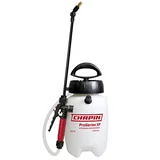
- 1-gallon translucent tank, 4-inch wide mouth for easy filling
- SureSpray anti-clog filter, cushion-grip poly shut-off
- Adjustable brass, poly-fan, and poly-cone nozzle tips included
- Chemical-resistant seals — Chapin’s listing names fertilizers, weed killers, and pesticides specifically; oil-based wood preservative isn’t called out either way
- 4.3 lb empty
The smallest tank in the lineup, and priced closer to the 2-gallon Clean ‘N Seal than you’d expect for 1 gallon — you’re paying for the adjustable brass nozzle set and the anti-clog filter, not for capacity. That makes it a genuinely awkward value on the $/gallon table above, but it’s still the right size for a single small project (a birdhouse, a planter box, a short handrail) where a 2- or 4-gallon tank is more sprayer than the job needs.
Main drawback: the highest price-per-gallon of any sprayer in this comparison, and Chapin’s compatibility language doesn’t specifically confirm oil-based wood preservative the way the 190328 and 22170XP do.
Who it’s for: a single small project — outdoor furniture, a birdhouse, a short handrail — where you’d rather pay a little more for a properly adjustable nozzle set than manage a 2- or 4-gallon tank that’s mostly empty air for the job at hand.
How We Picked These
We haven’t physically sprayed these eight units side by side — this is a spec-and-sourcing comparison, not a hands-on lab test, and we’re saying that plainly rather than dressing it up. Every capacity, pressure, seal-material, weight, and price figure above came from the manufacturer’s own product listing or spec sheet, pulled live while writing this article, not copied from another review site. Where a manufacturer didn’t publish a number — PSI on three of the manual tank sprayers, seal material on two of them — the table says “not published” instead of guessing.
The chemical-compatibility claims are sourced two ways: directly from each manufacturer’s own product description (Field King and Scotts both explicitly name Viton seals; Chapin’s 22170XP listing explicitly names “form oils” as a compatible chemical), and from Wagner’s own published material-compatibility chart on its support site, which rates the QX2 “Not Recommended” for solid stain and paint. None of it is invented, and none of it is a rating we assigned ourselves.
Where the manufacturer’s own listing left a real gap — PetraTools and the two smaller Chapin tank sprayers don’t publish a seal-material spec, and several models don’t publish an operating PSI — we said so directly in that pick’s write-up instead of filling the gap with a guess or a number borrowed from a similar-looking competitor. A missing spec is more honest than an invented one, even though it makes for a less tidy table.
What to Consider When Buying a Wood Preservative Sprayer
Sprayer Type: Pump Tank vs. Backpack vs. Battery-Powered vs. Hose-End
A manual pump tank (1–3 gal) is the right call for a single small-to-medium project. A backpack (manual or battery) makes sense once you’re covering a full deck, fence line, or multiple structures in one session — the extra capacity means fewer stops to refill. Battery-powered versions of either format remove the hand-pumping but roughly double or triple the price. A hose-end sprayer — the kind you screw onto a garden hose to spray lawn chemicals — is deliberately left out of every pick above: these siphon concentrate into a moving water stream and are built for water-soluble products, not oil-based preservative, which won’t mix or siphon correctly through one and can gum up the internal metering valve.

Tank Capacity
1 gallon covers small furniture or a short rail. 2 gallons is the sweet spot for a single deck or a small fence section. 3–4 gallons is built for a full fence line, a shed, or back-to-back structures without refilling. Match capacity to the job, not to “more is always better” — the 4-gallon backpack sprayers here weigh 40+ lb full, which is real weight to carry for a 10×10 deck that a 2-gallon tank would finish in one fill anyway.
Coverage Rate: How Much Preservative You’ll Need
Coverage varies by product body, not just by sprayer — thin, penetrating oil-based preservative typically covers 150–300 sq. ft. per gallon on smooth dimensional lumber, while rough-sawn or weathered wood (which soaks up far more liquid) can cut that closer to 100–150 sq. ft. per gallon. A standard 10×10 ft. deck (roughly 100 sq. ft. of surface, more once you count railings and undersides) can realistically take close to a full gallon on rough wood — see our guide to stains and sealers for pressure-treated deck wood for product-specific coverage numbers. Check your specific preservative’s label for its stated coverage rate before deciding how many tank fills a job will take — it’s the number that determines whether a 1-gallon tank sprayer is genuinely enough, or whether you’ll be stopping to refill three times through a single fence line.

Operating Pressure (PSI)
Higher PSI (the Field King 190328’s 150 PSI ceiling, for example) means more pump strokes stored per fill and a more consistent spray without re-pumping mid-pass. Most manual garden-style pump sprayers run in the 40–60 PSI range, which is plenty for wood preservative applied at close range — you’re not trying to atomize the product, just lay down an even, controlled coat.
Chemical Compatibility (Seal Material)
This is the spec buyers skip and shouldn’t. Check whether your preservative is oil-based or water-based before you buy the sprayer, then check the seal material against it. Viton seals are the material actually rated for oil-based chemicals in this comparison; standard nitrile or unstated “poly” seals are built for water-based sealers, mild cleaners, or ag chemicals and will degrade faster with an oil-based, solvent-carried preservative. When a manufacturer doesn’t publish the seal material at all — PetraTools and the Chapin 26011XP here — treat it as unconfirmed for oil-based use rather than assuming it’s fine.
Nozzle Adjustability & Coverage Width
Multiple nozzles (fine, medium, coarse, or fan vs. jet) let you switch between a wide fan for flat deck boards and a narrow jet for balusters or lattice without buying a second sprayer. The Field King 190328 ships with 6 nozzles including a foaming tip; several budget tank sprayers ship with one adjustable nozzle only — fine for a single project, more limiting on varied surfaces.
Hose & Wand Reach
A longer hose (PetraTools’ 52 inches, or the Chapin 22170XP’s 36-inch hose plus 18-inch brass wand) means you can spray under deck ledges or up fence posts without bending the tank itself into position, and it lets you set the tank down and walk a line rather than carrying full weight the whole time on a pump-tank format.
Weight, Empty and Full
Empty weight (2.4–14.2 lb across this lineup) tells you almost nothing about carry comfort — a full 4-gallon tank adds roughly 30 lb of liquid on top of the empty weight. Before buying a backpack sprayer, do the math on full weight (empty weight + capacity × ~7.5 lb/gal for most oil-based preservatives), not just the empty spec on the box.
Cleaning & Maintenance
Wide-mouth tank openings (4 inches on several models here) make flushing solvent-based preservative out of the tank after use meaningfully easier than a narrow neck. In-line filters (Field King, Chapin 22170XP, Scotts) catch debris before it reaches the nozzle and cut down on mid-job clogs — worth prioritizing if you’re using an unfiltered preservative straight from a 5-gallon bucket.
Price
Manual pump tanks in this comparison range $37.99–$109.99; battery-powered units run $96.36–$205.37. The jump to battery buys you continuous pressure and no hand-pumping — a real convenience on a full-day job, and one most casual users can skip on a project a manual sprayer finishes in under an hour.
Sprayer vs. Brush vs. Roller
A sprayer wins on speed and on getting product into rough-sawn texture, tight lattice, and balusters a brush struggles to reach evenly. A brush or roller wins on control — less overspray to manage, no need to mask off siding or plants, and it’s easier to work preservative into checked or weathered grain by hand. For a deeper side-by-side, see our full breakdown of brushing versus spraying. Most of the sprayers in this comparison exist because the job is large enough (a full fence, a big deck) that hand-application time becomes the real cost; for a single small project, a brush is often just as fast once you account for sprayer setup, fill, and cleanup.
Safety & Ventilation
Oil-based wood preservative carries real solvent fumes, and spraying aerosolizes far more of it into the air than brushing does. Work outdoors or with serious cross-ventilation, wear a respirator rated for organic vapors (not a basic dust mask), and keep the Total Control Spray Shield or an improvised cardboard shield between the nozzle and anything you’re not treating — siding, glass, parked cars, and nearby plants all take overspray damage fast. Battery and HVLP units in this comparison don’t reduce fume exposure; they only change how the liquid gets on the wood.
How to Use a Wood Preservative Sprayer
The steps below apply broadly to any pump, backpack, or battery sprayer in this comparison. If you’re specifically applying a water-sealer product rather than a preservative, our walkthrough on applying Thompson’s Water Seal with a sprayer covers that product’s specific quirks.
- Confirm your preservative type (oil-based vs. water-based) and check it against your sprayer’s rated seal material before filling.
- Strain the preservative through a paint strainer into the tank to prevent nozzle clogs, filling only to the manufacturer’s max-fill line.
- Pressurize (pump strokes for manual units; power on and let battery units build pressure) and test the spray pattern on cardboard or scrap wood first.
- Spray with the nozzle 8–12 inches from the surface, working in overlapping horizontal passes along the wood grain.
- Watch for pooling or runs — a wood preservative sprayer lays down more product per second than a brush, so a slower, steadier pass usually beats a fast one.
- Relieve tank pressure fully before opening the lid to refill or clean, per the sprayer’s pressure-release procedure.
- Flush the tank, wand, and nozzle with the appropriate solvent (mineral spirits for oil-based product, water for water-based) immediately after use — dried preservative residue is what kills seals and clogs nozzles long-term.
Frequently Asked Questions
Can I use any pump sprayer for oil-based wood preservative?
No. Standard nitrile or unspecified “poly” seals swell and soften with oil-based, solvent-carried preservative over repeated use. Of the 8 sprayers we compared, only the Field King 190328, the Chapin 22170XP, and the Scotts 190567 have manufacturer-confirmed Viton seals rated for oil-based chemicals — check your specific sprayer’s spec sheet before using it with an oil-based product.
Why can’t I use a hose-end sprayer for wood preservative?
Hose-end sprayers siphon a small dose of concentrate into a moving water stream and are built for water-soluble lawn and garden chemicals. Oil-based wood preservative doesn’t mix or siphon correctly through that design, and it isn’t the intended use for these units, which is why none made this list.
What tank capacity do I need for a standard deck?
A 2-gallon tank typically covers a single small-to-mid-size deck (200–300 sq. ft.) in one fill with a standard preservative coverage rate. A full fence line or larger deck usually needs the 3–4 gallon capacity of a backpack-style sprayer to avoid multiple refills mid-job.
Is a battery-powered sprayer worth the extra cost over a manual pump sprayer?
For a large, continuous job — a full fence, multiple outbuildings, back-to-back projects in one day — yes: it maintains pressure without hand-pumping and saves real time and fatigue. For a single small project a manual sprayer finishes in under an hour, the roughly 2.5x price premium usually isn’t worth it.
Can I use an HVLP sprayer like the Wagner QX2 for wood preservative?
Only for thin, penetrating preservative formulas. Wagner’s own material-compatibility chart rates the QX2 “Ideal Performance” for wood stain and semi-transparent stain but “Not Recommended” for solid-color stain or paint — many pigmented, film-forming oil-based preservatives sit closer to solid stain in body than to a thin transparent stain.
How do I keep a wood preservative sprayer’s seals from wearing out?
Match the seal material to your preservative type before you buy (Viton for oil-based, standard poly/nitrile is fine for water-based), fully relieve tank pressure before opening the lid, and flush the tank, wand, and nozzle with the correct solvent — mineral spirits for oil-based product, water for water-based — immediately after every use rather than letting residue dry inside the unit.
What’s the difference between a backpack sprayer and a pump tank sprayer?
A pump tank sprayer (1–3 gal) is carried by a handle or set on the ground and pumped by hand periodically. A backpack sprayer (typically 4 gal) straps on and distributes weight across your shoulders and back, letting you cover more ground before a refill — the trade-off is real weight (40+ lb full) and a higher price for the larger capacity.
Final Thoughts
For most homeowners tackling a deck or fence, the Field King 190328 is the safest overall buy: 4-gallon capacity, 150 PSI, and — critically — Viton seals actually rated for oil-based preservative, which most of the sprayers on this list don’t have. If you’re specifically applying an oil-based preservative and want the closest manufacturer-confirmed chemical match, the Chapin 22170XP is built for the same oil-and-solvent chemistry as concrete form oils. Whichever you choose, check the seal material against your preservative type before you buy — it’s the one spec every competing roundup skips, and it’s the one that determines whether your sprayer survives its first season. And once the wood is protected from moisture and decay, don’t overlook the other outdoor threat: our guide on protecting wood from carpenter bees covers the pest side of exterior wood care.
Sponsored / affiliate links. As an Amazon Associate I earn from qualifying purchases. I may earn additional commission from eligible campaigns.