Bin Shellac Vs Cover Stain: Ultimate Guide to Perfect Wood Finishes
When it comes to protecting and beautifying your wood surfaces, choosing the right finish can feel overwhelming. You might be wondering: should you go with Bin Shellac or Cover Stain?
Each option has its own strengths, but which one is best for your project? You’ll discover the key differences, benefits, and ideal uses of Bin Shellac and Cover Stain. By the end, you’ll have the confidence to pick the perfect product that makes your wood look stunning and last longer.
Keep reading to find out what your wood really needs!
Bin Shellac Basics
Understanding Bin Shellac Basics helps you know why it is popular for wood finishing. Shellac is a natural resin used as a finish and sealant. It has been trusted for centuries by woodworkers and craftsmen.
Bin Shellac stands out for its purity and quality. It offers a smooth, glossy finish that enhances wood grain. Learning about its types and uses can guide your choice in wood projects.
What Is Bin Shellac?
Bin Shellac is a refined form of shellac flakes. These flakes dissolve easily in alcohol to make a liquid finish. It is natural and safe to use on wood and furniture.
Shellac protects wood from moisture and scratches. It also adds a warm tone to the wood surface. Bin Shellac is prized for its clarity and easy application.
Types And Grades
Bin Shellac comes in different grades based on color and purity. The grades range from light blonde to deep amber. The lighter grades are clear and best for light woods.
Darker grades add rich color and hide wood imperfections well. Each grade serves different finishing needs. Choosing the right grade affects the final look of your project.
Applications In Wood Finishing
Bin Shellac is used as a primer or final finish on wood. It seals the wood and prevents stains from soaking in. It also creates a smooth surface for painting or varnishing.
Woodworkers use it on furniture, cabinets, and musical instruments. Its quick drying time helps speed up project completion. Bin Shellac gives wood a classic, polished appearance.
Cover Stain Essentials
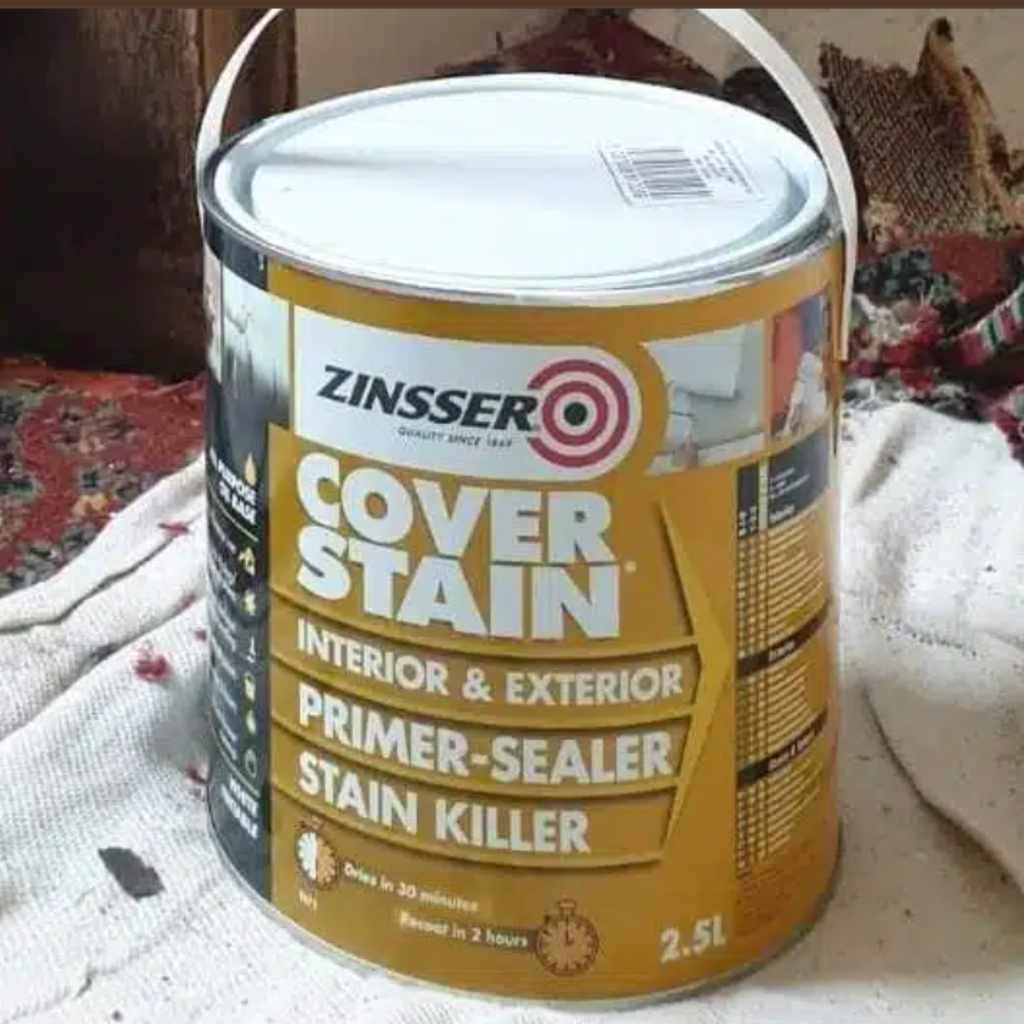
Cover stain plays a key role in wood finishing. It prepares wood surfaces for a smooth, even topcoat. Understanding cover stain essentials helps choose the right product. It improves adhesion and hides wood grain or stains. This section explains what cover stain is, its types, and common uses in woodwork.
What Is Cover Stain?
Cover stain is a type of primer for wood. It seals the wood and blocks stains from bleeding. It creates a strong base for paint or finish. Cover stain ensures a smooth, durable surface after painting. It works well on both raw and previously finished wood.
Types Of Cover Stains
There are two main types of cover stains: oil-based and water-based. Oil-based cover stains dry slower but block stains better. Water-based cover stains dry faster and have less odor. Both types improve paint adhesion and hide imperfections. Choose based on project needs and drying time.
Common Uses In Woodwork
Cover stain is used on cabinets, doors, and trim. It prevents knots and tannins from showing through paint. It also seals wood in furniture before finishing. Cover stain helps achieve a clean, professional look. It is ideal for both indoor and outdoor wood projects.
Key Differences
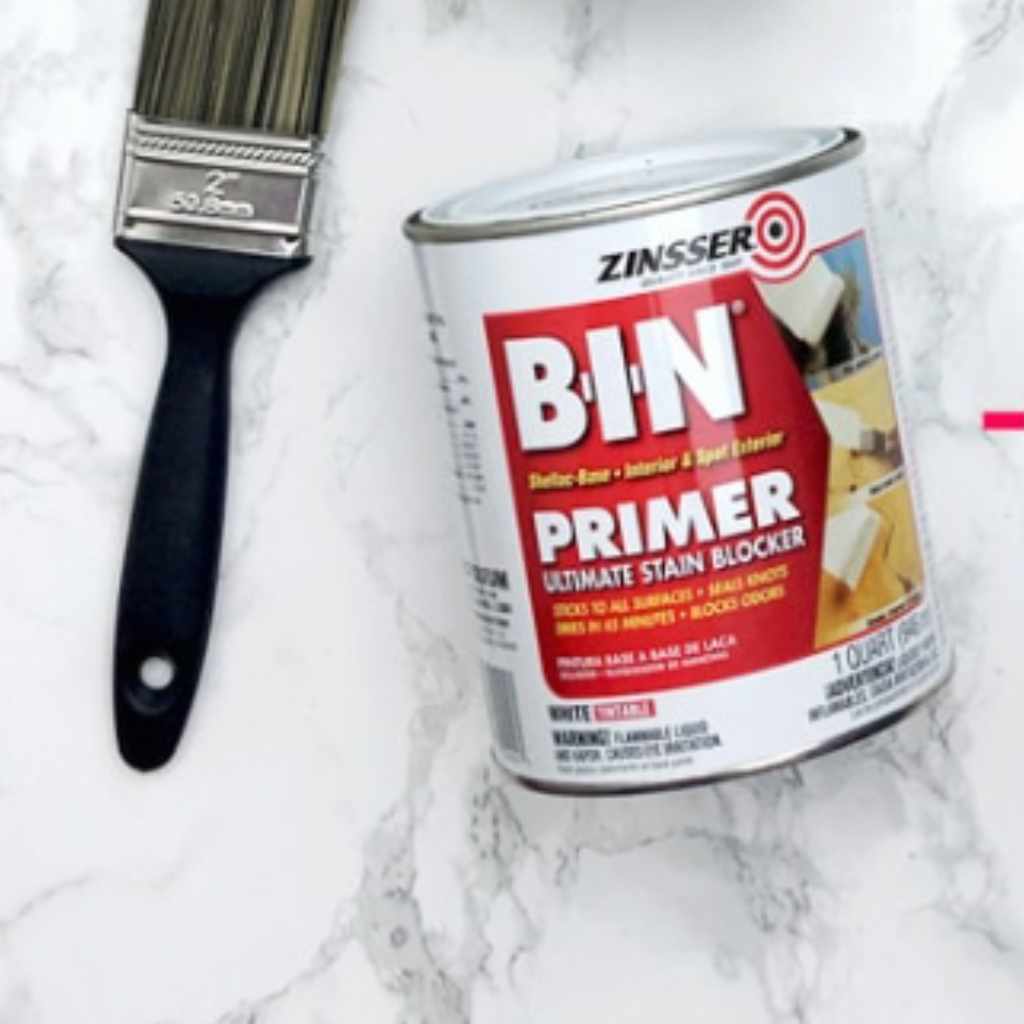
Understanding the key differences between Bin Shellac and Cover Stain helps you pick the right primer. Each product serves unique purposes based on your project’s needs. Knowing how they differ can save time and improve results.
Composition And Ingredients
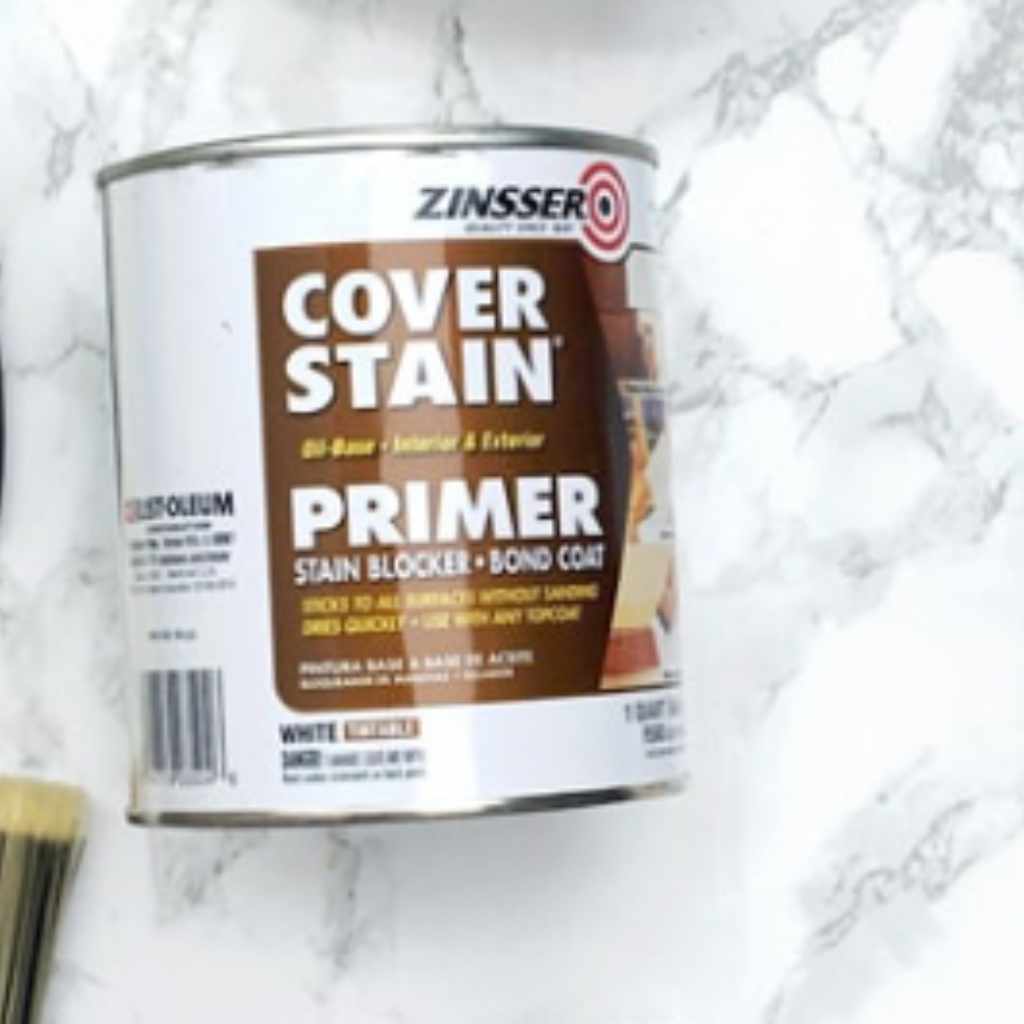
Bin Shellac is made from natural shellac resin dissolved in alcohol. It has strong sealing properties. Cover Stain is an oil-based primer with synthetic resins. It blocks stains and provides good adhesion.
Drying Times And Curing
Bin Shellac dries very fast, often within 15 minutes. It cures quickly, ready for topcoats soon after. Cover Stain takes longer to dry, usually around 1 hour. It needs more time to cure fully.
Surface Preparation Needs
Bin Shellac works well on bare wood, metal, and glossy surfaces. It requires minimal surface prep. Cover Stain needs clean, sanded surfaces for best results. It handles rough or patched areas better.
Durability And Protection
Bin Shellac offers excellent stain blocking and moisture resistance. It protects surfaces from water damage. Cover Stain provides durable adhesion and blocks tannin stains. It resists cracking and peeling over time.
Application Techniques
Applying Bin Shellac and Cover Stain requires different methods. Each product has unique traits that affect how you use it. Knowing the right steps improves the final look. Proper techniques ensure smooth, even coverage without streaks or bubbles.
Here’s a breakdown of tools, steps, and tips for both products.
Tools And Equipment
Use a natural bristle brush for Bin Shellac. It holds the stain well and spreads it evenly.
For Cover Stain, a high-quality synthetic brush works best. It handles the thicker consistency smoothly.
Keep clean cloths or rags handy for wiping excess stain. Sandpaper or sanding sponges help prep the surface before application.
Step-by-step Application
Start by sanding the wood lightly. Remove dust with a clean cloth.
Apply Bin Shellac in thin, even coats using long brush strokes. Let it dry fully before adding another coat.
Cover Stain requires stirring before use. Apply it in smooth, consistent layers. Wait for drying, then sand lightly between coats.
Tips For Smooth Finishes
Work in a well-ventilated space to speed drying. Avoid over-brushing to prevent streaks.
Use light pressure with the brush. Let each layer dry completely before the next.
For both products, sanding between coats creates a smooth surface. Remove all dust before applying the final coat.
Pros And Cons
Understanding the pros and cons of Bin Shellac and Cover Stain helps you pick the right primer. Each has unique strengths and some limits. Knowing these will guide your painting project for better results.
Advantages Of Bin Shellac
Bin Shellac dries very fast, saving you time. It sticks well to many surfaces, including wood and metal. It blocks tough stains like water marks and smoke. This primer also controls odors from the surface. It sands easily for a smooth finish. Bin Shellac works well under different types of paint.
Advantages Of Cover Stain
Cover Stain blocks stains and tannins effectively. It works well on wood and drywall. This primer has good adhesion and durability. It seals porous surfaces to prevent uneven paint absorption. Cover Stain has less odor than shellac primers. It cleans up easily with soap and water.
Limitations And Challenges
Bin Shellac has a strong smell and needs good ventilation. It requires alcohol for cleaning brushes and spills. This primer may not be the best for large areas. Cover Stain can take longer to dry than shellac. It may need more coats for full stain blocking. Some surfaces may need sanding before using Cover Stain.
Choosing The Right Finish
Choosing the right finish for your wood project affects both its look and durability. Bin shellac and cover stain serve different purposes and suit different needs. Understanding their differences helps you pick the best option for your work.
Project Types And Requirements
Bin shellac works well for small, indoor projects. It dries quickly and adds a smooth, glossy look. Cover stain suits larger, outdoor tasks. It blocks stains and seals wood better against moisture. Choose based on the wood type and where the project will be placed.
Environmental Considerations
Bin shellac is natural and less harmful to the environment. It contains fewer chemicals and has a mild odor. Cover stain has stronger chemicals and can emit more fumes. Use it in well-ventilated areas and avoid closed spaces to stay safe.
Budget And Time Factors
Bin shellac is usually cheaper and easier to apply. It dries fast, saving time on small jobs. Cover stain costs more but lasts longer outdoors. It requires more drying time and careful application. Balance your budget and time needs before deciding.
Maintenance And Longevity
Maintenance and longevity are key when choosing between Bin Shellac and Cover Stain. Both finishes protect wood, but they need care to last. Knowing how to care for each keeps your surfaces looking fresh.
Caring For Bin Shellac Finishes
Bin Shellac offers a warm, glossy look but needs gentle care. Clean surfaces with a soft, damp cloth. Avoid strong chemicals; they can damage the finish. Keep surfaces dry to prevent water spots. Reapply shellac every few years for best protection. Store shellac in a cool, dark place to maintain quality.
Maintaining Cover Stain Surfaces
Cover Stain is a primer that blocks stains and seals wood. It needs a topcoat to protect it fully. Clean with mild soap and water only. Avoid scrubbing too hard to prevent damage. Touch up scratches with matching paint. Repaint every 5 to 7 years to keep surfaces sealed and fresh.
Repair And Touch-up Tips
For Bin Shellac, light sanding fixes small scratches. Apply a thin shellac coat over the area. Let it dry completely before using the surface. For Cover Stain, clean the spot first. Use a small brush for touch-ups. Match the original color for best results. Quick repairs prevent bigger problems later.
Common Mistakes To Avoid
Choosing between Bin Shellac and Cover Stain requires care. Many users make common mistakes that reduce the finish quality. Avoid these errors to get smooth, lasting results. Proper use helps paint and stain work as intended.
Application Errors
Applying too thick a coat causes drips and uneven drying. Thin, even layers work best for both Bin Shellac and Cover Stain. Rushing the process leads to bubbles and brush marks. Allow enough drying time between coats to prevent peeling.
Mixing And Storage Issues
Stir the product gently before use. Shaking can cause air bubbles, affecting the finish. Store in a cool, dry place to keep the formula stable. Avoid using old or expired products, as they lose effectiveness.
Surface Contamination
Clean surfaces thoroughly before applying Bin Shellac or Cover Stain. Dirt, grease, or dust stops proper adhesion. Sand the area well for a smooth base. Contaminants can cause blotchy or peeling finishes.
Frequently Asked Questions
What Is Bin Shellac Used For?
Bin Shellac is a natural resin used as a wood finish and sealer. It offers a smooth, glossy surface. It dries quickly and works well as a primer under other finishes. It is ideal for sealing wood before painting or staining.
How Does Cover Stain Differ From Bin Shellac?
Cover Stain is an oil-based primer that blocks stains and tannins. It provides excellent adhesion and coverage. Unlike Bin Shellac, it is more durable and suitable for exterior use. Cover Stain is better for heavy stain blocking and longer-lasting protection.
Can Bin Shellac And Cover Stain Be Used Together?
Yes, Bin Shellac can be used as a primer before applying Cover Stain. This combination enhances stain blocking and adhesion. It ensures a smooth and durable finish on wood surfaces. However, always test compatibility on a small area first.
Which Primer Is Better For Stain Blocking?
Cover Stain is generally better for heavy stain blocking. It seals tannins and prevents bleed-through effectively. Bin Shellac works well for light stain sealing but may not handle severe stains. Choose based on the stain severity and surface type.
Conclusion
Choosing between Bin Shellac and Cover Stain depends on your project needs. Bin Shellac dries fast and seals well. Cover Stain blocks stains and hides wood grain. Both primers prepare surfaces for painting effectively. Consider the surface type and desired finish before deciding.
Using the right primer ensures a smooth, long-lasting paint job. Small differences can affect your final results. Think about what matters most—dry time or stain blocking. Either choice can help your paint look its best.