Black Mold vs Mildew on Wood: How to Spot the Difference
Seeing dark spots on your wooden surfaces can be worrying. Many people wonder if it’s black mold or just simple mildew, and figuring out the difference can feel tricky at first. Don’t stress, though!
We’re going to make identifying them super easy, step by step. You’ll learn exactly what to look for so you can handle it confidently. Let’s get started on spotting the signs.
Black Mold vs Mildew on Wood How to Spot the Difference
Wood is a popular material for homes, furniture, and outdoor structures. Unfortunately, its natural porous nature makes it susceptible to moisture damage, which can lead to the growth of mold and mildew. For many homeowners, distinguishing between black mold and mildew on wood can be challenging, especially when they appear similar to the untrained eye.
This confusion is understandable because both can present as dark, fuzzy, or slimy patches. However, understanding their key differences in appearance, smell, and growth patterns is vital for effective removal and preventing further damage.
This guide aims to simplify Black Mold vs Mildew on Wood: How to Spot the Difference. We will break down what each looks like, where they typically grow, and how you can tell them apart. Knowing the signs will empower you to take the right steps to keep your wood surfaces healthy and safe.
Understanding Mold and Mildew Basics
Before we get into spotting the differences, it’s helpful to know what mold and mildew are. Both are types of fungi that thrive in damp environments. They feed on organic materials, and wood provides a perfect food source.
Mildew is generally considered a less harmful type of fungus. It typically grows on the surface of materials and often appears as a powdery or downy growth. It can be white, gray, or even black.
Mildew prefers high humidity but doesn’t usually penetrate deeply into porous materials.
Mold, on the other hand, can be more aggressive. While some molds are harmless, others can pose health risks and cause damage to materials. Black mold, often referred to as Stachybotrys chartarum, is a specific type of mold known for its potential health concerns.
Mold can penetrate deeper into materials than mildew.
Appearance Differences Black Mold vs Mildew
The most obvious way to start distinguishing between them is by looking closely at how they appear on the wood.
Mildew Appearance on Wood
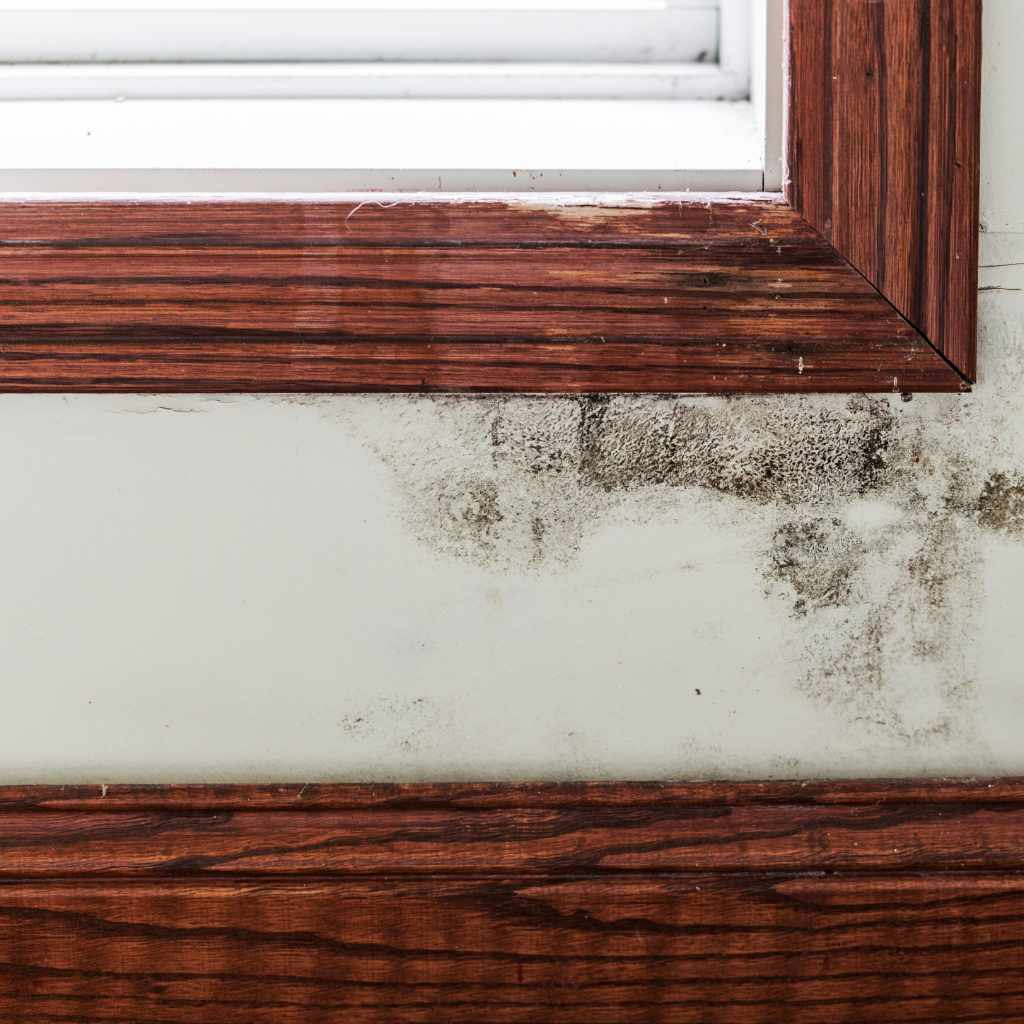
Mildew often looks like a powdery or fuzzy patch on the surface of the wood. Think of a fine dusting or a light, thin layer of fuzz. It might be white, gray, greenish, or even a dark color that can be mistaken for mold.
- Color: Can range from white and gray to green, yellow, or black.
- Texture: Powdery, fuzzy, or cottony. It usually stays on the surface.
- Growth Pattern: Tends to spread in flat, thin patches.
Imagine a light film that you could potentially wipe away, although it might stain the wood underneath. It often appears in areas with less severe moisture issues but consistent high humidity, like bathrooms or kitchens.
Black Mold Appearance on Wood
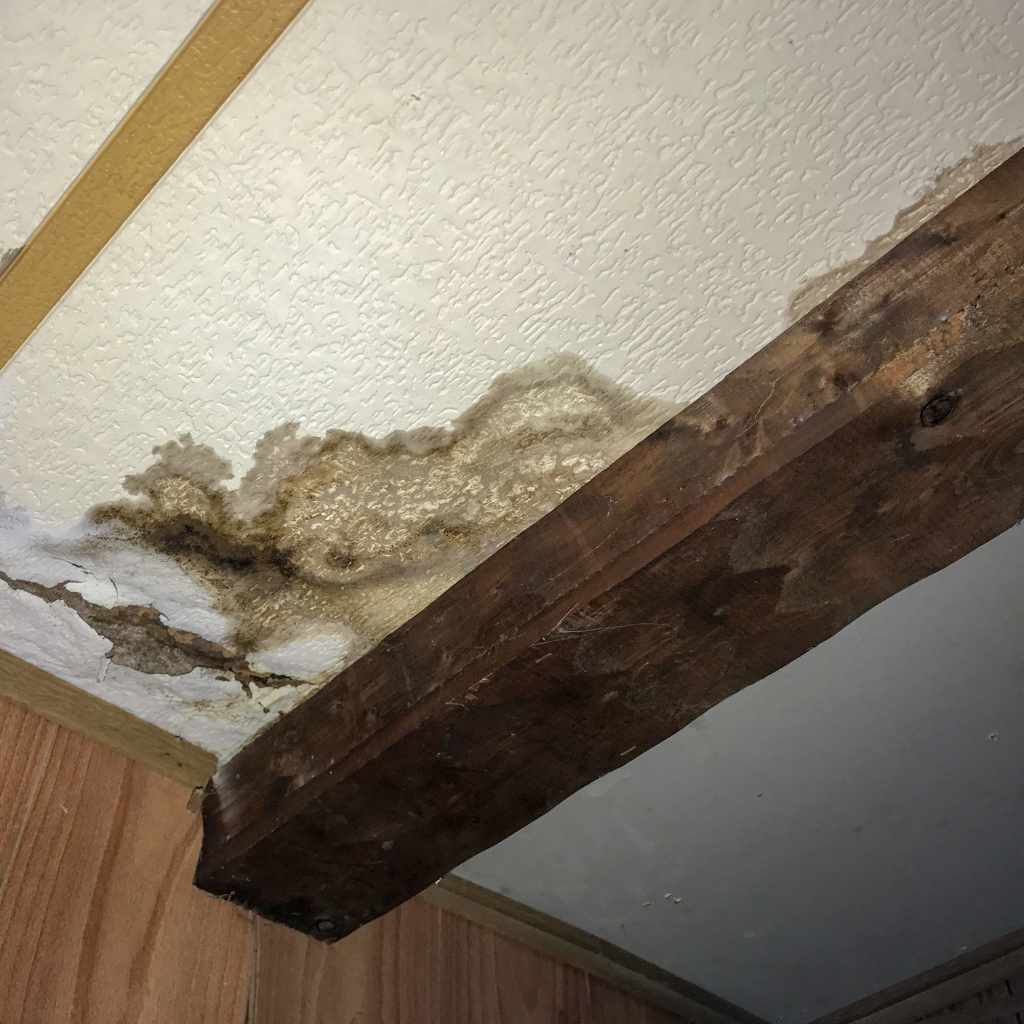
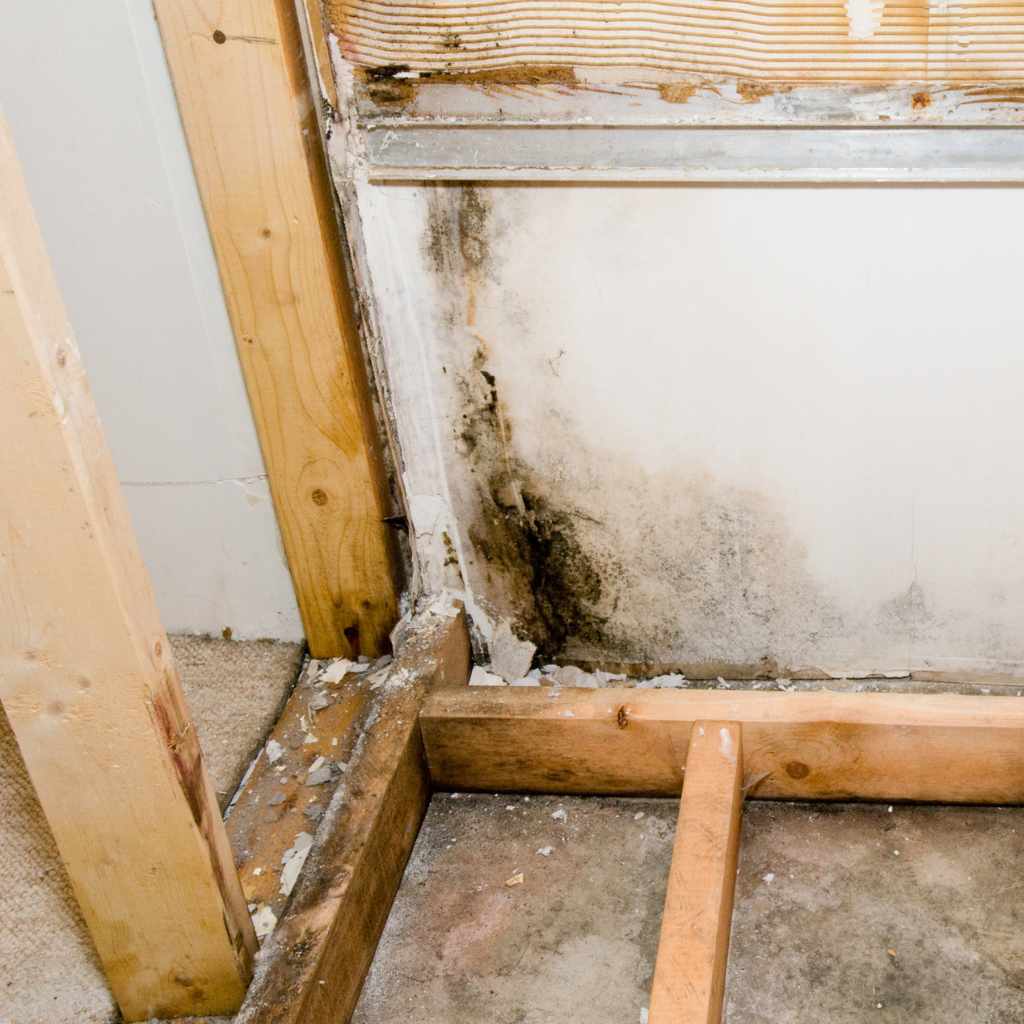
Black mold, when it appears on wood, often has a different texture and can look more sinister. It can be slimy or wet-looking, especially when it’s actively growing. The color is typically a dark green to black, and it can have a more irregular, splotchy pattern.
- Color: Dark green to black.
- Texture: Slimy, wet, or fuzzy. It can feel more substantial than mildew.
- Growth Pattern: Can appear in splotches and may show signs of penetrating the wood fibers.
If you see dark, somewhat slimy spots that seem to have a deeper presence on the wood grain, it’s more likely to be mold. The term “black mold” is often used to describe any dark-colored mold, but Stachybotrys chartarum is the most concerning.
Smell Differences
Sometimes, you can tell the difference by your nose. Both mold and mildew can have an odor, but they can be distinct.
Mildew Odor
Mildew typically has a mild, musty smell. It’s the kind of scent you might associate with damp laundry or an old, poorly ventilated room. It’s noticeable but usually not overpowering.
Black Mold Odor
Black mold often has a stronger, more pungent musty odor. Some people describe it as smelling earthy, like damp soil, or even like decaying leaves. If the smell is very strong and unpleasant, it’s a bigger indicator of mold growth.
It’s important to note that not all mold and mildew produce a strong smell, so relying solely on odor might not always be accurate. However, a potent, unpleasant musty smell is often a red flag for mold.
Growth Locations and Moisture Levels
Where you find the growth can also offer clues about whether it’s mold or mildew. Both need moisture, but their preferred conditions can differ.
Mildew Growth Environments
Mildew loves humidity and surfaces that don’t dry out quickly. You’ll often find it:
- On bathroom walls and ceilings, especially near showers or tubs.
- On kitchen surfaces, near sinks or dishwashers.
- On window sills where condensation forms.
- On outdoor furniture or fences that are exposed to frequent dew or light rain.
These are areas that might experience high humidity but not necessarily standing water or long periods of saturation.
Black Mold Growth Environments
Black mold, particularly the concerning Stachybotrys chartarum, needs a consistent moisture source to grow. It often indicates a more significant water problem.
- Areas with leaks, such as under sinks, around pipes, or in basements.
- Flooded areas or places that have been wet for extended periods.
- Walls with water damage from plumbing issues or roof leaks.
- Wood that is constantly exposed to dampness, like untreated wooden decks or structures in perpetually wet climates.
If you suspect a leak or prolonged dampness is the cause, it’s more likely to be mold.
Health Concerns Associated with Mold vs. Mildew
When you’re trying to identify Black Mold vs Mildew on Wood: How to Spot the Difference, considering potential health effects is also important.
Mildew Health Effects
Mildew is generally considered less harmful than many types of mold. For most people, exposure to mildew might cause minor irritation, such as sneezing, coughing, or skin rash. Individuals with allergies or respiratory issues might be more sensitive.
Black Mold Health Effects
Black mold, especially Stachybotrys chartarum, is associated with more significant health concerns. Exposure can lead to respiratory problems, headaches, fatigue, nausea, and allergic reactions. Prolonged exposure in enclosed spaces is particularly worrying.
This difference in health impact highlights why accurate identification and prompt action are essential. If you suspect black mold, it’s wise to take extra precautions or seek professional help.
Testing and Professional Help
While visual cues and smell are good starting points, sometimes definitive identification requires more.
DIY Testing Kits
There are home testing kits available that can help identify mold types. These kits involve collecting a sample of the suspected growth and sending it to a lab for analysis. This can provide a more scientific answer about what you’re dealing with.
When to Call a Professional
If the growth is extensive (covering more than a few square feet), if you suspect a hidden moisture problem, or if you have concerns about health effects, it’s best to call a professional mold remediation specialist. They have the tools and expertise to identify mold types, assess the extent of the problem, and safely remove it.
Professionals can also help find the source of the moisture, which is key to preventing regrowth. They have specialized equipment for air quality testing and can ensure the area is properly cleaned and dried.
Removal and Prevention Strategies
Once you’ve identified the issue, you’ll need to address it and prevent it from coming back.
Removing Mildew from Wood
Mildew is usually easier to remove. For small areas:
- Mix a solution of water and mild detergent.
- Use a soft brush or cloth to scrub the affected area.
- Wipe clean with a damp cloth and dry thoroughly.
For tougher mildew stains, a diluted solution of vinegar or bleach (use caution and ventilate well) can be effective. Always test on an inconspicuous area first.
Removing Mold from Wood
Removing mold requires more caution. For small, surface-level mold growth on non-porous wood:
- Wear protective gear: gloves, a mask (N95 or better), and eye protection.
- Use a solution of water and detergent, or a specialized mold cleaner.
- Scrub gently. Avoid aggressive scrubbing that can spread spores.
- Wipe with a clean, damp cloth.
- Dry the area completely.
For larger areas or if the mold has penetrated deeply, professional mold remediation is recommended. Attempting to remove extensive mold yourself can be dangerous and ineffective.
Prevention is Key
The best way to deal with mold and mildew is to prevent them from growing in the first place:
- Control Moisture: Fix leaks immediately. Ensure good ventilation in damp areas like bathrooms and kitchens. Use exhaust fans.
- Improve Airflow: Don’t let furniture sit too close to walls, especially in humid areas.
- Dry Wet Surfaces: Wipe down surfaces that get wet, like shower walls or condensation-prone windows.
- Use Dehumidifiers: In basements or other persistently damp areas, a dehumidifier can significantly reduce humidity levels.
- Proper Wood Treatment: For outdoor wood or wood in humid environments, consider using waterproof sealants or stains.
Quick Comparison Table
Here’s a quick reference to help you remember the key differences:
| Feature | Mildew | Black Mold |
|---|---|---|
| Appearance | Powdery, fuzzy, thin surface growth | Slimy, wet, or fuzzy, can appear deeper |
| Color | White, gray, green, yellow, sometimes black | Dark green to black |
| Odor | Mild musty | Stronger musty, earthy |
| Moisture Needs | High humidity, surface dampness | Consistent moisture source, prolonged dampness |
| Health Risk | Generally lower, mild irritation | Higher, respiratory issues, allergic reactions |
Frequently Asked Questions
Question: Can mildew turn into black mold on wood?
Answer: While mildew and mold are both fungi, mildew typically stays on the surface and is easier to remove. Black mold is a specific type of mold that needs more significant moisture and can penetrate materials. Mildew itself doesn’t directly “turn into” black mold, but the conditions that allow mildew to grow can also support mold growth if not addressed.
Question: Is all black growth on wood black mold?
Answer: Not necessarily. Some types of mildew can appear dark green or black. Also, other surface-level fungi or even certain types of dirt or algae can look black on wood.
It’s the texture, smell, and the underlying moisture conditions that help differentiate it.
Question: How quickly does mold grow on wood?
Answer: Mold can begin to grow on wood within 24 to 48 hours after moisture is introduced. The speed of growth depends on the type of mold, temperature, and available nutrients.
Question: Can I clean black mold off wood with just water?
Answer: Water alone might rinse away loose spores but won’t kill the mold or remove the stain. For effective cleaning, you typically need a cleaning solution like detergent and water, or a more specialized mold cleaner. Always ensure the wood is dried thoroughly afterwards.
Question: Should I be worried if I see a small patch of dark spots on my wooden deck?
Answer: A small patch of dark spots on an outdoor wooden deck could be mildew, algae, or even just dirt. However, if it appears fuzzy or slimy and is persistent, it’s worth investigating the moisture source. Ensure the deck drains well and consider cleaning it with an appropriate deck cleaner.
If you suspect a more serious mold issue, professional assessment might be beneficial.
Final Thoughts
Spotting the difference between black mold and mildew on wood is largely about paying attention to detail. Look at the texture: is it powdery and light, or more slimy and substantial? Notice the color: while both can be dark, black mold often has a deeper, more intense hue.
Trust your nose too; a strong, earthy musty smell often points towards mold, while a milder scent might be mildew. Consider where you see it; persistent dampness and leaks are mold’s favorite hangout, while high humidity might just encourage mildew. Remember, the underlying cause of moisture is the real problem.
By understanding these distinctions, you gain the power to address the issue correctly and protect your wood surfaces and your home’s health. Taking action early, whether it’s a simple cleaning or seeking professional help, is key to keeping your wood in good condition and your environment safe.