5 Best Maple Woods for a Cutting Board (2026): we compared
Hard maple, especially sugar maple at roughly that level of hardness, is often a strong maple choice for a cutting board, and an edge-grain board is usually the most practical all-around construction unless you want the greater self-healing of end grain. Softer maples dent faster, dull blades sooner, and leave you with a board that looks worn before it should. This guide compares maple species, grain direction, glue-up choices, thickness, and the details that matter most for food-safe cutting performance.
This guide is part of our Maple Species Hardness Chart: Janka Rating Compared series.
Quick comparison
| Product | Badge | Best for | Price | ||
|---|---|---|---|---|---|
 |
John Boos Maple Wood Bamboo End Grain Cutting Board forJohn Boos | Our pick | 20" x 15" x 2.25" end grain | $148.45
Price as of 10 Oct 2026
|
View |
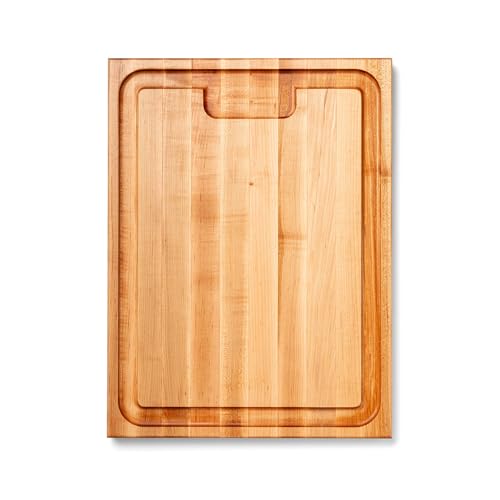 |
John Boos Block Au Jus Maple Cutting/Carving Board withJohn Boos | Also great | 18" x 24" x 1.5" with juice groove | View | |
 |
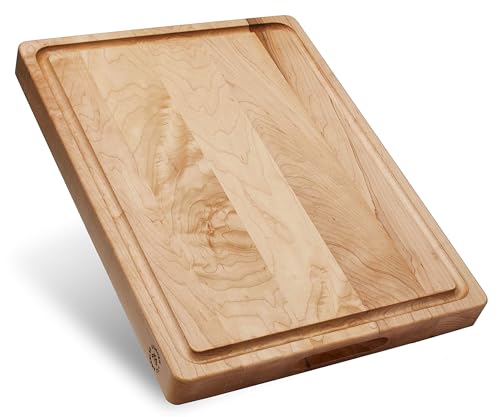
The Boardsmith Maple End Grain Cutting Board – Premium EndThe Boardsmith | Upgrade pick | Premium end grain butcher block | $269.99
Price as of 10 Oct 2026
|
View |
 |
Sonder Los Angeles Winsome Hard Maple Wood Cutting Board,Sonder Los Angeles | Also great | 17" x 13" x 1.5" edge grain | $99.99
Price as of 10 Oct 2026
|
View |
 |
Made In Cookware – Butcher Block – Maple Wood – ThickMade In | Budget pick | 17.75" x 11.75" butcher block | $129.00
Price as of 10 Oct 2026
|
View |
This is the fast answer: hard maple in edge grain wins for most buyers, end grain is the better knife-care choice if you will pay more, and soft maple is a budget compromise. The table below compares use factors, not just the wood name on the listing.
📊 A John Boos maple carver board is listed at 24 x 18 x 2.25. Source: Maple Wood Cutting Boards.
How we chose
The comparison below focuses on four things that matter in real kitchens: knife-friendliness, warp resistance, maintenance, and value for the build type. It also separates species from construction, because hard maple and soft maple do not perform the same, and edge grain and end grain are not the same buy.
Maple is a hardwood with closed pores and a fine, even texture. That makes it a common pick for cutting boards, furniture, flooring, and kitchenware, where a clean surface and steady wear matter.
For cutting boards, that broad reputation has to be narrowed to board structure, thickness, and how much care you want to give the surface over time.
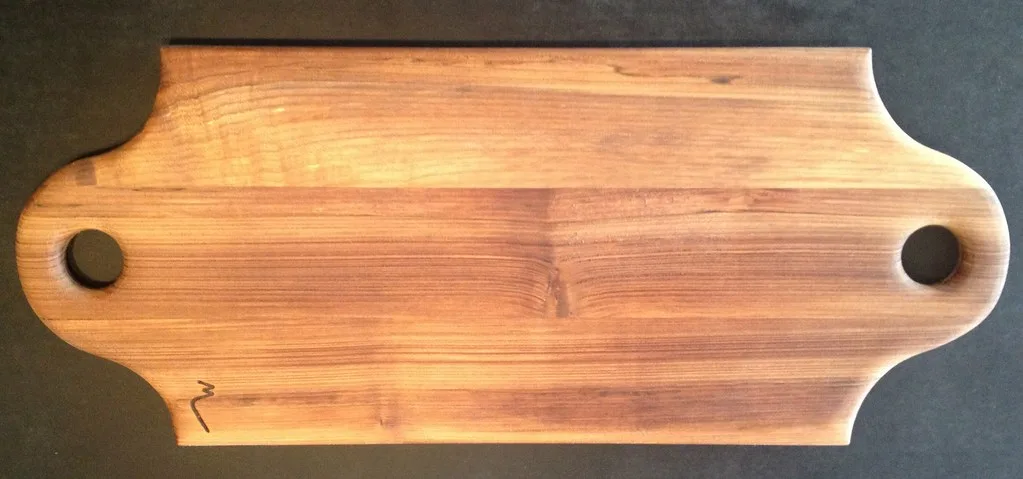
Hard maple: best for everyday prep

Hard maple is often a very good all-around choice for many cutting boards because it tends to balance dent resistance, knife-friendliness, and routine maintenance better than softer maples. Sugar maple is a common hard-maple species, and it is a useful benchmark for buyers who want a board for daily chopping, slicing, and general prep.
Hard maple is dense, has a closed grain, and holds up well under repeated use. That matters because a cutting board fails in kitchen terms when it dents easily, shows deep knife tracks too quickly, or starts to move from moisture exposure.
This board type works well in both edge-grain and end-grain formats, but edge grain is often the better value. A drawback is visual wear: light maple shows knife marks and stains more readily than darker woods, so neglect stands out fast.
Sugar maple is the right starting point when you want a board that feels firm under a knife but does not punish the edge as fast as harder, more abrasive materials. For most homes, that tradeoff is the right balance.
Why hard maple holds up better than soft maple
Hard maple resists denting better, and that slows the “used up” look that appears when a board takes repeated cuts in the same area. The tighter grain also helps with day-to-day cleanup because there are fewer open pores for moisture and food debris to sit in.
A board made from hard maple still needs care, but it stays serviceable longer before the face looks battered. That is why hard maple is common in kitchens that want one board for both prep and carving.
Why sugar maple is the standard pick
Sugar maple is the common woodworking species for hard-maple cutting boards because it gives a reliable mix of hardness, workability, and appearance. In practical terms, it is hard enough for durability and still friendly enough for kitchen knives.
If a listing says only “maple,” the buyer should verify whether it is hard maple or soft maple. That distinction matters more than the marketing language.
Best board construction: edge grain or end grain
Hard maple works well as an edge-grain board for everyday prep, especially when the board is thick enough to stay flat and heavy enough to resist sliding. End grain is better when knife protection is the top priority, but it costs more and usually deserves a different budget.
Soft maple: best for budget buyers

Soft maple is the lower-cost maple option, but it gives up some dent resistance and long-term surface life. It can still make a usable cutting board, especially for light prep, but it is not the same performance tier as sugar maple or other hard-maple stock.
Red maple is a useful comparison point because it is generally softer than hard maple. That means more visible knife marks, faster edge wear on the board itself, and a greater chance that the surface will look tired sooner.
Soft maple can make sense when price matters more than board longevity. The drawback is simple: if you cut often or use heavy chef’s knives, the board will show wear earlier and may need resurfacing or replacement sooner than a hard-maple board.
For buyers reading a product page, the key question is not “Is it maple?” but “Is it hard maple, and how is the board built?”
Where soft maple saves money
Soft maple is easier to source in some markets, and that can lower the price of the finished board. It may also be used in lighter-duty boards where appearance matters more than heavy chopping performance.
That price gap can be worth it if the board will see occasional fruit, herbs, and sandwich prep rather than daily knife work.
Where it gives up performance
Soft maple dents more readily, so the board can lose its flat, clean cutting feel faster. It also tends to show knife marks sooner, which matters on a pale wood where scratches are easy to see.
For a board that should last years under regular prep, hard maple is the safer buy.
When red maple is acceptable
Red maple is acceptable when the board is a light-use kitchen tool and the buyer understands the tradeoff. It can work for occasional prep, but it is not the best maple when the goal is the longest service life and the best knife-facing surface.
Edge grain maple: best for most kitchens
Edge grain is the practical default for maple cutting boards because it is simpler to make, usually less expensive than end grain, and durable enough for everyday prep. For most kitchens, an edge-grain hard maple board gives the best balance of cost, stability, and easy upkeep.
In an edge-grain board, the wood strips stand on edge rather than exposing the fiber ends. That construction gives a firm cutting surface, good warp resistance when the board is built well, and a cleaner price point than end grain.
A drawback is knife mark visibility. Edge grain does not “close up” cuts the way end grain can, so light-colored maple may show scoring over time. That is normal wear, not a defect.
Edge grain boards are also common in prep-focused formats with juice grooves or flat sides. They are a smart pick for most buyers because they do not ask for the premium budget that end grain requires.
What edge grain does well over time
Edge grain holds up well for chopping vegetables, trimming proteins, and general meal prep. If the board is made from hard maple and kept dry between uses, it usually stays stable and usable for a long time.
Most buyers should think of edge grain as the workhorse format. It is not the most forgiving to knives, but it is the best value for daily use.
When to skip it for end grain
Skip edge grain if your top priority is preserving knife edges and you are willing to pay more for a thicker, heavier board. End grain is the better choice for that job, but it is not the better value for everyone.
If the board will mostly see casual prep, edge grain is usually the smarter purchase.
End grain maple: best for knife care
End grain is often the preferred maple construction when knife care matters most, because the blade meets the wood fiber ends instead of slicing across long fibers. That gives a softer cutting feel and can help the board appear to recover better from repeated knife use.
That benefit comes at a cost. End grain boards are thicker, heavier, more expensive to make, and usually more expensive to buy. They also need proper drying and regular oiling, or they can move and crack at the glue lines.
This is the right choice for cooks who cut often, value a premium feel, and accept the added upkeep. A drawback is that end grain can still stain and dry out if neglected, so it is not a free pass on maintenance.
Maple cutting boards are described as sturdy and long-lasting, but end grain gets you there with a different tradeoff: better knife feel, higher price.
How end grain changes cutting feel
Because the blade passes between wood fibers, end grain often feels gentler and can reduce the harsh scraping sensation that some cooks notice on harder edge-grain surfaces. That is the main reason end grain has a premium reputation.
It does not make knives invincible. It just offers a friendlier cutting surface than most straight-grain boards.
Why it costs more
End grain uses more milling, more glue-up work, and usually thicker stock. That labor shows up in price, which is why a premium end-grain maple board often sits well above simpler edge-grain options.
As a buying rule, pay for end grain only if the knife-care benefit matters enough to you.
Who should buy it
Choose end grain if you prep daily, own good knives, and want the most forgiving maple surface you can get. It also suits cooks who like a heavier board that stays planted during use.
If you do not need that level of performance, edge grain is the better value.
| Option | Knife-friendliness | Stability | Maintenance | Value | Best for |
|---|---|---|---|---|---|
| Hard maple | High | High when properly dried | Moderate | High | Most buyers; daily prep |
| Soft maple | Moderate | Moderate | Moderate | Very high | Budget buyers; light prep |
| Edge grain | High | High | Moderate | High | Everyday kitchen use |
| End grain | Very high | High if well built | Higher | Moderate | Knife care priority |
Is maple or walnut better for a cutting board?
Maple is usually better for heavy prep because it is slightly harder and more work-focused, while walnut is often better for appearance and serving. If you want a board for chopping, slicing, and regular kitchen wear, hard maple is the stronger default. If you want a darker board for presentation, walnut has the visual edge.
Walnut is slightly softer than maple, so it is gentler on knives but also a bit more forgiving of visible marks. That can make it attractive for charcuterie, cheese service, and decorative boards. For a daily work surface, though, maple usually wins on value and long-term toughness.
Knife feel and hardness
Maple gives a firmer cutting feel. Walnut is softer and can be kinder to a blade, but that softness also means the board surface may mark more easily under regular prep.
Appearance and serving use
Walnut’s dark color hides stains well and looks premium on a table. Maple looks cleaner and brighter, which is useful in a prep station but less dramatic for serving.
Best use case for each wood
Use maple for the main kitchen board. Use walnut when the board will spend as much time on the table as on the counter.
Which one should you buy?
Most buyers should choose a hard maple edge-grain board. It gives the best balance of cost, cutting feel, durability, and upkeep, and it avoids the premium price that end grain demands.
If you are buying on a tight budget, soft maple is acceptable for light prep, but only if you understand that it will dent and show wear sooner. If you chop often or own sharp knives, step back up to hard maple.
For heavy prep and knife care, buy end grain hard maple. For serving, presentation, or a darker look, walnut is worth considering, but it is not the best choice for a main prep board. Cherry sits below maple in hardness and gives a warmer tone with a somewhat more knife-forgiving feel, which can appeal to buyers who prioritize appearance over maximum wear resistance.
Say your kitchen counter is 24 inches deep and you want one board that stays put for onion prep and chicken trimming. An 18 x 24-inch edge-grain hard maple board is the practical answer. Suppose you mainly slice bread and fruit for two people; a smaller soft-maple board can work, but it will not age as cleanly.
Best choice for most buyers
Buy hard maple in edge grain. That combination gives the most useful balance for everyday cooking and the cleanest value proposition for most homes.
Best choice for a budget
Choose soft maple only if the board will see light prep and you are comfortable with faster surface wear. If the price gap is small, hard maple is usually worth the step up.
Best choice for heavy prep
Choose end grain hard maple if knife feel matters enough to justify the higher price. This is the right call for frequent chopping and repeated cutting on the same surface.
Best choice for a serving board
Choose walnut for a darker, more decorative board, or cherry if you want a warmer tone. Maple can still serve well, but it is the stronger choice for the prep side of the kitchen.
How to maintain and clean maple cutting boards
Maple is easy to maintain, but only if you keep water exposure short and oil the board on a schedule. For food-safe board maintenance, wash with warm water and mild soap, dry promptly, and never leave the board soaking in the sink.
Regular oiling or conditioning helps slow moisture absorption and keeps the surface from drying out. That matters because maple’s tight grain and subtle pores do not make it immune to movement if the board is repeatedly soaked and air-dried badly.
- Wash the board with warm water and a small amount of soap after use.
- Dry both sides immediately with a towel.
- Stand it on edge until fully dry.
- Apply mineral oil or a board conditioner on a regular schedule, especially when the board starts to look dry or pale.
- Re-oil more often if the board is used daily or washed frequently.
A common first-timer mistake is leaving a maple board flat on a wet counter after cleaning. That can trap moisture on one side and lead to cupping or warping, especially on thinner boards. A light oil schedule and prompt drying prevent most of that trouble.
Some product pages say maple boards resist bacteria well, but that should not replace normal cleaning. Clean, dry storage still matters most.
What wood is the best for a cutting board?
For most buyers, hard maple is the best overall cutting-board wood because it offers a strong balance of hardness, stability, and price. End grain hard maple is the best premium build if knife care is the main goal, but it costs more and is not the best value for every kitchen.
Other woods have strong use cases. Walnut is good for serving. Cherry is warmer in tone and a bit softer on knives. Bamboo is a separate category with different tradeoffs, and it is not the same kind of long-term prep surface as maple.
Can you use maple for a cutting board?
Yes, maple is one of the best woods you can use for a cutting board, provided you choose hard maple rather than a softer maple species. Sugar maple is the common standard, and it performs well in both edge-grain and end-grain builds.
The key is to match the species and construction to the job. Hard maple handles daily prep well, while soft maple is better treated as a lighter-duty, lower-budget option.
Is maple a good wood for a cutting board?
Yes, maple is a very good wood for a cutting board when you choose the right type. Hard maple gives a tough, food-safe-friendly surface that is easy to care for, while soft maple brings a lower price and more visible wear.
That is why maple remains common in kitchenware. It is sturdy, long-lasting, and practical, but those qualities depend on species and build quality, not just the word “maple” on the label.
Frequently asked questions
Does maple wood make a good cutting board?
It does, but the type of maple matters. Hard maple, especially sugar maple, is the standard choice for serious prep boards. Soft maple can work for lighter use, yet it dents faster and shows wear sooner, so it is the weaker choice if you want long service life.
Which is better maple or bamboo cutting board?
Maple is usually the better choice for long-term knife feel and a more traditional wooden cutting surface. Bamboo can be hard and stable, but it is built differently and is often less forgiving on knives. If you care about prep feel, hard maple usually wins.
Sponsored / affiliate links. As an Amazon Associate I earn from qualifying purchases. I may earn additional commission from eligible campaigns.