Can Butcher Block Be Used as a Cutting Board
Many home cooks wonder, Can Butcher Block Be Used as a Cutting Board? It’s a common question for those looking for a durable and attractive kitchen surface. Sometimes, the sheer beauty and heft of butcher block can make it seem intimidating, as if it’s too good for everyday knife work. But don’t worry!
It’s actually quite straightforward. We’ll walk you through everything you need to know, step-by-step, to ensure your butcher block serves you well as a cutting surface.
Is Butcher Block Good For Cutting Boards
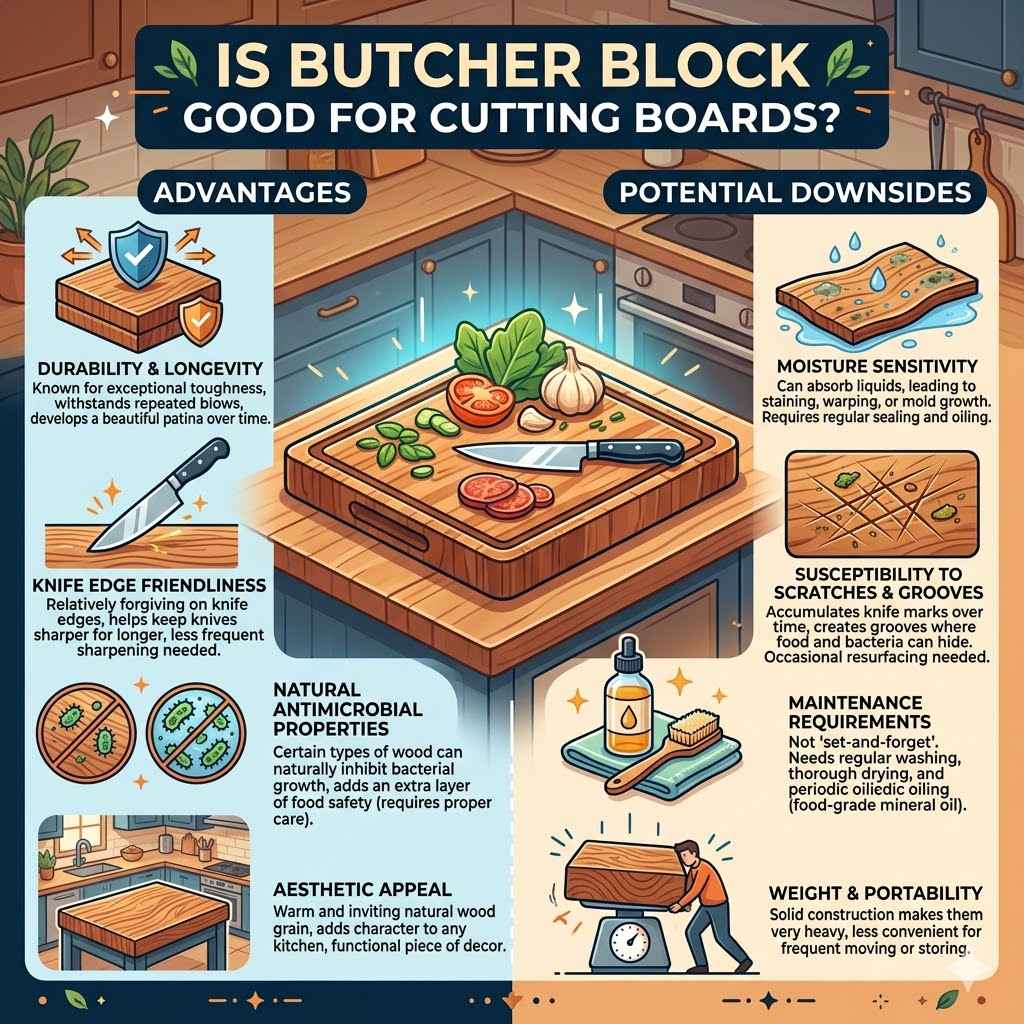
Butcher block is often considered an excellent material for cutting boards, and for good reason. Its dense, durable construction can withstand the rigors of daily food preparation, including chopping, slicing, and dicing. The natural properties of wood also offer some benefits that plastic or glass cutting boards lack, making it a favored choice for many home chefs and professional kitchens alike.
Advantages of Butcher Block Cutting Surfaces
One of the primary advantages of using butcher block as a cutting surface is its durability and longevity. When properly maintained, a butcher block cutting board can last for many years, developing a beautiful patina over time. The material is also relatively forgiving on knife edges compared to harder surfaces like stone or glass, which helps to keep your knives sharper for longer.
This is a significant benefit for anyone who values their kitchen tools.
Another plus is the aesthetic appeal of butcher block. Its natural wood grain adds warmth and character to any kitchen, making it a functional piece of decor. Many people appreciate the solid, substantial feel it provides during food preparation.
The antimicrobial properties of wood, when properly sealed and maintained, also contribute to its appeal as a hygienic cutting surface. Studies have shown that certain types of wood can naturally inhibit bacterial growth.
- Durability and Longevity
Butcher block is known for its exceptional toughness. It’s designed to withstand repeated blows from knives and other kitchen utensils without showing excessive wear. This makes it a reliable surface for all types of cutting tasks, from mincing herbs to carving roasts. Unlike some materials that can easily scratch or chip, butcher block maintains its integrity over time. - Knife Edge Friendliness
The ability of a cutting board to be gentle on knife edges is a key consideration for anyone serious about cooking. Butcher block, being made of wood, offers a slightly softer surface than materials like glass or granite. This means that when you chop or slice, your knife blade sinks into the wood slightly, reducing the friction and wear on the sharp edge. This characteristic helps to preserve the keenness of your knives, meaning you’ll sharpen them less often. - Natural Antimicrobial Properties
Wood has been used for food preparation for centuries, partly due to its natural ability to resist bacteria. Certain types of wood contain natural compounds that can help to kill or inhibit the growth of microbes. While it’s still crucial to clean and sanitize your butcher block cutting board regularly, these inherent properties add an extra layer of safety to your food prep. Proper care ensures these benefits are maximized. - Aesthetic Appeal
Beyond its practical functions, butcher block cutting boards are also beautiful. The natural variations in wood grain and color add a warm, inviting, and professional look to any kitchen countertop or prep area. They can become a focal point, enhancing the overall design of your cooking space. This blend of form and function is a significant draw for many homeowners.
Potential Downsides of Butcher Block
While butcher block offers many advantages, it’s important to be aware of its potential downsides. The primary concern for many is its susceptibility to moisture. Without proper sealing and regular maintenance, butcher block can absorb liquids, leading to staining, warping, or even the growth of mold and mildew.
This requires a commitment to care to keep it in good condition.
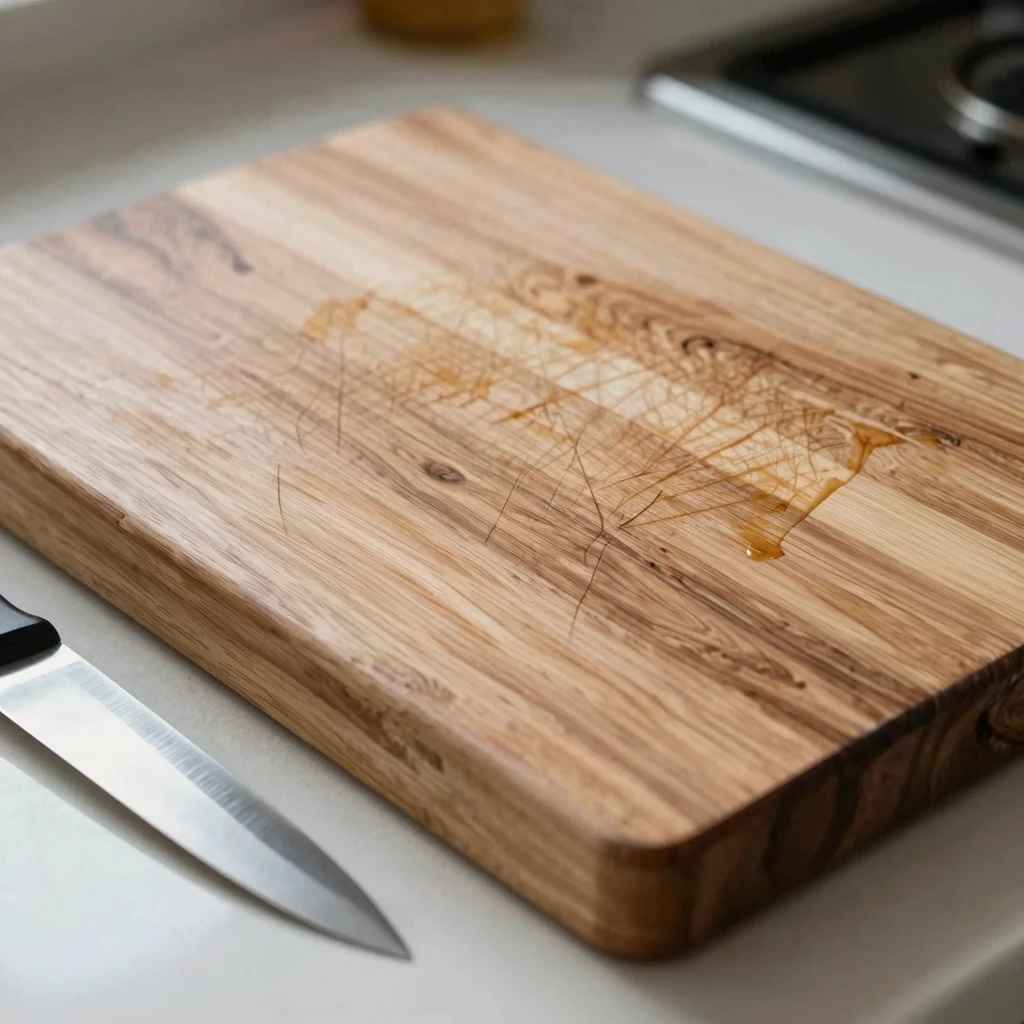
Another consideration is that while it’s better for knives than harder surfaces, it will eventually show knife marks. These marks, over time, can create grooves where food particles and bacteria can hide. Regular cleaning and occasional resurfacing are necessary to prevent this.
The weight of butcher block can also be a factor; they are typically much heavier than other types of cutting boards, making them less portable.
- Moisture Sensitivity
Wood naturally absorbs liquids. If a butcher block cutting board is not properly sealed or is left wet for extended periods, it can absorb moisture. This can lead to a range of problems including swelling, warping, and the development of unsightly stains. In severe cases, prolonged exposure to moisture can encourage mold and mildew growth, posing a health risk. Regular oiling and thorough drying are essential. - Susceptibility to Scratches and Grooves
While gentle on knives, butcher block will still accumulate knife marks over time. These cuts, especially with heavy use, can create grooves and uneven surfaces. These imperfections can trap food debris and become difficult to clean thoroughly, potentially harboring bacteria. Periodic sanding or planing is often recommended to maintain a smooth, hygienic surface. - Maintenance Requirements
Butcher block cutting boards are not a set-and-forget item. They require regular care to remain in good condition and hygienic. This includes regular washing with mild soap and water, thorough drying, and periodic oiling with food-grade mineral oil or a specialized cutting board conditioner. Neglecting this maintenance can quickly lead to the material degrading. - Weight and Portability
Due to their solid construction, butcher block cutting boards are generally quite heavy. This can make them less convenient if you need to frequently move your cutting board around the kitchen, store it away, or carry it to and from a sink for washing. They are best suited for dedicated prep areas where they can remain in place most of the time.
How To Use Butcher Block As A Cutting Board
Choosing the Right Butcher Block
Not all butcher block is created equal when it comes to its suitability as a cutting board. The type of wood used, the construction method, and the finish all play a role. For cutting boards, hardwoods like maple, walnut, and cherry are excellent choices.
These woods are dense, durable, and have fine grains that are less prone to splintering and easier to clean.
Construction methods also matter. Edge-grain butcher block, where strips of wood are joined edge-to-edge, is common and effective. End-grain butcher block, where short pieces of wood are glued together with the grain facing upwards, is considered superior for cutting boards.
The end-grain construction is more forgiving on knife edges and has a natural ability to “heal” from knife marks, making it more durable and self-sanitizing.
- Wood Type Selection
The species of wood chosen for your butcher block cutting board significantly impacts its performance and longevity. Hardwoods are preferred due to their density and resistance to damage. Maple, for instance, is a very popular choice because it is hard, durable, and has a closed grain that doesn’t easily absorb liquids or harbor bacteria. Walnut offers a beautiful dark color and is also quite durable. Cherry wood, while slightly softer than maple or walnut, is still a good option with an attractive grain. - Construction Methods
There are two main ways butcher block is constructed: edge-grain and end-grain. Edge-grain boards are made by gluing strips of wood together along their sides. This creates a strong, stable surface. End-grain boards are made by gluing together short segments of wood with the grain running vertically. This construction is more complex and expensive but offers superior benefits for cutting. - Edge-Grain Construction Explained
In edge-grain butcher block, long strips of wood are joined side-by-side. The sides of the wood grain face upwards. This method produces a very stable and durable cutting surface. It is less expensive to produce than end-grain butcher block, making it a more common and accessible option for many kitchens. While durable, it can show knife marks more readily than end-grain. - End-Grain Construction Explained
End-grain butcher block is created by arranging short pieces of wood with their end grain facing upwards. Imagine a grid of wood fibers. When a knife cuts into this surface, it parts the wood fibers rather than slicing through them. This characteristic makes end-grain boards exceptionally gentle on knife edges and allows the surface to self-heal minor cuts, making it a premium choice for serious cooks.
Preparing Your Butcher Block Board
Before you start chopping, it’s essential to prepare your butcher block cutting board properly. This usually involves seasoning the wood with a food-grade mineral oil. This process helps to seal the wood, preventing it from absorbing moisture, staining, and drying out.
It also makes the board more resistant to bacteria.
To season, apply a generous amount of mineral oil to all surfaces of the board using a clean cloth or paper towel. Let it soak in for at least 15-20 minutes, then wipe off any excess. Repeat this process several times, especially when the board is new.
After the initial seasoning, you’ll need to reapply oil periodically, typically once a month or whenever the wood starts to look dry.
- The Importance of Seasoning
Seasoning a butcher block cutting board with food-grade mineral oil is a critical step. It creates a protective barrier within the wood fibers. This barrier helps repel liquids like water, oil, and food juices, preventing them from penetrating the wood. Proper seasoning also keeps the wood hydrated, which stops it from drying out, cracking, or warping over time. - How to Season Your Board
Start by ensuring your board is clean and completely dry. Pour a generous amount of food-grade mineral oil onto the surface. Use a soft cloth or paper towel to spread the oil evenly over the entire board – all sides, edges, and ends. Let the oil sit for at least 20 minutes, allowing it to soak deep into the wood. Wipe away any excess oil with a clean cloth. Repeat this process multiple times for the first few uses. - Choosing the Right Oil
Only use food-grade mineral oil for seasoning your cutting board. This type of oil is specifically processed to be safe for contact with food and will not go rancid. Avoid using common cooking oils like olive oil or vegetable oil, as they can go rancid and leave an unpleasant smell and taste on your board. Specialized cutting board conditioners, which often contain a blend of mineral oil and beeswax, are also excellent options. - Frequency of Oiling
After the initial thorough seasoning, your butcher block cutting board will need regular oiling to maintain its protective layer. A good rule of thumb is to oil it once a month. However, you can tell it needs oiling if the wood starts to look dull, dry, or if water no longer beads up on the surface but instead soaks in quickly. Frequent use and washing will require more frequent oiling.
Daily Care And Cleaning
Cleaning your butcher block cutting board after each use is essential for hygiene and longevity. Wash it immediately with warm water and mild dish soap. Use a soft cloth or sponge to scrub both sides of the board.
Avoid soaking the board in water, as this can lead to damage.
After washing, rinse the board thoroughly and dry it completely with a clean towel. It’s best to stand the board on its edge to allow air to circulate around all sides, ensuring it dries evenly. Never put a wooden cutting board in the dishwasher, as the high heat and prolonged exposure to water will warp and crack the wood.
- Washing Techniques
To clean your butcher block cutting board, use warm water and a small amount of mild dish soap. Gently scrub the surface with a soft sponge or cloth. For tougher spots, a gentle scrub brush can be used. Always wash both sides of the board to prevent warping. Avoid using harsh detergents or abrasive cleaners, as they can damage the wood’s finish and integrity. - Rinsing and Drying Properly
After washing, rinse the cutting board thoroughly under running water to remove all soap residue. It’s crucial to dry the board immediately and completely. Use a clean, absorbent towel to wipe down all surfaces. To ensure even drying and prevent moisture from being trapped, stand the board upright on its edge. This allows air to circulate freely around it. - The Dishwasher Danger Zone
Never, ever put your butcher block cutting board in a dishwasher. The high temperatures, aggressive detergents, and prolonged soaking cycle of a dishwasher will cause irreversible damage. The wood will absorb excessive moisture, leading to swelling, warping, cracking, and can even cause the glue holding the board together to fail. Handwashing is the only safe method. - Dealing with Stains and Odors
Sometimes, stubborn stains or lingering odors can be a problem. For stains, you can try making a paste of baking soda and water. Apply it to the stained area, let it sit for a few minutes, then scrub gently and rinse. For odors, rubbing half a lemon over the surface can help neutralize them. Rinse and dry thoroughly afterward.
Deep Cleaning And Maintenance
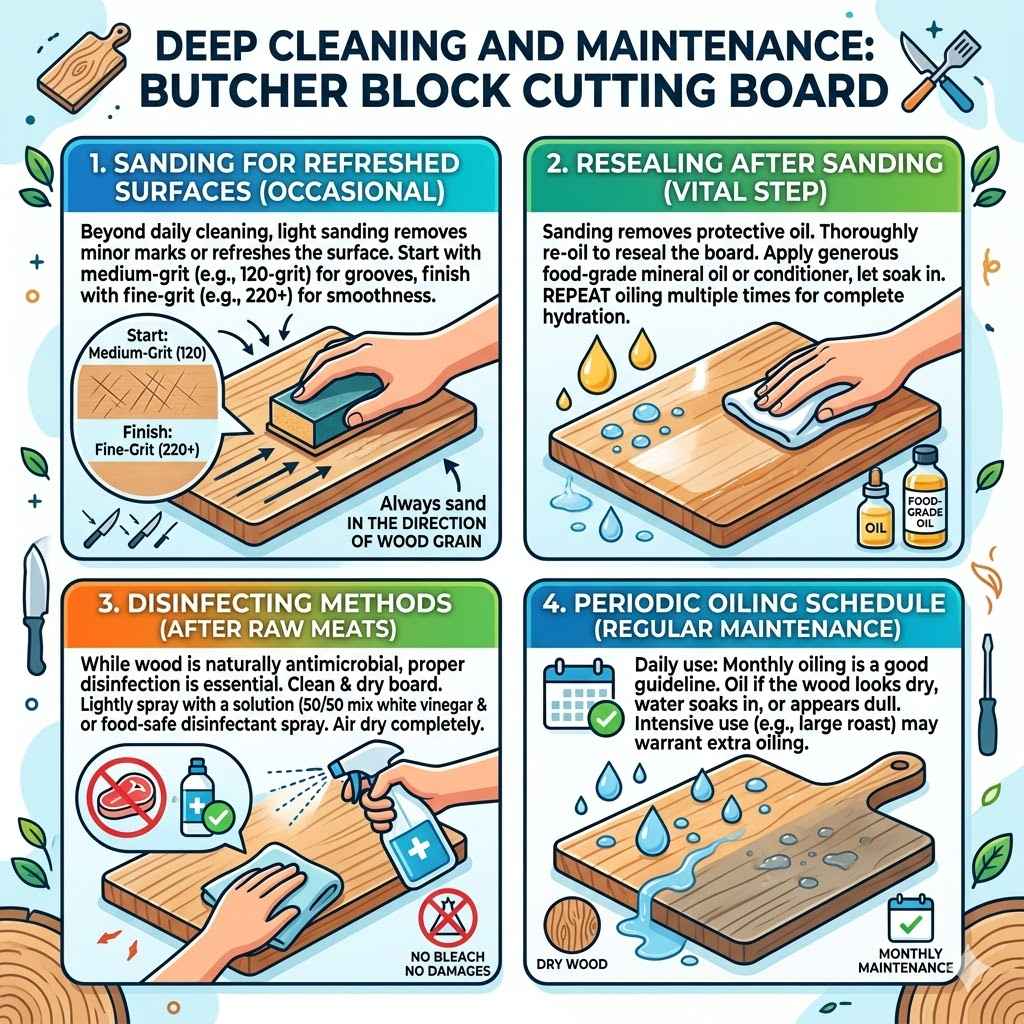
Beyond daily cleaning, occasional deep cleaning and maintenance are necessary for your butcher block cutting board. This might involve a light sanding to remove minor knife marks or to refresh the surface. If you choose to sand, start with a medium-grit sandpaper and finish with a fine-grit sandpaper for a smooth finish.
Always sand in the direction of the wood grain.
After sanding, it’s vital to re-oil the board thoroughly to reseal it. For more significant damage or to restore a heavily used board, professional refinishing might be an option. Some people also choose to use a specialized cutting board cleaner that contains disinfectants and conditioning agents, but always ensure they are food-safe.
- Sanding for Refreshed Surfaces
Over time, knife marks and minor imperfections can accumulate on your butcher block cutting board. A light sanding can help restore its smooth appearance. Start with a medium-grit sandpaper (around 120-grit) to remove any significant grooves or stains, always sanding in the direction of the wood grain. Follow up with a fine-grit sandpaper (220-grit or higher) to achieve a smooth finish. - Resealing After Sanding
Once you have sanded your cutting board, it is essential to reseal the wood. Sanding removes the previous protective oil layer. Apply a generous coat of food-grade mineral oil or a cutting board conditioner to the entire surface after sanding and wiping away all dust. Allow it to soak in and repeat the oiling process multiple times to ensure the wood is fully rehydrated and protected. - Disinfecting Methods
While wood has natural antimicrobial properties, proper disinfection is still important, especially after preparing raw meats. After cleaning and drying, you can lightly spray the board with a solution of white vinegar and water (50/50 mix) or use a food-safe disinfectant spray. Allow it to air dry completely. Avoid bleach, as it can damage the wood and is not ideal for porous surfaces. - Periodic Oiling Schedule
As mentioned, regular oiling is key. For a board that sees daily use, monthly oiling is a good guideline. If you notice the wood looking dry, water soaking in, or if the board starts to develop a dull appearance, it’s time for an oiling session. More intensive use, like carving a large roast, might also warrant an extra oiling afterward.
Can Butcher Block Be Used as a Cutting Board FAQ
Question: Can butcher block countertops be used as cutting boards?
Answer: While butcher block countertops can be used for light cutting tasks, it is not recommended for regular heavy-duty chopping. Countertops are typically not finished with food-safe sealants in the same way cutting boards are, and they are more prone to permanent damage and staining from knife work. It’s best to use a dedicated cutting board.
Question: How often should I oil my butcher block cutting board?
Answer: You should oil your butcher block cutting board at least once a month. If the wood looks dry, dull, or if water soaks into the surface instead of beading up, it needs oiling sooner. Frequent use will require more frequent oiling.
Question: Can I cut raw meat on a butcher block cutting board?
Answer: Yes, you can cut raw meat on a butcher block cutting board. Wood has natural antimicrobial properties that help inhibit bacterial growth. However, it is crucial to clean and sanitize the board thoroughly after each use, especially after cutting raw meats, to prevent cross-contamination.
Question: Will knives damage butcher block cutting boards?
Answer: Knives will create knife marks on butcher block cutting boards over time. However, butcher block, especially end-grain construction, is considered gentler on knife edges than harder materials like glass or stone. Regular maintenance, including occasional sanding, can help mitigate the appearance of these marks.
Question: What is the best type of butcher block for a cutting board?
Answer: End-grain butcher block is generally considered the best for cutting boards because it is more forgiving on knife edges and has a natural ability to self-heal minor cuts. Hardwoods like maple, walnut, and cherry are excellent wood choices for both edge-grain and end-grain constructions.
Final Thoughts
So, Can Butcher Block Be Used as a Cutting Board? Absolutely. Its durability, natural beauty, and knife-friendly surface make it an excellent choice. By following simple steps for seasoning, cleaning, and regular maintenance, your butcher block cutting board will serve you reliably and beautifully for years to come.