Best Cedar Mulch for Gardens for Beds (2026): we compared
Best cedar mulch for gardens depends on the bed: use coarse, aged shredded cedar in a moderate layer for ornamental beds and foundation plantings, avoid fresh fine cedar around vegetables, and use a thinner layer in containers. Wrong particle size or depth can crust, shed water, hold too much moisture, and stress roots. This guide compares cedar mulch types by garden use, application depth, and common failure risks before you buy.
Quick comparison
| Product | Badge | Best for | Price | ||
|---|---|---|---|---|---|
 |
GroundSmart Out Door Garden Fencing Rubber Mulch 0.8 CubicGroundSmart Rubber Mulch | Our pick | Rubber mulch, 0.8 cu ft, 72 bags | $22.00
Price as of 12 Oct 2026
|
View |
 |
Fresh Natural Shredded Redwood Mulch, Fine Gorilla HairGeneric | Also great | Shredded Redwood, 1 cubic foot, 34 quarts | $34.99
Price as of 12 Oct 2026
|
View |
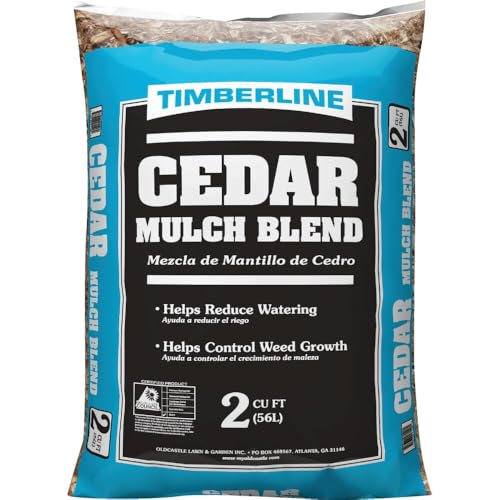 |
OLDCASTLE Lawn & Garden Cedar Mulch 2CFOLDCASTLE LAWN & GARDEN | Budget pick | Shredded cedar, 2 cubic feet | $27.88
Price as of 12 Oct 2026
|
View |
 |
Soil Sunrise 100% Natural Pine Bark Mulch Nuggets (30Soil Sunrise | Upgrade pick | Pine bark nuggets, 30 quarts, 1/2-inch | $44.99
Price as of 12 Oct 2026
|
View |
 |
100% Natural Cedar Chips | Mulch | Great for Outdoors orWood Smith USA | Pair with it | Cedar chips, 4 quarts, natural | $14.95
Price as of 12 Oct 2026
|
View |
This comparison is about fit, not scent. Cedar performs best when the form matches the bed type, drainage, and how often you refresh mulch after rain or irrigation.
How we chose
We compared cedar mulch forms by particle size, coverage pattern, and where each one is least likely to fail. We also weighed root-zone risk, wind exposure, and how often the mulch must be refreshed.
The main filter was bed type: ornamental beds, vegetable beds, and containers behave differently. A mulch that stays put in a flower bed can fail in a tilled vegetable bed or a shallow pot.
Maintenance mattered too. Granules, fine shavings, and lightly applied mulch all need more frequent checks after heavy rain or irrigation. Coarser material can last longer, but only when the bed can handle it.
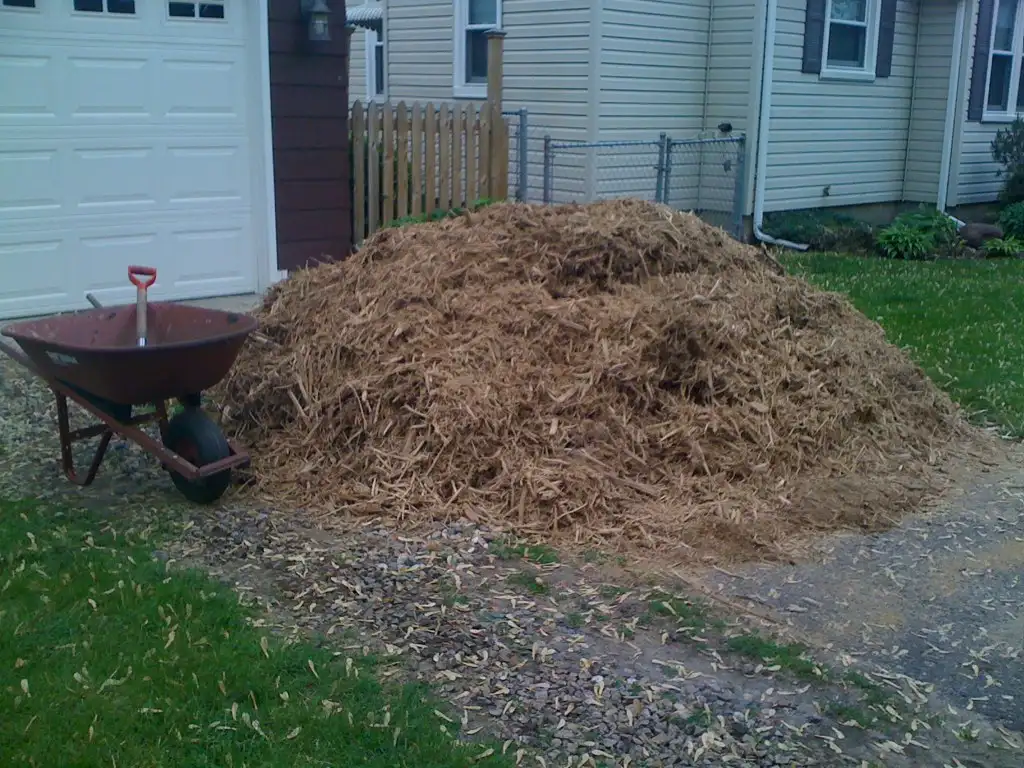
Best shredded cedar mulch: best for ornamental beds
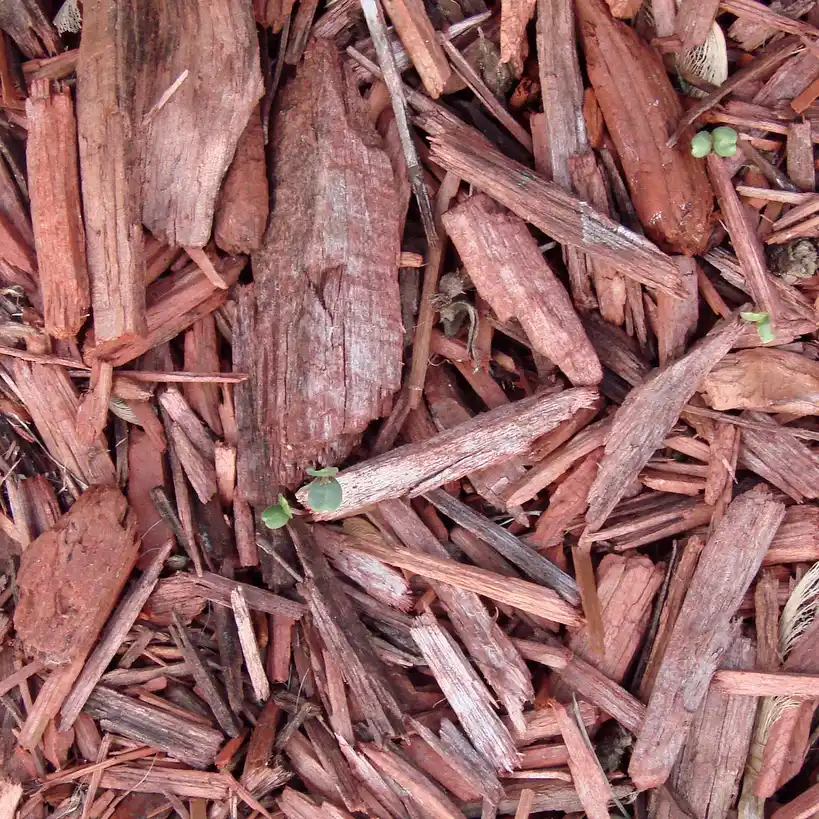
OLDCASTLE Lawn & Garden Cedar Mulch 2CF is the best fit for most ornamental beds because it is 100% shredded cedar and lines up with the common 2–3 inch application range for flowers and mixed garden beds. Shredded mulch also tends to cover more evenly than larger chips, and shredded wood mulch resists wind better than chips.
This is the form to start with for foundation plantings, front-yard beds, and other areas where you want a consistent top layer and moderate weed suppression. The cedar scent is secondary, not the buying reason.
The drawback is simple: shredded mulch can still crust if you pile it too deep, and fresh mulch is not a good match for regularly tilled beds. In very dry or very windy sites, you still need to check for blow-off.
Best cedar chips: best for long-lasting top coverage
Wood Smith USA 100% Natural Cedar Chips suit small beds, hanging planters, and potted plants when you want a more uniform surface than shavings. Cedar chips hold moisture well, and the larger particles can stay visible longer on the soil surface than finer material.
This form works better when you want a decorative top layer and a slower breakdown pace. It also fits buyers who want cedar for indoor or outdoor plantings without the heavier coverage of shredded mulch.
The drawback is coverage behavior. Chips are coarser, so they do not lock together as well as shredded mulch in very high winds. In exposed beds, that matters.
Best cedar shavings: best for containers and small plants
Fresh Natural Shredded Redwood Mulch is the closest product in this list to a fine, light mulch for pots and small-root zones, though it is redwood, not cedar. That distinction matters because cedar shavings are the finer cedar form gardeners use for indoor pots and small plants, where texture and moisture control matter more than bulk coverage.
Fine material makes sense in shallow containers because it spreads easily and avoids the chunky look that can crowd a small pot. It can also help with moisture retention around houseplants and small decorative plantings.
The drawback is that fine particles break down and shift faster than coarse mulch, so they need more frequent refresh checks. Fine material is also a poor match for young plants if it is too fresh or packed too tightly.
Best cedar granules: best for easy application
Cedar granules are the easiest option when you want fast spreading and a pest-deterrent layer around beds, walks, or targeted spots. They are positioned for repelling ants, aphids, spiders, mosquitoes, and similar pests, but they should be treated as a maintenance product, not a permanent barrier.
Granules make sense when you need simple application around a problem area and do not want to manage a full mulch bed. They are also useful where the goal is short-term pest pressure reduction rather than long-term weed suppression.
The drawback is refresh frequency. Granules usually need reapplication after rain or irrigation, so they are not the best choice for low-maintenance beds.
Which one should you buy?
Choose shredded cedar first if you are mulching ornamental beds, foundation plantings, or mixed flower borders. Choose chips if you want a more decorative top layer for small beds or containers, and choose granules only when easy pest-focused application matters more than long wear.
For budget planning, bag coverage matters more than the sticker price. A deeper application uses more bags fast, and a coarse product that needs frequent refreshes can cost more over a season than a slightly higher-priced mulch with better coverage.
Say your front bed gets strong afternoon wind and you want fewer blow-offs. Shredded cedar is the safer pick than chips because it stays put better. Suppose you have 12-inch containers with herbs. A thinner cedar layer or small chips fit better than a full bed mulch.
If you want the shortest path to a choice, use this rule: ornamental bed, shredded cedar; small container, finer cedar form; pest-targeted spot, granules; regularly tilled vegetable bed, usually skip cedar mulch.
Garden-by-garden cedar mulch guide
Match cedar mulch to the bed, not the scent. Ornamental beds can handle a normal mulch layer, vegetable beds need more caution, and containers need a thinner application because the root zone is shallow and easy to overdo.
| Garden type | Recommended cedar form | Ideal depth | When to avoid it | Maintenance interval |
|---|---|---|---|---|
| Ornamental beds | Shredded cedar; chips if you want a more uniform top layer | 2–3 inches | Avoid fresh mulch in regularly tilled beds and keep it off trunks | Check after heavy wind or rain; refresh as needed during the growing season |
| Vegetable beds | Aged shredded cedar, used lightly around established plants | 2–3 inches | Avoid regular tilling, fresh sawdust-like material, and young plants | Inspect monthly and after irrigation cycles that move mulch or expose soil |
| Containers | Cedar shavings or fine chips for small pots; granules for short-term pest use | 1–2 inches | Avoid heavy layers that seal the pot surface or crowd tender stems | Check after each soak or rain; top off only when the surface thins |
Is cedar mulch good for gardens?
Cedar mulch is good for gardens when you match the form and depth to the bed. It can help retain moisture, suppress weeds, and add the familiar cedar smell many gardeners want. It works best in beds around foundations, and in containers with enough drainage and headroom.
The benefit drops when the mulch is too fine, too fresh, or too deep for the planting. Wood mulch can draw essential nitrogen from the soil as it decomposes, so the risk rises if you mix it into soil or use it where the root zone is already stressed.
For compacted or clay-heavy soil, 3–4 inches can help hold moisture, but only as a surface layer. Do not blend it into the soil.
When should you not use cedar mulch?
You should not use cedar mulch in beds that are tilled regularly, in young plantings with shallow roots, or in places where a heavy layer would block water movement. Fresh sawdust-like cedar is especially a bad fit for young plants. In those situations, the mulch can do more harm than good.
It can be a less practical choice when you need a long-lasting material in a windy site, especially if the chips are coarse and easier to move. Over-mulching is another failure point; a layer that is too deep can hold excess moisture and stress roots.
Perennial vegetables like rhubarb and asparagus are the main exception in vegetable gardens. Even there, keep mulch on the surface and away from crowns.
How to use cedar mulch
Use cedar mulch as a surface layer, not a soil amendment. Spread 2–3 inches over vegetables and flowers, 3–4 inches around trees, and keep tree mulch 6 inches away from the trunk. That spacing helps prevent rot and keeps moisture from sitting against bark.
Start by clearing weeds and watering the bed first if the soil is dry. Then spread the mulch evenly without packing it down. The goal is coverage, not compaction.
- Measure the bed depth you need before buying bags.
- Choose the form that fits the bed: shredded, chips, shavings, or granules.
- Spread the mulch evenly to the target depth.
- Keep mulch away from trunks, crowns, and young stems.
- Check after heavy rain, irrigation, or wind and top up only where the layer has thinned.
Frequently asked questions
does cedar mulch help with weeds and moisture
Yes, cedar mulch can help with weeds and moisture when it forms an even surface layer. It reduces light reaching weed seeds and slows evaporation from the soil. That result depends on depth, coverage, and staying power after rain or irrigation, so a thin or patchy layer will perform poorly.
can you use cedar mulch in vegetable gardens
You can use cedar mulch in vegetable gardens, but only with care. It is better around established plants than around young seedlings, and it should stay out of regularly tilled beds. Perennial vegetables like rhubarb and asparagus are the clearest fit, while fresh sawdust-like cedar is a bad match for tender crops.
how deep should cedar mulch be applied
Apply cedar mulch 2–3 inches deep for vegetables and flowers, and 3–4 inches for trees. Keep tree mulch 6 inches away from the trunk. For compacted or clay-heavy soil, 3–4 inches can help hold moisture, but deeper is not better if it starts trapping water or burying stems.
Sponsored / affiliate links. As an Amazon Associate I earn from qualifying purchases. I may earn additional commission from eligible campaigns.