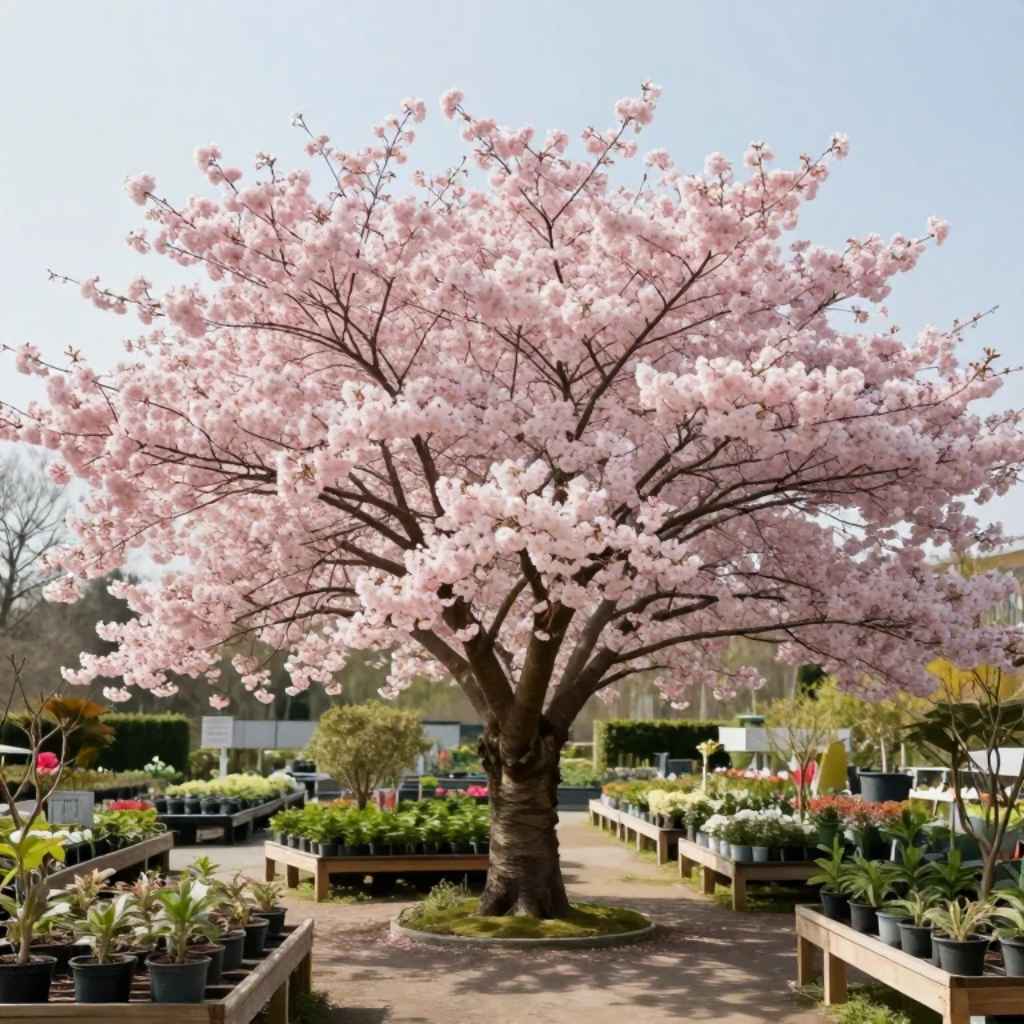
Can I Buy A Cherry Blossom Tree? Where And What To Expect
The short answer is: Yes, you can buy cherry blossom trees from many nurseries and garden centers, both online and locally. Expect a range of sizes and bloom colors depending on the variety, and be prepared for specific care needs related to soil, sun, and watering to ensure beautiful blooms.
What Are Cherry Blossom Trees?
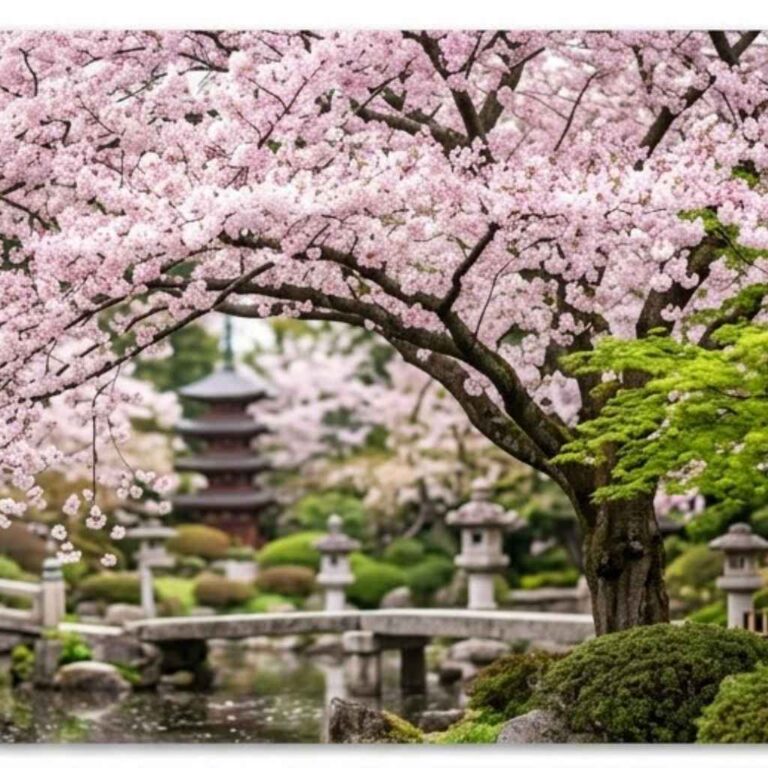
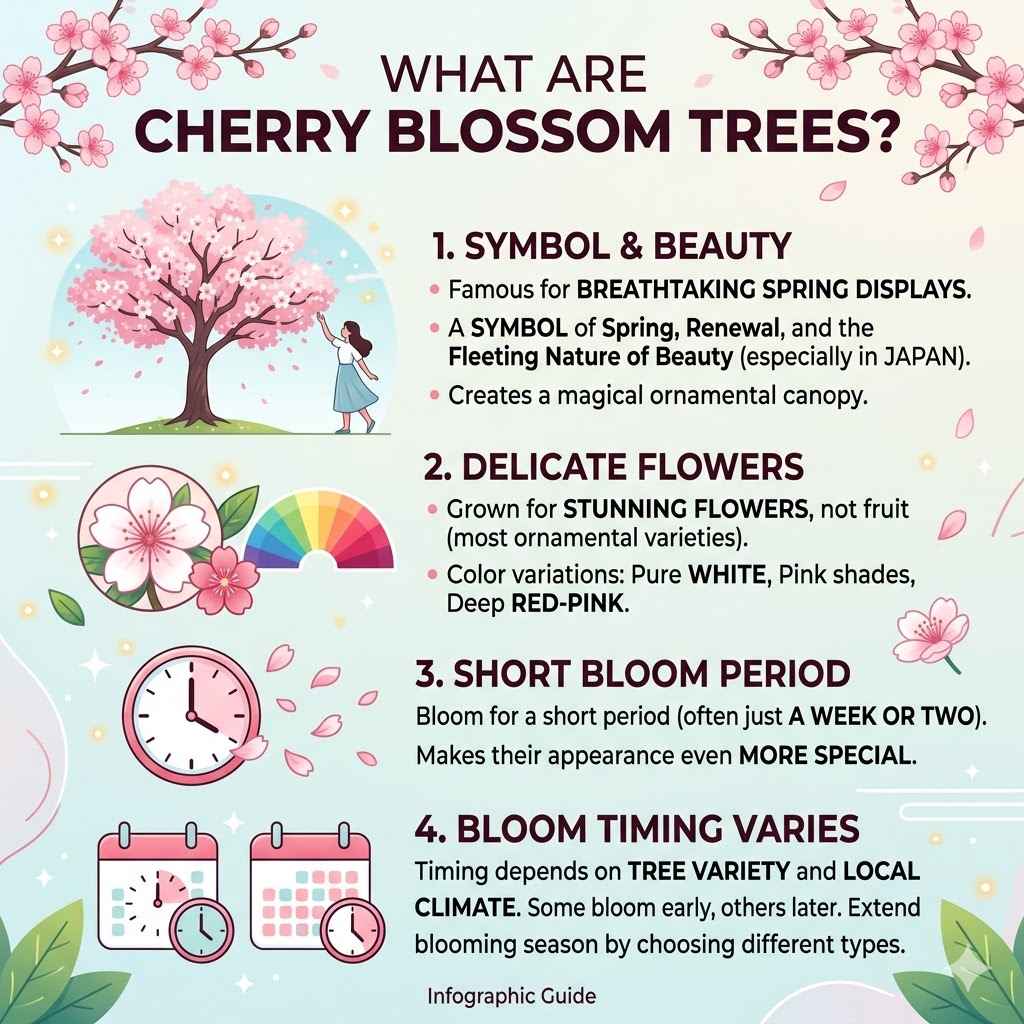
Cherry blossom trees, scientifically known as Prunus species, are famous for their breathtaking spring displays. These trees are not just about pretty flowers. They are a symbol of spring, renewal, and the fleeting nature of beauty in many cultures, especially in Japan.
Their delicate petals create a magical canopy, making them a highly sought-after ornamental tree.
These trees are grown for their stunning flowers, not for fruit production in most ornamental varieties. The flowers can range in color from pure white to various shades of pink, and sometimes even a deep reddish-pink. They bloom for a relatively short period, often just a week or two, making their appearance even more special.
The timing of the bloom can vary. It depends on the specific variety of the tree and your local climate. Some trees bloom very early in spring, while others might bloom a bit later.
This variation means you can potentially extend the blooming season in your area by choosing different types.
Why Do People Want to Buy Them?
The main reason people want to buy a cherry blossom tree is their incredible beauty. Imagine your yard bursting with color each spring. It’s a sight that brings joy and a sense of peace.
These trees transform a landscape into something truly special during their blooming period.
Beyond the visual appeal, cherry blossom trees offer a connection to nature. Watching them bloom year after year can be a rewarding experience. It’s also a way to create a beautiful, serene spot in your home landscape.
Many find the ephemeral nature of the blossoms quite poetic.
For many gardeners, it’s also about the prestige. Having a well-loved ornamental tree like a cherry blossom can be a point of pride. It shows a dedication to creating a beautiful outdoor space.
Plus, they attract pollinators like bees, which is great for the local ecosystem.
Where Can You Buy a Cherry Blossom Tree?
Finding a cherry blossom tree is easier than you might think. Several types of sellers offer these popular trees. It’s important to buy from reputable sources to ensure you get a healthy tree that is the correct variety.
Buying Options for Cherry Blossom Trees
Local Nurseries and Garden Centers: These are often the best places to start. You can see the trees in person before buying. Staff can offer advice specific to your region.
Look for places that specialize in ornamental trees or have a good selection.
Online Retailers: Many reputable online nurseries sell cherry blossom trees. They often have a wider selection of varieties. Buying online can be convenient, but make sure the seller has good reviews and a clear shipping policy.
Inspect the tree carefully upon arrival.
Specialty Tree Farms: Some farms focus specifically on growing and selling trees. These can be excellent sources for high-quality, well-cared-for specimens. You might need to travel further, but the selection and expertise can be worth it.
Big Box Stores: While you might find a cherry blossom tree at a large home improvement store, the quality and variety can be inconsistent. If you choose this option, inspect the tree very carefully for health signs.
When you’re looking, don’t just grab the first one you see. Take your time. Check the health of the tree.
Look for green leaves, no signs of pests, and a sturdy trunk. A healthy start means a healthier tree for years to come.
What to Expect When Buying
Buying a cherry blossom tree involves more than just picking a pretty plant. You’ll need to consider the type of tree, its size, and its specific needs. Understanding these factors will help you make the best choice for your garden.
Different varieties offer different bloom times, colors, and growth habits. Some grow tall and wide, while others are more compact or weeping. Knowing your space and what you want to achieve aesthetically is key.
Key Considerations Before You Buy
Variety: There are many ornamental cherry varieties. Some popular ones include ‘Kwanzan’ (deep pink, double blooms), ‘Yoshino’ (white, single blooms), and ‘Higan’ (pendulous branches, pink or white blooms). Research which ones do best in your climate zone.
Size at Maturity: Cherry blossom trees can range from small, ornamental types that stay under 15 feet to larger specimens that reach 30-40 feet or more. Measure your available space carefully. Think about mature height and width.
Bloom Time: Some bloom very early, while others bloom mid-spring. If you want to extend the show, consider planting multiple trees with different bloom times.
Health of the Tree: Look for a healthy root ball, strong trunk, and no signs of disease or pests. The leaves should be green and vibrant.
Price: Prices vary widely based on size, age, and variety. A young tree in a pot will be less expensive than a larger, more established specimen.
It’s also helpful to know about the tree’s growth rate. Some grow faster than others. If you’re impatient for blooms, a slightly larger tree might be a better initial investment.
But remember, even small trees can bloom.
The Difference Between Ornamental and Fruit Cherry Trees
It’s important to distinguish between ornamental cherry trees and fruit-bearing cherry trees. While both are in the Prunus genus, they are bred for different purposes.
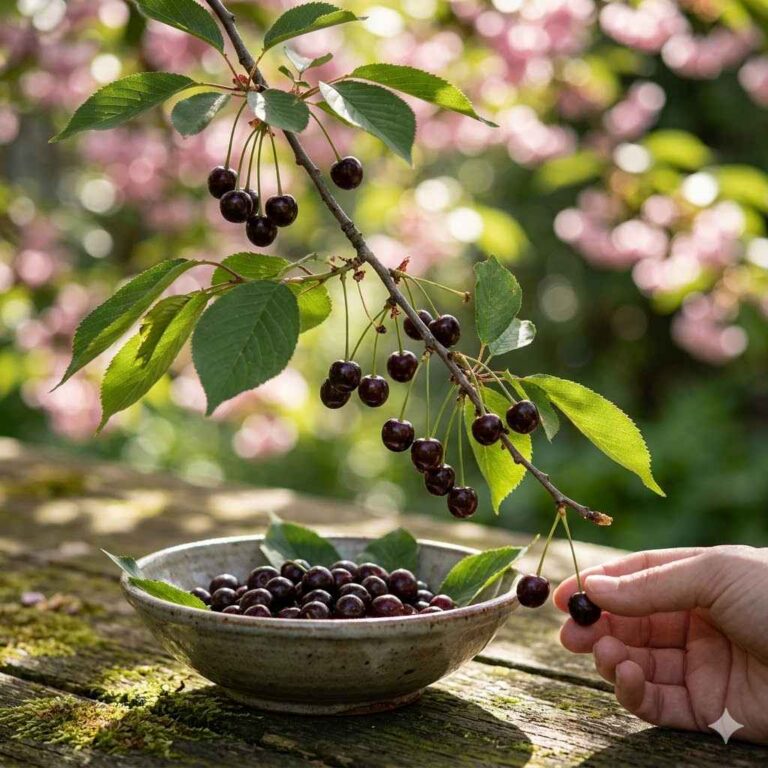
Ornamental cherry trees are cultivated primarily for their spectacular floral display. They produce small, often inedible cherries after the blooms fade. Their beauty is in the spring flowers.
These are the trees most people think of when they say “cherry blossom tree.”
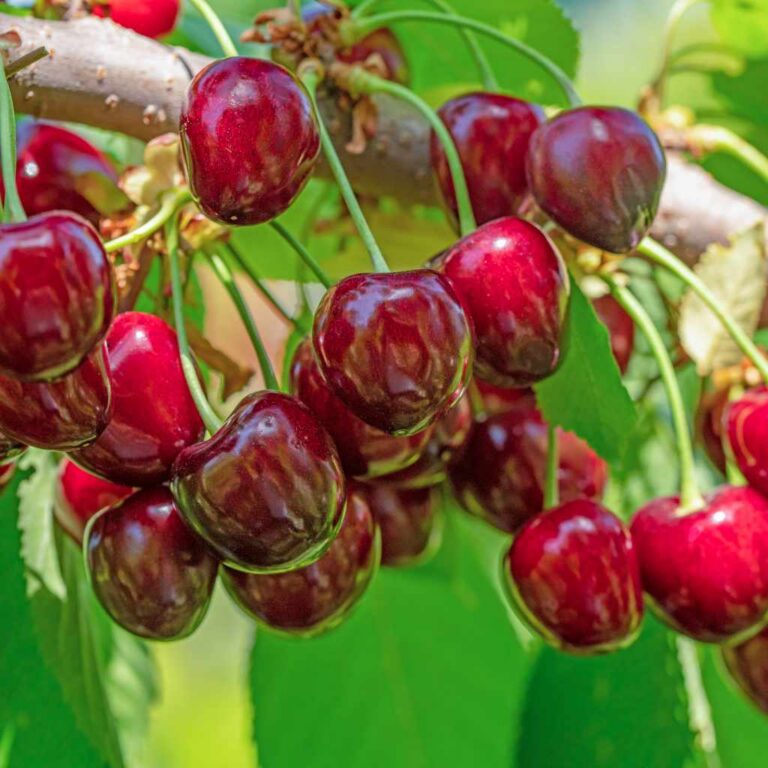
Fruit cherry trees, like Bing or Rainier, are specifically bred for their delicious fruit. While they do produce blossoms, they are often less showy than those on ornamental varieties. The focus is on fruit yield and quality.
If you want to eat cherries, you need a fruit variety.
Ornamental vs. Fruit Cherry Trees
Ornamental Cherries:
- Purpose: Flowers, aesthetic appeal.
- Blooms: Abundant, often double petals, vibrant colors (pink, white).
- Fruit: Small, usually ornamental, often not edible.
- Examples: ‘Kwanzan’, ‘Yoshino’, ‘Prunus serrulata’.
Fruit Cherries:
- Purpose: Fruit production.
- Blooms: Usually single petals, white or pale pink, less dramatic.
- Fruit: Large, edible, sweet or tart.
- Examples: ‘Bing’, ‘Rainier’, ‘Montmorency’.
When you’re at the nursery, don’t hesitate to ask the staff about the specific type of cherry tree. They can guide you to the right choice based on whether you want a showpiece for your yard or a source of fruit.
Understanding Cherry Blossom Tree Varieties
The world of ornamental cherry trees is vast. Each variety has its own charm, bloom style, and growth habit. Knowing a few popular types can help you narrow down your search.
Some varieties are known for their prolific double blooms, meaning they have many petals. Others have simpler, single blooms that can still be incredibly beautiful. The color palette is also a key factor.
From pure white to soft blush and vibrant fuchsia, there’s a shade for everyone.
Popular Ornamental Cherry Blossom Varieties
‘Kwanzan’ Cherry (Prunus ‘Kanzan’): This is one of the most popular flowering cherries. It boasts large, showy double flowers in a vibrant pink. It blooms a bit later in spring.
It typically grows into a vase shape and can reach 20-30 feet tall and wide.
‘Yoshino’ Cherry (Prunus yedoensis): Famous for the iconic cherry blossoms in Washington D.C. It produces masses of fragrant, single white flowers with a faint pink blush. It has a spreading habit and can grow quite large, up to 50 feet tall with a wide canopy.
‘Higan’ Cherry (Prunus subhirtella): This group includes several lovely varieties. ‘Pendula’ is a weeping form with cascading branches, producing pink or white flowers. ‘Autumnalis’ offers sporadic blooms in fall and early spring.
They are generally medium-sized trees.
‘Shirotae’ (Mt. Fuji Cherry) (Prunus ‘Shirotae’): Known for its beautiful, horizontal branching structure, giving it a graceful, spreading form. It has large, single, pure white flowers with a slight fragrance.
It typically grows to about 20 feet tall and 40 feet wide.
‘Okame’ Cherry: A hybrid known for its early bloom time and profusion of bright pink, single flowers. It has a more upright, oval shape and is relatively disease-resistant. It grows to about 20-30 feet tall.
When you choose a variety, consider its mature size and shape. Some trees are perfect for smaller yards, while others need plenty of space to spread out and show off their full glory. Think about the overall landscape design you’re aiming for.
Choosing the Right Spot for Your Tree
Planting your cherry blossom tree in the right location is crucial for its health and its ability to produce those stunning flowers. It’s not just about where it looks pretty; it’s about what the tree needs to thrive.
These trees love sunshine. They need at least six hours of direct sunlight each day to bloom their best. More sun generally means more flowers.
Also, consider the soil. They prefer well-draining soil. Soggy roots are a fast way to a sad tree.
Ideal Planting Conditions
Sunlight: Full sun is best. Aim for at least 6 hours of direct sunlight daily. Partial shade can work, but blooms may be less profuse.
Soil: Well-draining soil is essential. Avoid areas where water stands after rain. If you have heavy clay soil, consider amending it with compost or planting in raised beds.
Air Circulation: Good airflow helps prevent fungal diseases. Avoid planting too close to buildings or other dense plantings.
Protection: While established trees are hardy, young trees can benefit from some protection from harsh winds. Avoid planting right next to a sidewalk where they might get damaged by salt in winter.
I remember planting my first flowering cherry. I was so excited to see it bloom. I picked a spot that looked nice, but it was a bit too shady.
The first year, I only got a few flowers. It was a good lesson in understanding a plant’s needs before just putting it in the ground.
Also, think about proximity to other plants or structures. A large tree will grow. Ensure it has room to spread its branches without interfering with power lines, your house, or other trees.
This planning prevents problems down the road.
Planting Your Cherry Blossom Tree
Planting is a critical step. Doing it right ensures your tree gets a strong start. It’s not complicated, but it does require a bit of care.
Dig a hole that’s two to three times wider than the root ball, but no deeper. The top of the root ball should be level with the surrounding soil. You don’t want to plant it too deep or too shallow.
Step-by-Step Planting Guide
1. Prepare the Hole: Dig a hole that is wider than the tree’s root ball. Make sure the sides are loosened.
2. Position the Tree: Gently place the tree in the center of the hole. Check that the top of the root ball is even with the ground level.
3. Backfill the Hole: Fill the hole with the soil you removed. Gently tamp it down to remove large air pockets.
Avoid packing it too tightly.
4. Water Thoroughly: Water the tree well after planting. This helps settle the soil around the roots and reduces transplant shock.
5. Mulch: Apply a layer of organic mulch around the base of the tree. Keep it a few inches away from the trunk.
Mulch helps retain moisture and suppress weeds.
After planting, give your tree a good drink of water. This is very important. It helps settle the soil and reduce any air pockets around the roots.
Mulching is also a great idea. It keeps the soil moist and helps prevent weeds from competing with your new tree.
I remember one time, I forgot to mulch after planting a new tree. A few weeks later, I noticed the soil surface was really dry, and I had a lot of weeds popping up. Adding mulch made a huge difference in keeping the soil evenly moist and reducing that weeding chore.
Caring for Your Cherry Blossom Tree
Once planted, your cherry blossom tree needs ongoing care to stay healthy and produce those beautiful blooms. The good news is that ornamental cherries are generally not overly demanding once established.
Watering is key, especially in the first year. Young trees need consistent moisture. Mature trees are more drought-tolerant, but they’ll still appreciate water during dry spells.
Don’t let them dry out completely.
Essential Care for Cherry Blossoms
Watering: Water deeply when the top inch or two of soil feels dry. This is most important during the first year after planting. Mature trees need less frequent watering.
Fertilizing: Ornamental cherries generally don’t need heavy fertilizing. A light feeding in early spring with a balanced, slow-release fertilizer is usually enough. Too much nitrogen can lead to weak growth.
Pruning: Pruning is typically done after the tree finishes flowering. The goal is to remove dead, damaged, or crossing branches. It also helps maintain the tree’s shape.
Avoid heavy pruning.
Pest and Disease Control: Cherry trees can be susceptible to certain pests and diseases. Regularly inspect your tree for any signs. Good air circulation and proper care help prevent many problems.
Pruning is something that many gardeners find a little intimidating. For ornamental cherries, it’s usually about tidying up. You want to remove any branches that are growing awkwardly or look unhealthy.
The best time to do this is right after the flowers have fallen.
I learned this the hard way. I tried pruning a flowering cherry in the fall, thinking I was being proactive. But then I realized I had cut off all the potential flower buds for the next spring!
It was a disappointing bloom season that year.
Common Issues and How to Address Them
Like any plant, cherry blossom trees can face challenges. Knowing what to look for can help you catch problems early and keep your tree healthy.
One common issue is fungal diseases. Cherry trees can be prone to powdery mildew or leaf spot. Good air circulation and avoiding overhead watering can help prevent these.
If a problem arises, there are organic and chemical treatments available.
Troubleshooting Cherry Blossom Tree Problems
Yellowing Leaves: This can indicate overwatering, poor drainage, or nutrient deficiency. Check the soil moisture and ensure the area isn’t waterlogged.
Few Blooms: Lack of sunlight is a common culprit. Also, improper pruning (pruning too late in the season) can remove flower buds. Ensure the tree gets enough sun and prune at the right time.
Pests: Aphids and borers can sometimes attack cherry trees. Often, a strong spray of water can dislodge aphids. For borers, vigilant inspection and sometimes specific treatments are needed.
Cracked Bark: This can be a sign of stress, extreme temperature changes, or physical damage. Ensure the tree is properly watered and protected from harsh conditions.
I once noticed a weird sap oozing from the bark of my cherry tree. I panicked a bit, thinking it was a serious disease. After some research, I found out it might be related to borers.
I learned to look for small holes and sawdust-like material, which are signs of borer activity.
Early detection is really the best strategy. If you see something unusual, don’t wait. A quick search online or a call to your local garden center can often provide the answer you need to help your tree recover.
When Will My Tree Bloom?
One of the most anticipated questions is: when will I see those beautiful blossoms? It’s important to set realistic expectations.
A newly planted cherry blossom tree might not bloom profusely in its first year. Young trees are often focused on establishing their root system and growing stronger. You might see a few flowers, but the real show usually begins after a few years.
Bloom Timeline Expectations
Year 1: You might see a few scattered blossoms. The tree is busy growing its roots and structure.
Year 2-3: Expect a more noticeable display of flowers. The tree is maturing and has more energy to put into blooming.
Year 4+: Your tree should be in its full glory, producing a spectacular show of blossoms each spring.
The exact timing also depends on the variety and your climate. Some bloom very early in spring, as soon as the weather starts to warm up. Others wait until mid-spring.
It’s all part of the natural cycle of the seasons.
Watching your tree grow and mature is part of the joy of gardening. The anticipation of its bloom each year can be exciting. It’s a gradual process, but the reward is well worth the wait.
Is It Worth Buying a Cherry Blossom Tree?
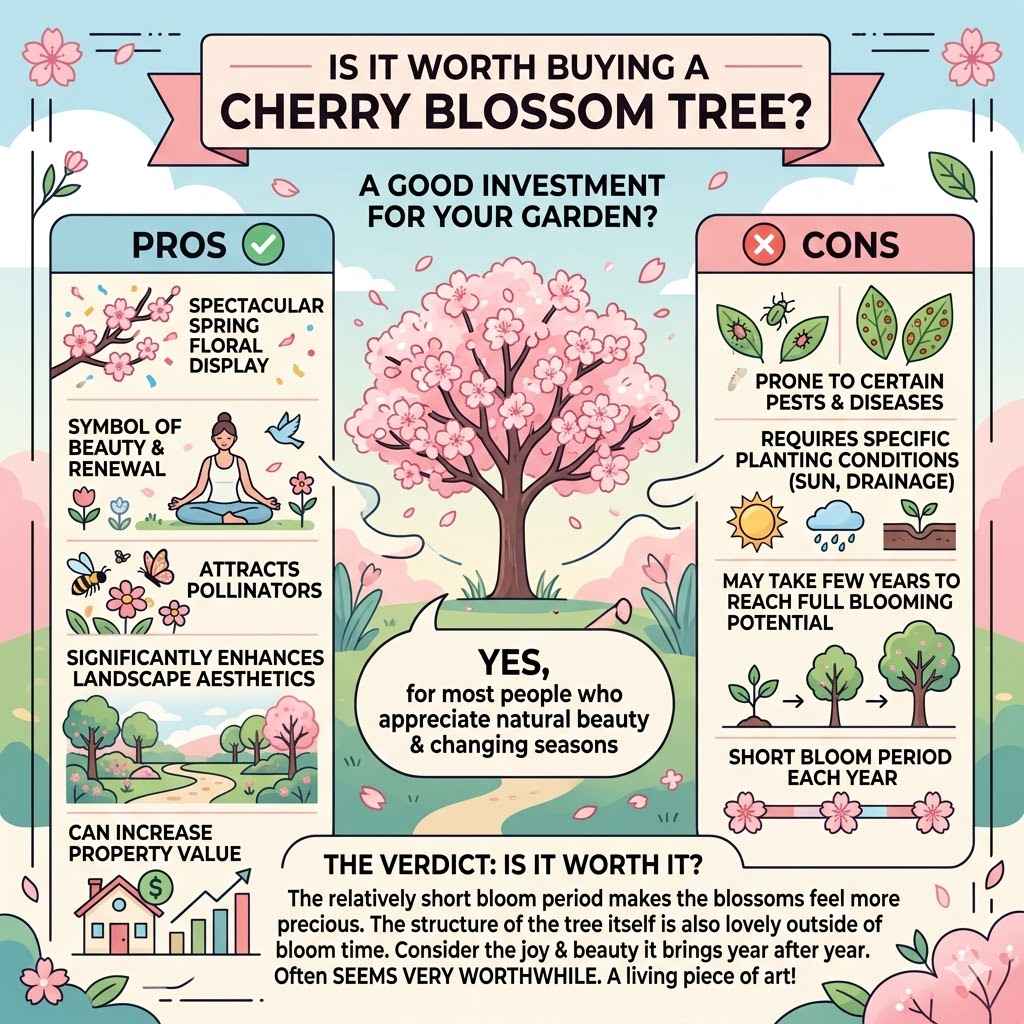
So, after all this, is buying a cherry blossom tree a good investment for your garden? For most people who appreciate natural beauty and the changing seasons, the answer is a definite yes.
The visual impact of a blooming cherry tree is unparalleled. It creates a stunning focal point and brings a sense of wonder to any landscape. It’s an investment in beauty and a connection to the natural world.
The Verdict: Is It Worth It?
Pros:
- Spectacular spring floral display.
- Symbol of beauty and renewal.
- Attracts pollinators.
- Enhances landscape aesthetics significantly.
- Can increase property value.
Cons:
- Can be prone to certain pests/diseases.
- Requires specific planting conditions (sun, drainage).
- May take a few years to reach full blooming potential.
- Short bloom period each year.
The relatively short bloom period might seem like a drawback, but it also makes the blossoms feel more precious. It’s a reminder to appreciate beauty while it lasts. The structure of the tree itself is also lovely outside of bloom time.
When you consider the joy and beauty a cherry blossom tree can bring year after year, the effort and cost involved often seem very worthwhile. It’s a living piece of art that grows and changes with the seasons.
Frequently Asked Questions About Buying Cherry Blossom Trees
How long does it take for a cherry blossom tree to bloom after planting?
It often takes 2-3 years for a newly planted cherry blossom tree to produce a significant amount of flowers. Young trees are still establishing their root systems and may only show a few blooms in their first year or two.
Can I grow a cherry blossom tree in a pot?
Yes, you can grow smaller varieties of cherry blossom trees in pots. This is a good option for limited space. You’ll need a large container and to ensure excellent drainage.
Be aware that potted trees may require more frequent watering and protection in winter.
Are cherry blossom trees messy?
Yes, when the blossoms fall, they create a beautiful but temporary carpet of petals. Fallen leaves in autumn and small, often inedible cherries can also be produced by some ornamental varieties. Consider this if you are planting near a pool or patio.
What is the difference between a flowering cherry and a fruit cherry tree in terms of care?
Both need sun and well-draining soil. However, fruit cherries are pruned to maximize fruit production, while ornamental cherries are pruned for shape and health after flowering. Fruit cherries may also require pollination from another suitable variety to produce fruit.
Are cherry blossom trees difficult to maintain?
Generally, ornamental cherry blossom trees are not overly difficult to maintain once established. The main needs are proper watering, occasional pruning after flowering, and monitoring for pests or diseases. They are not high-maintenance plants.
What is the best time of year to buy a cherry blossom tree?
The best time to buy a cherry blossom tree is typically in the spring or fall. These seasons offer milder temperatures, which are less stressful for the tree during transplanting. Buying in spring allows you to see the blooms before purchasing, while fall planting gives roots time to establish before winter.
Final Thoughts on Bringing Cherry Blossoms Home
Bringing a cherry blossom tree into your life is a wonderful decision. It’s a commitment to beauty that pays dividends every spring. From selecting the right variety to finding the perfect spot, the journey is rewarding.
Remember to choose a reputable seller and inspect the tree carefully. With a little care and attention, your cherry blossom tree will provide breathtaking blooms and a touch of magic for years to come.