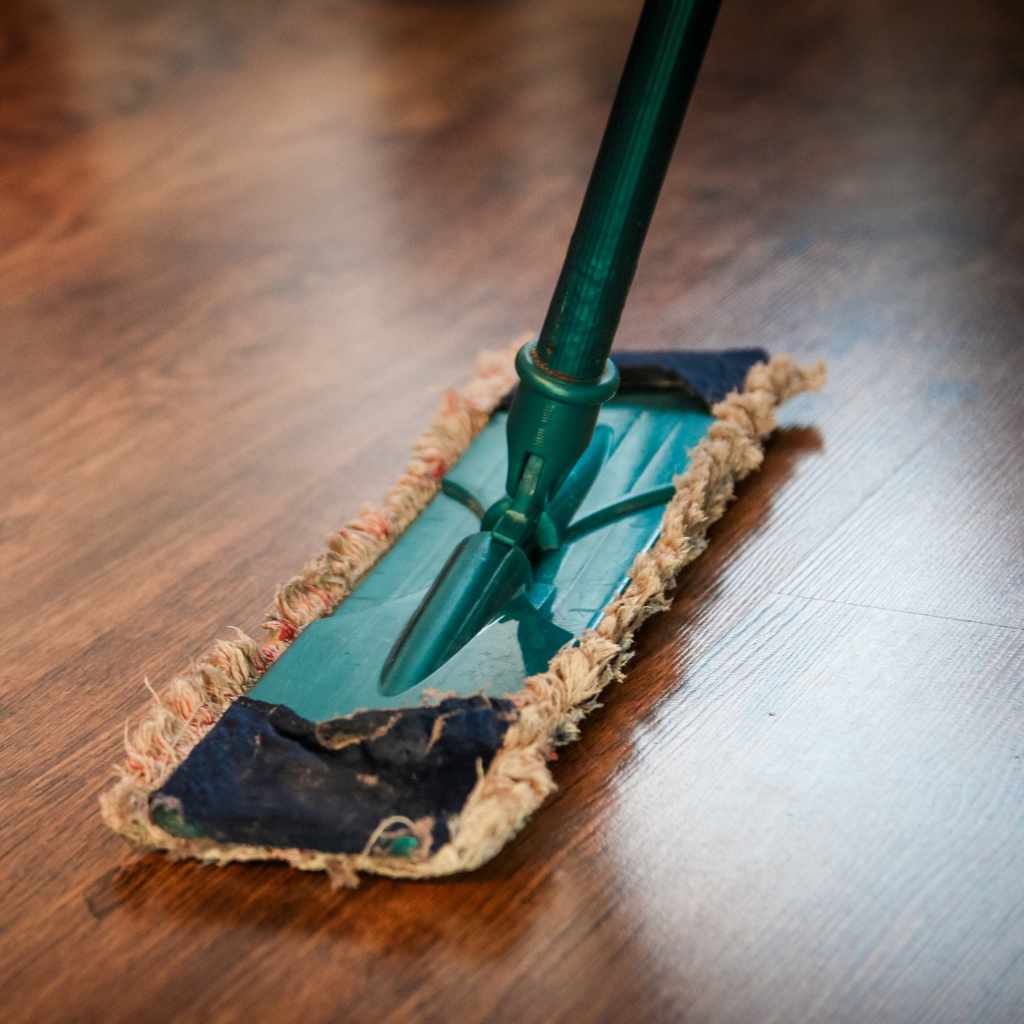
Can I Steam Mop Wood Floors Expert Advice
Many homeowners wonder, Can I Steam Mop Wood Floors? Expert Advice is often sought because wood floors are beautiful but can be sensitive to moisture. It’s a common question for beginners because steam mops use heat and water, which might seem risky for natural wood.
The good news is that with the right approach and understanding, you can safely clean your wood floors. We’ll walk you through a simple way to figure this out and what you need to know.
Are Steam Mops Safe For Wood Floors
The question Can I Steam Mop Wood Floors? Expert Advice is important because applying too much heat or moisture to wood can cause damage. This might include warping, swelling, or lifting of the finish.
Unlike tile or laminate, wood is a natural material that absorbs liquids. Steam, being water vapor, can penetrate the surface if not used correctly. This is why many hesitate to use steam mops on their prized wooden surfaces.
Understanding the types of wood finishes is key to knowing what’s safe.
Understanding Wood Finishes And Steam Mops
Different finishes on wood floors react differently to steam. Most modern wood floors have sealed finishes that offer some protection. These sealed finishes, like polyurethane or urethane, create a barrier against moisture.
However, even these can be damaged if exposed to excessive heat or prolonged dampness. Older floors or those with oiled or waxed finishes are much more vulnerable. These finishes are not as waterproof and can absorb steam, leading to issues like water spots or discoloration.
It’s vital to identify your floor’s finish before even considering a steam mop.
For instance, a polyurethane finish is a durable, plastic-like coating. It’s applied in multiple layers to protect the wood. While it repels most liquids, the high heat from a steam mop can potentially soften or degrade this layer over time.
This can lead to a dull appearance or even create tiny cracks where moisture can then seep through. On the other hand, an oiled finish penetrates the wood grain, offering a more natural look but less protection against water. Wax finishes are also susceptible to heat and can melt or become sticky.
Therefore, knowing your floor’s finish is the first step to determining if steam mopping is a viable option.
Here are some common wood floor finishes and how they interact with steam:
- Polyurethane/Urethane Finishes: These are the most common for modern hardwood floors. They offer good water resistance. However, excessive steam or heat can still cause damage over time. The finish can become dull or even crack.
- Hardwax Oil Finishes: These finishes penetrate the wood and create a matte, natural look. They are less resistant to water than polyurethane. Steam can be absorbed, potentially causing dark spots or swelling.
- Lacquer Finishes: Less common in residential settings today, lacquers can be brittle. High heat from steam mops might cause them to crack or peel.
- Waxed Finishes: These are the most sensitive. Wax can melt from steam, creating a sticky residue that is hard to remove and can attract dirt.
Identifying your floor’s finish can sometimes be tricky. If you live in a newer home, it’s likely polyurethane. For older homes, it might be wax or oil, especially if the floors have been refinished.
You can often test a small, inconspicuous area by applying a tiny bit of water. If the water beads up, it’s likely sealed. If it soaks in or leaves a dark mark quickly, it’s probably an unsealed or oil/wax finish.
Always check with the manufacturer or a flooring professional if you are unsure. Incorrect identification can lead to costly repairs.
The Science Behind Steam And Wood
Steam is essentially hot water in gaseous form. When a steam mop is used, it releases this hot vapor onto the floor surface. The heat can temporarily soften certain finishes, making them more receptive to moisture.
The moisture itself is what poses the biggest risk. Wood is porous and will absorb water. When wood absorbs too much water, its cells swell.
This swelling can cause the planks to warp, buckle, or separate. If the wood dries out unevenly after being exposed to too much moisture, it can shrink unevenly, leading to gaps between planks or cupping.
The temperature of the steam is also a factor. Most steam mops operate at temperatures well above 100 degrees Celsius (212 degrees Fahrenheit) at the nozzle. This high heat can be effective at cleaning and sanitizing, but it’s also the source of potential damage to wood finishes.
Think of it like cooking food; high heat can alter its structure. For wood, this alteration can be permanent and detrimental. The rapid expansion and contraction of the wood due to heat and moisture can stress the material and its finish.
Furthermore, the pressure at which the steam is released can matter. While steam mops don’t typically have high-pressure jets like industrial cleaners, the continuous application of steam can saturate the floor. This saturation is the primary cause of wood damage.
Even if the finish is intact, prolonged exposure to moisture can seep into the wood fibers. This is why the duration of steam exposure on any single spot is critical. A quick pass might be okay, but lingering on one area is a recipe for disaster.
The humidity introduced into the air from a steam mop can also affect the wood over time, especially in poorly ventilated rooms.
This is why general advice from flooring manufacturers often warns against using steam mops on wood. They prioritize protecting the integrity of the wood and its finish. However, not all steam mops are created equal, and not all wood floors are the same.
Some newer steam mops offer adjustable steam levels, which can be a lifesaver. Low settings might be manageable for some sealed floors. The key is moderation and caution, always prioritizing the health of your wood.
Can I Steam Mop Wood Floors Expert Advice On Safe Practices
So, Can I Steam Mop Wood Floors? Expert Advice suggests that while it’s generally not recommended for all wood floors, there are specific conditions and methods that can make it a safer option for some. The primary goal is to minimize moisture and heat exposure.
This means choosing the right type of steam mop, using the lowest possible steam setting, and working quickly. It’s about being smart and knowing your limits. The wrong approach can quickly turn a beautiful floor into a costly repair project.
Therefore, preparation and careful execution are paramount.
If your wood floors have a very durable, factory-applied polyurethane finish, you might be able to steam mop them with extreme caution. However, it’s crucial to remember that even the most durable finishes have their limits. A small, hidden test area is always the best first step.
This allows you to see how the floor reacts without risking widespread damage. If any adverse reaction occurs, even in a small spot, it’s best to abandon the idea of steam mopping altogether and opt for a more traditional cleaning method. Your floor’s long-term health is more important than a quick cleaning method.
The amount of steam is a critical factor. Many steam mops have variable steam controls. For wood floors, you would want to use the absolute lowest setting available, if any.
Some steam mops are specifically designed for wood floors, often featuring a pad that helps to spread the steam more thinly and absorb excess moisture. Even with these specialized mops, caution is advised. Always read the steam mop manufacturer’s instructions and your wood floor manufacturer’s recommendations.
They often provide specific guidance on cleaning methods.
Here’s a step-by-step approach if you decide to try steam mopping your sealed wood floors, understanding the risks:
- Identify your floor’s finish: As discussed, this is the most important step. If it’s not a sealed polyurethane finish, do not proceed.
- Consult your flooring manufacturer: Check their cleaning recommendations. Many explicitly advise against steam mops. If they do, do not use one.
- Choose the right steam mop: Look for one with adjustable steam settings and consider those marketed for delicate surfaces.
- Test in an inconspicuous area: Apply steam for a very short duration (e.g., 10 seconds) in a closet or under a rug. Observe for any changes in color, texture, or finish. Wait for the area to dry completely.
- Use the lowest steam setting: If the test is successful, set your steam mop to its lowest possible output.
- Work in small sections: Move the mop continuously. Do not let it sit in one spot. Cover a small area and then move on.
- Ensure good ventilation: Open windows or use fans to help the floor dry quickly.
- Dry immediately: After steaming a section, follow up with a dry microfiber cloth to absorb any residual moisture.
- Never use on damaged floors: Any scratches, gaps, or worn-out finishes increase the risk of damage.
Even with the most careful approach, there’s a degree of risk. Many flooring professionals strongly advise against steam mopping wood floors altogether. They recommend using specialized wood floor cleaners and a damp (not wet) mop.
This approach cleans effectively without introducing excessive moisture or heat that could compromise the wood’s integrity. The investment in your wood floors is significant, and it’s often better to err on the side of caution when it comes to cleaning methods.
Alternatives to Steam Mops for Wood Floors
Given the risks associated with steam mopping wood floors, many homeowners opt for safer alternatives. These methods are specifically designed to clean wood effectively without causing damage. They rely on gentle cleaning solutions and controlled moisture.
These alternatives are often what flooring manufacturers recommend, ensuring your warranty remains valid and your floors look great for years to come.
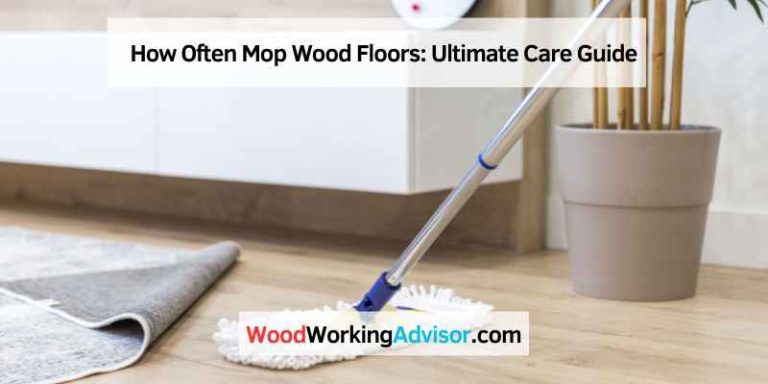
One of the most effective and safest methods is using a damp microfiber mop. Microfiber pads are excellent at trapping dirt and dust. The key is to use a mop that is only slightly damp, not wet.
You’ll want to wring out the mop pad thoroughly so that it doesn’t leave standing water on the floor. A specialized wood floor cleaner can be applied sparingly to the mop pad or sprayed lightly onto the floor in front of the mop.
Here are some reliable alternatives to steam mopping for wood floors:
- Damp Microfiber Mopping: This is the gold standard for most sealed wood floors. Use a high-quality microfiber mop and ensure the pad is only slightly damp. Wring it out very well before use.
- Specialized Wood Floor Cleaners: Many brands offer pH-neutral cleaners formulated for hardwood floors. These cleaners are designed to lift dirt without damaging the finish. Always use them sparingly and follow product instructions.
- DIY Cleaning Solutions (with caution): For sealed floors, a very diluted solution of white vinegar and water (e.g., 1/4 cup vinegar to 1 gallon of water) can be used. However, use this very sparingly and ensure the mop is well wrung out. Avoid vinegar on unsealed or oiled floors.
- Sweep or Vacuum Regularly: Daily cleaning with a soft-bristle broom or a vacuum cleaner with a hardwood floor attachment is crucial. This removes grit and debris that can scratch the floor over time.
When using any cleaning solution, it’s important to test it in an inconspicuous area first. This is especially true for DIY solutions. Apply a small amount to a hidden spot and let it dry.
Check for any discoloration, dulling, or adverse effects on the finish. If the test area looks good, you can proceed with cleaning the rest of your floors. Always apply cleaners to the mop pad rather than directly onto the floor, unless the product specifically instructs otherwise.
This gives you more control over the amount of liquid used.
Consider the type of dirt you are dealing with. For everyday dust and light grime, a dry microfiber mop is often sufficient. For stuck-on dirt or spills, a slightly damp mop with a wood floor cleaner is best.
Never let water or cleaning solution sit on the floor for extended periods. Wipe up spills immediately. The goal is to clean the surface without saturating the wood.
This careful approach will keep your wood floors looking beautiful and extend their lifespan significantly.
When Steam Mops Are Definitely Not An Option
There are certain situations and floor types where using a steam mop on wood floors is an absolute no-go. Ignoring these warnings can lead to irreversible damage. Understanding these limitations is just as important as knowing when it might be marginally safe.
These are the situations where even the most cautious approach with a steam mop will likely result in harm to your beautiful hardwood.
Firstly, any wood floor that is not sealed with a modern, durable finish should never be exposed to steam. This includes floors with oil finishes, wax finishes, or those that are unfinished. These types of finishes do not provide a barrier against moisture.
Steam will penetrate directly into the wood, causing swelling, staining, and potential warping. The damage can be extensive and often requires professional refinishing or even plank replacement.
Secondly, even sealed floors that are old, worn, or have any signs of damage are not suitable for steam mopping. This includes floors with:
- Cracked or Chipped Finish: If the protective layer is compromised, steam can easily reach the wood underneath.
- Gaps Between Planks: Steam and moisture can get into these gaps, leading to swelling and potential separation of planks.
- Water Stains or Discoloration: These are often indicators that the floor has already been exposed to too much moisture. Adding more steam will exacerbate the problem.
- Cupping or Warping: If your floor planks are already starting to curl upwards (cupping) or warp, steam mopping will likely worsen the condition.
Thirdly, if your flooring manufacturer explicitly states in its warranty or care instructions that steam mops should not be used on their products, then you must abide by that. Violating these guidelines can void your warranty, leaving you responsible for any repair costs. Many manufacturers are very clear about this because steam can compromise the integrity of their specific finishes.
Finally, consider the environment of your home. In humid climates or in rooms with poor ventilation, the increased moisture from a steam mop can linger. This prolonged exposure to humidity can be detrimental to wood, even if the mopping itself was brief.
Always ensure good airflow if you are attempting any form of damp cleaning on wood floors.
Sample Scenario 1: Sarah has beautiful, relatively new oak floors with a polyurethane finish. She’s heard steam mops are great for quick cleaning. She decides to try her steam mop on the lowest setting for just a few seconds per square foot, ensuring she immediately dries any visible moisture.
Her floors look clean, and after a week, she notices no adverse effects. She continues this cautious approach, always remembering to test new areas if needed.
Sample Scenario 2: Mark has antique pine floors that have been waxed. He decides to use his steam mop because they look a bit dull. He uses it for a few minutes, not realizing how much moisture the wood is absorbing.
The floor develops dark spots and some planks start to feel soft. He stops immediately but the damage is done, and he needs to hire a professional to assess the extent of the problem and potentially refinish the floor.
Statistics show that flooring manufacturers commonly cite moisture damage as a leading cause of warranty claims for hardwood floors. A survey by a leading flooring industry association indicated that over 40% of hardwood floor issues reported were related to improper cleaning and excessive moisture exposure. This highlights the importance of choosing appropriate cleaning methods for wood surfaces.
While steam mops offer convenience, their potential to cause moisture-related damage makes them a risky choice for many wood floors.
How Can I Steam Mop Wood Floors Expert Advice On Selection
Choosing the right steam mop if you’re determined to try is critical for minimizing risks. Not all steam mops are created equal, and some are far better suited for potentially sensitive surfaces like wood than others. The key features to look for are adjustability, steam output control, and the type of pad used.
A steam mop that offers granular control over the amount of steam and heat is essential. A one-size-fits-all approach is dangerous for wood.
The ideal steam mop for wood floors, if you choose to use one, will have multiple steam settings. You want to be able to select the lowest possible steam output. Some models even have a “low” or “delicate” setting that is specifically designed for surfaces that require less moisture.
The steam should be released in a controlled manner, not in a powerful jet. A gentle, diffused vapor is less likely to cause immediate harm than a concentrated blast of hot steam.
Here are key features to consider when selecting a steam mop for potential use on wood floors:
- Adjustable Steam Control: This is non-negotiable. Look for mops with multiple settings, including a very low output.
- Lightweight Design: A lighter mop makes it easier to keep moving quickly, reducing the time spent on any one area.
- Quick Heat-Up Time: This allows you to get started quickly, minimizing the temptation to leave the mop sitting idle.
- Detachable Water Tank: This makes refilling easier and ensures you can monitor the water level.
- Good Quality Microfiber Pads: Look for mops that come with absorbent, durable microfiber pads that can be easily washed and reused. Some pads are designed to distribute steam more evenly.
- Swivel Head: This makes it easier to maneuver around furniture and into corners, allowing for quicker cleaning of the entire surface.
Some steam mops come with specialized pads or attachments for different floor types. While marketing might suggest a “wood floor” setting, always approach this with extreme caution. The best approach is to rely on the adjustable steam control rather than a pre-set mode.
Even with these features, the fundamental risk of moisture and heat remains. It’s about mitigating those risks as much as possible.
Consider the tank capacity as well. A smaller tank might mean more frequent refills, but it could also encourage you to work in smaller, more manageable sections. A larger tank might be convenient for bigger homes, but it could also lead to extended cleaning sessions, increasing the risk of prolonged steam exposure.
The type of water used is also important; distilled water is often recommended to prevent mineral buildup in the machine, which can affect its performance and lifespan.
When comparing steam mops, read reviews from other users who have wood floors. Look for specific feedback on how well the adjustable settings work and if users have experienced any issues. Remember that even if a mop claims to be safe for wood floors, it’s still your responsibility to use it correctly and cautiously.
The manufacturer’s recommendation is not a guarantee against damage, especially if your specific floor type or finish is sensitive.
Maintaining Your Steam Mop For Wood Floor Safety
Proper maintenance of your steam mop is crucial for both its effectiveness and safety, especially if you’re using it on wood floors. A well-maintained mop will function as intended, delivering steam more consistently and at the correct temperature. Neglecting maintenance can lead to inconsistent steam output, mineral buildup, and potentially hotter or more damaging steam release.
One of the most important maintenance tasks is using distilled or demineralized water. Tap water contains minerals that can build up inside the steam mop over time. This buildup, known as limescale, can clog the heating element and steam channels.
This can reduce the mop’s efficiency and, more importantly, alter the steam temperature and pressure. Some steam mops have indicator lights to show when descaling is necessary. Following the manufacturer’s instructions for descaling is vital.
This usually involves using a descaling solution or a vinegar-water mixture and running it through the mop.
Regularly cleaning or replacing the microfiber pads is also essential. Dirty pads can leave residue on the floor or become less effective at absorbing moisture. Wash pads after each use, following the manufacturer’s guidelines.
Avoid using fabric softeners, as these can clog the microfiber’s pores and reduce their absorbency. Inspect pads for wear and tear; if they are thinning or losing their effectiveness, replace them.
After each use, it’s important to allow the steam mop to cool down completely. Once cool, empty any remaining water from the tank. This prevents stagnant water, which can lead to mold or mildew growth.
Store the mop in a dry place, ensuring all parts are properly assembled and the cord is neatly wrapped. Some manufacturers recommend storing the mop upright. Checking for any visible damage or wear on the cord or plug is also a good safety practice.
A few key maintenance tips include:
- Use Distilled Water: Always use distilled or demineralized water to prevent mineral buildup.
- Descale Regularly: Follow the manufacturer’s descaling recommendations to keep the heating element clean.
- Clean or Replace Pads: Wash microfiber pads after each use and replace them when they show signs of wear.
- Empty and Dry the Tank: After each use, empty and dry the water tank to prevent mold and mildew.
- Inspect for Damage: Periodically check the power cord, plug, and the mop itself for any signs of damage.
By following these maintenance steps, you ensure that your steam mop operates efficiently and safely. This is paramount when considering its use on delicate surfaces like wood floors. A clean, well-functioning mop provides more predictable results, which is vital for minimizing the risk of damage.
If your steam mop is older or showing signs of wear and tear, it might be time to consider replacing it, especially if you’re concerned about its performance on your wood floors.
Frequently Asked Questions
Question: Can I use a steam mop on engineered wood floors?
Answer: Engineered wood floors have a thin top layer of real wood over plywood. While they are more stable than solid hardwood, they can still be damaged by excessive moisture and heat from steam mops. It’s generally not recommended unless the manufacturer specifically states it is safe for your particular product and you use the lowest steam setting with extreme caution.
Question: What is the biggest risk of steam mopping wood floors?
Answer: The biggest risk is moisture damage. Steam can penetrate the wood’s finish and the wood itself, causing it to swell, warp, buckle, or discolour. This damage can be permanent and very costly to repair.
Question: My steam mop has a “wood floor” setting, is it safe?
Answer: While a “wood floor” setting is designed to be gentler, it’s still steam. Many flooring manufacturers advise against all steam mops, regardless of settings. Always check your flooring warranty and manufacturer’s guidelines first.
Use extreme caution and test in an inconspicuous area.
Question: How can I tell if my wood floor is sealed?
Answer: A simple test is to drop a small amount of water in an inconspicuous area. If the water beads up and stays on the surface, it’s likely sealed. If it soaks in quickly or leaves a dark spot, the floor is probably not sealed or has an oil/wax finish, which is not suitable for steam mopping.
Question: What’s the safest way to clean my sealed wood floors?
Answer: The safest way is to use a slightly damp microfiber mop with a pH-neutral wood floor cleaner. Daily sweeping or vacuuming with a soft brush attachment is also highly recommended to prevent scratches from grit and debris.
Final Thoughts
The question Can I Steam Mop Wood Floors? Expert Advice often leads to a nuanced answer rather than a simple yes or no. While some modern, well-sealed wood floors might tolerate very careful, low-heat steam mopping with specific equipment, the inherent risks of moisture and heat damage are significant.
Flooring manufacturers and professionals frequently caution against steam mops due to the potential for warping, swelling, and finish degradation. For most homeowners, especially those with older floors, unsealed finishes, or if warranty concerns exist, it’s far safer to stick to proven, gentler cleaning methods. Regularly sweeping or vacuuming and using a slightly damp microfiber mop with a cleaner specifically designed for wood floors are excellent, low-risk alternatives.
Always prioritize the longevity and beauty of your wood floors by choosing cleaning methods that avoid excessive moisture and heat. If in doubt, consult your flooring manufacturer’s care guide or a professional flooring specialist for the best advice for your specific situation.