Can Isopropyl Alcohol Remove Super Glue: Proven Success
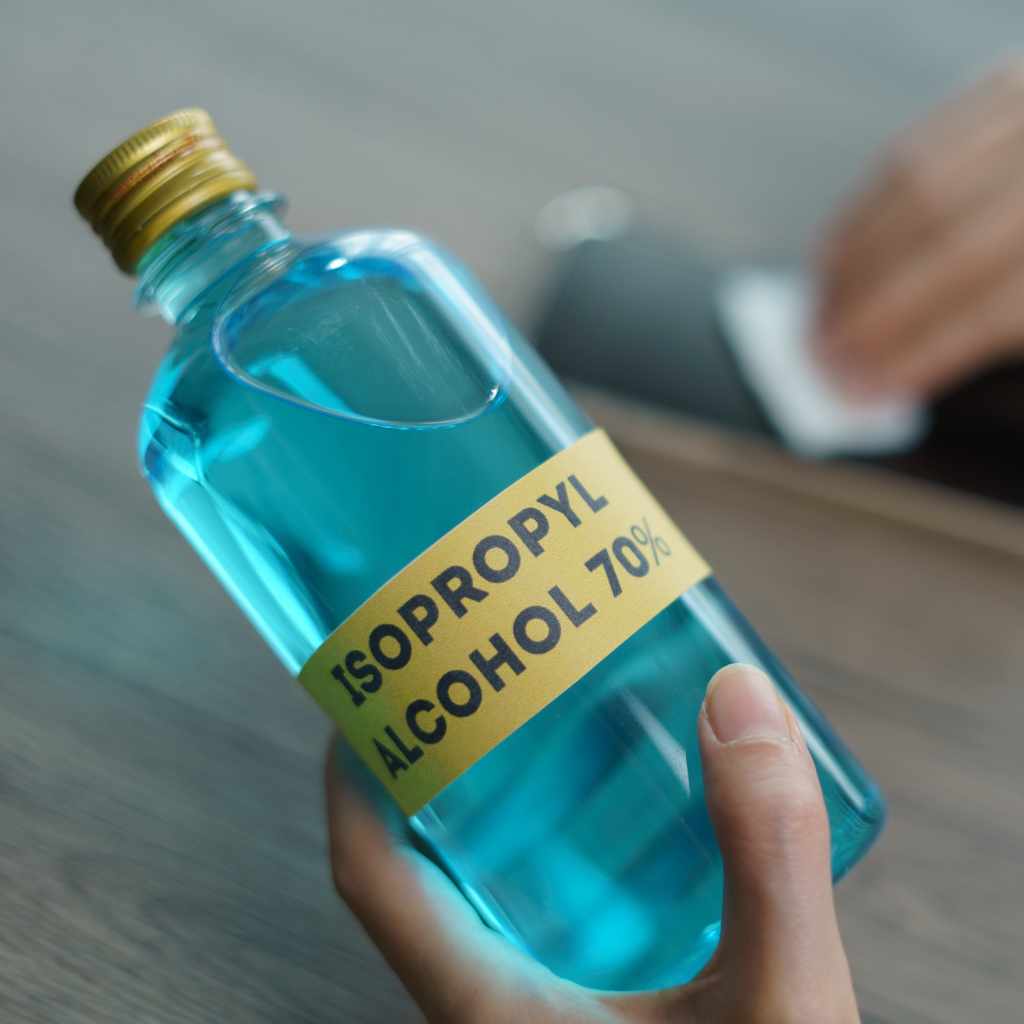
Yes, isopropyl alcohol (rubbing alcohol) is one of the very best solvents for removing super glue (cyanoacrylate) from many surfaces, including wood, plastics, and skin. It works by softening the hardened adhesive, allowing you to gently scrape or wipe it away. Always test a small, hidden area first, as it can sometimes affect certain finishes or delicate materials.
If you enjoy working on DIY projects or crafting, chances are you’ve run into a tough situation: a super glue spill. That fast-acting adhesive, often called Cyanoacrylate, is fantastic when it holds things together, but a nightmare when it sticks to surfaces you didn’t intend. It’s frustrating, right? Before you panic and reach for harsh chemicals, I have great news. There’s a simple, common helper sitting in most medicine cabinets—isopropyl alcohol. As your trusted woodworking mentor, I’m here to guide you through exactly how to use this gentle solution safely and effectively to clean up those sticky oops moments. Let’s get that mess handled!
The Science Behind the Spill: Why Super Glue is So Sticky
Before we learn how to remove super glue, it helps to know why it works so well. Super glue gets its strength from a chemical called Cyanoacrylate. This chemical hardens almost instantly when it touches tiny amounts of water vapor found naturally in the air, on your skin, or on the materials you are gluing. This process is called polymerization, creating extremely strong, rigid bonds.
Because the glue dries so fast and so hard, attempting to scrape it off can easily damage your project, especially delicate materials like finished wood or certain plastics. That’s why we need a solvent—a liquid that can break down those strong chemical bonds without causing damage.
Can Isopropyl Alcohol Remove Super Glue?
Absolutely! Isopropyl alcohol, commonly known as rubbing alcohol, is highly effective at dissolving cyanoacrylate-based super glue. It is a powerful, yet relatively gentle, organic solvent.
While acetone (nail polish remover) is often the first solution people think of, it’s extremely harsh and will damage almost all finished wood surfaces, many types of plastic, and certain fabrics. Isopropyl alcohol works more slowly than acetone, giving you more control and a much lower risk of harming the surrounding material. This makes it my preferred choice for DIYers and homeowners tackling spills on finished surfaces.
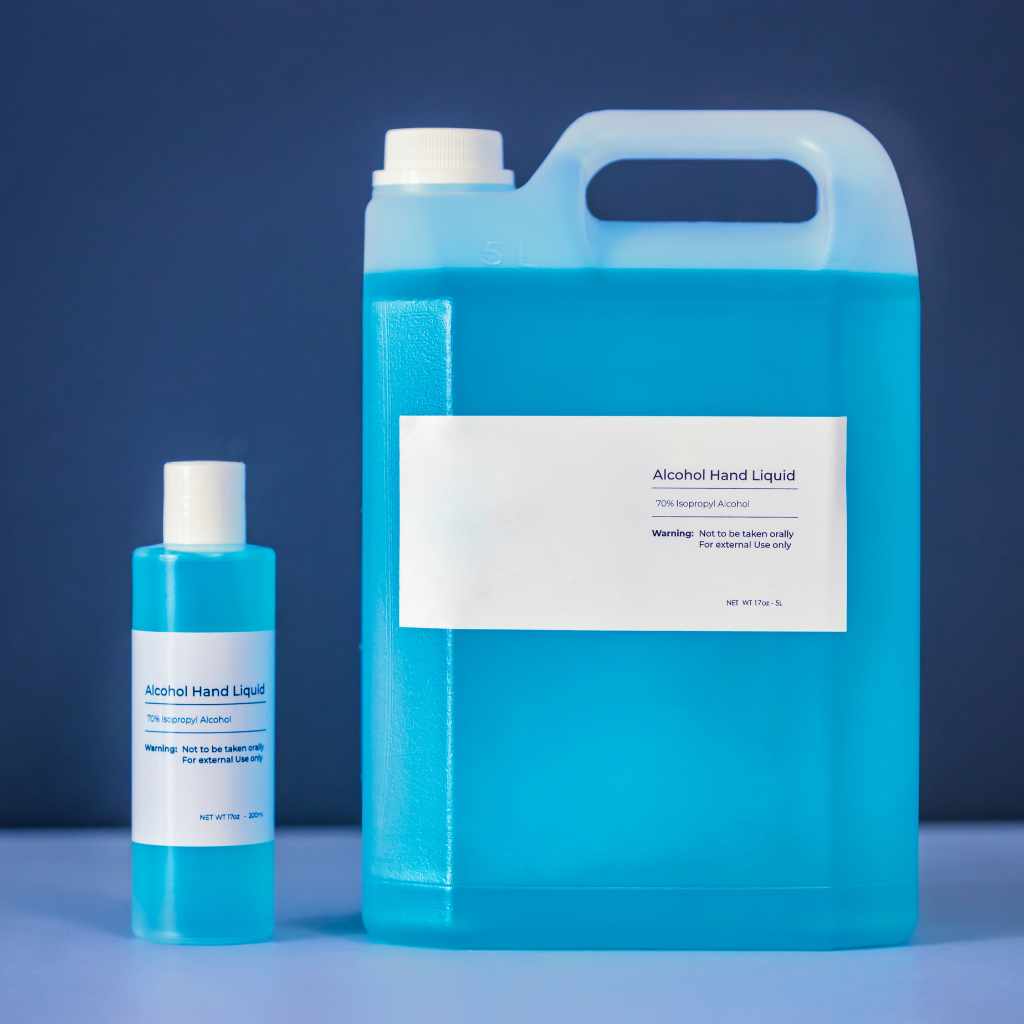
The success of the removal depends largely on the concentration of the alcohol. We recommend using 90% or 91% isopropyl alcohol for the best result. Lower concentrations, like 70%, contain too much water, which doesn’t dissolve the glue as efficiently.
Three Primary Uses for Isopropyl Alcohol in Glue Removal
Isopropyl alcohol shines in three key areas where super glue spills are common:
- Removing Glue from Skin: This is perhaps its most common and safest use. Alcohol is less irritating to the skin than acetone.
- Cleaning Surfaces and Finishes (Wood, Metal, Glass): It helps dissolve dried glue on hard surfaces without damaging the finish, provided you test it first.
- Cleaning Tools: It’s excellent for cleaning dried glue residue from clamps, knives, or measuring tools.
Choosing the Right Alcohol Concentration
When selecting your cleaning agent, the concentration of isopropyl alcohol matters significantly for both safety and effectiveness.
| Alcohol Concentration | Effectiveness on Super Glue | Primary Use Recommendation |
|---|---|---|
| 70% Isopropyl Alcohol | Fair: Works, but requires longer soaking and more scrubbing due to higher water content. | General sanitizing, quick cleanups, and extremely delicate surfaces. |
| 90%–91% Isopropyl Alcohol | Excellent: Highly effective at dissolving the glue’s bonds quickly. | Most spills on hard surfaces (wood, glass, ceramic) and removing glue from skin. (This is the ideal choice.) |
| 99% Isopropyl Alcohol | Superior: The strongest solvent option. | Cleaning electronics or tools, but be cautious as it evaporates very fast and may be too potent for some plastics. |
As a guide for home projects, I always suggest keeping a bottle of 91% isopropyl alcohol in your workshop. It’s the perfect balance of strength and safety.
Step-by-Step Guide: How to Remove Super Glue with Isopropyl Alcohol
This method is effective for removing spilled glue from finished wood, countertops, glass, and durable plastics. Remember, patience is key—rushing the process can scratch the surface underneath the glue.
Safety First: Preparation and Testing
Before you start, remember our primary goal is achievable results and safety. Always work in a well-ventilated area.
- Gather Your Supplies: You will need 91% Isopropyl Alcohol, clean cotton swabs, soft cloths or micro-fiber towels, a dull scraper (like a plastic credit card or putty knife), and gentle dish soap.
- Consult the Surface Manufacturer: If you are cleaning a finished surface (like a polyurethane or lacquer finish on wood), it’s always wise to check if the finish is alcohol-sensitive. Most modern, durable finishes can withstand short exposure, but it’s important to be sure.
- Perform a Spot Test: This step is non-negotiable! Apply a tiny amount of the alcohol to an unseen spot (like the underside of a table or inside a cabinet). Blot it lightly. If the area remains unchanged after 5 minutes (no discoloration, lifting, or dulling), you can proceed.
The Removal Process for Hard Surfaces (Wood, Glass, Metal)
Follow these steps carefully for successful and damage-free removal:
Step 1: Soften the Glue Gently
- Soak a cotton swab or the corner of a soft cloth with 91% isopropyl alcohol.
- Gently hold the saturated swab or cloth directly onto the dried super glue spill.
- Allow the alcohol to soak into the edges of the glue for approximately 3–5 minutes. For a very thick blob, you might need to re-soak the cloth several times to keep the alcohol working.
- Why this works: The alcohol starts to penetrate the outermost layers of the cyanoacrylate, weakening its adhesion to the underlying surface.
Step 2: Scrape and Lift the Residue
- After soaking, the glue should feel slightly rubbery or soft, not rock hard.
- Use your dull scraper—I often use an old plastic gift card or a wooden popsicle stick—to gently push against the softened edge of the glue blob.
- Try to lift the glue piece by piece, working slowly from the outside edges toward the center.
- Avoid using sharp metal tools, as they are guaranteed to scratch your surface.
Step 3: Repeat and Wipe Clean
- If stubborn residue remains, repeat the soaking and scraping process (Steps 1 & 2) until all the visible glue has lifted.
- Once the surface is clear of the main glue mass, wipe the area thoroughly with a clean cloth saturated with pure alcohol to remove any lingering stickiness or film.
Step 4: Clean and Condition the Surface
- Immediately after the glue is gone, clean the area with mild soap and water to remove all traces of the solvent.
- Rinse with clean water and dry thoroughly.
- If you removed the glue from finished wood, consider polishing that spot with wood polish or a fine coat of wax to restore any oil or shine that might have been temporarily affected by the alcohol.
Special Application: Removing Super Glue from Skin
This happens to all of us—the dreaded finger-to-finger stick! The good news is isopropyl alcohol is excellent for this. The trick here is patience and using the body’s natural moisture to help.
What to Do When Fingers are Stuck
- Don’t Pull: Resist the urge to pull your skin apart, as this can tear the top layer of skin.
- Soak the Area: Pour a small amount of 91% isopropyl alcohol into a saucer or cup.
- Submerge: Thoroughly soak the stuck area (fingers, thumb, etc.) in the alcohol for 30 seconds to 1 minute.
- Wiggle and Roll: While still immersed, gently wiggle the glued area. Instead of pulling, try to “roll” a pencil or a cotton swab between the glued surfaces. The alcohol works with the natural oils and moisture from your skin to dissolve the bond.
- Moisturize: Once the glue separates, wash your hands thoroughly with soap and water to remove the glue and alcohol residue. Apply lotion, as the alcohol can be very drying to your skin.
For more detailed information on safe chemical usage, you can refer to resources like the CDC’s Guidelines on Chemical Safety.
Isopropyl Alcohol vs. Acetone: A Critical Comparison
In the DIY world, acetone (found in strong nail polish remover) is often recommended for super glue removal. While acetone works faster, it carries significant risks that make isopropyl alcohol the better choice for beginners, especially on home finishes.
| Feature | Isopropyl Alcohol (Rubbing Alcohol) | Acetone (Nail Polish Remover) |
|---|---|---|
| Solvent Strength | Medium strength, slower evaporation. | High strength, extremely fast evaporation. |
| Effect on Wood Finishes | Gentle, usually safe with brief contact; may dull some varnishes. | Highly destructive. Will instantly melt or cloud many lacquers, varnishes, and shellac finishes. |
| Effect on Plastics | Generally safe on hard plastics (e.g., acrylic, polycarbonate). Always test. | Will instantly melt, craze, or deform most common plastics (e.g., ABS, PVC). |
| Safety on Skin | Mild, drying but non-toxic, preferred for skin contact. | Harsh, highly drying, and can cause mild chemical burns or irritation if left on too long. |
| Recommended Use | Finished surfaces, wood, household materials, skin. | Unfinished wood, metal, glass (only where surface damage is not a concern). |
I advise my students: save the acetone for cleaning metal tools or dealing with spills on raw, unfinished concrete. For anything in your home—especially valuable furniture or plastic items—stick with the gentler power of 91% isopropyl alcohol.
Troubleshooting Thick Super Glue Spills
Sometimes you don’t just have a drop, you have a substantial, thick blob. Here’s how to handle those heavy messes:
If the glue is very thick, the alcohol cannot penetrate the center quickly. You have two options before applying the solvent:
1. Mechanical Reduction (The Shaving Method)
Try to carefully reduce the height of the glue blob before soaking. This increases the surface area for the alcohol to work on.
- Use a sharp razor blade held at an extreme, very low angle (almost flat) to the surface.
- Gently “shave” the top curved layers of the glue off. Work incredibly carefully to avoid nicking the underlying finish.
- Once the blob is thinner and flatter, proceed with the standard alcohol soaking method (Steps 1–3 above).
2. Heat Assistance (Use Extreme Caution)
Cyanoacrylate glue can be softened slightly with low heat, which can make the alcohol’s job easier. Use this method with great caution; excessive heat will damage most finishes!
- Protect the surrounding area with masking tape.
- Use a hairdryer set to the low or medium heat setting, holding it about six inches away from the glue.
- Apply steady heat for about 30 seconds. The goal is to warm the glue, not melt it.
- Immediately proceed to soak the softened glue with isopropyl alcohol. The combined effect often speeds up the dissolution process.
Md Meraj’s Workshop Tip: When dealing with a precious wooden surface, take your time. It is always better to spend 20 minutes repeating the gentle soaking and scraping process five times than to risk permanent damage with one minute of aggressive scraping or harsh chemicals.
Preventing Future Super Glue Accidents
The best clean-up is prevention! As a woodworking mentor, I always encourage safety and care:
- Workspace Protection: Always cover your work surface with butcher paper, old newspaper, or silicone mats whenever you work with super glue.
- Wear Gloves: Disposable nitrile gloves protect your skin completely.
- Use Controlled Amounts: Dispense only small amounts of glue at a time. Super glue works best in thin layers, anyway.
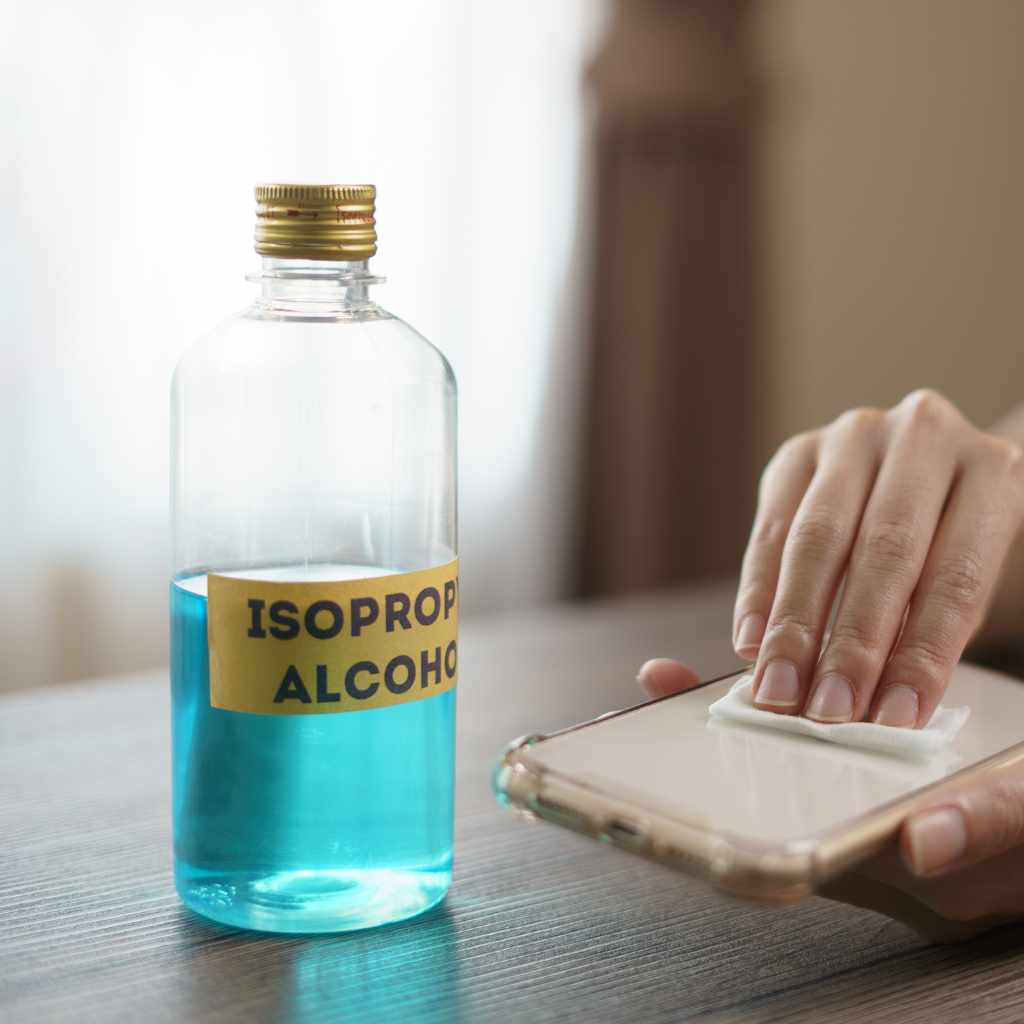
- Keep Alcohol Near: Have your bottle of 91% isopropyl alcohol and cotton swabs ready before you even open the glue. This allows for instant treatment of fresh spills before they fully cure and harden (though treatment works fine after curing, too).
Frequently Asked Questions (FAQ)
Here are some quick, clear answers to common questions about using rubbing alcohol for super glue spills:Q1: Does the brand of super glue matter when using alcohol? A: No, not usually. Almost all super glues use the same basic chemical compound, cyanoacrylate. If it’s a cyanoacrylate adhesive, isopropyl alcohol will work to break down the bonds regardless of the brand (Loctite, Gorilla Glue, Krazy Glue, etc.). Q2: Will isopropyl alcohol damage wood? A: It generally won’t damage the wood itself, but it can dull or soften certain wood finishes like shellac, varnish, or lower-quality clear coats. That’s why the spot test (applying it to a hidden area first) is critical. Use it sparingly and wipe it off quickly. Q3: Is rubbing alcohol better than just using hot water and soap? A: Yes. Hot water and soap might work on very fresh, uncured glue, but once the cyanoacrylate has polymerized (hardened), only a solvent like isopropyl alcohol or acetone can truly break the chemical bond. Water alone won’t do the job effectively. Q4: Can I use 70% alcohol if I don’t have 91%? A: Yes, you can, but it will take significantly longer and more effort. Since 70% alcohol contains 30% water, it is less effective as a solvent. If 70% is all you have, you will need to soak the glue for much longer—10 minutes or more—and apply more pressure during the scraping phase. Q5: How do I remove super glue from fabric using alcohol? A: Removing glue from fabric is tricky. Apply isopropyl alcohol directly to the back of the spill (to push the glue off the fibers, not into them). Dab gently—don’t rub aggressively, as that can spread the glue. It may lift some color from some dyed fabrics, so test first. Q6: What about removing super glue from electronics or circuit boards? A: Isopropyl alcohol (99% concentration is best here) is the standard cleaner for electronics because it evaporates quickly and leaves no residue. Just ensure the device is completely powered down and dried completely before turning it back on. The alcohol safely dissolves the glue without damaging the circuitry. Q7: How quickly does isopropyl alcohol dissolve the glue? A: It doesn’t instantly dissolve it like sugar in water. It softens and loosens the molecular grip of the glue. You should begin to see a change (softening or swelling) within 3 to 5 minutes of targeted soaking. Complete removal might take 10 to 15 minutes for a tough, cured spot.
Conclusion: Success is Achievable with Patience
Dealing with super glue spills can feel intimidating, but as you’ve learned, you already have the right tool in your home pharmacy: isopropyl alcohol. By using a strong concentration (91% is ideal) and applying a little patience, you can successfully dissolve the tough cyanoacrylate bond without reaching for harsh, surface-damaging chemicals like acetone.