Is Moldy Firewood Bad? Can You Burn It?
Surface mold on firewood is usually not a burn ban, but damp, soft, or rotten wood should be avoided; burn only wood that is dry, solid, and free of visible decay. Wet or moldy wood can smoke more, waste heat, and raise indoor-air and creosote risks. This guide separates cosmetic mold from rot, dampness, and unsafe firewood before you load the stove or fireplace.
Surface mold versus rot and appliance fit

Sometimes, but only if the wood is still solid and dry enough to burn cleanly. Light surface mold on otherwise sound firewood is a storage warning, not a guaranteed no-go. Once the wood is soft, punky, badly stained, or still damp inside, it is a poor choice for a stove or fireplace.
Surface mold versus deeper damage
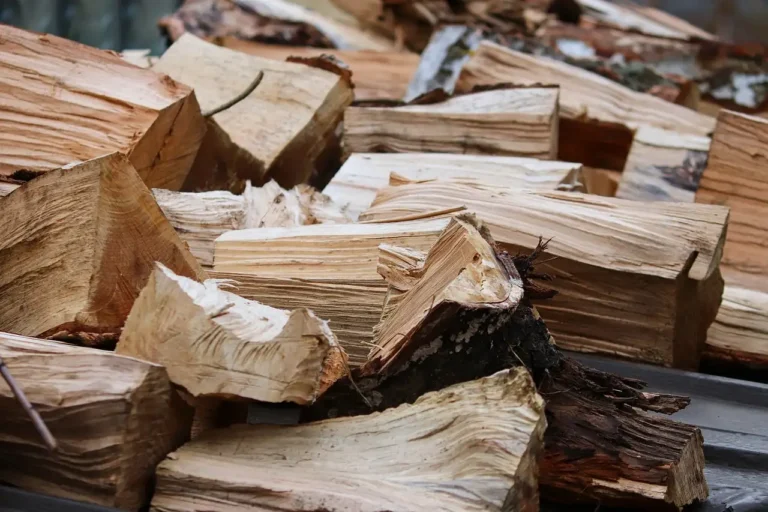
White mold, mildew, and gray storage stains often appear on wood that sat in damp air or had poor ventilation. That growth can be mostly superficial, but it can also signal longer-term moisture exposure. If the piece still feels hard, sounds solid when knocked together, and does not crumble at the edges, it may still be usable after re-drying.
Rot is different. Punky wood feels soft, may flake apart, and often has a lighter, degraded look inside once you split it. That kind of decay can make the piece unusable, even if the outer face only looked like mold at first.
Why the answer changes by appliance
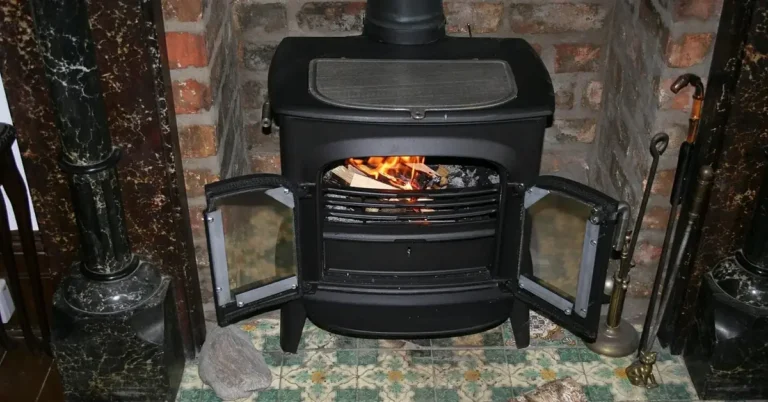
A modern certified stove is designed to work best with hot, clean combustion. It does not tolerate smoldering fuel well, because smoldering makes more smoke and more creosote. An open fireplace is generally more forgiving of marginal fuel, but it still wastes heat and sends more smoke up the flue.
For indoor use, the standard is stricter than “it lights eventually.” If the wood cannot get the fire hot quickly, it is not a good fit for a stove or fireplace. Outdoor burning is less demanding, but wet or moldy wood still burns poorly and can bother nearby people with smoke.
Will wet firewood still burn?

Yes, but badly. Wet firewood can catch, then smolder, smoke, and burn unevenly instead of giving a hot, clean fire. It also takes longer to get kindling going and usually gives off less usable heat for the amount of wood burned.
What moisture does to heat output
Firewood should be seasoned before use, and a common target is less than 20% moisture on a freshly split face. Readings can vary with species, temperature, and where you test. Wet wood stores too much water, so more of the fire’s energy goes into drying the fuel instead of heating the room.
That is why damp wood tends to smoke more and leave more residue. A fire that struggles to stay hot is also more likely to form creosote in the chimney. A hot fire that burns until only charcoal remains is the cleaner pattern to aim for.
Can rain-damp wood dry again?
Often, yes, if the wood was already seasoned and only got wet on the outside. Surface wetness is not the same as internal saturation. If a pile sat in rain but the splits still feel light, sound hard, and dry out after restacking with airflow, it may be recoverable.
Suppose a covered stack gets splashed during a storm. If the outside faces are damp but the freshly split interior still checks dry enough, that wood may dry back down. If the piece stays heavy, cool, and wet inside for days, it needs more time off the firebox list.
Does firewood go bad?
Yes. Firewood can lose quality over time, especially when it stays wet or is stored with poor airflow. Well-seasoned wood can remain usable for a long time if it stays dry, but wood that keeps absorbing moisture may slide from sound fuel into moldy, rotten, or pest-damaged stock.
What changes as wood ages
Seasoned firewood is dried before use, and the usual benchmark is at least 6 months of seasoning. Dry wood burns hotter and cleaner because it has less water to boil off at the start of the burn. With better storage, sound splits can remain good for later use.
Bad storage changes that timeline. A pile left on wet ground, sealed under plastic, or packed too tightly can trap moisture. Mold may appear first. Later, the wood can soften, lose bark, or turn punky as decay advances.
Signs the pile is moving from moldy to rotten
Look for bark that falls away too easily, dull hollow spots, and edges that crumble when you pick up a split. Insects, galleries, and fine dust can also mean the wood is no longer in good shape. Mold alone may be a storage issue; punky wood means the structure itself is failing.
A common first-timer mistake is assuming any dark patch means rot. Dark staining can be only cosmetic. Softness, crumbling, and a musty smell are stronger warning signs than color alone.
How do you know wood is too far gone?
Check odor, texture, weight, bark condition, and how the wood responds after you split it. If it smells musty, feels light but soft, and breaks apart instead of snapping cleanly, it may be too degraded to bother with. A moisture meter on a freshly split face gives the clearest quick check.
Simple checks that separate usable from unusable
- Split a piece and inspect the fresh face, not just the bark side.
- Press a fingernail into any soft area; solid wood should resist.
- Knock two splits together and listen for a crisp sound, not a dull thud.
- Smell for mustiness, sour rot, or a stale cellar odor.
- Check whether the bark is loosening, missing, or paired with crumbling edges.
If the wood is hard but damp from rain, it may still recover with more drying time. If it is soft all the way in, the problem is not just moisture. At that point, burning it indoors is a bad trade for heat, cleanliness, and chimney maintenance.
Health and indoor-air concerns
Households with asthma, allergies, or other sensitivity to airborne particles should be stricter about moldy wood. Even if the fuel is technically burnable, a moldy load can release dust and spores during handling, loading, and startup. That matters most indoors, where the smoke and debris stay close by.
Firewood moisture and seasoning basics
Dry, seasoned wood burns better than wet wood because low moisture supports a hotter flame and cleaner combustion. Season firewood for at least 6 months before burning, and aim for less than 20% moisture on a freshly split face. That target is a practical guide, not a magic number, because meter readings vary by species, temperature, and test location.
What a good burn looks like
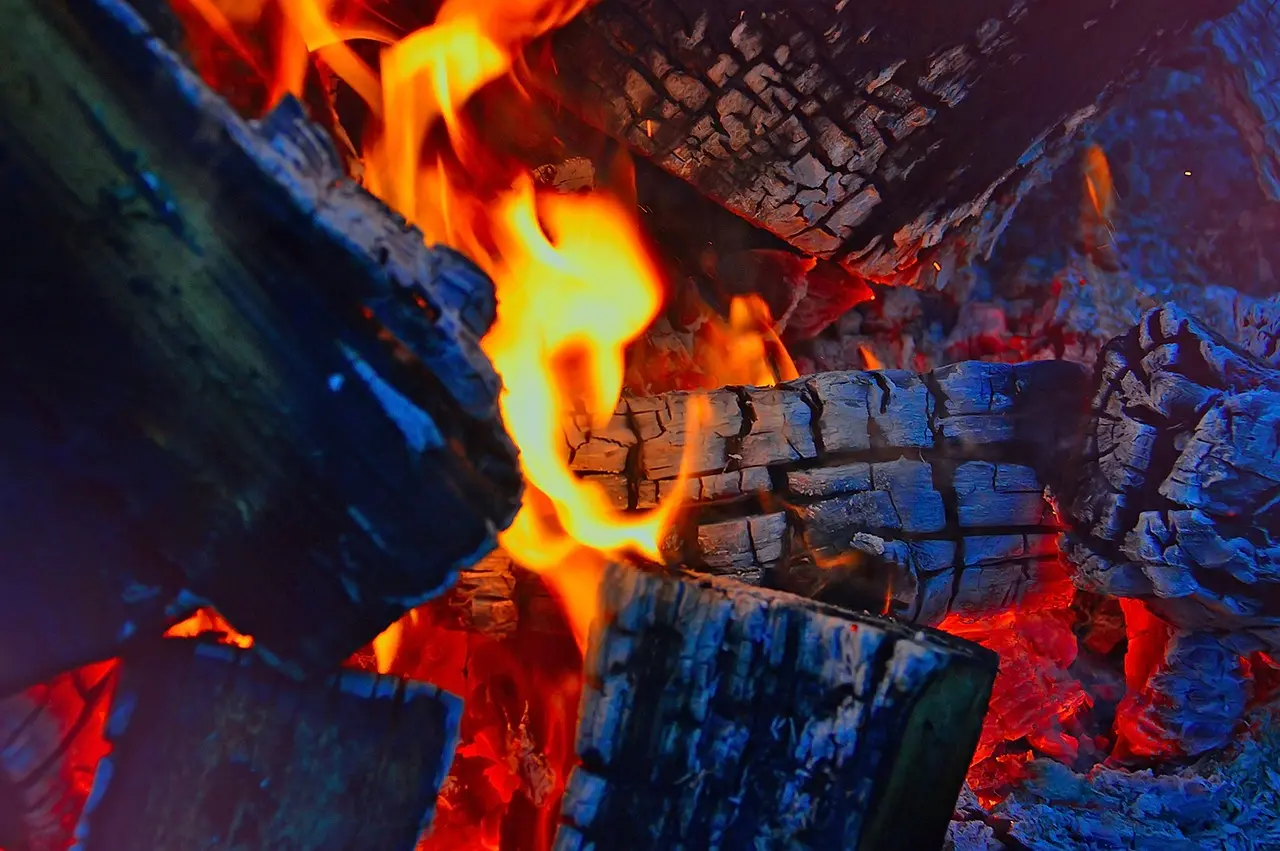
Good combustion should show flames until only charcoal remains. A smoldering fire is not safe or efficient for most appliances. In a stove, the firebox, glass, and flue are better clues than exhaust color alone. A clear or white chimney plume can be cleaner combustion, but it can also be steam, so it is not a stand-alone test.
Wet or green wood should not be burned. Dry kindling, newspaper, and all-natural firestarters are allowed, and they help you get the fire hot fast enough to avoid a long smoky start.
Using a moisture meter correctly
Test a freshly split face, not the outside bark, which can read wetter or drier than the core. Readings from the end grain can mislead you after rain or surface drying. If the split face is still above your target range, the wood needs more drying time before it will perform well.
Moldy firewood decision table
| Wood condition | Likely cause | Burn recommendation | Risk level |
|---|---|---|---|
| Surface mold | Moldy or mildewed storage conditions; poor airflow; rain splash | May be usable if the wood is still hard, dry inside, and not rotten. Better outdoors than indoors if any odor or dust remains. | Low to moderate |
| Wet-but-sound firewood | Recent rain or incomplete seasoning; surface wetness without internal decay | Re-dry before indoor use. Outdoor burning is possible, but expect smoke and low heat if burned now. | Moderate |
| Punky, soft rot | Long-term moisture exposure; decay that has broken down the wood structure | Do not burn indoors. Usually not worth using; the piece may crumble, smoke heavily, and perform poorly. | High |
| Heavily moldy wood | Extended damp storage and active fungal growth | Do not burn if the mold is heavy, the wood smells musty, or sensitive household members will be exposed. Outdoor disposal or re-drying only if the wood is still sound. | Moderate to high |
How should you store firewood?
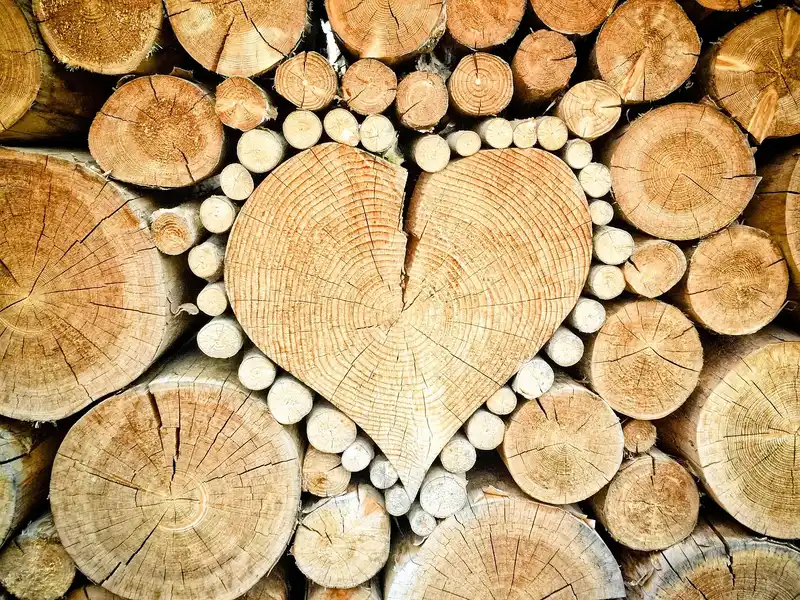
Store firewood outdoors and off the ground, with the top covered and the sides open to airflow. Drying depends on ventilation, not plastic wrapping. If the stack cannot breathe, moisture stays trapped and mold has an easier time spreading.
A practical storage setup
A starter woodshed example is 8 feet long by 4 feet deep. Stacked 4 feet high, that can hold about one cord, and a cord equals 128 cubic feet. A minimum roof pitch of 3:12 is recommended, with a 12 to 24 inch front overhang and a 6 to 12 inch side overhang.
Keep at least 6 inches of clearance from the ground. That gap reduces wicking from wet soil and helps air move under the stack. Good storage is simple: dry base, open sides, and a roof that sheds rain without sealing in moisture.
Frequently asked questions
Can you burn moldy wood?
Sometimes, if it is only lightly moldy and still hard, dry, and structurally sound. Even then, it is a better candidate for outdoor use than indoor use, especially if anyone in the household has asthma or allergies. Soft, rotten, or heavily moldy wood should not be burned.
Is it safe to burn moldy wood?
Not if the mold is heavy, the wood smells musty, or the piece has softened. Mild surface mold on sound wood is a storage issue, but indoor burning adds smoke, dust, and possible spore exposure. If the fire will be in a stove, cleaner fuel is the safer choice.
Can firewood get too old to burn?
Age alone is not the problem. Storage conditions are. Dry, well-stacked wood can stay usable, but wood that absorbs moisture for long periods can become punky, moldy, or infested. If the pile smells stale and feels soft, age plus poor storage has likely ruined it.
Can wood get moldy?
Yes. Mold grows when firewood sits in damp, poorly ventilated conditions. White mold on firewood is common after wet storage or a rainy season. It is a warning sign that drying failed, even if the piece is not yet rotten.
Sponsored / affiliate links. As an Amazon Associate I earn from qualifying purchases. I may earn additional commission from eligible campaigns.