3 Best Adhesives for Wood to Cinder Block (2026): we compared
Yes, you can glue wood to cinder block, but in a basement I trust glue alone only for dry, lightly loaded parts. For shelves, framing, or anything likely to get bumped, use adhesive plus masonry fasteners. Skip that rule, and dampness, dust, and the weak surface skin on block can make trim drop or furring loosen.
This guide is part of our Wood glue essentials: types, uses, and cure times series.
Can you glue wood to cinder block?
For basement work, construction adhesive is usually my first pick, epoxy is the high-strength option for controlled conditions, and polyurethane adhesive helps when the materials move a bit or the surfaces are mixed. The wall condition matters more than the label on the tube.
Quick comparison
| Product | Badge | Best for | Price | ||
|---|---|---|---|---|---|
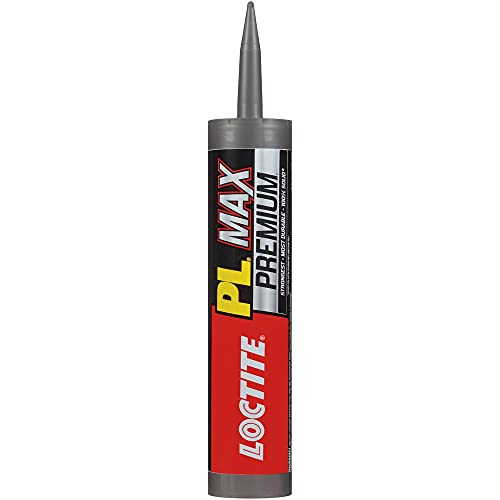 |
Loctite PL Premium Max Construction Adhesive, 9 fl ozLoctite | Our pick | 9 fl oz · wood/concrete · 10°F min temp | $12.98
Price as of 26 Sep 2026
|
View |
 |
Gorilla Max Strength Construction Adhesive, Clear, 2.5 ozGORILLA | Also great | 2.5 oz · clear finish · 2x stronger formula | $7.84
Price as of 26 Sep 2026
|
View |
 |
Red Devil 0646 Masonry and Concrete Acrylic Sealant, 10.1Red Devil | Pair with it | 10.1 oz · acrylic sealant · cinder block/brick | $8.68
Price as of 26 Sep 2026
|
View |
For basement projects, construction adhesive is the most practical starting point because it tolerates small gaps and comes in waterproof or all-weather versions. Epoxy is stronger in a controlled, dry setting, while polyurethane is handy when you need some flexibility or are bonding mixed surfaces.
How we chose
The comparison below focuses on bond behavior in masonry, not marketing language. For basement use, four things matter most: how well the adhesive handles porous block, how it behaves with moisture and temperature swings, how much prep it needs, and whether the joint still needs reinforcement.
I also weighed real project fit. A trim strip on a dry wall is a different job from a furring strip on hollow block, and a damp basement wall changes the answer fast.
Construction adhesive: best for most basement furring and trim
Construction adhesive is the best general choice for most wood-to-cinder-block jobs in a basement. It works well for wood and cinder block, fills small gaps better than many rigid glues, and comes in waterproof or all-weather versions that fit common basement conditions.
It fits furring strips, cleats, and light trim where the block is sound and the surface is properly prepared. The drawback is simple: it is not a cure-all for wet walls, dusty paint, or load-bearing work, and it still needs clamp support and cure time before loading.
Epoxy resin: best for high-strength indoor or controlled conditions
Epoxy resin is the best fit when the bond must be very strong and the basement is dry, stable, and well prepared. It is strong, durable, and resistant to water and chemicals, so it can perform well on cleaned block and wood where you want a hard, stable joint.
The tradeoff is prep and forgiveness. Epoxy wants a cleaner, drier, more carefully fitted joint than construction adhesive, and it is less forgiving if the wall has dust, efflorescence, or minor movement. For many basement projects, that makes it excellent but less practical.
Polyurethane adhesive: best for mixed surfaces and movement
Polyurethane adhesive is a good choice when the job involves porous and non-porous surfaces or you expect some temperature movement. It works on both porous and non-porous surfaces, and that flexibility can help in basement spaces that swing from cold to less cold through the season.
Its drawback is that it is not a magic fix for bad masonry. If the block is dusty, damp, or covered with efflorescence, the bond still suffers. It also does not remove the need for reinforcement when the wood will carry load or resist racking.
Basement attachment decision table
This table is the practical filter most guides skip. In basements, the safest method depends on wall condition, load level, and moisture risk, not just the adhesive brand.
| Wall condition | Load level | Moisture risk | Safest method |
|---|---|---|---|
| Dry, bare, solid block | Decorative or light trim | Low | Adhesive only, with clamp support during cure |
| Dry, bare, solid block | Furring strips or cleats | Low to moderate | Adhesive plus fasteners |
| Dusty, painted, or slightly chalky block | Light duty | Moderate | Adhesive plus fasteners after thorough prep; no-glue alternative if prep cannot be improved |
| Damp wall, visible efflorescence, or recurring seepage | Any | High | No-glue alternative until moisture is solved |
| Hollow block with uncertain core condition | Light to moderate | Low to moderate | Adhesive plus fasteners only if anchors can bite sound masonry; otherwise choose a no-glue alternative |
| Solid block in a framed or load-bearing layout | Load-bearing | Any real moisture risk | Adhesive plus mechanical fasteners, or a fully mechanical attachment system |
How do you prep cinder block before gluing wood?
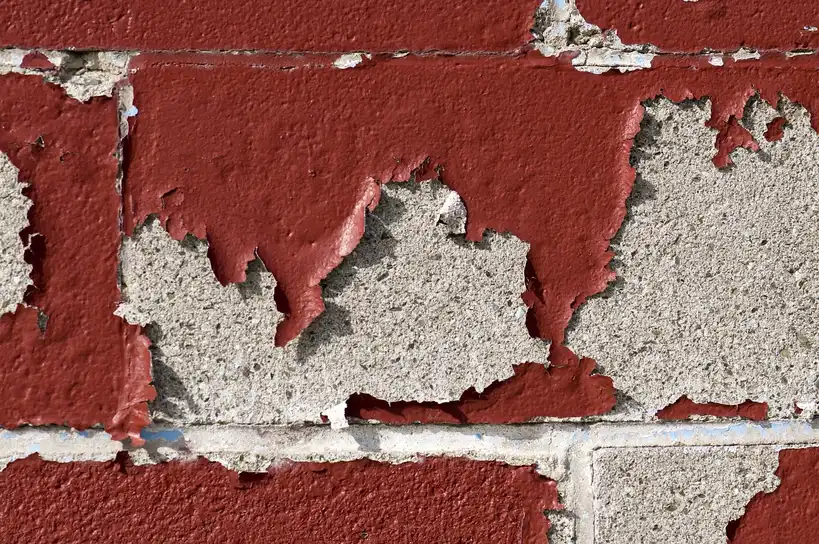
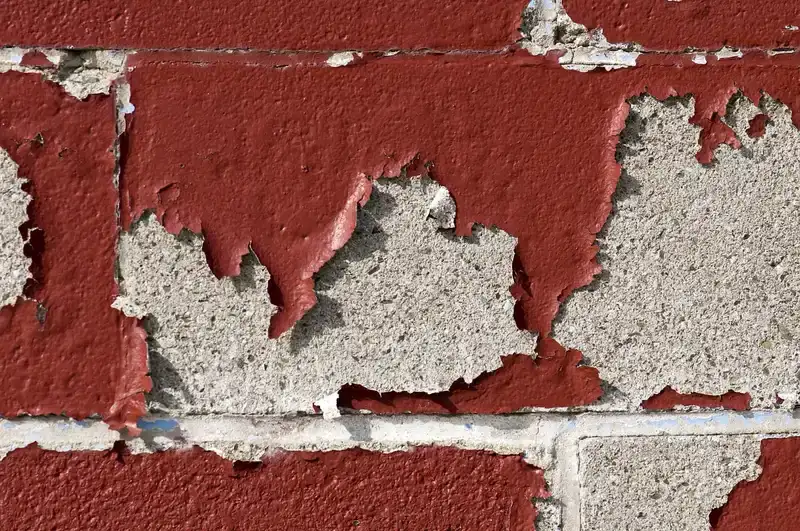
Prep starts with clean, dry masonry. Cinder block is porous, often dusty, and sometimes damp below grade, so the bond depends as much on surface condition as on adhesive choice. Clean and roughen both surfaces before bonding, then press the wood firmly into place.
For basement work, a brush, scraper, sanding block or abrasive pad, and a vacuum or stiff cleaning tool are the basics. If the wall has efflorescence, paint, or loose mortar dust, remove that first. Adhesive over powder is still powder.
Clean and dry the block face
Start by removing loose dust, cobwebs, chalk, and flaking paint. A stiff brush and scraper handle most of it, and a vacuum helps clear the pores and joints. If the wall is visibly damp, pause. Waterproof adhesive does not make a wet wall ready.
Roughen, remove dust, and check for efflorescence
Roughening gives the adhesive more tooth, especially on smooth or painted patches. A sanding block or abrasive pad works on small areas, and a wire brush can help on uneven block faces. White crystalline efflorescence is a warning sign; it often means moisture is moving through the wall.
Prep the wood and plan clamp or support points
The wood should be clean, flat, and lightly roughened. Softwood furring strips, plywood cleats, and hardwood all behave differently, but each needs a clean bonding face. Before spreading adhesive, mark alignment points and decide where clamps or temporary supports will hold the piece during cure.
Will adhesive alone hold in a basement?
Sometimes, yes. For dry walls and light-duty trim, adhesive alone can be enough, especially when the wood is only carrying its own weight. Once the work shifts to furring strips, framing, shelves, or anything that can be bumped, adhesive alone becomes a gamble.
Cold walls slow cure and reduce early grab. Dust and efflorescence weaken the bond face. If the wall is hollow block, the outer skin may not give you a trustworthy anchor zone, and a strong adhesive cannot fix a weak substrate.
When to add screws, dowels, or other reinforcement
Add reinforcement when the wood must resist pull, shear, or vibration. Tapcon-style fasteners, screws into sound masonry, or dowels can back up the adhesive and keep the joint aligned while the adhesive cures and after the space starts moving with seasonal temperature changes.
Hollow block versus solid block
Solid block gives you more predictable support. Hollow block can be tricky because the face shell may be thin, weak, or partly hollowed out by age or previous repairs. In that situation, adhesives may still help, but the fastening plan needs to match the actual block condition, not the label.
What is the best glue for wood to cinder block?
For most basement projects, construction adhesive is the best all-around glue because it handles minor gaps, works well on wood and masonry, and comes in waterproof or all-weather versions. Epoxy is the stronger specialty choice in controlled conditions, and polyurethane fills the role when movement or mixed surfaces are part of the job.
If the wall is clean, dry, and stable, construction adhesive usually gives the best balance of ease and performance. If the job demands maximum bond strength and the environment is controlled, epoxy moves ahead. If the surfaces differ or the basement sees temperature swings, polyurethane deserves a look.
Best choice by budget
For short basement runs, construction adhesive is usually the most cost-effective starting point. The usual cartridge format is practical for small jobs, while gallon coverage is more suited to longer runs. A reasonable project often needs only a few cartridges, not a full pail, when the strips are short.
Best choice by moisture risk
When moisture risk is low, construction adhesive or epoxy can work after prep. When moisture risk is moderate, construction adhesive with mechanical fastening is safer. When the wall is damp or has repeated seepage, the right move is often to stop and solve the moisture problem before bonding wood at all.
Best choice by project type
For furring strips, construction adhesive plus fasteners is usually the practical answer. For light trim or cleats on a very dry wall, adhesive only may be acceptable. For load-bearing framing, do not trust glue alone; use reinforcement or a different fastening method.
How long does wood-to-cinder-block glue take to cure?
Plan on roughly 24 to 48 hours before loading the joint, and longer if the label says so or the basement is cold. Full cure matters more than initial grab, because a piece that looks set can still shift or fail if you load it too early.
Temperature affects set and strength. Humid or cold basements slow the process, and thick beads take longer than thin, even applications. If the adhesive package gives a longer wait, follow that instead of the clock on the wall.
Should you clamp or fasten the wood while the adhesive cures?
Yes. Clamp or hold the piece during cure when the layout must stay aligned. Clamping is recommended to maintain alignment and strength, and temporary screws or supports can serve the same purpose when clamps do not fit the space.
Even good adhesive can creep before it sets. Press the wood firmly against the cinder block, check alignment, and keep pressure on it until the adhesive has enough body to hold.
Can construction adhesive work on damp basement walls?
Only in a limited sense. Some construction adhesives claim wet or frozen surface use, but a damp basement wall still raises failure risk because water, dust, and efflorescence can break the bond line. Waterproof on the label is not the same as “safe on a wall that keeps leaking.”
If the block is only slightly cool or has minor surface moisture after drying, a suitable construction adhesive may still be part of the plan. If the wall is visibly damp, the better choice is usually moisture control first, then bonding later.
What is the strongest way to attach wood to cinder block?
The strongest practical attachment is usually adhesive plus mechanical fastening into sound masonry. For basement work, that means a well-prepared block face, a suitable adhesive, and fasteners or anchors that match the block type and the load. Glue helps with contact; the fasteners carry the risk.
For hollow block, the fastening choice matters even more. If the core is voided or weak, choose anchors designed for that condition or skip glue and use a different attachment strategy until the wall is sound enough for the job.
Which one should you buy?
Buy construction adhesive if you want the best all-around basement option for furring strips, trim, and light cleats on dry masonry. It works well for wood and cinder block, it handles small gaps, and it is the least fussy when the wall is prepared well.
Buy epoxy if the basement is dry and controlled and you need a very strong, durable bond on a careful layout. Buy polyurethane adhesive if you expect some movement or are working with mixed surfaces. If the wall is damp, dusty, painted, or hollow in the wrong places, spend the money on fixing the substrate or on mechanical fastening instead.
For quantity, short runs often need less material than people expect. A 9 fl oz cartridge is convenient for small repairs and a few strips, while longer furring jobs may need enough adhesive to cover roughly 10-15 square feet per gallon. At roughly $20-$50 per gallon, the material cost is usually small compared with the cost of correcting a failed basement wall attachment.
Frequently asked questions
Do I need construction adhesive, epoxy, or polyurethane glue?
Use construction adhesive for most furring strips and trim. Use epoxy when the space is dry, controlled, and you want a very hard bond. Use polyurethane when temperature movement or mixed materials are part of the job. If the wall is damp, none of them should be asked to solve the moisture problem alone.
Will adhesive alone hold wood on basement walls?
Sometimes, but only for light-duty work on dry, well-prepared block. For furring strips, shelves, or anything that may move, bump, or carry weight, adhesive alone is usually not enough. Add screws, dowels, or another masonry fastener when the joint has to stay put.
Sponsored / affiliate links. As an Amazon Associate I earn from qualifying purchases. I may earn additional commission from eligible campaigns.