Can You Refinish Hand-Scraped Hardwood Floors? Yes!
Thinking about refreshing your hand-scraped hardwood floors? The question, Can You Refinish Hand-Scraped Hardwood Floors? is frequently asked because hand-scraped floors have a unique texture. This texture presents challenges, often making beginners hesitant. Don’t worry, though! It’s achievable. We’ll explore a step-by-step guide that makes the process easier than you might think. We’ll cover everything, simplifying it so you can breathe new life into your floors. Let’s get started and see how to transform your hardwood!
What Is Hand-Scraped Hardwood Flooring?
Hand-scraped hardwood flooring offers a rustic, aged appearance that’s quite popular. Unlike machine-milled floors, hand-scraped floors have imperfections, uneven surfaces, and a unique character that adds charm to any space. The “hand-scraped” aspect refers to the manual process of creating the textured look. Skilled craftspeople use specialized tools to remove wood from the surface, giving each plank a distinctive, worn appearance. This technique simulates the look of antique or reclaimed wood without the associated age or potential issues.
The beauty of hand-scraped floors lies in their individuality. Each plank is unique, showcasing the craftsmanship and adding a personalized touch. This type of flooring often appears in homes aiming for a farmhouse, cottage, or traditional aesthetic. The textured surface hides wear and tear better than smoother floors, making them a practical choice for high-traffic areas. Hand-scraped floors come in various wood species, including oak, maple, and hickory, each lending its distinct grain and color variations.
Types of Hand-Scraped Finishes
The hand-scraped look is achieved in several ways, and recognizing these methods is important when considering refinishing. The primary variations involve the tools and techniques used to create the texture. These methods directly impact how the floor wears and how easy it is to refinish. Different techniques have unique visual effects, impacting how your floors look and feel underfoot.
Authentic Hand-Scraped: This method involves skilled artisans using specialized tools to manually scrape and shape the wood. It is labor-intensive, resulting in a deep, textured surface. These floors often possess the most significant character and are the most visually varied.
The authentic hand-scraped approach offers the most unique look. Each plank bears the individual marks of the craftsman, giving each floor an unmatched personality. This method generally results in more pronounced variations in the wood’s texture and depth.
Machine-Scraped: This technique uses machinery to replicate the hand-scraped look. The machines achieve the texture faster, making the process more efficient. Machine-scraped floors can often be more uniform than authentic hand-scraped floors.
Machine-scraped floors provide a balance between the hand-scraped aesthetic and affordability. The overall look is similar, but the texture may be more consistent across planks. This method is often chosen for its cost-effectiveness and relatively quick production.
Wire-Brushed: This technique uses wire brushes to create a textured surface. While not truly “hand-scraped,” wire-brushed floors offer a rustic look with a slightly raised grain. They are often less expensive and easier to maintain.
Wire-brushed floors are a great option for those wanting a textured appearance without the deep grooves of hand-scraped floors. This method highlights the wood’s grain, giving it a weathered appearance. They are often more practical for routine cleaning.
Benefits of Hand-Scraped Hardwood Flooring
Choosing hand-scraped hardwood floors brings several advantages. Beyond aesthetics, the unique texture provides practical benefits, making them a great flooring choice for many homeowners. Their appeal goes beyond style. Choosing hand-scraped floors is a smart choice for any room in your home.
Hides Imperfections: The textured surface conceals scratches, dents, and wear better than smooth floors. This makes them ideal for high-traffic areas.
The irregular surface of hand-scraped floors naturally camouflages everyday wear and tear. This feature provides a less noticeable effect on minor damages, extending the life of your flooring and keeping it looking great for many years.
Adds Character: Hand-scraped floors add warmth and character to any room. Their unique texture and individual variations create a more inviting and visually interesting space.
Each hand-scraped plank is one of a kind. This variety adds visual interest and a sense of uniqueness to your home. Hand-scraped hardwood immediately adds a vintage, timeless appeal to your house.
Durable: Due to the thickness and the finish applied, hand-scraped floors are typically durable and long-lasting, withstanding years of use with minimal degradation.
Hand-scraped floors tend to stand up well to daily use. Proper care, coupled with their thickness and finish, can help them last a long time. This is especially true when compared to smoother floors.
Preparing for Refinishing: The First Steps
Refinishing hand-scraped hardwood flooring requires careful planning. Proper preparation is essential for a great result. It involves inspecting the floor, gathering necessary materials, and creating a safe and well-ventilated work environment. Doing these steps will ensure a smoother, safer, and better outcome.
Take your time and plan out each step. This initial stage sets the stage for success. Careful preparation makes the entire process easier and more rewarding. Before you grab any tools or supplies, take the following steps to ensure you’re ready for the process of refinishing.
Assessing the Condition of Your Floor
Before you begin, carefully inspect your hand-scraped hardwood floor. Note the extent of the damage, the existing finish, and the type of wear. This assessment will help determine the best refinishing method and the materials you’ll need. Examine the wood closely to check for specific issues.
Damage Assessment: Look for deep scratches, gouges, or areas of significant wear. This helps you determine if any repairs are needed before refinishing.
Knowing the amount of wear helps you choose the correct grit sandpaper. Significant damage requires more aggressive sanding and filling.
Existing Finish: Determine the type of finish currently on the floor (e.g., polyurethane, oil-based). This is essential for selecting the appropriate refinishing products and techniques.
Knowing the current finish will help you choose the best products and methods. Incompatible finishes can create issues with adhesion and durability.
Wood Type: Identify the type of hardwood used. Different wood species have varying hardness levels, which affects sanding and finishing processes.
Harder woods like oak require more powerful sanding equipment. Softer woods, like pine, may need extra care to prevent damage.
Gathering Necessary Materials and Tools
Refinishing hand-scraped floors involves having the right tools and materials. Proper equipment makes the job much easier. Consider safety equipment too, such as a respirator, safety glasses, and gloves. Having everything ready saves time and ensures a smooth workflow.
Sanding Equipment: You will likely need an orbital sander for overall sanding and an edge sander for areas close to walls. Choose sandpaper with different grits to smooth the surface.
An orbital sander helps you achieve a smooth surface without damaging the hand-scraped texture. Edge sanders can reach close to walls, where the large sander cannot go.
Finishing Products: Choose a wood stain and a durable floor finish, such as polyurethane, in the sheen you desire. Be sure to select products compatible with your floor.
Picking the correct stain and finish is important. These products affect the final look and how well the floor holds up to wear and tear.
Safety Equipment: Wear a respirator, safety glasses, and gloves to protect against dust, fumes, and debris. Good ventilation is also essential.
Protecting yourself during the refinishing process is very important. Always follow all safety guidelines.
Refinishing Hand-Scraped Hardwood Floors: A Detailed Guide
Refinishing your hand-scraped hardwood floors can be a rewarding experience. The process involves multiple steps, including sanding, staining, and finishing. Follow these steps for an enhanced and stunning result. Each step contributes to the final appearance and durability of the floor. By taking your time and being careful, you can add warmth and appeal to your house.
This detailed guide will take you step-by-step through refinishing, ensuring a polished outcome. You’ll learn the techniques used by pros. With attention to detail, you will achieve professional results. Be patient, and prepare for some hard work, with a great sense of accomplishment at the end.
Sanding and Surface Preparation
Sanding is a vital part of refinishing hand-scraped floors. It removes the existing finish, smooths the surface, and prepares it for staining and finishing. Using different grits of sandpaper in the correct order is critical for the overall look.
Start with Coarse Grit Sandpaper: Begin with a coarse grit sandpaper (e.g., 40-60 grit) to remove the old finish and any imperfections. This initial step sets the foundation for the surface.
Coarse grit sandpaper quickly removes the old finish. Use caution, as it can be aggressive. Work evenly over the floor, and don’t linger in one area.
Use a Medium Grit Sandpaper: Switch to a medium grit sandpaper (e.g., 80-100 grit) to smooth out the scratches from the coarse grit. This refines the surface.
Medium grit sandpaper will remove the scratches from the coarser paper. This helps make the floor surface smoother and even.
Progress to Fine Grit Sandpaper: Finish with a fine grit sandpaper (e.g., 120-150 grit) to prepare the floor for staining and finishing. Fine sanding enhances the overall look.
Fine grit sandpaper smooths the surface. This ensures a clean base for stain and finish. Proper sanding is a key factor.
Staining and Finishing
Once you’ve sanded the floor, it’s time to apply the stain and finish. Staining adds color and enhances the wood grain. The finish protects the wood. Proper application of these steps ensures beauty and durability.
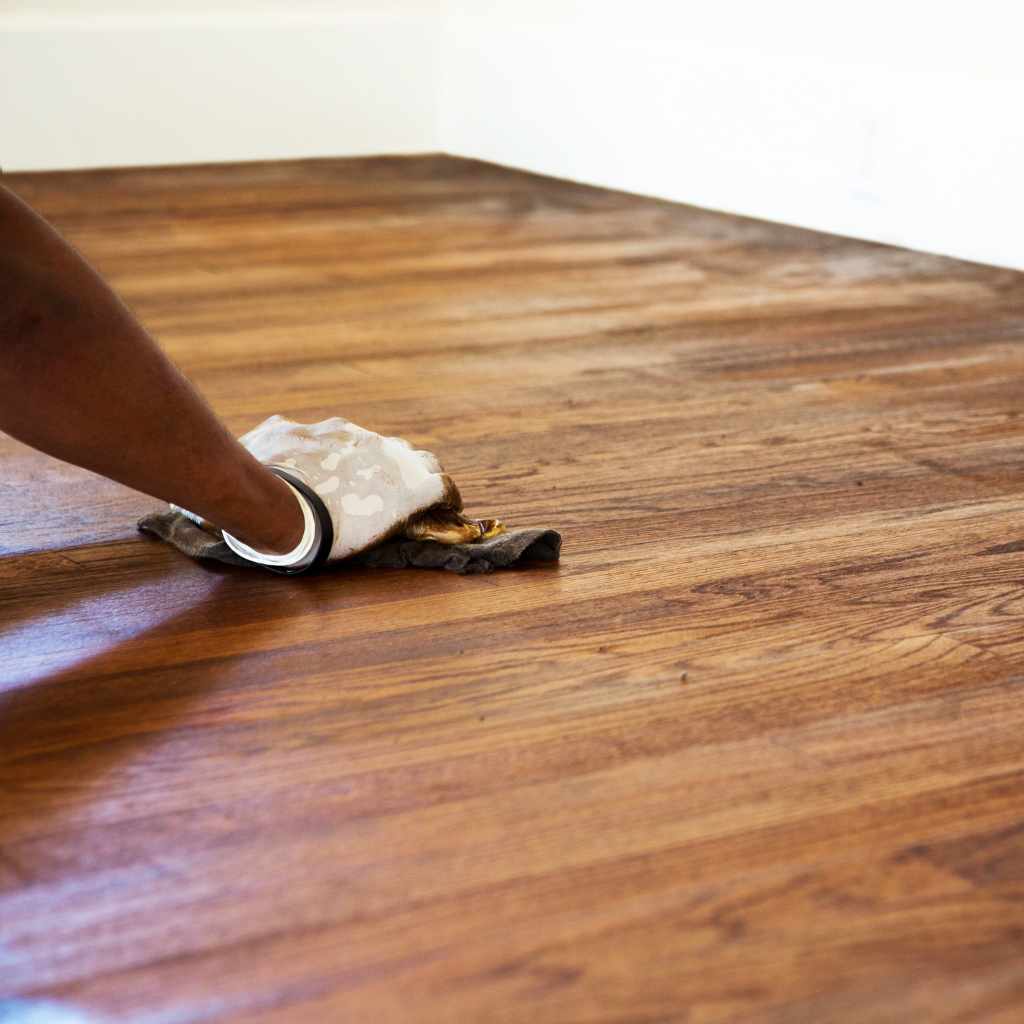
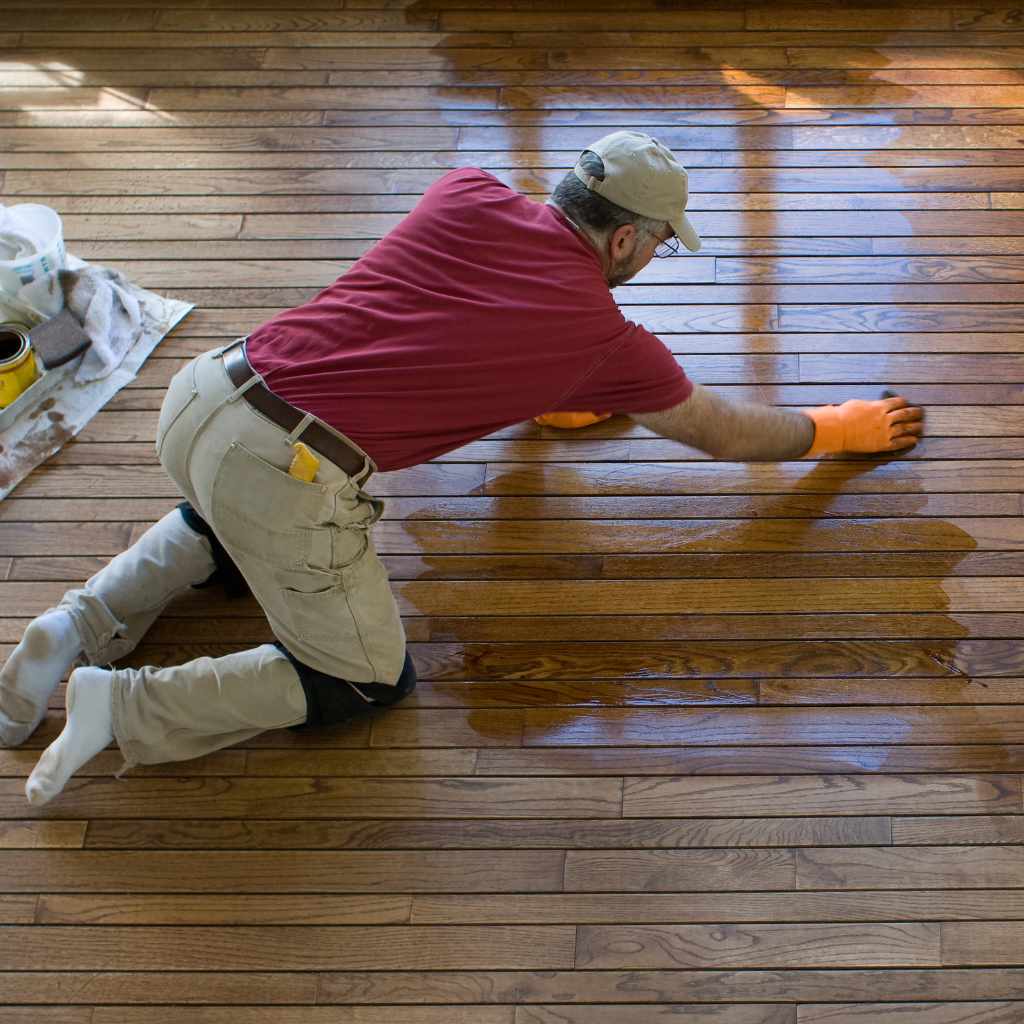
Apply the Stain Evenly: Apply the stain with a brush, rag, or applicator, following the wood grain. Remove excess stain. Make sure the color is consistent.
Apply the stain evenly. The wood will absorb it in various amounts, so applying carefully will ensure a nice overall look. Make sure to remove any excess.
Apply the First Coat of Finish: Use a brush, roller, or applicator to apply the first coat of your chosen finish. Allow ample drying time. Proper application is crucial.
The first coat of finish seals the stain and prepares the surface for subsequent coats. Make sure it has enough time to dry before the next step.
Sand Lightly Between Coats (Optional): After the first coat dries, lightly sand the surface with fine-grit sandpaper. This smooths out any imperfections and promotes good adhesion.
Sanding between coats creates a smoother surface and improves adhesion. This step is a key aspect of how well the finish lasts.
Apply Additional Coats of Finish: Apply additional coats of finish, following the manufacturer’s instructions. Each coat adds to the floor’s durability.
Apply multiple coats of finish to improve the look and extend the life of your floor. Be sure to follow the manufacturer’s instructions.
Avoiding Common Errors When Refinishing
There are common errors people make when refinishing floors. Knowing these mistakes helps you avoid them, leading to a better outcome. Attention to detail is important. By staying informed, you can minimize challenges and increase your chances of success.
The success of the project greatly depends on paying close attention to these common pitfalls. Learn about these errors and how to avoid them.
Improper Sanding Techniques
Incorrect sanding techniques are a common source of issues. Uneven sanding, using the wrong grit sandpaper, or skipping crucial steps all contribute to problems. Good sanding techniques are vital for a smooth, even surface.
Skipping Sanding Grits: Failing to progress through the recommended sandpaper grits can leave scratches and imperfections. Skipping grits can also make it harder to remove the old finish.
Always move from coarse to fine grits. Each grit should remove the scratches from the previous grit. Going straight from coarse to fine can ruin the finish.
Sanding Unevenly: Applying uneven pressure or spending too long in one spot creates an inconsistent surface. Over-sanding in areas can damage the wood.
Use consistent pressure, and move the sander over the entire floor area. Over-sanding can cause dips and unevenness in the wood. Take your time, and be careful.
Not Sanding with the Grain: Sanding against the grain can create scratches and damage the wood. This can ruin the beauty of your project.
Always sand with the wood grain. This helps to smooth the surface without creating extra marks and scratches.
Issues with Staining and Finishing
Staining and finishing errors can lead to uneven color, poor adhesion, and reduced durability. Selecting the wrong products or using incorrect application techniques can ruin your project. Always follow manufacturer guidelines.
Applying Stain Unevenly: Uneven stain application creates an inconsistent color. This can ruin the overall appearance of the floors.
Use a clean rag or brush. Apply the stain evenly. Wipe away the excess, and check for any spots that are too dark. This ensures uniform color.
Not Allowing Proper Drying Time: Rushing the drying process can cause adhesion issues, bubbling, and an unsatisfactory finish. This can ruin the look of your project.
Always wait the specified drying time between coats. Rushing can cause finish issues that can be hard to correct. Patience is a virtue.
Using Incompatible Products: Using finishes or stains that are not compatible with each other can cause issues with adhesion, drying, and durability. This can ruin the look.
Always check if your stain and finish are compatible. Read the labels and follow all of the manufacturer’s instructions. Compatibility is essential.
When to Call in the Experts
While DIY refinishing projects can be rewarding, there are situations where hiring professionals is the best choice. This often helps you ensure quality and avoid potential problems. Professional help can save time and effort. Considering the expertise of professionals can provide long-lasting benefits.
Deciding when to get help can save you from a lot of time. In some cases, pros can fix issues quicker than amateurs.
Major Repairs and Extensive Damage
If your hand-scraped hardwood floor has major damage, such as extensive gouges, water damage, or structural issues, hiring a professional flooring expert may be necessary. They have specialized tools, expertise, and a skill set that can handle these complexities.
Deep Gouges and Dents: Professionals can expertly repair and fill deep damage. They can make the floor look new again.
Professionals have the knowledge and tools to handle severe damage. They know how to restore the floor’s structural integrity.
Water Damage: Water damage can warp and damage wood. Professionals can identify and treat water damage.
Water damage can be severe. Professionals can make the necessary repairs to avoid issues like mold growth.
Structural Issues: Professionals have the skills to handle subfloor issues and structural weaknesses. They can ensure the stability and safety of your floor.
Structural repairs may require specialized knowledge. Professionals will know the best way to address these concerns.
Large or Complex Projects
Refinishing large areas or projects with intricate patterns or designs may benefit from professional help. Managing large-scale projects requires considerable experience. Professionals have the tools and manpower. They can tackle large projects efficiently.
Large Surface Areas: Professionals have the experience and equipment to complete large-scale projects quickly and efficiently. Time savings can be huge.
Professionals can reduce the time needed to complete the project, which can reduce labor costs.
Intricate Designs: Complex patterns and unique designs require experience. Professionals can handle these challenges with expertise.
If your floor has special design elements, professionals have the expertise. This ensures the design is properly preserved.
Limited Time or Skill: If you have limited time or DIY experience, hiring a professional can save valuable time and reduce the likelihood of errors.
Professionals can speed up the process. They also reduce the risk of making mistakes, which can save money in the long run.
Frequently Asked Questions
Question: Can I sand and refinish hand-scraped hardwood floors myself?
Answer: Yes, you can. It’s achievable with the right preparation and tools. Research and patience are key.
Question: What’s the best type of finish for hand-scraped hardwood floors?
Answer: Polyurethane is a great choice for durability. Consider oil-based or water-based options, depending on your preferences.
Question: How do I know if my floor is hand-scraped?
Answer: Look closely at the surface. Hand-scraped floors have a distinct, irregular texture with visible tool marks.
Question: What grit sandpaper should I start with?
Answer: Begin with a coarse grit (40-60) to remove the old finish. Then gradually work your way to finer grits (120-150).
Question: How many coats of finish do I need?
Answer: Usually, two or three coats are ideal, following the manufacturer’s instructions for drying times.
Final Thoughts
Refinishing Can You Refinish Hand-Scraped Hardwood Floors? is a doable project with the proper approach. You’ve now explored the essential steps, from assessing your floor’s condition to the final finishing touches. You’ve also learned about potential issues and when it’s smart to call in the professionals. Remember to take your time, prepare thoroughly, and always prioritize safety. These suggestions will help you produce great results. By following these guidelines, you can improve the appearance and lengthen the life of your floors. Ready to begin? Take the time to prepare, follow the steps, and enjoy the reward of transforming your home. You’ve got this!