Remove Paint From Wood Without Chemicals: 5 Safe Methods
Paint comes off wood without chemicals through heat, sanding, or scraping – but if your home or furniture predates 1978, test for lead paint before you start. Sanding or heat-gunning lead paint without checking first can spread toxic dust through your whole shop. This guide covers the lead test, plus heat gun, scraper, sander, and vinegar methods with the exact grit and temperature settings that work.
This post contains Amazon affiliate links. If you buy through them, we may earn a small commission at no extra cost to you.
This is one guide in our full paint and finishing library for wood – browse it for priming, painting technique, and other removal jobs beyond this one.
Test for Lead Paint First (Especially Pre-1978 Homes)
The federal government banned lead-based residential paint in 1978, so any wood painted before then may contain it. The EPA’s Renovation, Repair, and Painting (RRP) Rule assumes lead paint is present in pre-1978 buildings unless a test proves otherwise – and sanding or heat-gunning it releases toxic dust and fumes. Swab test kits like LeadCheck or D-Lead (both EPA-recognized) take about two minutes: cut a small notch into the paint layer and watch for a color change.
📊 An estimated 87% of homes built before 1940, and 69% of those built 1940–1959, still have some lead-based paint on original surfaces. Source: HUD/EPA housing lead-paint surveys, cited via Bob Vila
If the test comes back positive, stop and call a certified lead-abatement contractor – the EPA requires RRP-certified training for anyone paid to disturb lead paint, and DIY dry-sanding it is not safe at any grit. If it’s negative, the methods below are all fair game. For more on how chemical paint strippers compare, see our full stripper-wash breakdown – we’re skipping them here on purpose.
What You’ll Need
- A putty knife or paint scraper
- Medium (80–120) and fine (220) grit sandpaper, or a random orbital sander
- A heat gun or infrared paint remover (optional, faster for multiple layers)
- White vinegar or baking soda (for small, delicate areas)
- Dust mask, safety goggles, and a drop cloth
Best Heat Gun Pick
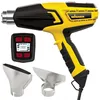
Wagner Spraytech FURNO 700 Variable-Temperature Heat Gun
Adjustable 125°F–1300°F range covers everything from softening old varnish to lifting multiple paint layers.
- Best for: Multiple layers of old paint on doors, trim, and furniture
- Why we picked it: Variable temperature control lets you start low and avoid scorching the wood
- Main drawback: Needs a steady hand – too much heat in one spot can char softwoods
Compare more chemical-free paint removal tools
 Option 1 Bates 10-in-1 Paint Scraper
|
 Option 2 SKIL 5″ Random Orbital Sander
|
 Option 3 WORKPRO 150-Pack Sanding Discs
|
As an Amazon Associate we earn from qualifying purchases.
Scrape and Sand Paint Off By Hand
Scraping and sanding are the two mechanical methods for removing paint from wood – no chemicals or heat, just tools and elbow grease. Both work in the direction of the grain and both preserve the wood underneath if you stay patient.
Scraping
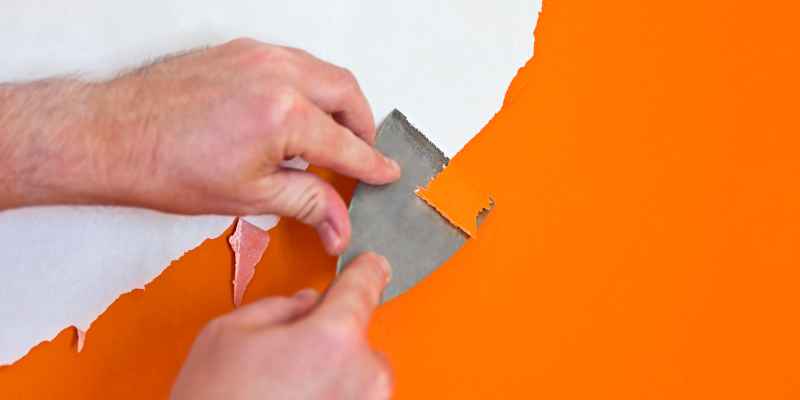
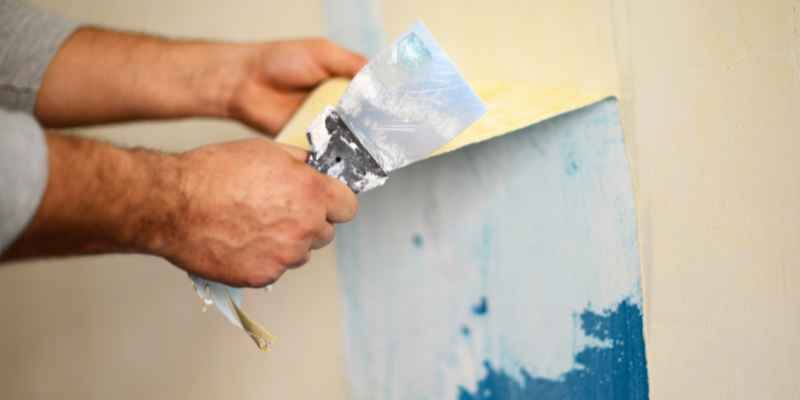
Scraping works best on paint that’s already cracking, peeling, or bubbling – a sharp putty knife or scraper tool is all you need.
- Angle the scraper: Hold it at a slight angle against the painted surface.
- Work with the grain: Apply gentle, even pressure and move along the wood grain, not across it.
- Watch the pressure: Don’t dig into the wood – too much force gouges the surface instead of lifting paint.
- Clear the bulk: Continue until most of the paint is off.
- Loosen stubborn spots: A wire brush or steel wool handles what the scraper leaves behind.
Sanding
Sanding handles larger areas and multiple paint layers better than scraping does. Professional refinishers typically start at 80–120 grit to cut through the paint, then finish at 220 grit for a smooth surface ready for stain or a new coat – see our full grit guide for paint removal for grit-by-grit breakdowns per wood type.
- Gear up: Wear a dust mask and safety goggles before you start – sanding dust is the main irritant here, lead or not.
- Start coarse: Use 80–120 grit sandpaper to cut through the bulk of the paint.
- Sand with the grain: Firm, even pressure, always in the direction of the wood grain.
- Finish fine: Switch to 220 grit once the paint is gone, for a smooth, ready-to-finish surface.
- Wipe down: Remove dust with a tack cloth or damp rag before staining or painting.
Once the paint is off, you can move straight to staining or sealing – just check the wood isn’t still damp from any earlier cleanup first.
Use a Heat Gun or Infrared Paint Remover
Heat softens and lifts paint without chemicals, which makes it the fastest option when you’re dealing with several layers – it’s especially useful on painted trim and molding where scraping alone struggles to reach into corners. It also carries the highest risk of scorching the wood if you rush it, so patience matters more here than with scraping or sanding.
Using a Heat Gun
A heat gun runs anywhere from about 200°F up to 1,200°F depending on the model – you don’t need the top of that range for paint removal. Heat guns are useful for more than paint removal, but for this job:
- Protect the area: Cover nearby surfaces with drop cloths – softened paint can drip.
- Set a low-to-medium temperature: Start low; you can always increase it.
- Hold it 2 inches away: Move the gun back and forth slowly, about 2 inches from the surface.
- Scrape as it blisters: Once the paint bubbles, lift it off with a scraper or putty knife.
- Repeat for extra layers: Multiple coats may need a second or third pass.
- Wipe clean: A damp cloth removes leftover residue once the paint is off.
Using an Infrared Paint Remover
An infrared paint remover heats a wider area more evenly than a heat gun’s narrow nozzle, which makes it a better fit for large flat panels like doors or tabletops – it’s also the gentler alternative when you’d otherwise reach for a chemical stripper.
- Protect the area: Same setup as the heat gun method – cover what’s nearby.
- Set the heat output: Follow the manufacturer’s guidance for your specific unit.
- Hold it 2–4 inches away: Keep the panel evenly covered as you move across it.
- Wait for the blister: Let the infrared heat do the work before scraping.
- Repeat as needed: Thicker paint may take more than one pass.
- Clean the surface: Wipe down with a damp cloth once you’re done.
Try Vinegar or Baking Soda for Small Areas
Vinegar and baking soda won’t strip large surfaces efficiently, but for hardware, trim, or small delicate spots – especially on furniture you don’t want to sand – they’re the gentlest options on this list.
Vinegar
White vinegar’s acidity does soften paint on wood, though it works more slowly than heat or chemical strippers and usually needs more than one application.
- Mix the solution: Equal parts white vinegar and warm water in a bowl.
- Soak a cloth: Wring out excess liquid so it’s damp, not dripping.
- Apply and wait: Lay the cloth on the paint and let it sit several hours.
- Cover for stubborn paint: Wrap the soaked cloth in plastic wrap and leave it overnight.
- Scrape gently: Once softened, lift the paint with a plastic scraper or soft-bristled brush.
Baking Soda Paste
Baking soda paste is gentle enough for delicate wood surfaces and small hardware pieces.
- Make the paste: Mix baking soda with just enough water to form a thick paste.
- Apply it fully: Cover the painted area completely.
- Let it sit: Several hours, or overnight for tougher paint.
- Scrape once dry: Use a plastic scraper or soft brush to lift the softened paint.
- Wipe clean: A damp cloth clears any leftover residue.
Both methods are safe for cabinet hardware and trim where you’d rather not bring out a sander, and for hardwood floors a light vinegar pass on isolated drips beats sanding the whole board down.
Which Method Should You Use?
All four methods work – the right one depends on how much paint you’re removing and how delicate the wood is.
| Method | Speed | Best For |
|---|---|---|
| Scraping | Fast on peeling paint | Cracking or already-loose paint |
| Sanding | Slow, steady | Large flat surfaces, multiple coats |
| Heat gun / infrared | Fastest for thick buildup | Doors, trim, several layers |
| Vinegar / baking soda | Slowest (hours to overnight) | Hardware, small delicate spots |
Common Mistakes to Avoid
- Skipping the lead test: The single most common mistake – sanding pre-1978 paint without checking first.
- Sanding across the grain: Leaves visible scratches that show through stain.
- Holding a heat gun too close or too long in one spot: Scorches the wood underneath the paint.
- Using metal scrapers on veneer: Gouges through thin veneer layers – stick to plastic scrapers there.
- Skipping the fine-grit pass: Leaves the surface too rough for stain or paint to go on evenly.
“After refinishing more furniture than I can count, the mistake that costs people the most isn’t picking the wrong method – it’s skipping the lead check and sanding straight into old paint before they know what’s in it.”
Frequently Asked Questions
What is the best way to remove paint from wood without chemicals?
For most projects, a heat gun followed by scraping removes paint fastest without chemicals. For smaller or more delicate pieces, sanding gives you more control, and vinegar or baking soda works for hardware and small spots where you don’t want to sand or apply heat.
Does vinegar really remove paint from wood?
Yes, but slowly. Vinegar’s acidity softens paint enough to scrape off after several hours to overnight, though it usually needs more than one application and works better on smaller areas than on entire surfaces.
Do I need to test for lead paint before removing it?
Yes, if the wood was painted before 1978. The EPA assumes lead paint is present on pre-1978 surfaces unless a test proves otherwise, and disturbing it without checking first releases toxic dust. A swab test kit takes about two minutes to run.
What household items can remove paint from wood?
White vinegar and baking soda are the two most common household paint removers. Both work by softening the paint over several hours so it can be scraped off, and both are gentle enough for small hardware or delicate wood.
How hot should a heat gun be to remove paint safely?
Start on a low-to-medium setting and hold the gun about 2 inches from the surface. You don’t need the highest setting on the tool – too much heat in one spot scorches the wood before the paint fully lifts.
Conclusion
Removing paint from wood without chemicals comes down to picking the right method for the job: scraping and sanding for control, heat for speed on multiple layers, and vinegar or baking soda for small, delicate areas. Test for lead paint first if the wood predates 1978, wear a dust mask regardless of what the test says, and work with the grain. Skip that first step and every other tip on this page matters less.