Can You Use Plywood for Wheelchair Ramps
Many people wonder if plywood is a good choice for building a wheelchair ramp. It might seem like a simple question, but there are a few things to think about. For beginners, figuring out the best materials can be a bit confusing.
Don’t worry, though! This guide will make it easy to understand. We’ll walk you through everything you need to know to build a safe and usable ramp.
Get ready to learn the simple steps to find out if plywood is the right material for your needs.
Is Plywood A Good Material For Wheelchair Ramps
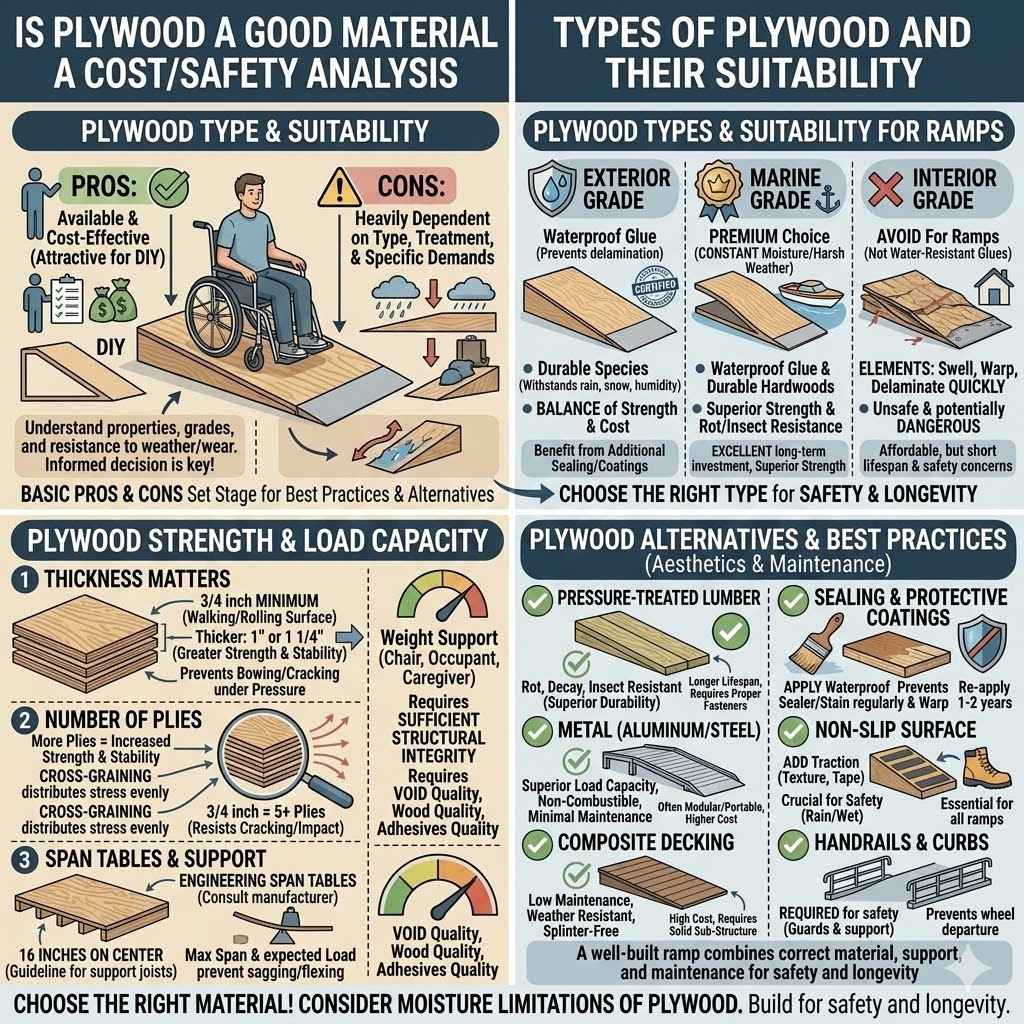
Deciding if plywood is suitable for a wheelchair ramp is a common question for those looking to create accessible pathways. The appeal of plywood lies in its availability and cost-effectiveness, making it an attractive option for DIY projects. However, its suitability depends heavily on the type of plywood used, how it’s treated, and the specific demands placed upon it.
Understanding the properties of different plywood grades and their resistance to weather and wear is key to making an informed decision. This section will explore the basic pros and cons of using plywood for this purpose, setting the stage for a deeper dive into best practices and alternatives.
Types Of Plywood And Their Suitability
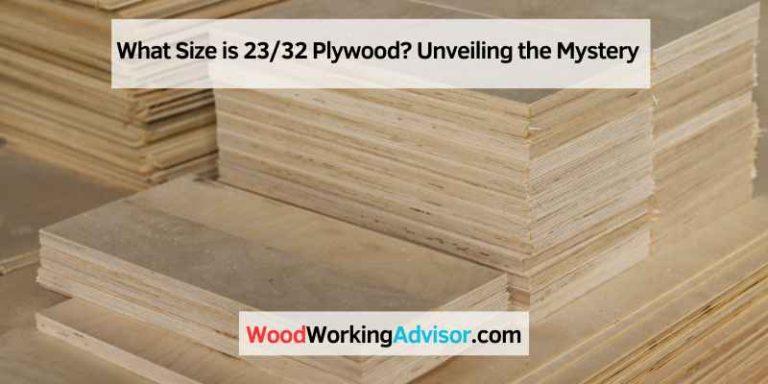
Not all plywood is created equal, and choosing the right type is critical for the safety and longevity of a wheelchair ramp. The strength, durability, and resistance to moisture vary significantly between different grades and compositions of plywood.
- Exterior Grade Plywood
This is the most suitable type of plywood for outdoor applications like wheelchair ramps. Exterior grade plywood is constructed with waterproof glue, which prevents the layers from separating when exposed to moisture. This resistance to delamination is vital for a ramp that will face rain, snow, and humidity. The wood plies are typically made from durable species that can withstand outdoor conditions better than interior woods. When selecting exterior grade plywood, look for stamps or certifications indicating its suitability for wet environments. This type offers a good balance of strength and cost for ramp construction. It’s important to remember that even exterior grade plywood benefits from additional sealing and protective coatings to maximize its lifespan and prevent premature decay or warping. - Marine Grade Plywood
Marine grade plywood is the premium choice for outdoor structures exposed to constant moisture and harsh weather. It uses waterproof glue and is typically made from durable hardwood veneers, offering superior strength and resistance to rot and insect damage. While more expensive than exterior grade, its longevity and reliability are unmatched, making it an excellent long-term investment for a wheelchair ramp where safety and durability are paramount. This grade is often used in boat building, which speaks to its high performance in wet conditions. The consistent quality and lack of core voids in marine grade plywood contribute to its overall structural integrity. - Interior Grade Plywood
Interior grade plywood should generally be avoided for wheelchair ramps. It uses glues that are not water-resistant and is not designed to withstand exposure to the elements. If it gets wet, it will likely swell, warp, and delaminate quickly, rendering the ramp unsafe. Even with a protective coating, its inherent susceptibility to moisture makes it a poor choice for any outdoor structural element that needs to bear weight and remain stable over time. While it is the most affordable option, the short lifespan and safety concerns make it an unsuitable and potentially dangerous choice for a wheelchair ramp.
Understanding Plywood Strength And Load Capacity
The strength of plywood is measured by its thickness and the number of plies, as well as the type of wood used. For a wheelchair ramp, it needs to support the weight of a wheelchair, its occupant, and potentially a caregiver. This means selecting plywood with sufficient structural integrity.
- Thickness Matters
The thickness of plywood is a primary factor in its load-bearing capacity. For wheelchair ramps, a minimum thickness of 3/4 inch is generally recommended, especially for the surface that will be walked or rolled on. Thicker plywood, such as 1-inch or even 1 1/4-inch, will provide greater strength and stability, reducing the risk of bowing or cracking under pressure. It’s crucial to match the plywood thickness to the span between support joists or beams to prevent sagging. A thinner plywood might be used for non-load-bearing elements, but the main ramp surface must be robust. - Number Of Plies
Plywood is made by layering thin sheets of wood veneer, with the grain of each layer oriented perpendicular to the adjacent layer. More plies generally mean increased strength and stability. A 3/4-inch plywood sheet typically has five or more plies. This cross-graining structure distributes stress more evenly across the sheet, preventing it from splitting along the grain. Higher ply counts contribute to better resistance against cracking and impact, which is important for a ramp that will experience regular use. - Span Tables And Support Structures
To ensure adequate support, it’s essential to consider the span between the structural supports underneath the plywood. Plywood has a maximum span it can safely cover before it begins to deflect significantly. Engineering span tables, often provided by plywood manufacturers, indicate the maximum distance between joists for a given thickness and load. For wheelchair ramps, these supports should be closer together than for a simple flooring application to provide maximum stability and prevent any flexing. Typically, 16 inches on center for support joists is a good guideline, but this can be adjusted based on the specific plywood thickness and expected loads.
A common misconception is that any plywood will suffice if it’s thick enough. However, the quality of the wood and the adhesives used play a significant role. For example, a cheaper plywood with voids or weaker wood species might not perform as well as a higher-quality plywood of the same thickness.
Can You Use Plywood For A Wheelchair Ramp Considerations
When considering plywood for a wheelchair ramp, several practical factors come into play beyond just the type and thickness. The environment where the ramp will be installed, the expected wear and tear, and the need for a slip-resistant surface are all crucial considerations.
Weather Resistance And Durability
The ability of plywood to withstand the elements is paramount for a wheelchair ramp’s longevity and safety. Outdoor ramps are continuously exposed to rain, sun, and temperature fluctuations, which can degrade materials over time.
- Moisture Damage
Exposure to water is the biggest enemy of plywood. Even exterior grade plywood can eventually succumb to moisture if not properly protected. Standing water or prolonged dampness can lead to swelling, warping, and rot, compromising the ramp’s structural integrity. Ensuring adequate drainage away from the ramp is important. Proper sealing and regular maintenance are essential to prevent moisture from penetrating the wood. - Sunlight And UV Degradation
Direct sunlight and ultraviolet (UV) radiation can also break down the wood fibers and adhesives in plywood over time. This can lead to a chalky surface layer and a general weakening of the material. Protective coatings, such as marine-grade paints or sealants that offer UV protection, can significantly extend the life of a plywood ramp by shielding it from the sun’s harmful rays. - Temperature Fluctuations
Extreme temperature changes can cause wood to expand and contract. While plywood is more stable than solid lumber, repeated cycles of expansion and contraction can still stress the material and its adhesives. Proper installation that allows for some natural movement, along with durable finishes, can help mitigate these effects and prevent premature failure.
To illustrate, a ramp built with interior plywood might start to show signs of delamination within a few months of exposure to rain, while a properly treated marine-grade plywood ramp could last for many years. This difference highlights the importance of choosing the right material and providing adequate protection.
Creating A Slip Resistant Surface
A smooth plywood surface can become dangerously slippery, especially when wet, posing a significant fall hazard for wheelchair users and pedestrians alike. Therefore, creating a slip-resistant surface is a critical safety requirement for any wheelchair ramp.
- Textured Plywood Options
Some types of plywood are manufactured with a textured surface specifically designed for better grip. These include “ribbed” or “tread” plywood, which have a pattern of raised lines or grooves. Another common option is “plywood with a phenolic resin coating” on one side, which offers a durable and inherently slip-resistant surface. While these options are excellent, they may come at a higher cost and might be harder to source than standard plywood sheets. - Adding Grip Enhancements
If standard plywood is used, several methods can be employed to create a slip-resistant surface. One effective method is to apply an anti-slip coating. These coatings are typically durable paints or epoxies mixed with gritty particles like sand, aluminum oxide, or walnut shells. They create a textured finish that provides excellent traction, even in wet conditions. Multiple coats might be necessary for maximum durability and effectiveness. - Using Non-Slip Strips Or Mats
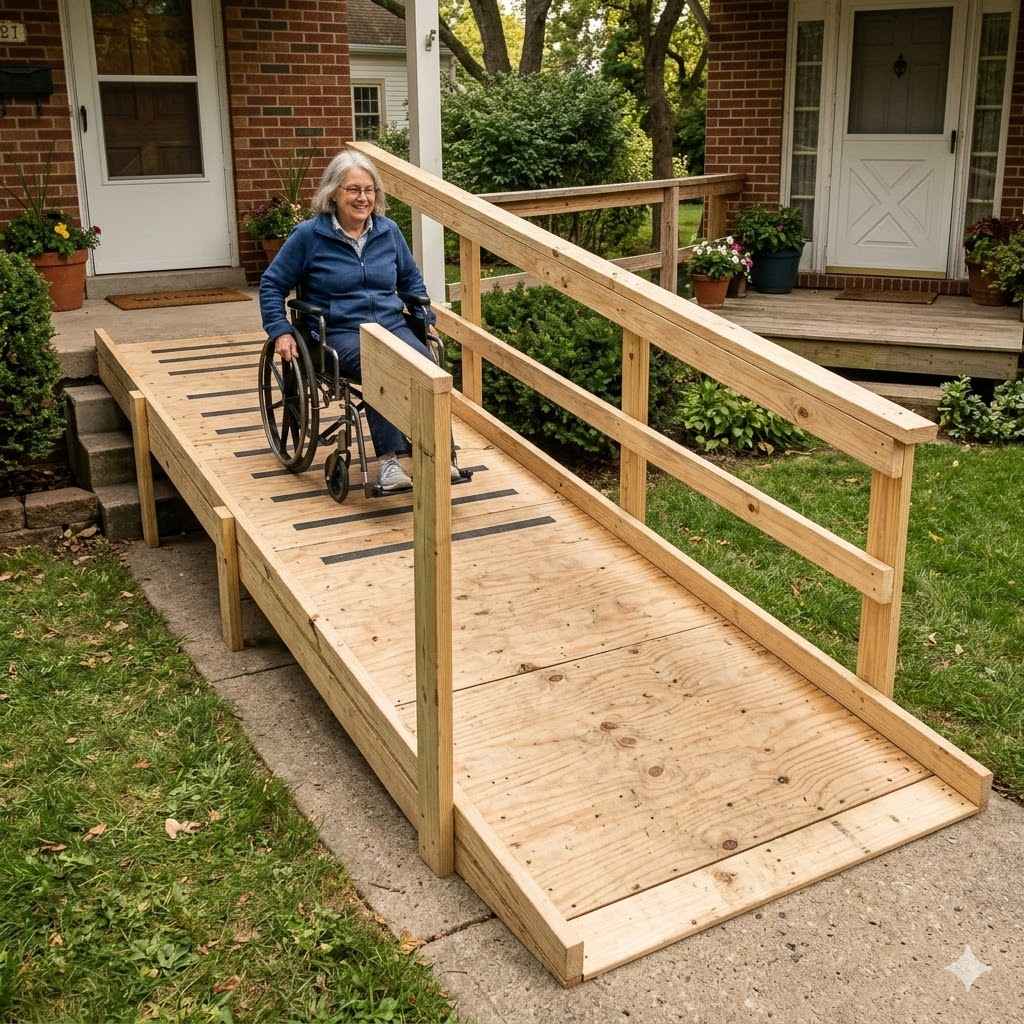
Another approach is to attach non-slip strips or treads directly to the plywood surface. These can be made from materials like rubber, aluminum, or specialized grip tape. They are often applied in parallel lines along the ramp’s length, providing reliable traction at key points. Ensure the strips are securely fastened and do not create an uneven surface that could snag wheelchair wheels. The spacing of these strips should be appropriate for safe wheelchair navigation.
A practical example involves a family who built a ramp using regular exterior plywood and then regretted not adding a slip-resistant surface after their first rainy day. They ended up having to retrofit it with an anti-slip coating, which was more work than doing it right the first time.
Local Building Codes And ADA Compliance
Before starting any ramp construction, it’s essential to understand and adhere to local building codes and accessibility guidelines. These regulations are in place to ensure safety and usability for everyone.
- Understanding Regulations
Building codes vary by location, but they typically specify requirements for ramp slope, width, handrails, landings, and materials. For wheelchair ramps, compliance with the Americans with Disabilities Act (ADA) standards is often mandated. These standards ensure that ramps are accessible and safe for individuals with mobility impairments. Ignoring these codes can lead to fines, the need for costly modifications, or even the ramp being deemed unusable. Always check with your local building department before you begin. - ADA Ramp Specifications
The ADA outlines precise dimensions and features for wheelchair ramps. The maximum slope is generally 1:12 (a 1-inch rise for every 12 inches of run), meaning a ramp needs to be quite long for any significant height. The minimum width is typically 36 inches. Handrails are required on both sides if the ramp rises more than 6 inches or has a horizontal run greater than 72 inches. Landings are necessary at the top and bottom of ramps, and also at any point where the ramp changes direction. - Material Choice In Codes
While building codes may not always explicitly forbid plywood, they often emphasize durability and structural integrity. If plywood is used, it must meet certain standards for strength and resistance to weathering. Codes might specify minimum wood thicknesses or require certain types of fasteners and treatments to ensure the ramp’s safety and longevity. In some cases, particularly for public or commercial applications, engineered wood products or other materials might be preferred or mandated due to their consistent performance characteristics.
A scenario often encountered is someone building a ramp that looks good but has too steep a slope, making it unusable for a wheelchair user. This is a common oversight when ADA guidelines aren’t carefully reviewed. The required length for a slope of 1:12 means that even a small rise can require a substantial ramp length, often necessitating multiple levels and landings.
Constructing A Plywood Wheelchair Ramp Safely
Building a safe and effective wheelchair ramp using plywood requires careful planning and execution. This section covers the essential steps from designing and preparing the materials to assembling and finishing the ramp.
Design And Planning The Ramp
A well-designed ramp is the foundation of a safe and functional pathway. Careful planning prevents costly mistakes and ensures the ramp meets the user’s needs and accessibility standards.
- Measure The Rise And Run
The first step is to accurately measure the height difference (rise) that the ramp needs to overcome. Then, calculate the required length (run) based on the desired slope. For a 1:12 slope, multiply the rise by 12 to get the minimum run. For example, if the rise is 24 inches (2 feet), the run needs to be at least 24 inches * 12 = 288 inches, or 24 feet. This is a considerable length and often dictates the placement and configuration of the ramp, possibly requiring switchbacks or multiple sections. - Determine Ramp Width And Handrail Needs
The ADA specifies a minimum ramp width of 36 inches. This width allows ample space for most wheelchairs and provides maneuverability. Also, assess the need for handrails. If the ramp rises more than 6 inches or has a horizontal length of over 72 inches, handrails are a requirement. They should be at a comfortable height for gripping and extend beyond the top and bottom of the ramp. - Sketching The Design And Material List
Create a detailed sketch of your ramp, including all dimensions, support structures, landings, and handrail placement. This sketch will serve as your blueprint. Based on the design, create a comprehensive list of all materials needed, including the type and quantity of plywood, lumber for the frame, screws, bolts, fasteners, and any finishing materials like paint or sealant. Accurate measurements and a clear plan are vital to avoid waste and ensure structural integrity.
A common mistake is underestimating the space required for a 1:12 slope. For a modest step of, say, 6 inches, you’ll need a ramp that is 6 feet long (6 inches x 12 = 72 inches). This can be challenging in tight spaces and often leads people to consider slightly steeper slopes, which is not ideal for all users.
Building The Support Structure
The frame or support structure is what holds the plywood surface. It needs to be robust, stable, and provide adequate support to prevent the ramp from sagging or breaking.
- Choosing Lumber And Joist Spacing
Use pressure-treated lumber for the support frame, as it is designed to withstand outdoor conditions. Common lumber sizes like 2×6 or 2×8 for joists are suitable, depending on the span. As mentioned earlier, joist spacing is critical. For a 3/4-inch plywood surface, spacing joists 16 inches on center provides good support. For thicker plywood or heavier loads, you might reduce the spacing to 12 inches on center. Ensure all lumber is straight and free from significant knots or defects. - Assembling The Frame
Construct the frame on a flat surface, ensuring all corners are square. Use sturdy exterior-grade screws or lag bolts for assembly. The frame should include the main ramp runners, cross joists, and any necessary bracing. If the ramp is long, consider building it in sections that can be joined securely. Ensure the frame is designed to connect securely to the existing structure (e.g., porch or ground) and any required landings. - Securing The Frame To The Ground And Structure
The ramp must be firmly anchored at both the top and bottom. At the top, it should be securely attached to the existing building or porch. At the bottom, it should rest on a stable, level foundation. This could be a concrete pad, pavers, or compacted gravel. Proper anchoring prevents the ramp from shifting or becoming unstable. If the ramp is temporary, ensure it’s weighted down or secured in a way that prevents it from moving.
A practical case involves a ramp built with inadequate support, leading to a noticeable dip in the middle. This was a hazard and an unpleasant experience for the user. Reinforcing the frame with additional joists solved the problem.
Attaching The Plywood Surface
Once the frame is built and secured, the plywood surface can be attached. This step requires precision to ensure a smooth, safe, and durable ramp.
- Cutting Plywood To Size
Carefully measure and cut the plywood sheets to fit the dimensions of your ramp frame. Use a circular saw with a fine-tooth blade for clean cuts. If using multiple sheets, ensure the edges meet squarely on a support joist to provide maximum strength and prevent gaps. Leave a small expansion gap (about 1/8 inch) between sheets if they are very long, though this is less critical with exterior grade plywood. - Fastening Plywood Securely
Use exterior-grade screws specifically designed for outdoor use, such as coated deck screws. Space the screws approximately every 6 to 8 inches along the edges of the plywood and every 8 to 10 inches across the joists. Countersink the screws slightly so they are flush with or just below the surface, preventing them from snagging wheelchair wheels or creating trip hazards. - Sealing And Finishing The Plywood
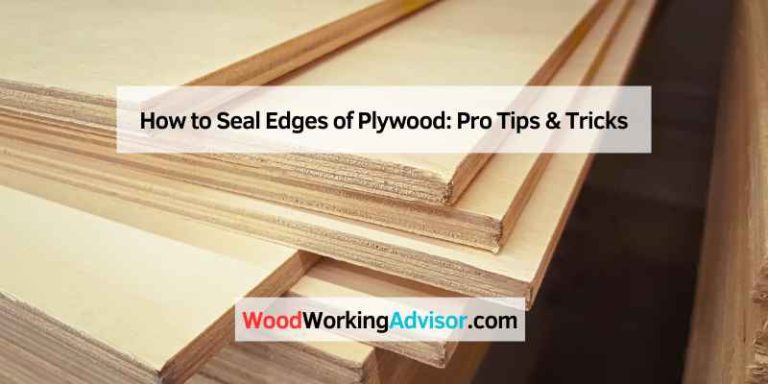
After the plywood is securely attached, the entire ramp surface needs to be sealed to protect it from the elements. Apply multiple coats of a high-quality exterior wood sealant, stain, or paint. If you are using a textured plywood or adding anti-slip treatments, apply these after the initial sealing or as per the manufacturer’s instructions. Ensure all edges and cut surfaces are thoroughly sealed to prevent moisture ingress.
A common error is not using enough screws, leading to loose plywood sections that can create an uneven and potentially dangerous surface. Proper screw placement and density are crucial for the ramp’s long-term integrity.
Alternatives And When Not To Use Plywood
While plywood can be a viable material for wheelchair ramps in certain situations, it’s not always the best choice. Understanding its limitations and exploring alternative materials can lead to a more durable, safer, and code-compliant ramp.
Limitations Of Plywood Ramps
Despite its advantages, plywood has inherent limitations that users should be aware of when considering it for a wheelchair ramp.
- Maintenance Requirements
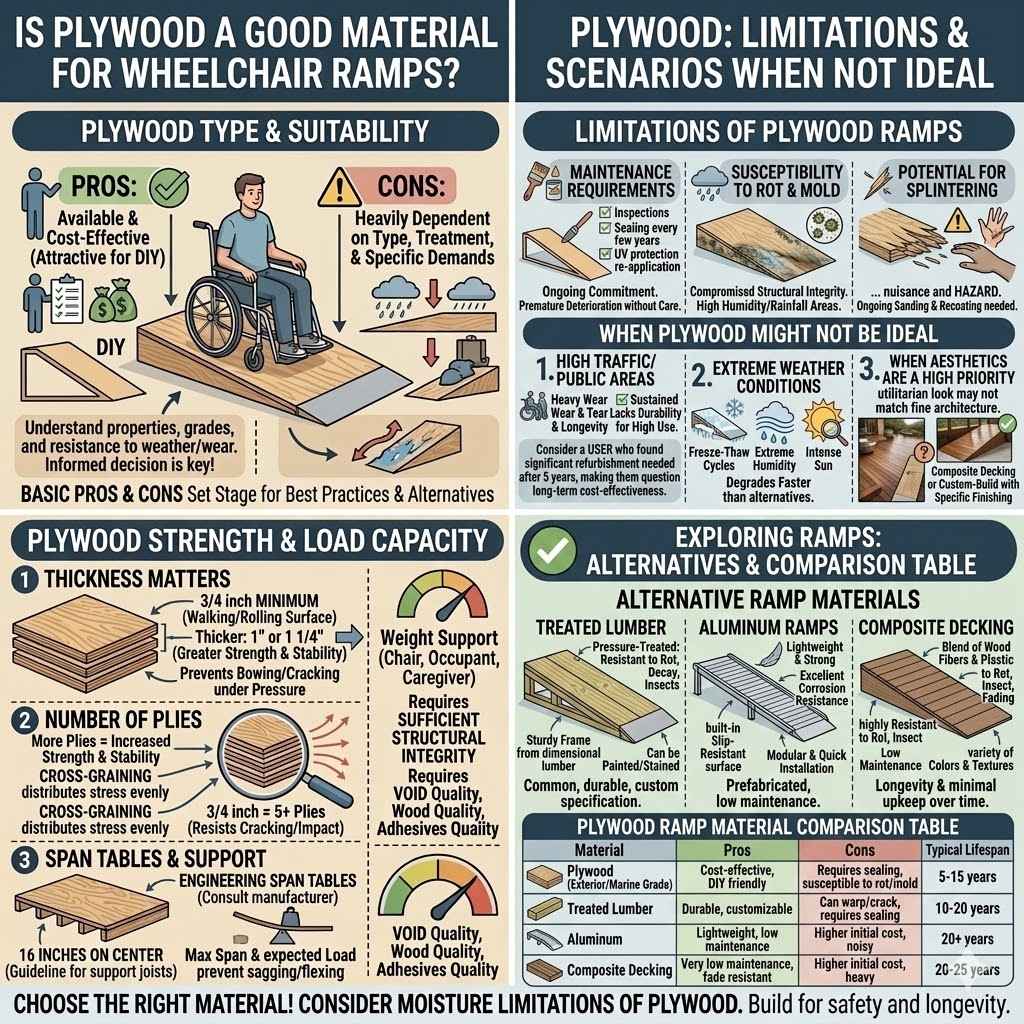
Plywood ramps require regular maintenance. They need periodic inspection for signs of wear, rot, or damage. The protective coatings will need to be reapplied every few years to maintain their effectiveness against weather and UV exposure. Failing to do so can lead to premature deterioration and potential safety hazards. This ongoing maintenance can be a significant commitment for some individuals. - Susceptibility To Rot And Mold
Even with proper sealing, prolonged exposure to damp environments can eventually lead to rot and mold growth. Plywood is an organic material, and these issues can compromise its structural integrity and create an unsanitary surface. Areas with high humidity or frequent rainfall are particularly prone to these problems. - Potential For Splintering
Over time, the surface of plywood can begin to splinter, especially if it’s not a high-quality grade or if the protective coating wears thin. Splinters can be a nuisance and a potential hazard, particularly for those with limited mobility or sensory impairments. Regular sanding and recoating can help mitigate this, but it’s an ongoing task.
A user might find that after five years, their plywood ramp, despite initial good treatment, is starting to show signs of wear and tear that require significant refurbishment, making them question the long-term cost-effectiveness compared to other materials.
When Plywood Might Not Be Ideal
There are specific scenarios where plywood might not be the most suitable or safest material for a wheelchair ramp.
- High Traffic Or Public Areas
For ramps in public spaces or areas with very high foot and wheelchair traffic, plywood may not offer the necessary durability and longevity. These areas experience more wear and tear, and a material like treated lumber, aluminum, or composite decking might be a better investment for sustained performance and reduced maintenance. - Extreme Weather Conditions
In regions with exceptionally harsh weather, such as areas with frequent freeze-thaw cycles, extreme humidity, or intense sun exposure, plywood might degrade faster than other materials. While good quality plywood can hold up, it might not offer the same lifespan as more resilient options designed specifically for such demanding environments. - When Aesthetics Are A High Priority
While a plywood ramp can be painted or stained, it may not always achieve the desired aesthetic for some properties. Other materials like composite decking or specially designed ramp systems can offer a more polished and integrated look with a home’s architecture. The natural grain and texture of wood alternatives can sometimes provide a more appealing finish.
Consider a scenario where a homeowner wants a ramp that seamlessly matches their high-end wooden deck. A standard plywood ramp, even if well-maintained, might look utilitarian. In such cases, opting for composite decking or a custom-built wooden ramp with specific finishing might be preferable.
Alternative Ramp Materials
Exploring other ramp materials can offer different benefits in terms of durability, maintenance, and appearance.
- Treated Lumber
Pressure-treated lumber is a common and durable material for constructing wheelchair ramps. It is resistant to rot, insects, and decay, making it suitable for outdoor use. Lumber ramps can be built to custom specifications and offer a sturdy, reliable pathway. They are often more aesthetically pleasing than plywood and can be painted or stained to match surroundings. The structural integrity of lumber can also be very high, especially when using larger dimensional lumber for the frame. - Aluminum Ramps
Aluminum ramps are a popular choice for their lightweight nature, strength, and excellent corrosion resistance. They are often prefabricated and modular, making installation quicker and easier. Aluminum is highly durable and requires very little maintenance, often just occasional cleaning. Many aluminum ramps are designed with built-in slip-resistant surfaces and meet ADA requirements. However, they can be more expensive than DIY plywood or lumber ramps. - Composite Decking
Composite decking materials are made from a blend of wood fibers and plastics. They are highly resistant to rot, insects, and fading. Composite ramps offer a very low-maintenance option, often requiring only occasional washing. They can mimic the look of natural wood and come in a variety of colors and textures. While initially more expensive than plywood, their longevity and minimal upkeep can make them cost-effective over time.
A comparison table can help visualize the differences:
| Material | Pros | Cons | Typical Lifespan |
|---|---|---|---|
| Plywood (Exterior/Marine Grade) | Cost-effective, widely available, DIY friendly | Requires sealing and regular maintenance, susceptible to rot/mold if not maintained | 5-15 years (with excellent maintenance) |
| Treated Lumber | Durable, rot-resistant, customizable, good structural strength | Requires sealing/staining, can warp or crack over time, heavier than aluminum | 10-20 years (with good maintenance) |
| Aluminum | Lightweight, strong, corrosion-resistant, low maintenance, often modular | Higher initial cost, can be noisy, limited aesthetic customization | 20+ years |
| Composite Decking | Very low maintenance, rot/insect/fade resistant, good aesthetics | Higher initial cost, can be heavy, potential for scratching | 20-25 years |
For instance, a homeowner who chose a composite ramp for their back deck cited the lack of need for painting or sealing every few years as a major advantage over their previous wood deck, saving them considerable time and money.
Frequently Asked Questions
Question: Is plywood safe for wheelchair ramps?
Answer: Yes, plywood can be safe for wheelchair ramps if you use exterior or marine-grade plywood, build it with proper support structures, ensure it has a slip-resistant surface, and maintain it regularly. The wrong type or lack of maintenance can make it unsafe.
Question: What is the best type of plywood for a wheelchair ramp?
Answer: The best types of plywood for wheelchair ramps are exterior grade and marine grade. Exterior grade is good for most situations, while marine grade is the most durable and water-resistant if your budget allows and conditions are harsh.
Question: How thick should plywood be for a wheelchair ramp?
Answer: For a wheelchair ramp surface, a minimum thickness of 3/4 inch is generally recommended. Thicker plywood, like 1 inch, will provide even more strength and stability, especially if the support joists are spaced further apart.
Question: Do I need to seal plywood wheelchair ramps?
Answer: Absolutely. Sealing is crucial for any plywood used outdoors, especially for a wheelchair ramp. It protects the wood from moisture, rot, and UV damage, significantly extending the ramp’s lifespan and maintaining its structural integrity.
Question: Can I use regular plywood from a home improvement store?
Answer: It is strongly advised not to use regular interior grade plywood. It is not designed for outdoor use and will quickly deteriorate when exposed to moisture, making the ramp unsafe. Always opt for exterior or marine-grade plywood.
Final Thoughts
Can you use plywood for a wheelchair ramp? Yes, with the right considerations. Exterior or marine-grade plywood, proper support, a slip-resistant finish, and regular maintenance are key.
Plywood offers a cost-effective DIY option when built correctly. Always check local codes for compliance. For maximum durability and ease, explore alternatives like treated lumber, aluminum, or composite.